
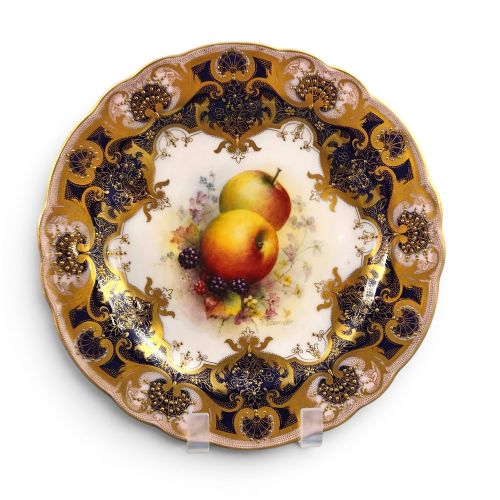
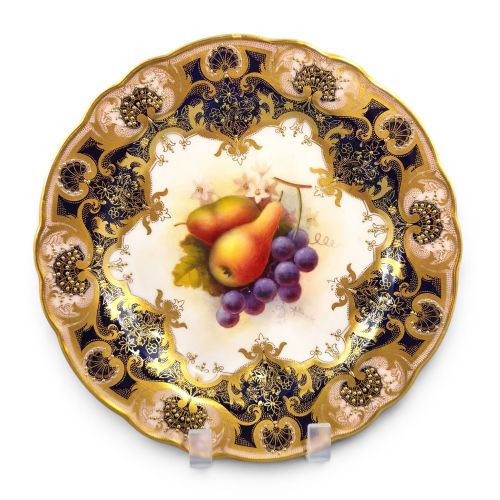
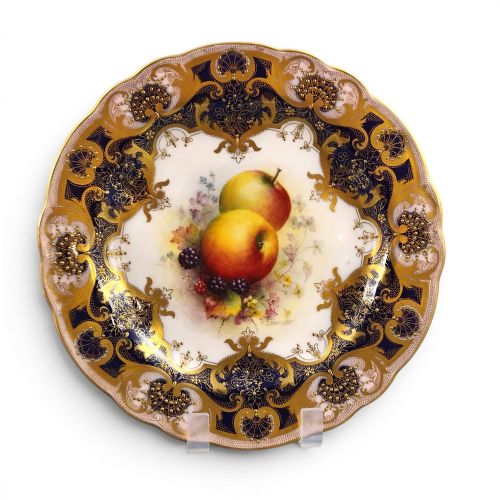
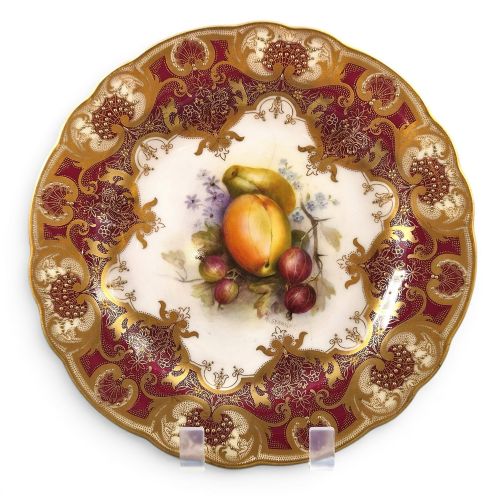
Painted Fruit Cabinet Porcelain
Painted fruit cabinet porcelain brings together delicate botanical illustration and fine ceramic artistry, offering a sophisticated display piece for the home.
Painted Fruit Cabinet Porcelain
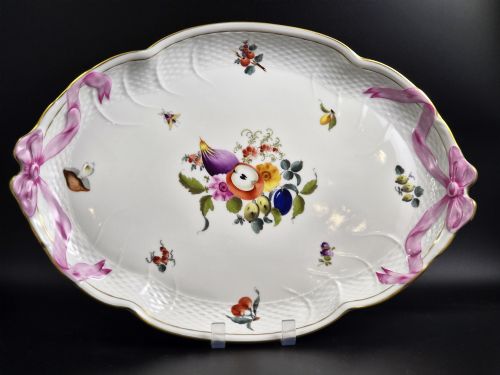
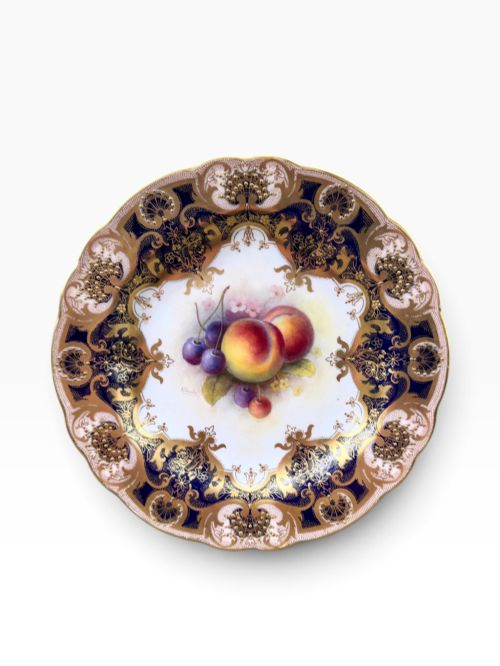
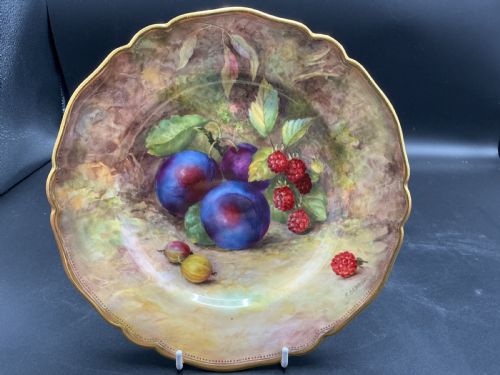
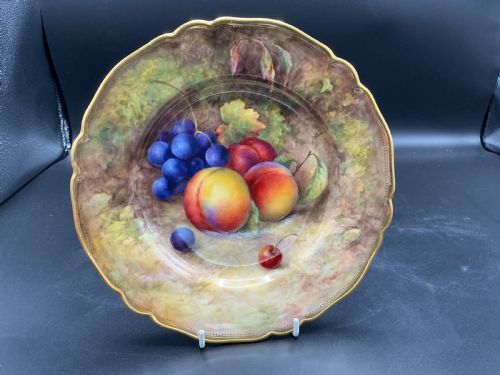
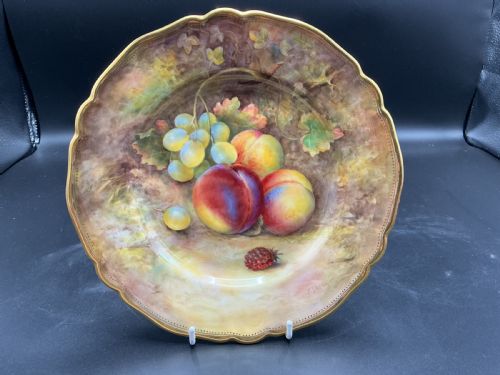
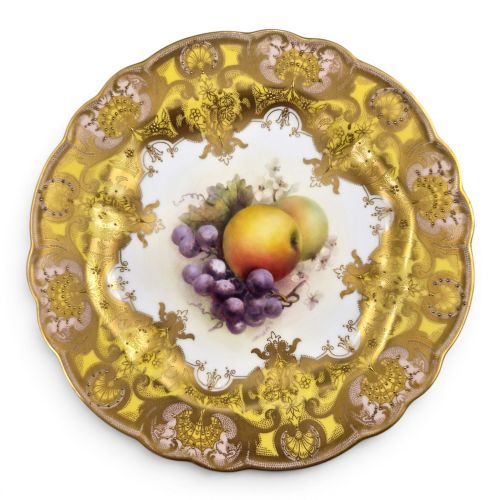
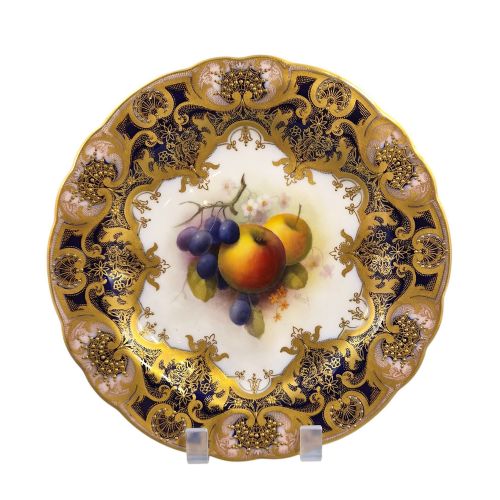
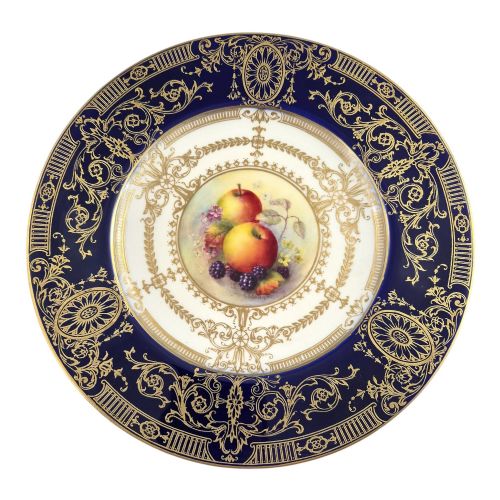
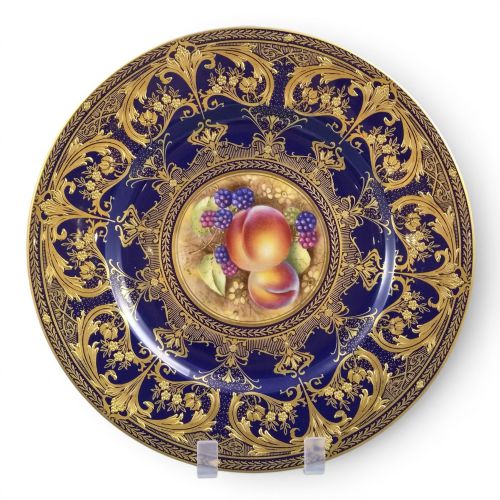
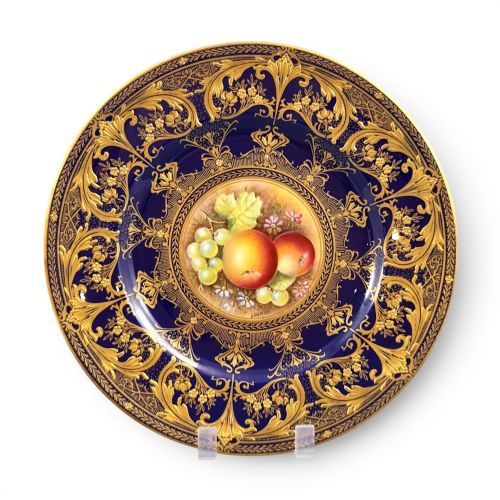
Painted fruit cabinet porcelain chiefly comprises decorative plates, dishes, and small vases created for display rather than everyday dining. Buyers seeking painted fruit cabinet porcelain will most frequently encounter 20th-century pieces, particularly from the Edwardian era through the mid-century decades.
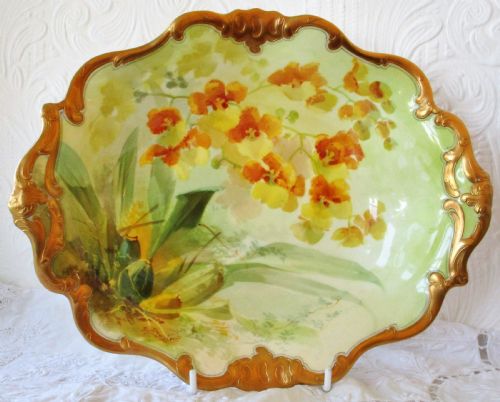
The selection ranges from early George V and Edwardian examples to earlier Georgian and 18th-century pieces. Alongside cabinet plates and dessert plates, the forms extend to bon bon dishes, saucers, and miniature vases.
Royal Worcester dominates the available examples, often showcasing detailed hand-painted studies of fruit. Additional works originate from makers such as Derby, Royal Doulton, Copeland, and the Kornilov Brothers.
Evaluating Quality
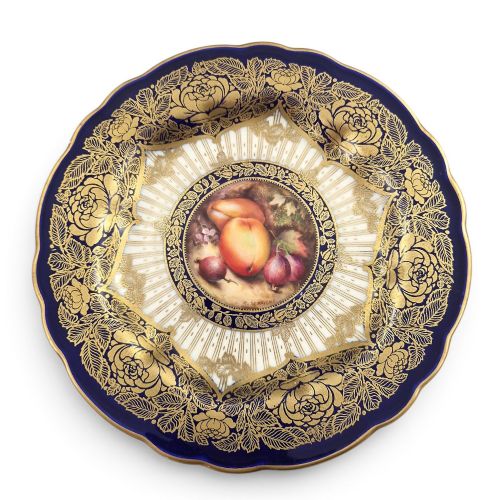
Quality rests upon the skill of the artist and the precision of the hand-painted fruit compositions. Pieces bearing signatures from known painters demonstrate superior craftsmanship.
The application of gold leaf and the refinement of the porcelain body further distinguish finer items. Elaborate borders, such as rope edges or rich gilding, elevate the visual impact of the cabinet piece.
Listings feature porcelain and bone china enhanced with gold leaf, enamel paint, and gilding across Edwardian, Georgian, and mid-century periods.
Royal Worcester·Royal Doulton·Derby Porcelain·Kornilov Brothers·Chelsea-Derby
The Painted Fruit Cabinet Porcelain Glossary
- Cabinet plate
- A decorative ceramic plate intended for display in a cabinet or on a wall rather than for use at the table. These pieces often feature elaborate painted scenes and gilded borders.
- Bone china
- A type of porcelain composed of bone ash, feldspathic material, and kaolin. It offers high mechanical strength and whiteness, serving as a smooth canvas for enamel painting.
- Gilding
- The application of gold leaf or gold powder onto the surface of porcelain. It provides a lustrous metallic trim around the edges and borders of cabinet dishes.
- Enamel
- A decorative vitreous substance fused to the surface of porcelain through firing. It creates vibrant, permanent colours for hand-painted fruit motifs.
Painted Fruit Cabinet Porcelain: Frequently Asked Questions
What is painted fruit cabinet porcelain?
It consists of fine ceramic plates, dishes, and vases decorated with detailed hand-painted studies of fruit. These items were designed primarily for display in cabinets or on walls.
The majority of pieces seen today originate from the late 19th and 20th centuries, with Royal Worcester being the most common maker.
How do I display cabinet plates?
Cabinet plates are traditionally housed within glass-fronted display cabinets to protect their delicate enamel paint and gilding from dust and damage. Wall mountings using secure plate hangers are also suitable for sturdy pieces.
Positioning them away from direct sunlight preserves the vibrancy of the hand-painted fruit colours over time.
Who painted these porcelain pieces?
Many items feature work by specialist ceramic artists employed by factories such as Royal Worcester. Signatures from painters like Richard Sebright, Albert Shuck, and William Ricketts frequently appear on the surface.
These artists specialised in botanical and fruit studies, bringing a high level of realism to each individual dish.
How can I tell the age of a piece?
Dating relies upon factory backstamps, impressed marks, and occasional date ciphers or handwritten inscriptions on the reverse of the porcelain. Stylistic clues such as Edwardian neo-rococo borders or mid-century rope edges also indicate the period of manufacture.
Comparing the painting style and signature to known working dates of the artists helps narrow down the year of creation.