
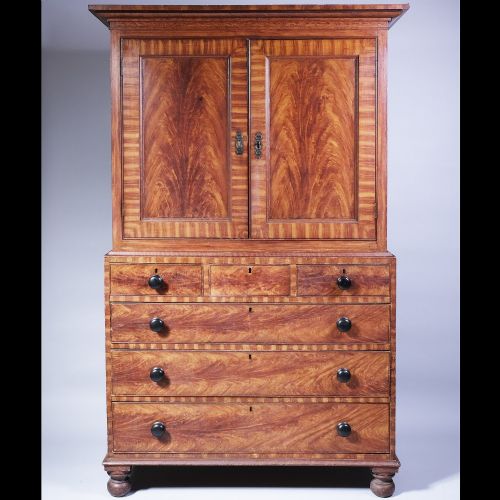
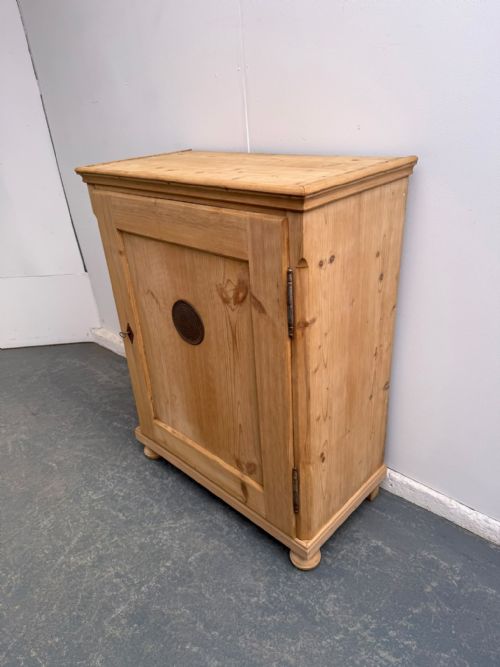
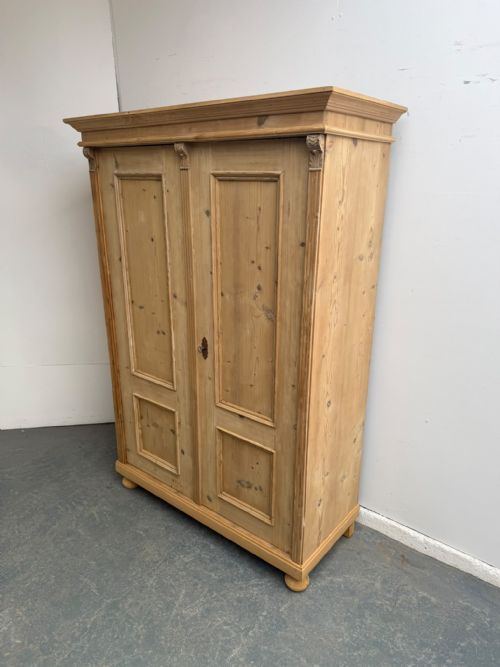
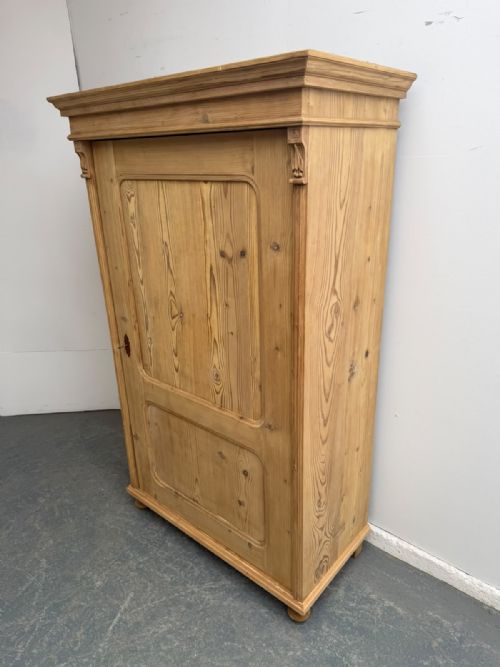
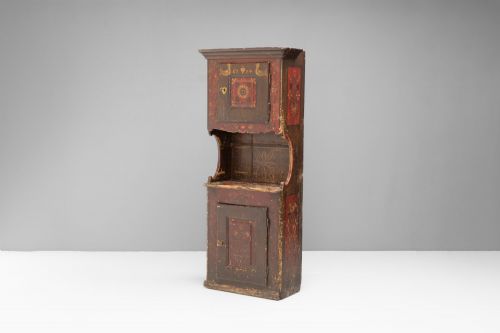
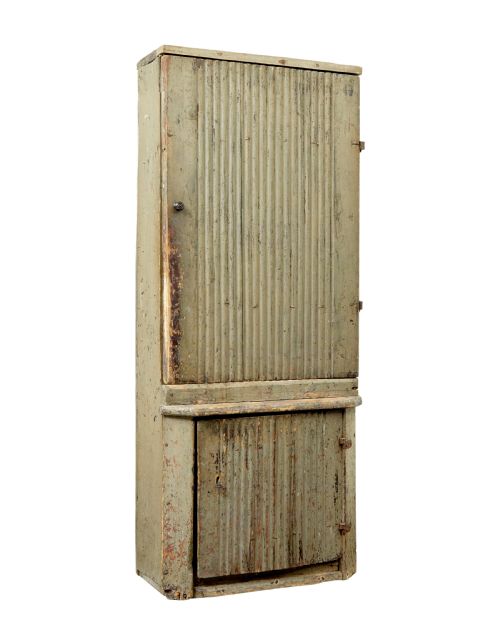


Painted Food Cupboard
A painted food cupboard is a utilitarian piece of country storage furniture designed to preserve provisions, offering both functional utility and traditional decorative charm.
Painted Food Cupboard
A painted food cupboard provides domestic storage originating primarily from the Georgian, Victorian, and nineteenth-century periods across English, French, Spanish, Scandinavian, and wider European traditions. These pieces take various forms including larder cupboards, pantry cupboards, housekeeper's cupboards, jam cupboards, and bread and cheese cupboards.
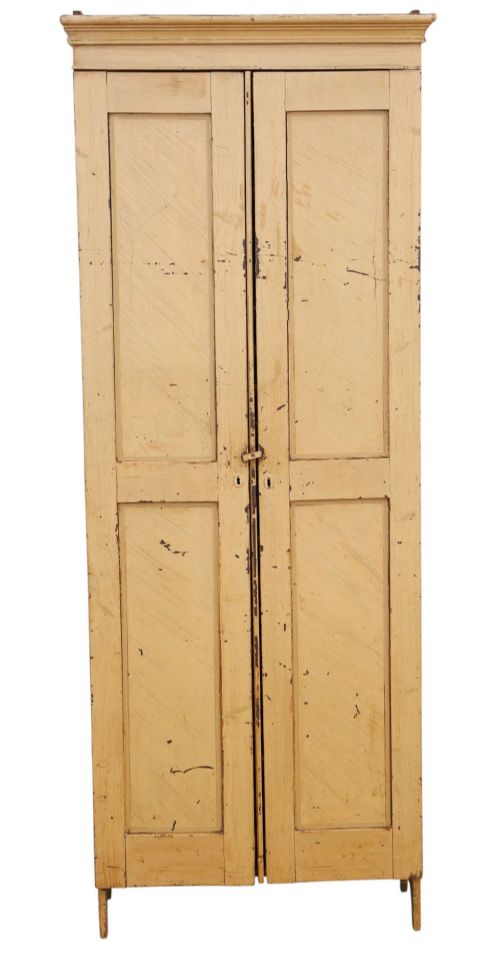
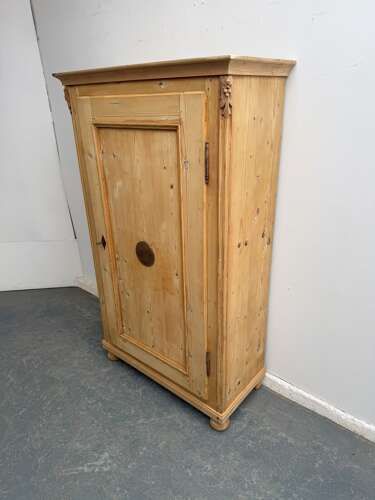
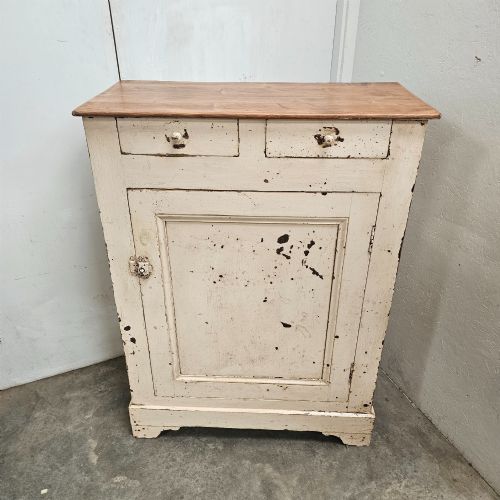
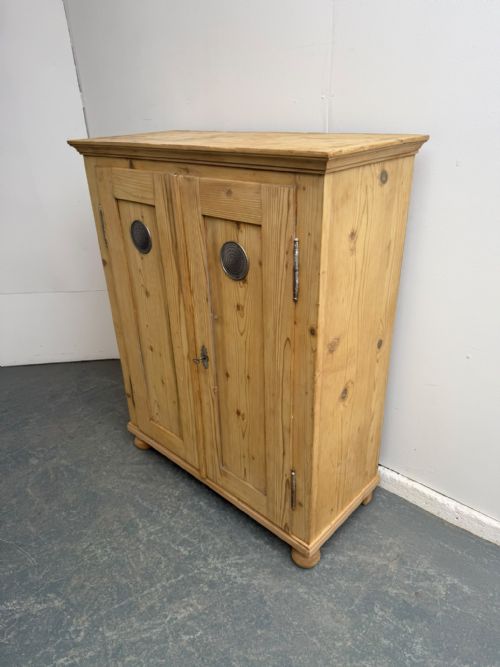
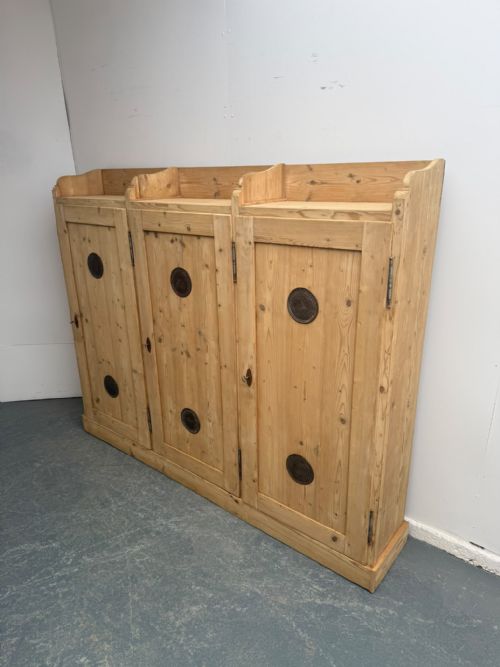
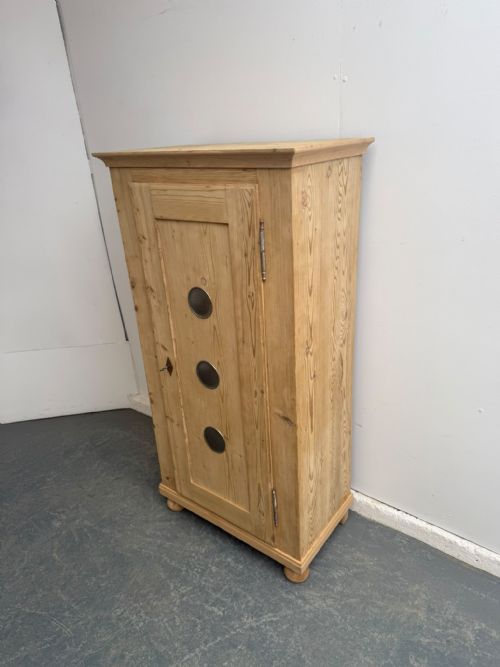
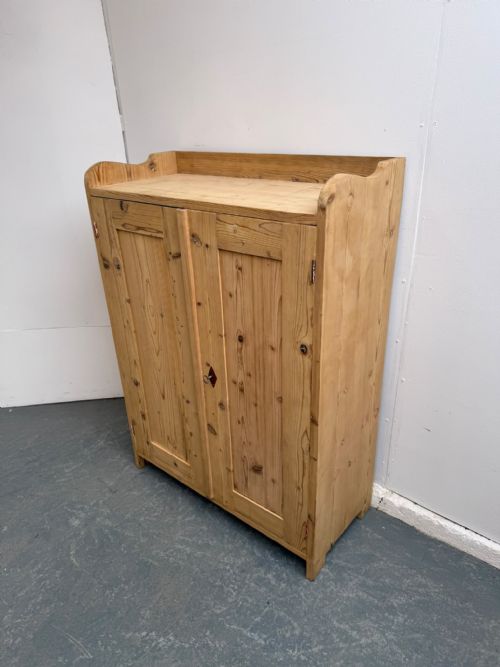
The most common version met on this page is the nineteenth-century pine kitchen or storage cupboard, often featuring single or double doors, internal shelving, and ventilation panels. Examples range from tall narrow housekeeper's larders to low wide kitchen units and small regional Scottish or English pieces.
Country and provincial workshops produced these cabinets for daily food storage and household provisions rather than formal reception rooms. Their practical origins mean they were built to serve working domestic spaces, resulting in robust proportions and utilitarian layouts.
How they were made
Makers constructed these cabinets predominantly from solid pine and other softwoods using traditional joinery techniques suitable for domestic furniture. Iron, brass, and steel hardware such as hinges, latches, and handles fastened doors and drawers securely.
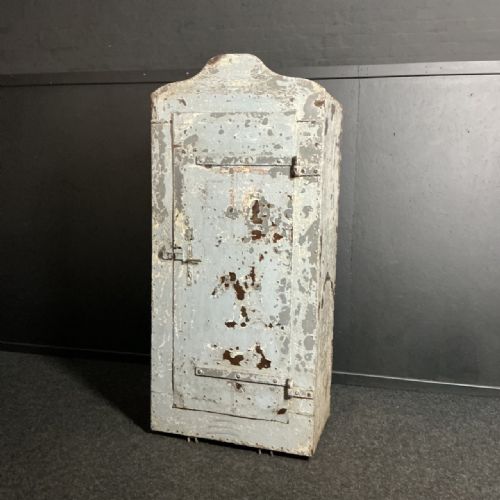
Surfaces received protective and decorative coats of paint, scumble, ragwork, or hand-applied pigments to seal the timber and brighten rural interiors. Vented doors often incorporated pierced metal or perforated panels to allow air circulation for perishable goods.
Geographic origins span English, Scottish, Welsh, French, Spanish, and Scandinavian traditions, encompassing both Gustavian cabinets and folk art pieces.
What varies in quality
The distinction between tiers rests upon the originality of the painted surface, the integrity of the timber construction, and the preservation of period fittings. Untouched decorative schemes, original regional paintwork, and unaltered internal shelving elevate a piece significantly above items stripped or repainted in later years.
Proportion and scale also dictate distinction, with tall narrow larders or well-balanced small cupboards commanding greater interest than standard utility boxes. Finer pieces display careful joinery details and balanced hardware placements that reflect the original maker's skill.
The Painted Food Cupboard Glossary
- Scumble paint
- A translucent glaze applied over a base coat and manipulated with combs, rags, or brushes to imitate graining or create textured patterns. This decorative technique was popular in nineteenth-century domestic joinery.
- Larder cupboard
- A tall storage cabinet traditionally fitted with shelves and ventilation for keeping food provisions cool. These pieces formed an essential part of historical kitchen organisation.
- Confiturier
- A small French storage cupboard, often called a jam cupboard, originally utilised for preserving fruits and provisions. They typically feature a single door above or below a compact drawer.
- Ragwork paint
- A decorative surface treatment applied by dabbing or rolling pigment with a piece of cloth to create a mottled finish. This folk art method added texture to simple pine furniture.
- Vented cupboard
- A storage unit incorporating pierced metal, wire mesh, or slatted panels in the doors to permit air circulation. This ventilation prevented moisture build-up around stored foodstuffs.
Painted Food Cupboard: Frequently Asked Questions
What is a painted food cupboard?
A painted food cupboard is a utilitarian wooden storage cabinet originally used in domestic kitchens and pantries to store provisions. These pieces were coated in protective paint or folk art finishes to suit country interiors.
Surviving examples date mainly from the eighteenth and nineteenth centuries across British and European regions. They offer practical shelving enclosed by single or double doors.
How were food cupboards ventilated?
Makers incorporated perforated metal panels, wire mesh, or slatted wooden vents into the doors of food cupboards. This airflow helped keep perishable provisions fresh before the advent of mechanical refrigeration.
Many nineteenth-century utility cabinets retain these original vented panels today. They serve as a primary indicator of a piece's original culinary purpose.
Where were these cupboards made?
Country workshops and provincial cabinet makers throughout Britain, Scandinavia, France, Spain, and Eastern Europe produced these storage units. Each region developed distinct proportions and painting traditions.
English and Welsh farmhouses favoured sturdy pine constructions, whilst Scandinavian makers utilised bright folk art pigments and ragwork finishes. Continental examples often included regional vernacular details like confiturier proportions.
How do I date a pine cupboard?
Dating relies on construction methods, hardware types, and paint layers visible on the timber. Hand-cut nails, pegged joints, and original hand-mixed paint surfaces point towards Georgian and early nineteenth-century origins.
Later Victorian and turn-of-the-century examples often display machine-sawn timber components and standard iron hinges. Comparing the carcass construction with known period styles clarifies the manufacturing era.
How do I clean painted furniture?
Maintenance requires gentle dusting with a soft, dry cloth and avoiding harsh chemical cleaning agents that can strip historical paint layers. Preserving the fragile surface is paramount for maintaining the character of antique pine.
Wax can be applied sparingly to unpainted interior timber surfaces if required. External painted finishes should remain untouched by abrasive liquids.