




Painted Flower Pot
A painted flower pot brings botanical colour indoors, uniting ceramic vessels and painted canvases focused on flora.
Painted Flower Pot
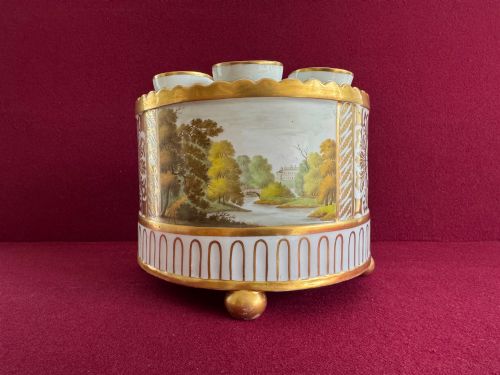
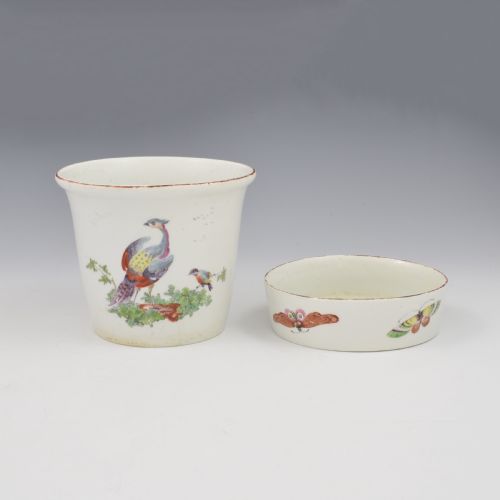
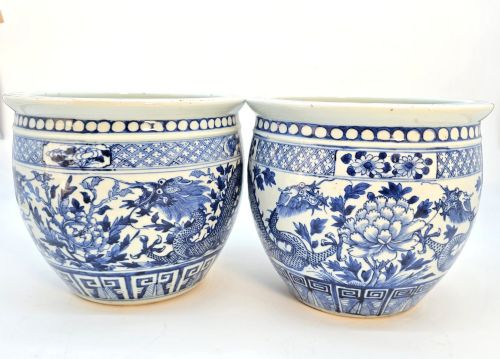
A painted flower pot encompasses ceramic jardinières, cachepots, porcelain bough pots, and oil paintings depicting floral displays. When exploring a painted flower pot, buyers encounter diverse forms ranging from eighteenth-century Chinese porcelain vessels to twentieth-century European canvases.
The selection on this page leans toward porcelain jardinières and planters alongside framed oil paintings on canvas and board. These pieces bridge decorative arts and fine art, serving practical botanical display and aesthetic appreciation.
How they were made
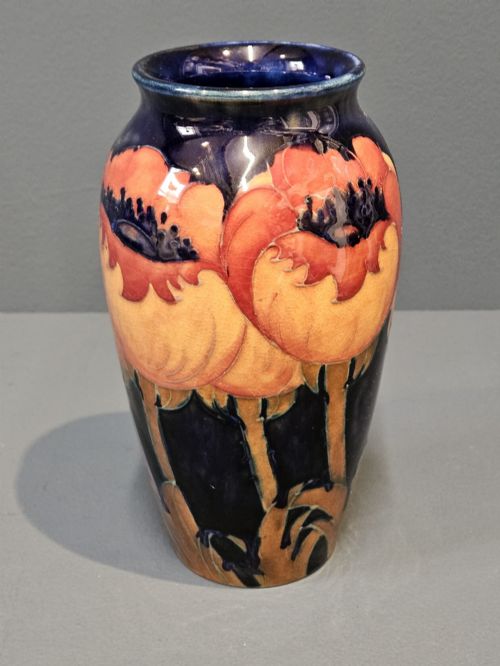
Ceramic pieces utilise porcelain, earthenware, and pottery bodies finished with glaze, enamel, and gold leaf or gilding. Artisans applied hand-painted botanical and avian motifs directly onto the fired surfaces, often incorporating cobalt blue or famille rose palettes.
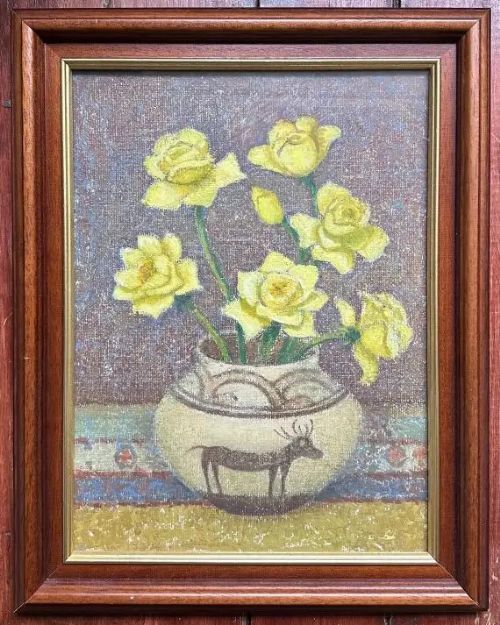
Painted works on canvas, board, and paper employ oil and watercolour mediums. Artists utilised wood stretchers and frames to support these compositions, capturing flora in terracotta pots and domestic interiors.
Painted Flower Pot Retail Price Guide 2026
Typical asking prices for painted flower pot among the pieces listed under this phrase on Sellingantiques today, from the lower quarter to the upper quarter. They describe what is for sale here now, not the wider market.
What varies in quality
Quality rests upon the precision of the hand-painting and the clarity of the ceramic glaze or artistic brushwork. Fine porcelain vessels display crisp cobalt underglazes or meticulously detailed enamel work, whilst superior paintings exhibit confident handling of light and botanical form.
The integration of original decorative elements, such as matching drip trays, covers, and period paint finishes, elevates a piece. Makers' marks and reign periods further distinguish standard production from exceptional examples.
Royal Worcester·Coalport·Moorcroft·Derby Porcelain·Dresden Porcelain
The Painted Flower Pot Glossary
- Jardiniere
- A large ornamental pot or stand for holding plants or flowers. These vessels often sit on floor stands or tables.
- Cachepot
- An ornamental pot used to conceal an ordinary flower pot. They typically lack drainage holes at the base.
- Bough pot
- A vessel designed specifically for holding cut branches and floral arrangements. Eighteenth-century examples often feature pierced covers.
- Imari
- A style of Japanese porcelain featuring underglaze blue and overglaze red, green, and gold. This decorative scheme was widely exported and emulated.
- Famille rose
- A major palette of Chinese ceramic enamels introduced in the eighteenth century. The style is distinguished by its opaque pink or rose colour derived from colloidal gold.
Painted Flower Pot: Frequently Asked Questions
How were cachepots used?
Cachepots act as decorative outer vessels that conceal plain terracotta plant pots. They catch excess water from drainage, protecting interior surfaces.
Their decorative exteriors allow plants to be displayed in formal rooms without disturbing domestic arrangements.
Can these pots hold live plants?
Ceramic jardinières and cachepots accommodate live plantings, though many historical pieces function better with an inner liner pot. Porcelain and glazed pottery contain moisture effectively.
Assessing the interior condition helps determine whether direct planting is suitable or if a separate pot insert is necessary.
How do I identify porcelain periods?
Period identification relies on glaze characteristics, body weight, painting styles, and factory marks. Eighteenth-century pieces often display hand-potted irregularities and specific enamel palettes.
Reference marks, reign seals, and stylistic conventions assist in distinguishing Georgian, Victorian, and later twentieth-century productions.