


Painted Decorative Panels
These painted decorative panels bring character and colour to interiors through centuries of varied craftsmanship, from naive pine depictions to grand French trumeau mirrors.
Painted Decorative Panels
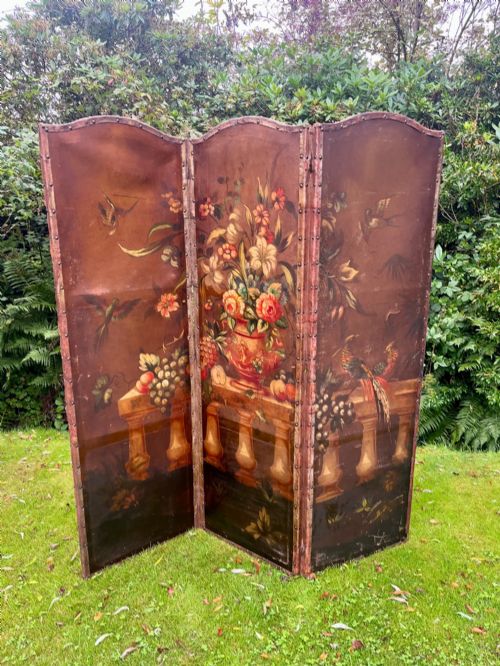
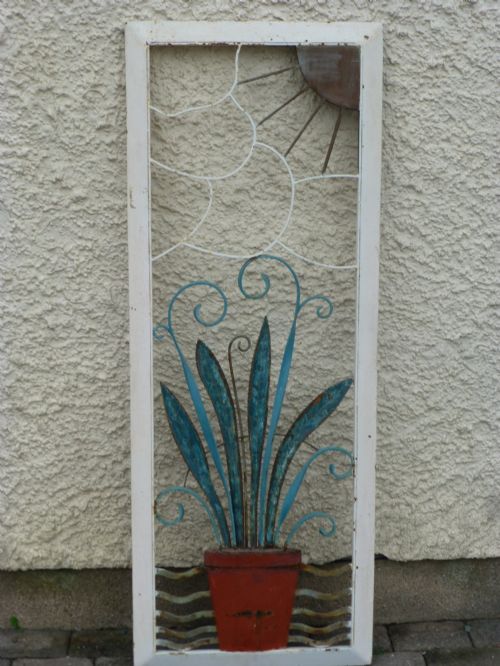
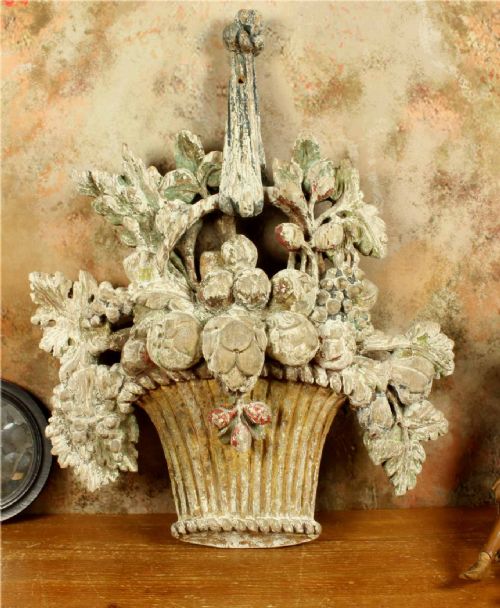
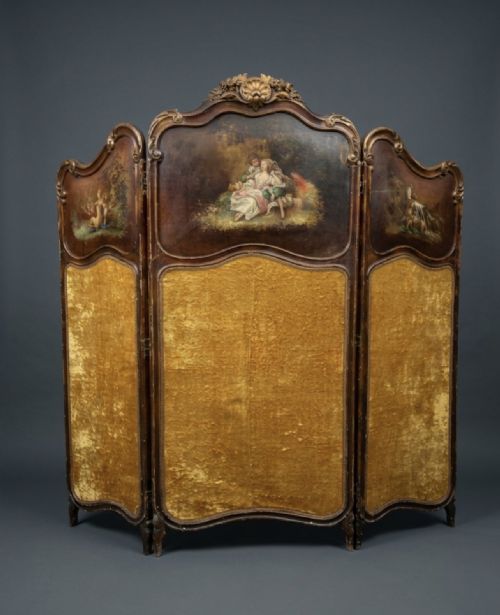
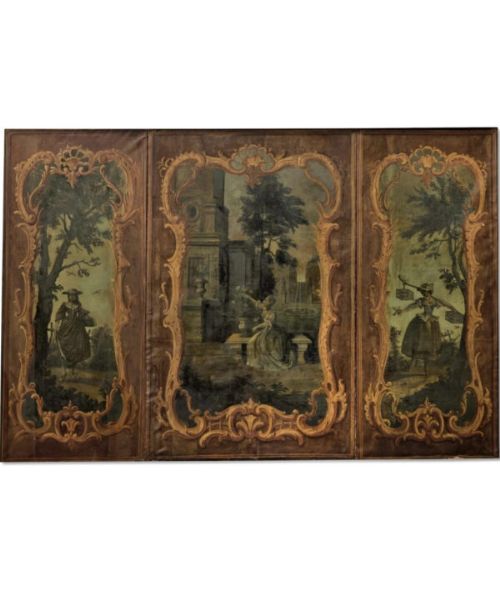
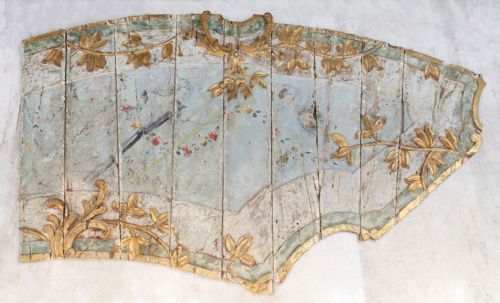
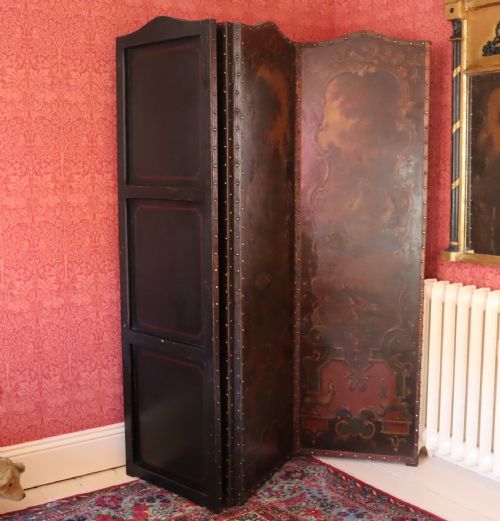
When you search for painted decorative panels, you encounter a diverse array of architectural fragments, folding screens, and wall art spanning multiple periods. The selection frequently includes folding screens with pastoral scenes, French trumeau mirrors, and canvas or wood panels originating from various European and Asian traditions.
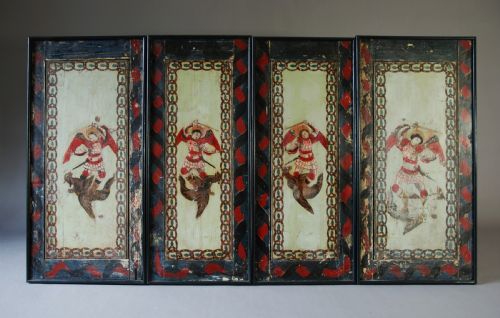
Pieces range from eighteenth-century sets depicting religious figures to twentieth-century theatrical scenery boards and fairground rides. This variety means buyers can source both subtle domestic accents and large-scale architectural salvage.
How they were made
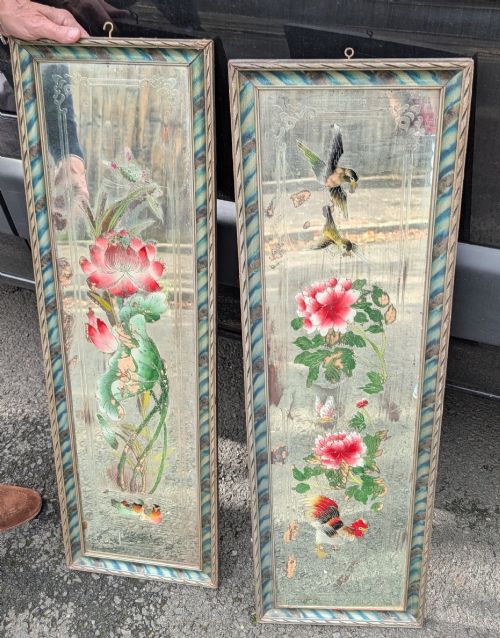
Craftsmen applied paint, tempera, or oil directly onto supports of wood, canvas, leather, and glass, often incorporating lead, brass, or giltwood detailing. Panels might be integrated into folding woodwork, mounted as wall art, or set within mirrors and screens.
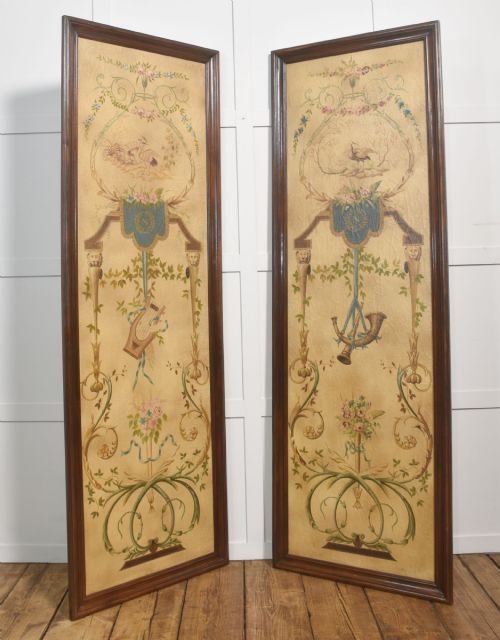
Techniques varied from naive folk art execution to refined neoclassical grisaille and polychrome brushwork. Makers utilised traditional joinery for the structural frames, supporting the decorated surfaces with materials like walnut, pine, and iron.
Listings feature items spanning from the 18th century through to the mid-20th century, utilising materials including glass, lead, canvas, and giltwood.
What varies in quality
The standard of execution in the brushwork and the preservation of the original surface define the higher tiers of these pieces. Fine detailing in pastoral or neoclassical scenes separates superior artistic output from simpler decorative work.
The integrity of the structural support, whether wood panel, canvas, or leather, contributes significantly to the overall merit of the piece. Retaining original gilding, lead cames in glass, and untouched painted layers elevates the piece above later restorations.
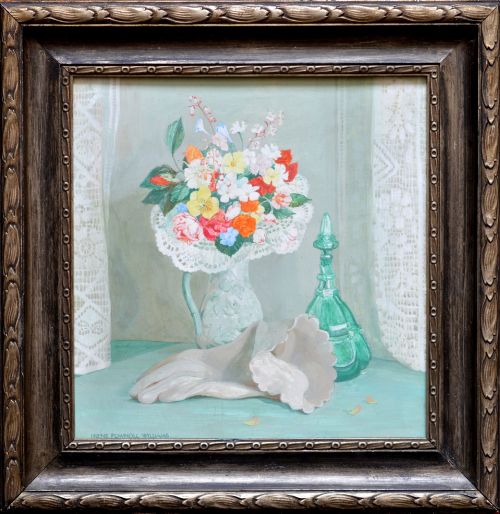
Irene Christobelle Pownoll Williams·Raymond Subes
The Painted Decorative Panels Glossary
- Trumeau mirror
- A wall mirror featuring an upper panel decorated with a painting or carving, popular in French interiors.
- Grisaille
- A painting executed entirely in shades of grey or neutral greyish-brown, often imitating sculpture or relief.
- Chinoiserie
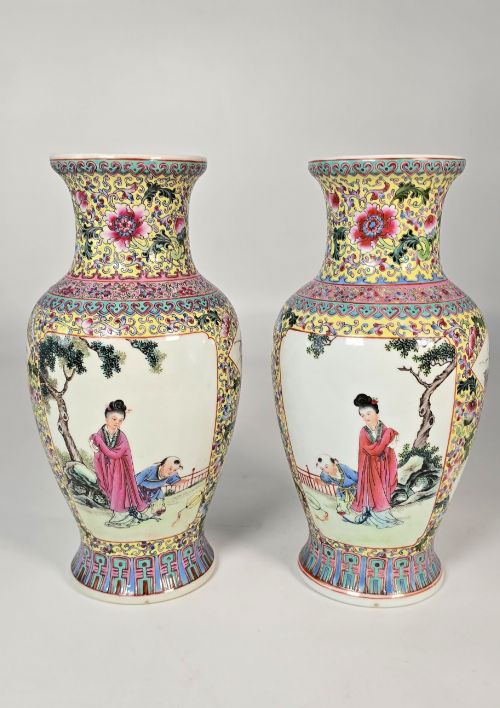
- European artistic styles that reflect Chinese artistic influences, frequently seen on lacquered and painted screens.
- Lead came
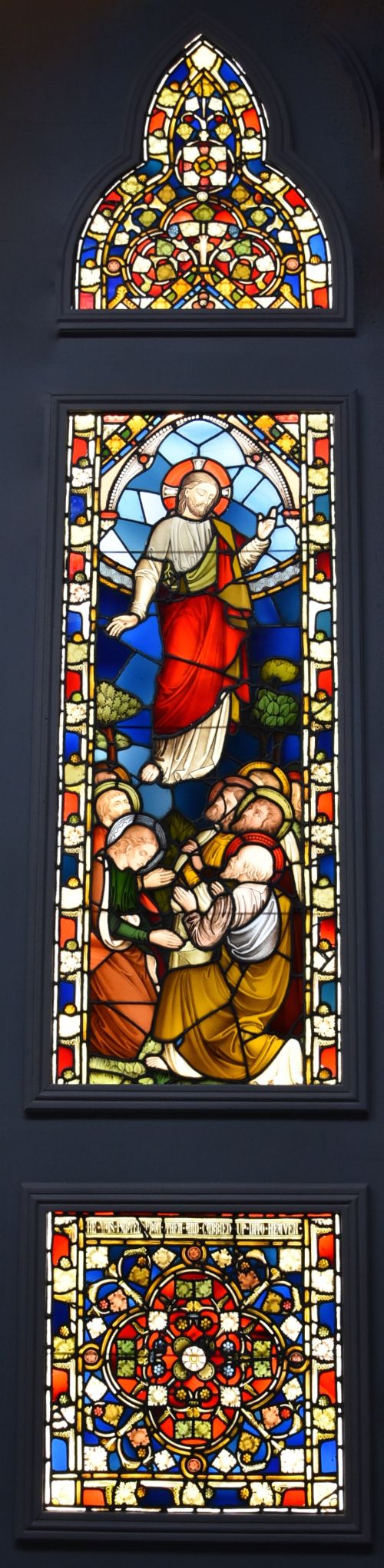
- The grooved lead rod used to join individual pieces of glass in stained glass windows and panels.
- Tempera
- A permanent, fast-drying painting medium consisting of coloured pigment mixed with a water-soluble binder.
Painted Decorative Panels: Frequently Asked Questions
How were folding screens used?
Folding screens served to divide large rooms, block draughts from doors and windows, and create private dressing areas within bedrooms.
Their mobility allowed owners to rearrange spaces easily while introducing colourful painted narratives or rich textures into a room.
What is a trumeau mirror?
A trumeau mirror is a decorative architectural mirror designed to fit on the wall between two windows or above a fireplace mantel.
The upper section typically incorporates an oil painting, grisaille, or carved relief panel matching the overall interior style.
How do I care for painted wood panels?
Keep painted wood panels away from direct sunlight and fluctuating heat sources to prevent the wood from warping and the paint from flaking.
Dust gently with a dry, soft cloth and avoid chemical cleaning agents that might damage fragile historic surfaces.
Where were decorative panels placed?
These panels were integrated into architectural interiors, mounted on walls as standalone art, or incorporated into furniture such as commodes and display cabinets.
They functioned as focal points in reception rooms, theatres, and grand hallways.