
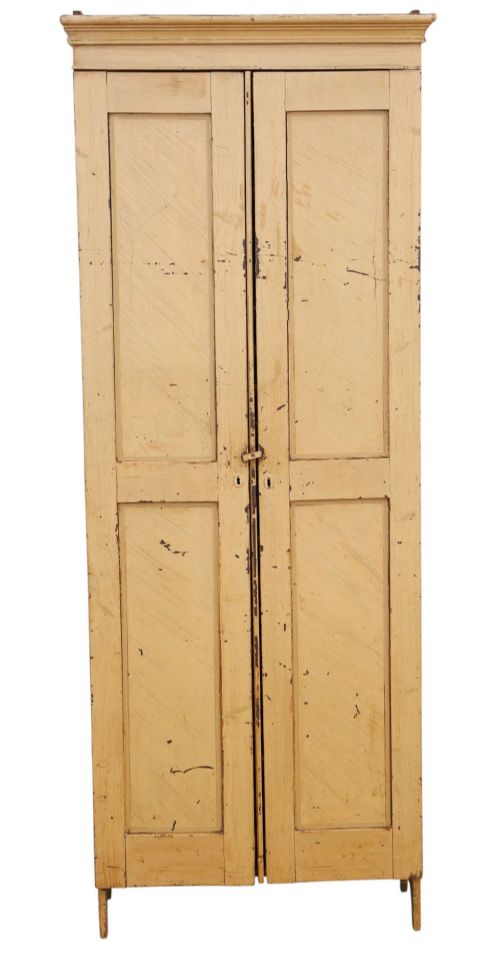
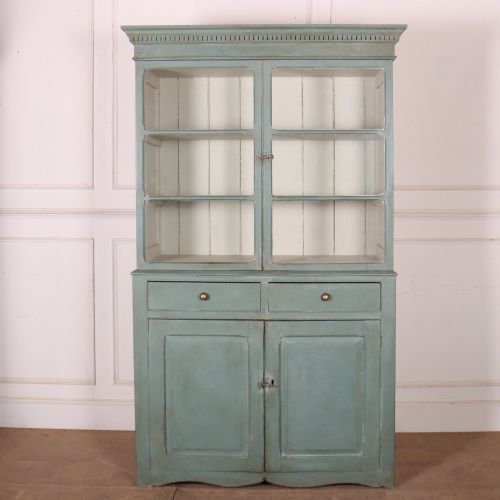
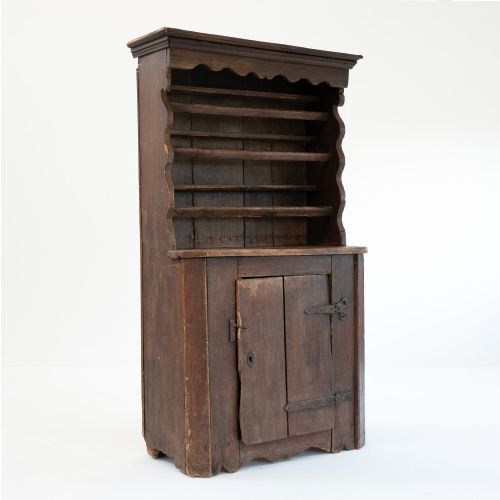
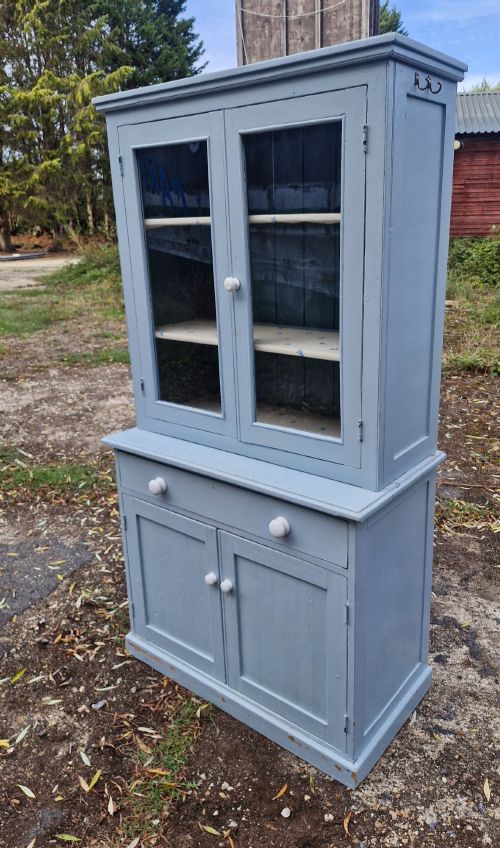
Painted Country Kitchen Cupboard
A painted country kitchen cupboard brings honest utility to a room, offering sturdy storage wrapped in honest layers of historic colour.
Painted Country Kitchen Cupboard
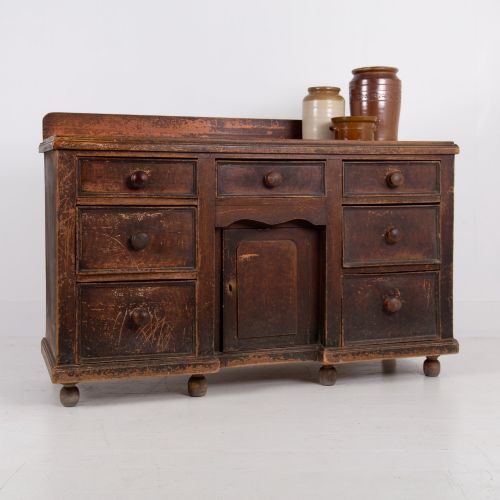
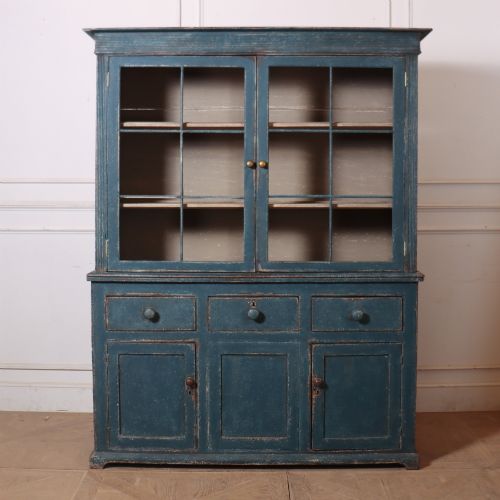
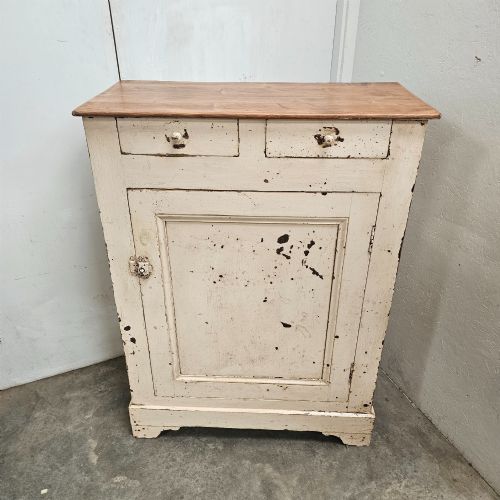
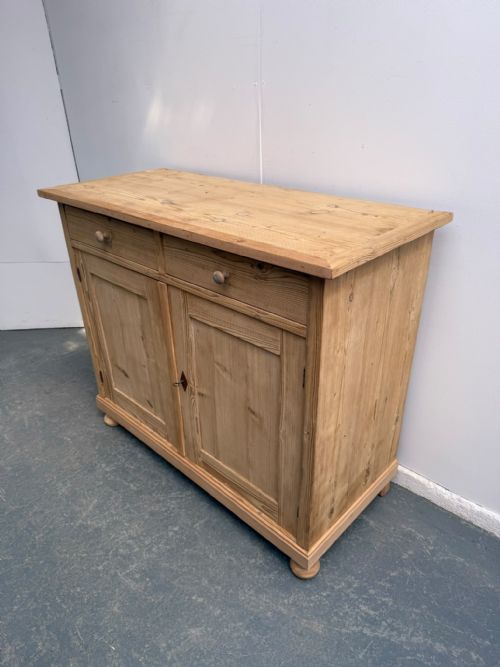
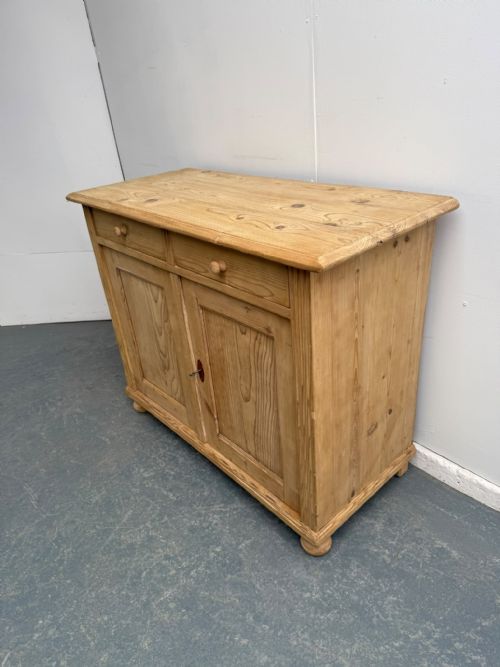
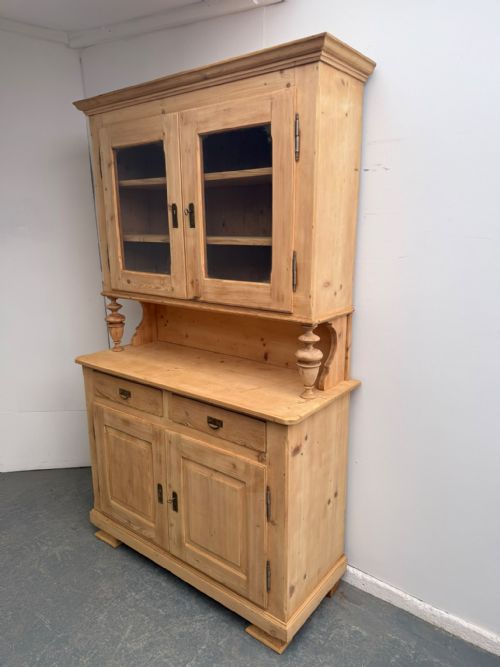
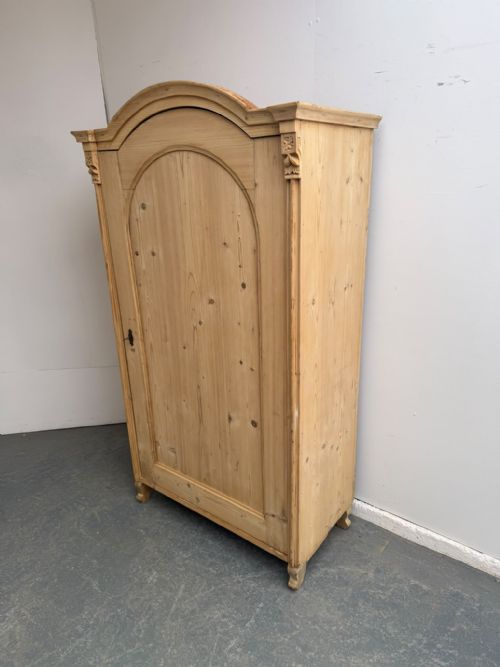
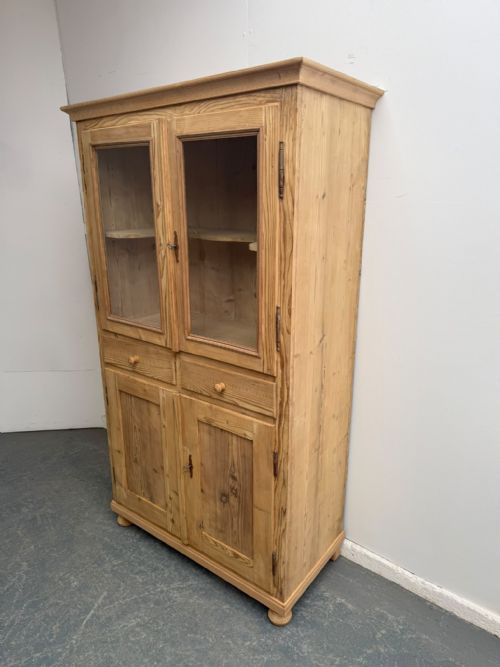
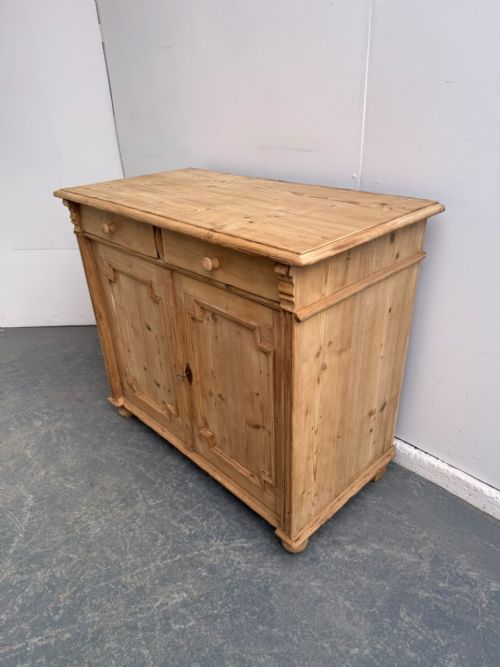
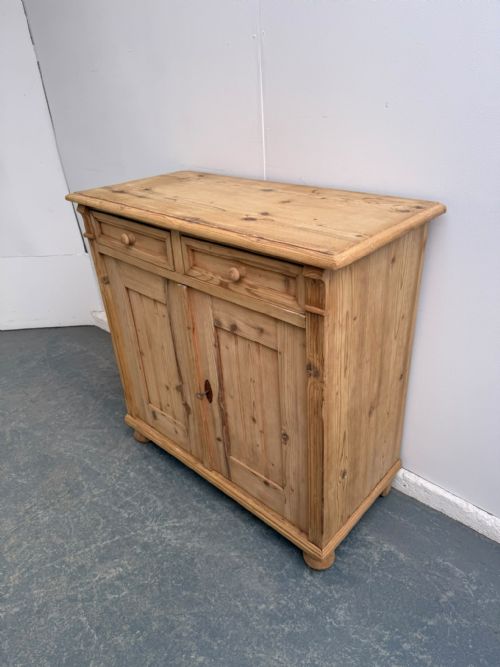
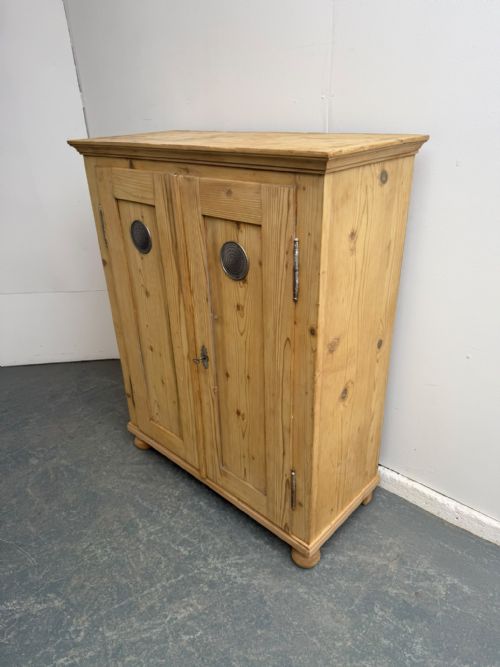
A painted country kitchen cupboard encompasses hardworking storage furniture built to serve domestic spaces across generations. Buyers searching this phrase meet practical forms ranging from tall housekeeper's cupboards and larder units to low dresser bases and glazed display cabinets.
The pieces on this page originate from British, Irish, French, Danish, and Hungarian traditions. English and regional variants, such as West Country and Yorkshire examples, sit alongside Continental pieces like jam cupboards and two-piece dressers.
Dating primarily spans the Georgian, Victorian, and Edwardian eras, stretching back into the late eighteenth century. Pine serves as the predominant structural timber across these diverse regional interpretations.
Materials and Construction
Makers built these utilities predominantly in pine, selected for its availability and workability in regional joinery workshops. Surfaces received coats of paint, sometimes in original historic schemes or later decorative treatments, while hardware relied on brass, iron, and mixed metals.
Construction techniques prioritise function through sturdy panelled doors, dovetailed drawers, and multi-part formats like two-piece dressers or tall housekeeper's units. Ventilation panels, bread slides, and glazed upper sections address specific domestic storage needs for food and kitchenware.
Bread slides built into nineteenth-century dresser bases offered domestic staff a pull-out shelf for slicing loaves away from the main counter.
Distinction in Craft
Quality rests in the integrity of the original proportions and the survival of authentic surface paint rather than applied decorative flourishes. Pieces retaining genuine regional vernacular details and untouched structural timber demonstrate superior heritage.
The sophistication of the joinery and hardware integration separates standard utility items from finer country house examples. Original glazing, intact ventilation slats, and balanced two-part configurations elevate the standing of an individual cupboard.
The Painted Country Kitchen Cupboard Glossary
- Housekeeper's cupboard
- A large tall storage cabinet traditionally used for linens, dry goods, and provisions in large country houses.
- Dresser base
- A low sideboard form featuring cupboards and drawers, designed for food preparation and storage.
- Bread and cheese cupboard
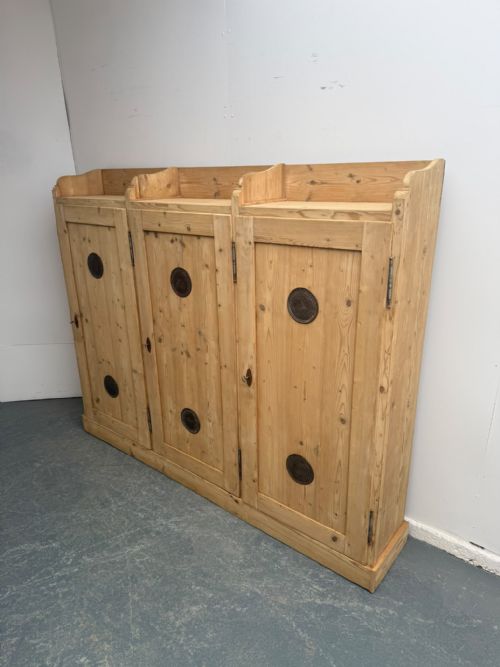
- A regional storage piece featuring ventilated panels or mesh doors to keep perishables fresh before refrigeration.
- Confiturier
- A small French jam cupboard designed to store preserved fruits and provisions.
- Glazed display cabinet
- A piece featuring glass-fronted upper doors intended for exhibiting tableware rather than concealing stores.
Painted Country Kitchen Cupboard: Frequently Asked Questions
What rooms suit a country cupboard?
These cupboards integrate naturally into modern kitchens and dining areas where functional storage meets historic character. Their generous proportions provide practical capacity for dishware, linens, and pantry items.
Outside the kitchen, they anchor hallways or living spaces as statement storage pieces. The painted surfaces introduce warmth and a lived-in texture to contemporary interiors.
How do I identify original paint?
Original paint surfaces show natural wear, mellowing, and multiple micro-layers that reveal age beneath handling points. Brush marks, historic crackle, and undisturbed pigment around iron hardware signal genuine early finishes.
Later overpainting often appears flat or lacks the integrated patina accumulated through decades of domestic use. Inspecting edges and interior surfaces helps determine whether the current colour scheme dates to the piece's creation.
What is a housekeeper's cupboard?
A housekeeper's cupboard is a tall, large-scale storage unit built to hold household stores, linens, and provisions. These imposing pieces typically combine upper shelving with deep lower drawers or cupboards.
Originating in large domestic establishments, they served as the central command station for household management. Today, their commanding vertical presence provides exceptional storage volume for modern homes.
Are these pieces made of solid pine?
The listings on this page consist overwhelmingly of solid pine construction, utilised for its straight grain and regional availability. Carpenters relied on this softwood to build durable carcasses that could withstand heavy daily use.
Backboards and internal shelving occasionally employ secondary timbers, but the primary structure remains solid pine. This uniform material choice contributes to the honest, unpretentious aesthetic of country furniture.
How do I date a painted cupboard?
Dating relies on construction methods, hardware types, and overall architectural proportions rather than the paint layer alone. Hand-cut dovetails, handmade iron hinges, and pegged joints point towards Georgian and early Victorian origins.
Later nineteenth and early twentieth-century examples incorporate machine-sawn timber and more standardised ironmongery. Comparing the carcass construction against regional vernacular styles helps narrow down the period of manufacture.