



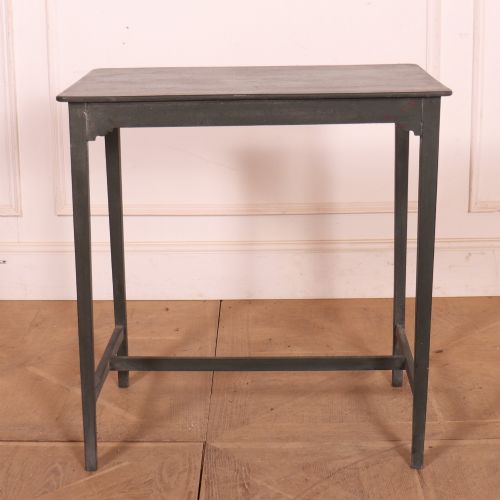

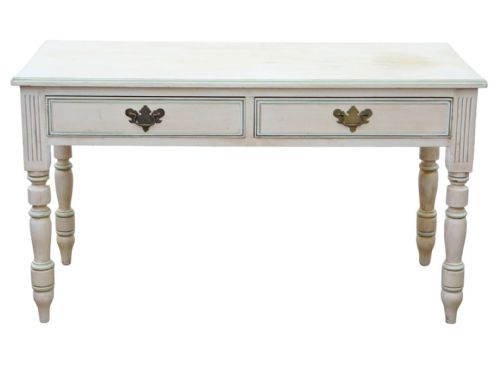
Painted Country Hall Table
A painted country hall table brings domestic utility and rich surface colour to an entranceway through centuries of regional joinery.
Painted Country Hall Table
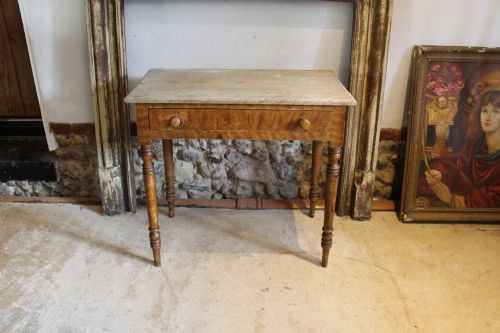
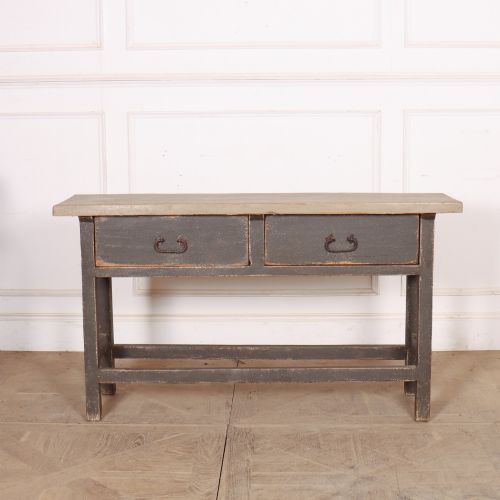
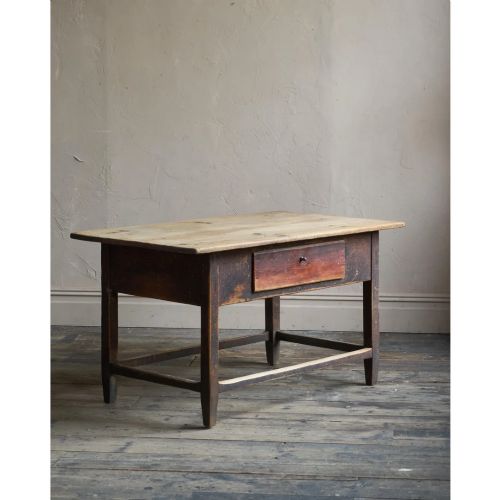
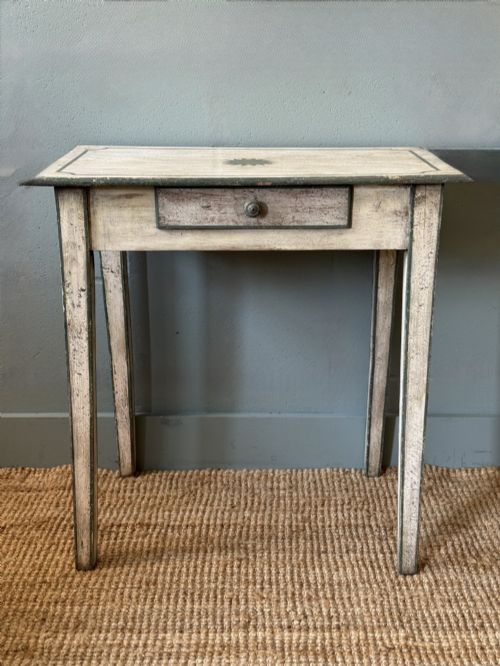
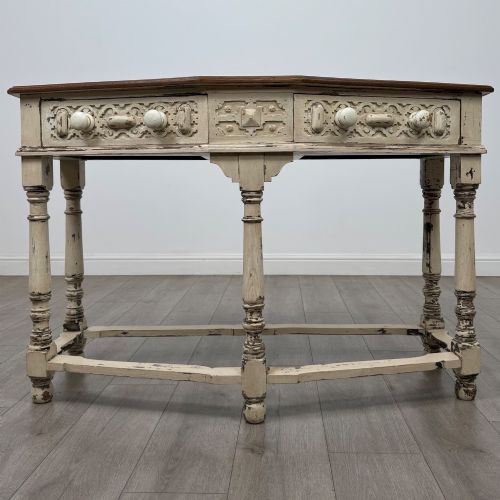
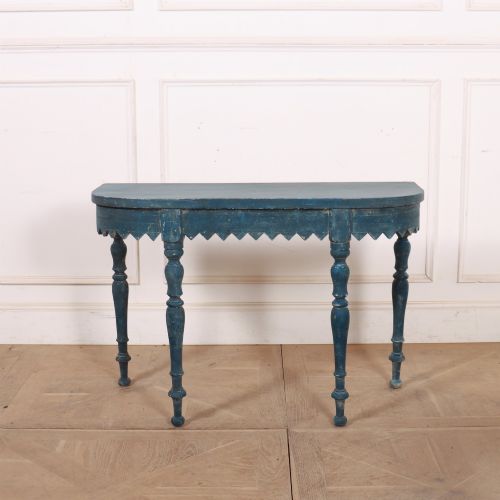
A painted country hall table serves as a functional surface in an entryway, taking forms such as side tables, console tables, dresser bases, and serving tables. These pieces originate from various regional traditions including English Country, Scandinavian Country, and French Provincial styles.
The items seen here span several distinct periods, reaching from the seventeenth century through the Georgian and Victorian eras into the early twentieth century. Buyers most frequently encounter pine and oak examples carrying layers of paint that have settled over decades of domestic use.
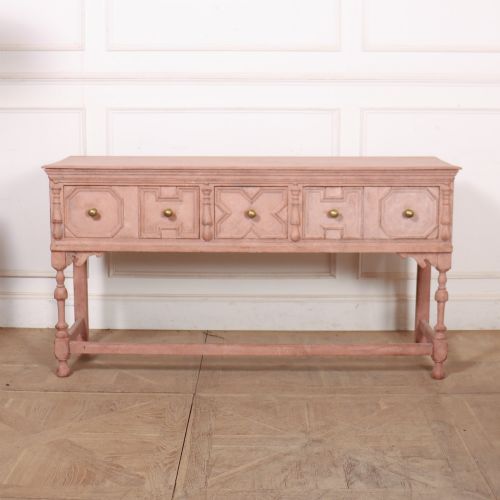
Forms vary from narrow console tables designed for tight corridors to substantial dresser bases and servers with drawers and potboards. Each piece reflects the utilitarian needs of rural households where sturdy timber construction met simple, practical design.
Materials and construction methods
Joiners relied heavily on homegrown softwoods and hardwoods like pine and oak, frequently shaping fruitwood or general painted timber for specific commissions. Construction prioritized strength and stability, employing box stretchers, drawer runners, and substantial top boards to withstand daily household demands.
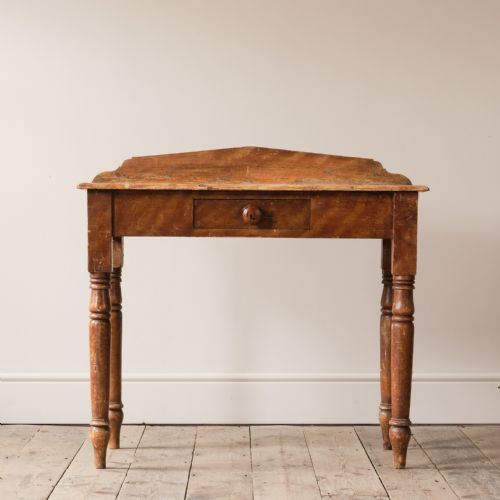
Surfaces were coated in oil- or water-based paint systems, sometimes utilising scumble techniques or hand-painted finishes to emulate finer materials or simply to protect the underlying wood. Over generations, these paint layers developed natural wear patterns, crazing, and patination unique to each piece.
Table forms range from compact lamp tables and washstands to wide dresser bases and serving tables.
Assessing quality and character
Quality rests in the integrity of the original joinery and the survival of early or original paint surfaces rather than smooth factory perfection. Tables featuring untouched structural timbers and undisturbed historical paint layers hold greater interest than those stripped down or heavily restored.
Proportion and utility also dictate distinction, where narrower console depths, balanced drawer configurations, and interesting regional quirks such as potboards or box stretchers elevate a piece above standard utilitarian furniture.
The Painted Country Hall Table Glossary
- Scumble
- A decorative painting technique involving layers of translucent colour dragged or wiped over a lighter base to create mottled grain effects. This finish was widely applied during the Victorian period to simulate more expensive timbers.
- Potboard
- A lower open shelf incorporated into the base of a dresser or serving table, traditionally used for storing heavy pots and domestic utensils. It adds significant structural stability to the frame.
- Dresser base
- A low, heavy table fitted with drawers across the front, standing independently without the upper plate rack. These pieces served as primary food preparation and storage units in country houses.
- Demi-lune
- A half-moon shape used for console tables designed to sit flush against a wall in narrow hallways. This curved silhouette saves floor space while providing an adequate surface for lamps or ornaments.
- Box stretcher
- A system of horizontal wooden rails connecting the lower legs of a table on all four sides to increase rigidity. Joiners added these supports to furniture destined for heavy rural use.
Painted Country Hall Table: Frequently Asked Questions
Where should I place a console table?
These narrow tables suit entrance halls, narrow corridors, and tight landings where floor space is limited. Their shallow profiles allow them to sit flat against walls without obstructing passage.
They also function effectively behind sofas or in dining rooms as serving surfaces, holding lamps, bowls, and daily items.
How do I care for original paint?
Original painted surfaces require gentle treatment using a dry microfiber cloth or a very slightly damp cloth for light dust. Avoid harsh chemical cleaners, modern furniture polishes, or abrasive pads that can strip fragile historical layers.
Wax can sometimes be applied cautiously if the paint is stable and dry, but non-invasive dusting remains the safest preservation method.
How do I date a wooden table?
Dating relies on observing tool marks, timber selection, fastener types like handmade nails, and construction joints such as dovetails. Oak framing points toward earlier centuries, while Victorian and Edwardian examples often utilise softer pine with machine-sawn elements.
Paint analysis and historical wear patterns further help place a piece within Georgian, Victorian, or later country traditions.