




Painted Church Panel
These painted church panel listings offer architectural stained glass, sacred icons, and rustic signage spanning from the sixteenth century to the Edwardian era.
Painted Church Panel
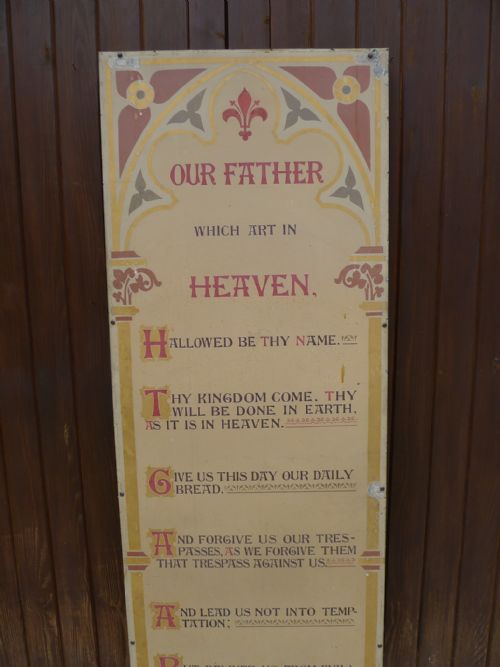
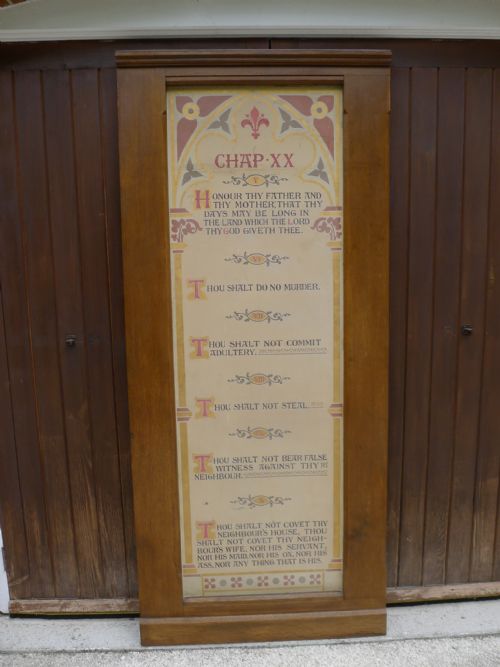
A painted church panel brings ecclesiastical history and vernacular craft into domestic interiors, ranging from illuminated religious texts salvaged from tin tabernacles to Russian icons painted with tempera on wood. Buyers exploring this category encounter a diverse selection of wall art, architectural windows, and carved reliefs.
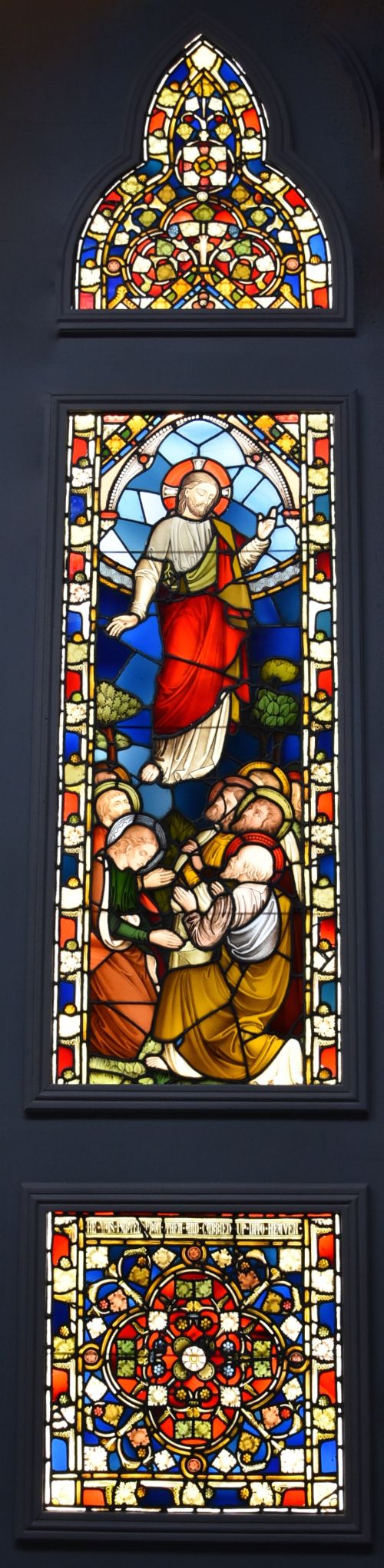
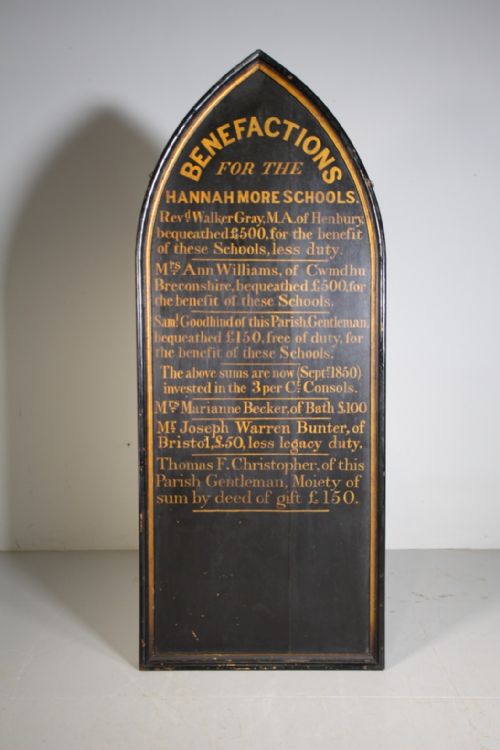
The most common iterations on this page combine timber, lead, and glass within Gothic Revival, Victorian, and rustic farmhouse frameworks. Pieces vary from arched stained glass windows depicting countryside scenes to carved wooden panels featuring religious imagery.
Origins stretch across European traditions, including English church glass, Russian Orthodox iconography, and Welsh painted signage. Each form carries the distinct patina of its original devotional or architectural setting.
Factors influencing quality and character
Quality rests in the preservation of the original painted surface, the complexity of the hand-painted details, and the integrity of the structural materials. Finer examples display meticulous brushwork on icons or well-preserved leading in stained glass windows.
The depth of historical provenance and the coherence of the decorative style also distinguish superior works. Pieces retaining their original church fixtures or documented origins hold greater stylistic authority.
Materials across these listings include lead, wood, glass, paint, stained glass, gold leaf, pine, and metal.
Volga Masters
The Painted Church Panel Glossary
- Icon
- A devotional painting, typically on wood, depicting sacred persons or figures, especially associated with Eastern Orthodox traditions. These are executed in tempera or oil with gold and silver accents.
- Tin tabernacle
- A prefabricated corrugated iron church or chapel popular in the nineteenth and early twentieth centuries. Interiors often featured illuminated religious texts on wall-mounted panels.
- Stained glass
- Coloured or painted glass assembled with lead cames to form pictorial windows and panels. These frequently adopt Gothic Revival or Victorian architectural motifs.
- Triptych
- A picture or carving on three panels, hinged together side by side and folded open as an altarpiece or wall art. They often illustrate religious narratives such as the Passion of Christ.
- Tempera
- A permanent, fast-drying painting medium consisting of coloured pigment mixed with a water-binder agent, commonly egg yolk. It is frequently found on early wood panels and icons.
Painted Church Panel: Frequently Asked Questions
Where did these painted church panels originate?
The pieces originate from various religious and secular environments, including English churches, Russian Orthodox settings, and Welsh workshops. Many were salvaged from nineteenth-century tin tabernacles or Gothic Revival chapels.
Architectural salvage and ecclesiastical dismantling often liberated these panels, preserving decorative signs, window frames, and devotional art for domestic display.
How do I hang a heavy wooden panel?
Wall-mounting these substantial timber or leaded glass pieces requires secure fixing into solid masonry or stud work. Heavy items such as display signs and carved reliefs need appropriate brackets that can support their combined wood and metal weight.
Consulting a professional installer ensures the structural safety of hanging large architectural salvage securely on domestic walls.
How do I tell an icon from a window?
Icons are painted directly onto solid wood panels using media such as tempera or oil, often featuring religious figures like the Passion of Christ. Stained glass windows utilise lead cames to hold coloured and painted glass panels that transmit light.
Examining the backing reveals whether the piece relies on opaque timber or transparent glass to display its painted subject matter.
What periods do these pieces span?
The inventory spans multiple centuries, beginning with sixteenth-century carved wood reliefs and seventeenth-century double-sided paintings. Eighteenth-century Russian icons and nineteenth-century Gothic Revival stained glass form the bulk of the chronological range.
Turn-of-the-century pieces from around nineteen hundred, alongside Edwardian display signs, represent the later boundary of the collection.