
Painted Chinoiserie Cupboard
A painted chinoiserie cupboard brings rich lacquer work, figures, and outdoor scenes into a room.
Painted Chinoiserie Cupboard
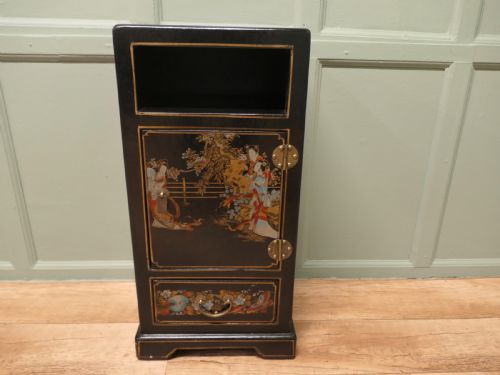
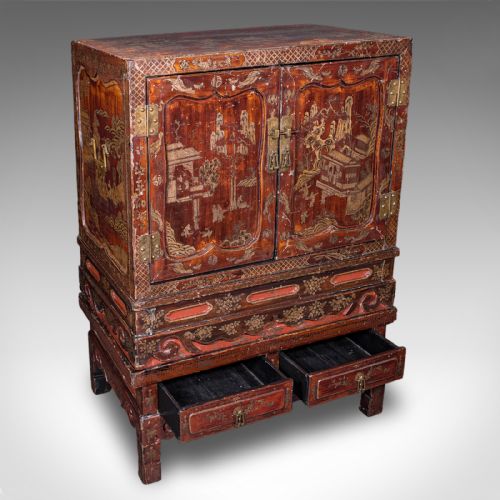
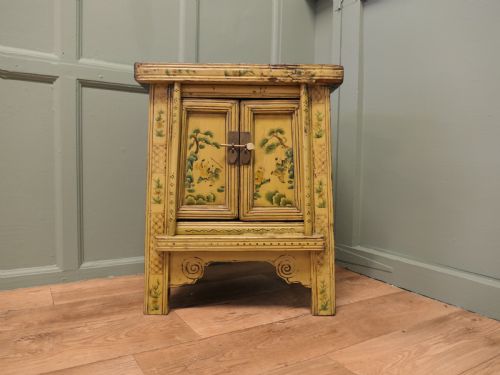
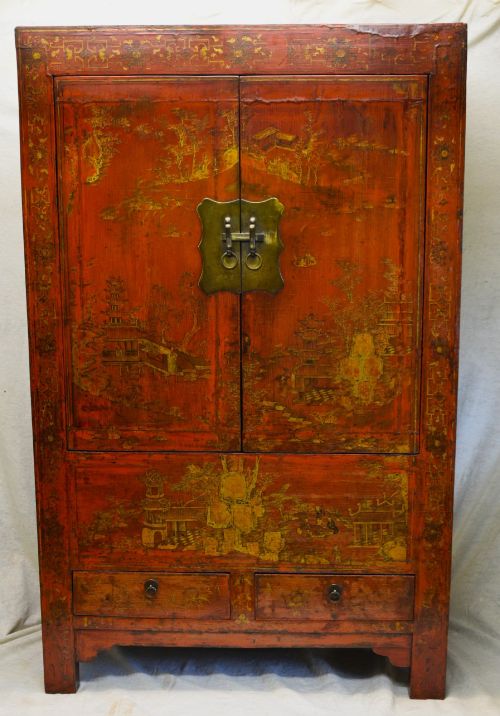
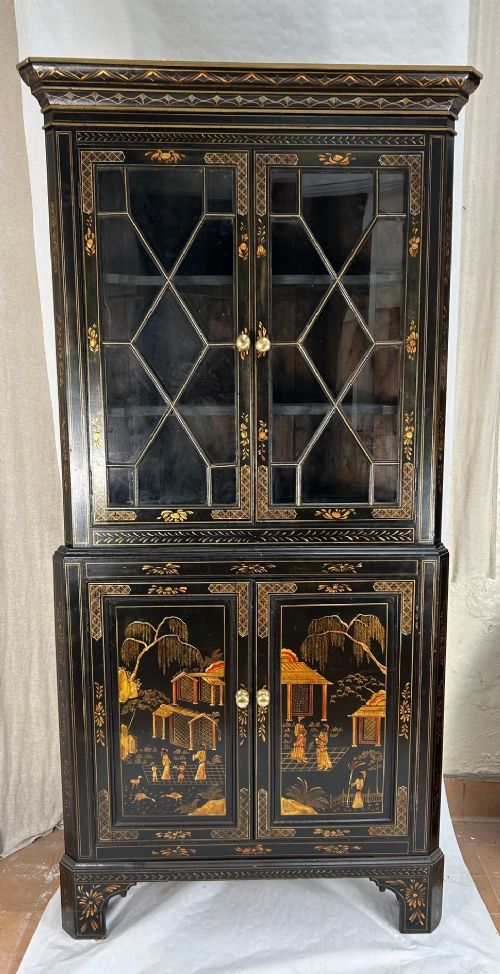
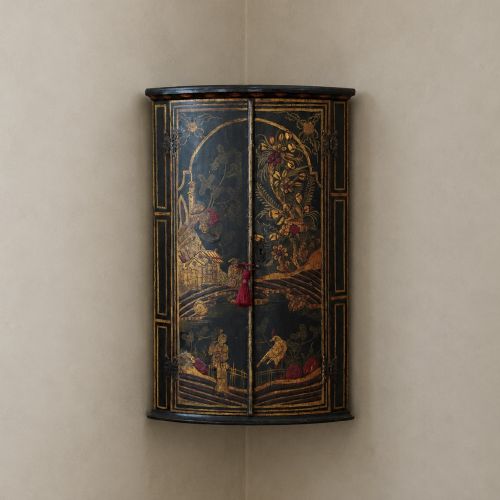
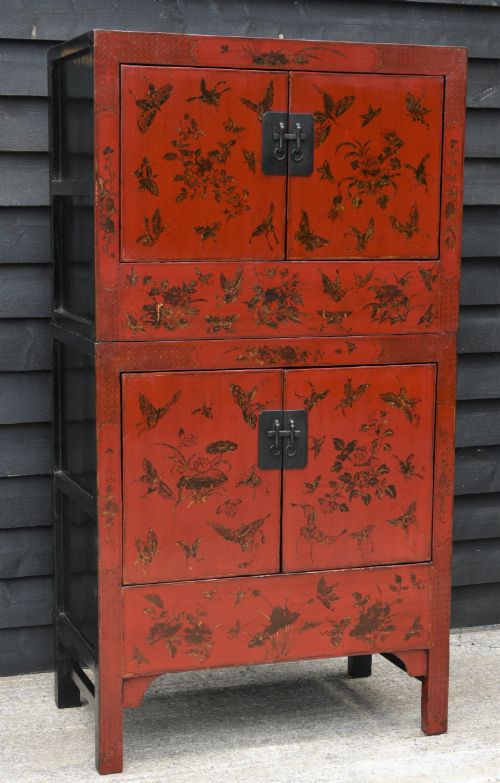
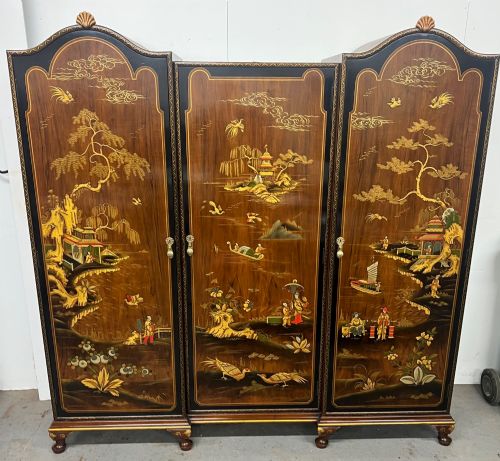
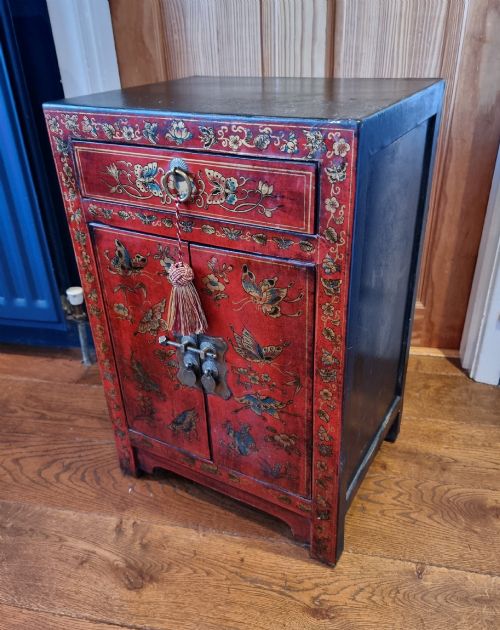
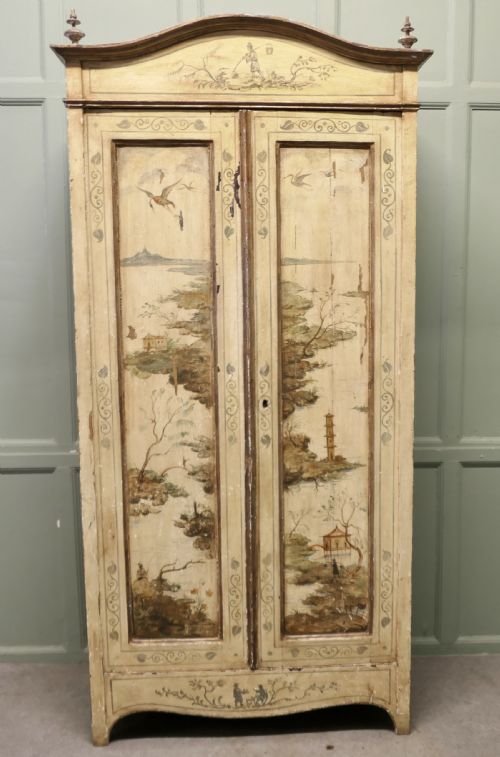
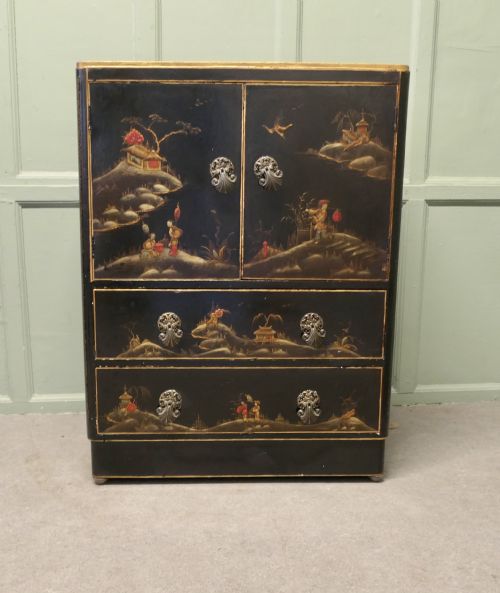
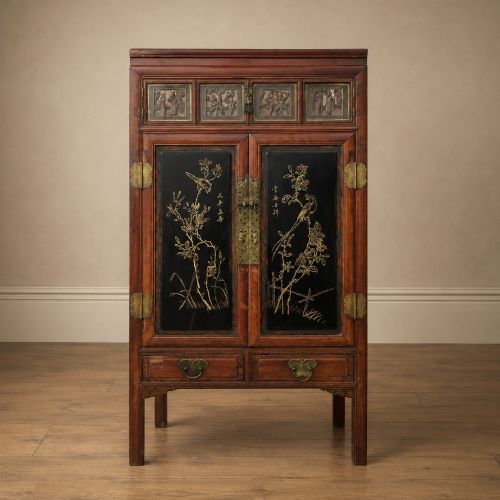
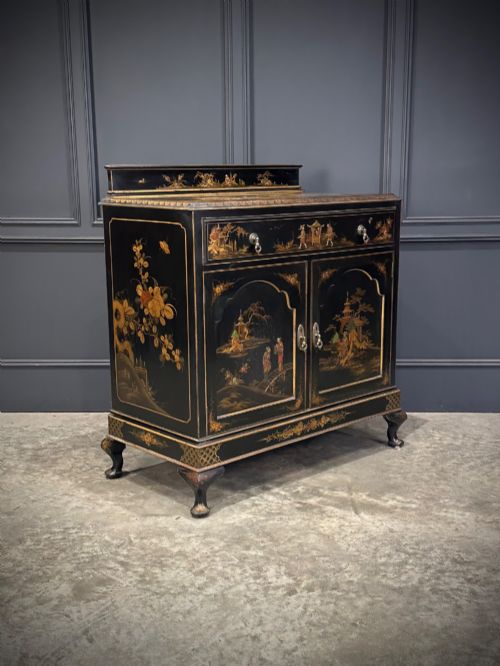
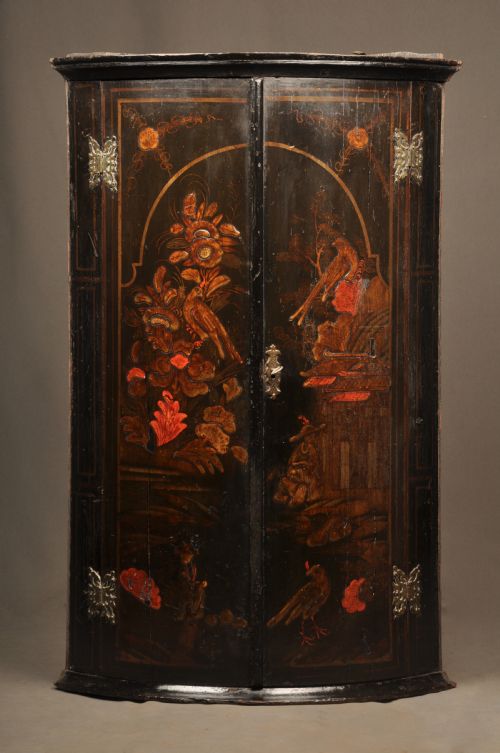
A painted chinoiserie cupboard is a storage piece finished in lacquer or paint with traditional Chinese motifs. When searching for this phrase, a buyer finds cabinets, side cabinets, and corner cupboards ranging across centuries.
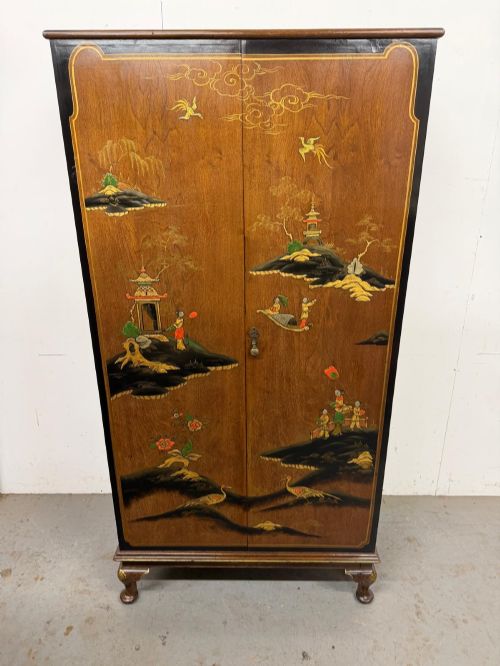
The most common versions met on this page date from the nineteenth and early twentieth centuries, including Edwardian and Art Deco examples. These pieces vary from compact corner cupboards to large wardrobes and drinks cabinets.
Origins stretch from eighteenth-century English interpretations to Chinese pieces from the Qing Dynasty. Styles span traditional Chinese, Chinoiserie Revival, and the Aesthetic Movement.
How they were made
Construction relies primarily on wood, lacquered wood, and painted wood, often accented with brass hardware and glass. Artisans built carcasses using traditional joinery before applying layers of paint and lacquer.
Decoration involves detailed painting and gilding to create outdoor scenes, birds, and flowers. Japanned techniques appear alongside traditional Chinese red and black lacquering methods.
Listings feature periods spanning from the 18th century through the Georgian and Victorian eras, up to 1930 and Art Deco designs.
What varies in quality
The depth of the lacquer finish and the complexity of the painted decoration separate standard examples from finer pieces. Hand-applied detail in the outdoor scenes and figures shows the skill of the maker.
The integration of stands, brass mounts, and the preservation of original surfaces dictate the distinction between periods. Eighteenth-century and early nineteenth-century pieces display different structural joinery compared to later twentieth-century revivals.
Maples and Co·Harrods
The Painted Chinoiserie Cupboard Glossary
- Chinoiserie
- European artistic styles reflecting Chinese motifs and decorative techniques. This style gained popularity across the eighteenth century and saw revivals in the nineteenth and twentieth centuries.
- Japanned
- European-made lacquer work imitating Asian lacquer. This finish involves building up layers of varnish and paint, often cured and polished.
- Compactum
- A type of fitted wardrobe combining hanging space with drawers and shelves. These tall storage units often feature painted panels.
- Gilt
- Gold leaf or gold paint applied to surfaces. This highlights carved details, borders, and figures on the cupboard doors.
Painted Chinoiserie Cupboard: Frequently Asked Questions
Where should I place a corner cupboard?
A corner cupboard fits neatly into unused room angles while providing practical storage space. These pieces make effective use of small rooms without crowding the floor area.
Pair a corner cupboard with traditional seating or position it to display decorative items on top. The bow front and flat back designs suit different wall configurations.
How do I tell an 18th-century piece apart from a 1930s revival?
Eighteenth-century pieces display hand-cut timber joinery and aged lacquer surfaces that reflect early European or Asian workshops. The weight of the wood and the wear patterns on the base help indicate true age.
Twentieth-century revivals, such as Art Deco cocktails cabinets or 1930s side cupboards, use machine-cut framing and modern hardware. The painting style on later pieces often employs brighter reds and blacks typical of the period.
What is a cocktail cabinet used for?
A cocktail cabinet stores glassware, bottles, and bar accessories for entertaining guests. These pieces often feature drop-front shelves that serve as mixing surfaces.
Inside, mirrored backs and glass panels hold drinks preparation equipment. The exterior lacquer protects the wood from accidental spills.
How do I clean a lacquered wooden surface?
Dust lacquered surfaces gently with a soft, dry cloth to prevent scratching the delicate paintwork. Avoid using chemical sprays or excess water on the finish.
Keep the cupboard away from direct sunlight and heat sources to protect the lacquer from cracking. Regular gentle dusting maintains the sheen of the gilt and paint.