


Antique Corner Storage Unit
An antique corner storage unit is a clever space-saving cabinet designed to fit neatly into domestic angles, bringing period timber and proportion into neglected rooms.
Antique Corner Storage Unit
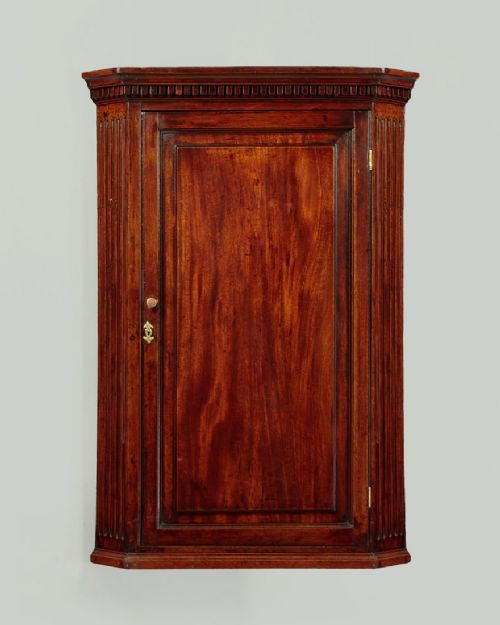
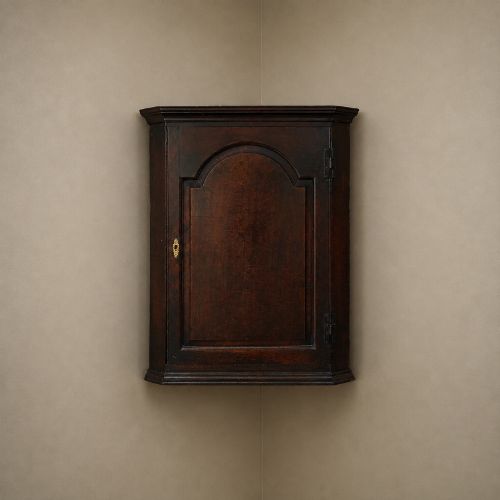
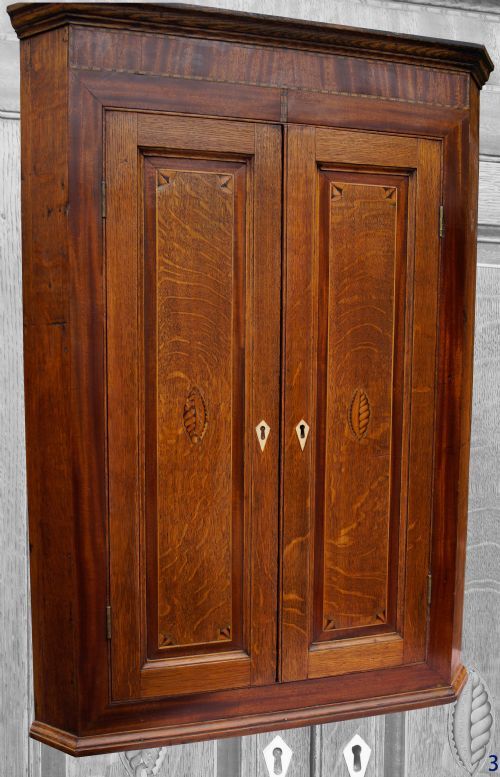
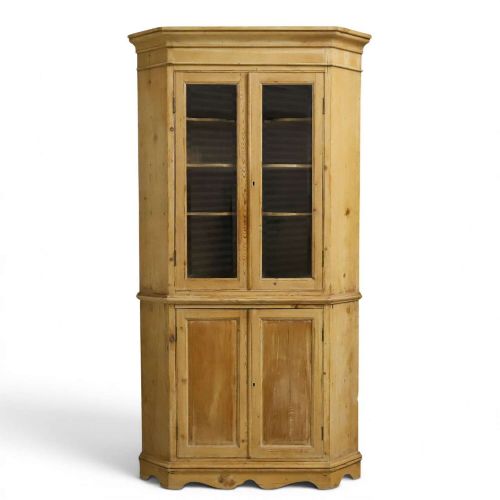
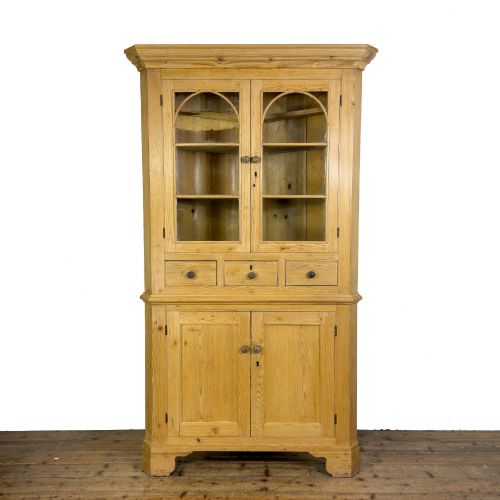
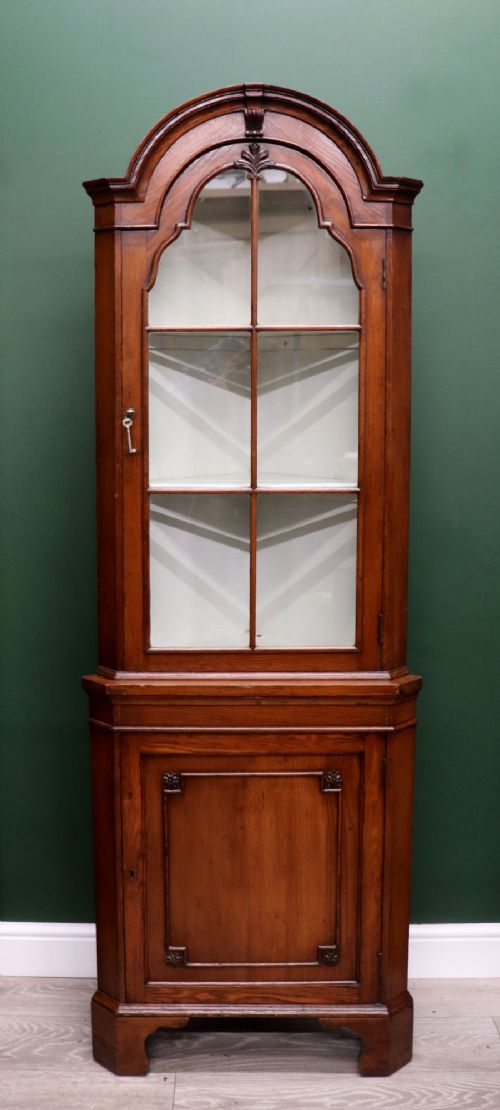
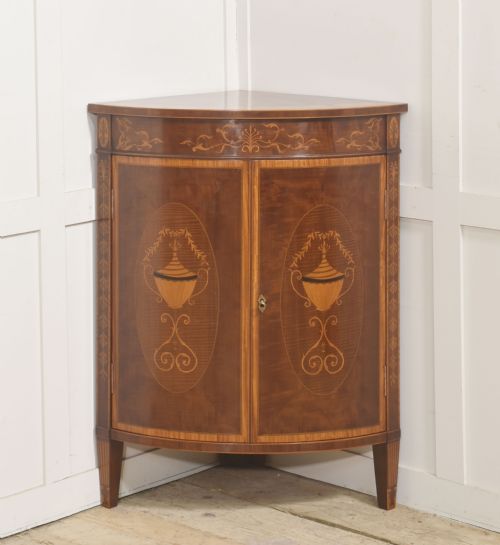
When you search for an antique corner storage unit, you encounter a specialised form of cabinetry designed to utilise the 90-degree junction of two walls. These pieces range from compact wall-hanging designs to substantial floor-standing cupboards and two-part units.
The selections span multiple centuries, with Georgian and 19th-century examples forming the core of what you meet. Oak and mahogany dominate the timber choices, frequently appearing alongside rustic pine and walnut.
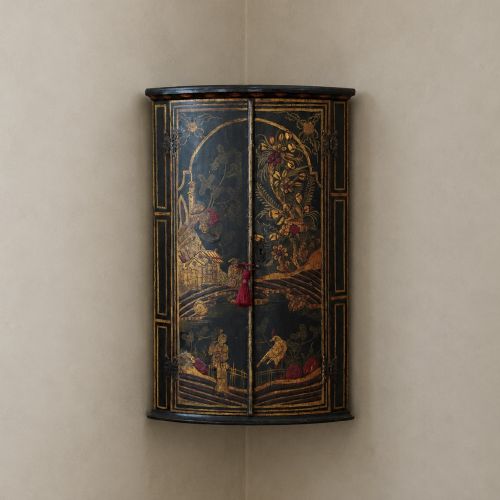
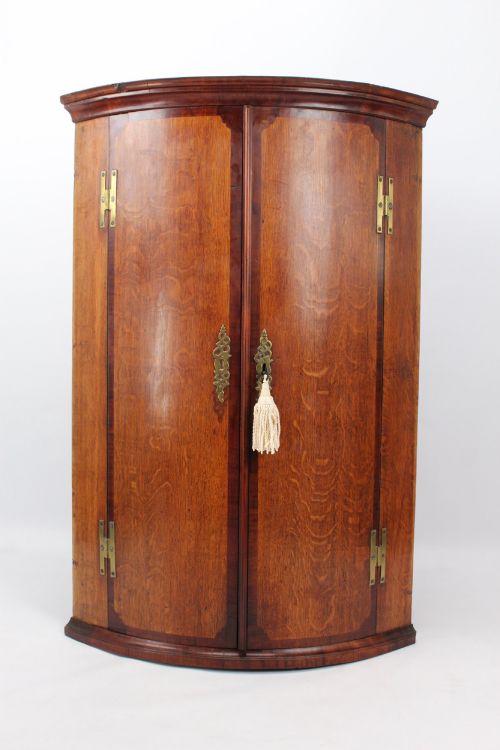
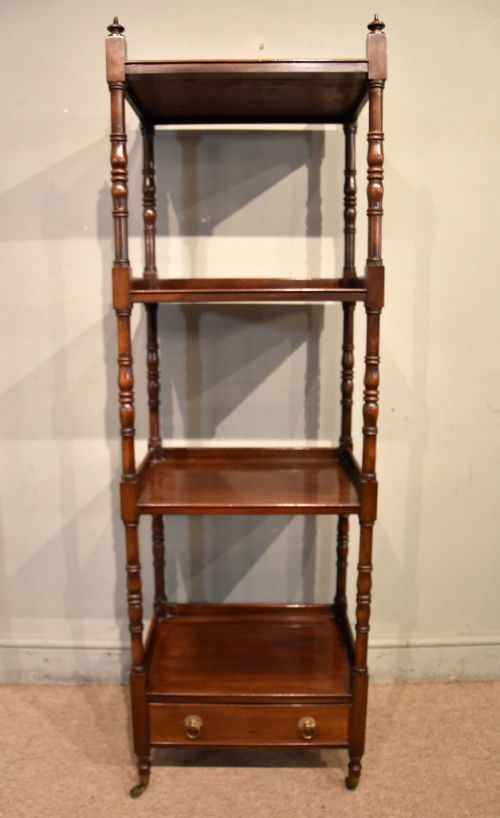
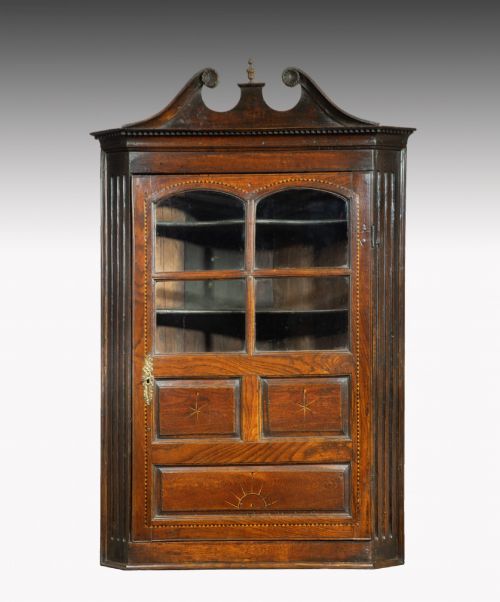
Forms vary significantly, encompassing bow front profiles, glazed display doors, open tiered whatnots, and occasional chinoiserie decoration. You will find both wall-mounted vessels and tall standing cupboards designed to anchor a room.
What varies in quality
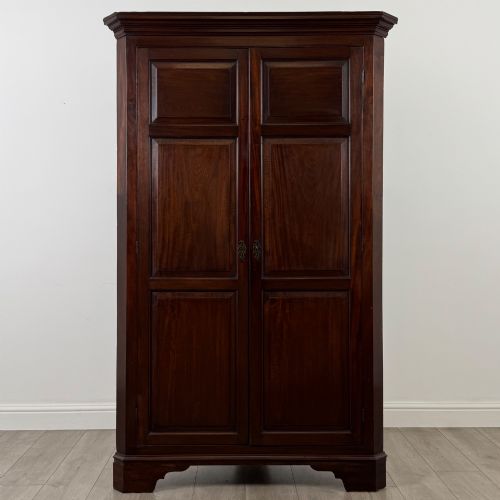
Quality reveals itself in the selection of timber and the precision of the cabinet work. Dense Cuban mahogany or well-figured quarter-sawn oak sits at the upper end, while simpler pine versions offer a domestic country aesthetic.
Refinement of detail distinguishes formal urban pieces from rustic regional examples. Fine panel work, inlaid stringing, and well-proportioned cornices elevate the architectural presence of a cabinet.
Current listings demonstrate a strong presence of Georgian and Victorian periods, utilising primary materials such as oak, mahogany, and pine.
The Antique Corner Storage Unit Glossary
- Bow front
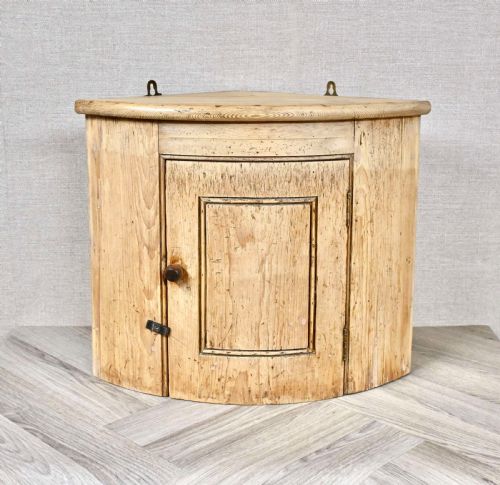
- A convex curved cabinet front that projects outward, commonly seen on Georgian and 19th-century examples. This curved form softens the sharp angles of a room.
- Wall hanging
- A cabinet designed to be mounted directly to wall studs rather than resting on the floor. These typically feature smaller proportions and hanging brackets.
- Two-part form
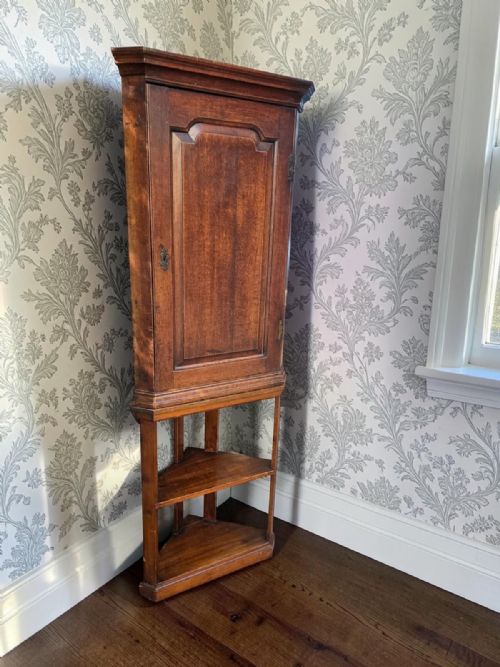
- A piece constructed in separate upper and lower sections stacked together. This modular approach aided transport into domestic interiors.
- Chinoiserie
- European decorative style employing imitation Chinese motifs and lacquerwork. It appears on selected 19th-century painted cabinets.
- Whatnot
- An open set of tiered shelves designed for displaying ornaments. These lightweight stands occupy corners in late 19th-century settings.
Antique Corner Storage Unit: Frequently Asked Questions
How do I secure a wall-hanging corner cupboard?
Wall-hanging cupboards require sturdy fixings screwed directly into structural timber studs or solid masonry behind the plaster. Because period oak and mahogany cabinets carry substantial weight, reliable wall anchors prevent any forward tipping.
Ensure the internal hanging brackets or screw holes are sound before loading the shelves with heavy ceramic or glass collections.
What is the difference between floor standing and wall hanging?
Floor standing units rest entirely on a plinth, bracket feet, or stand independently in the room. They offer larger storage capacities, sometimes featuring lower cupboards or drawer chests.
Wall hanging versions save floor space entirely and sit at eye level, making them practical for smaller rooms or above furniture.
Can I use these cabinets for modern glassware?
Many period corner units feature deep interior triangular shelving suitable for modern tableware and glassware collections. Glazed doors protect contents from dust while allowing visibility.
Measure the internal depth carefully, as the triangular shape narrows sharply toward the back corner.