


Vintage Chinoiserie Cupboards
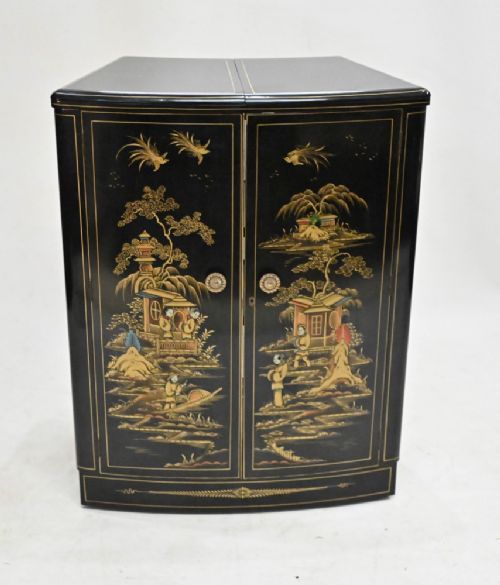
These vintage chinoiserie cupboards bring painted lacquer scenes and bold character to a room.
Vintage Chinoiserie Cupboards
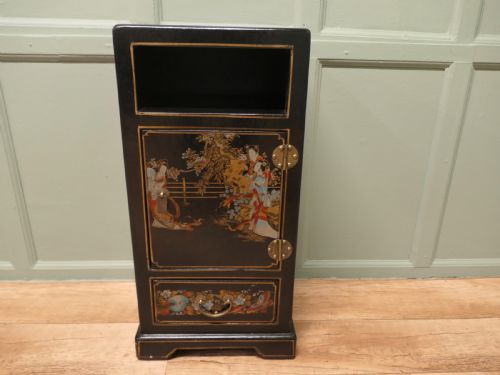
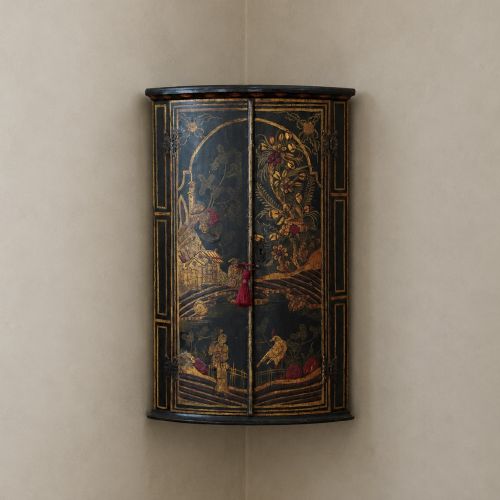
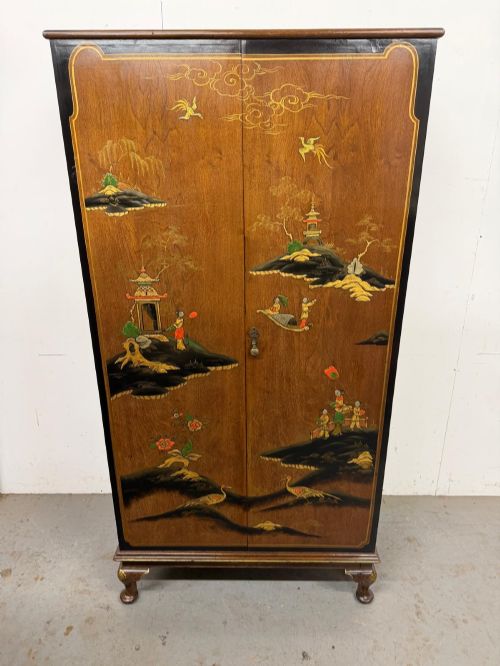
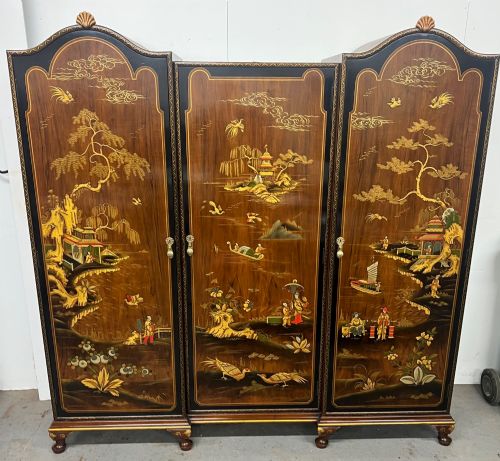
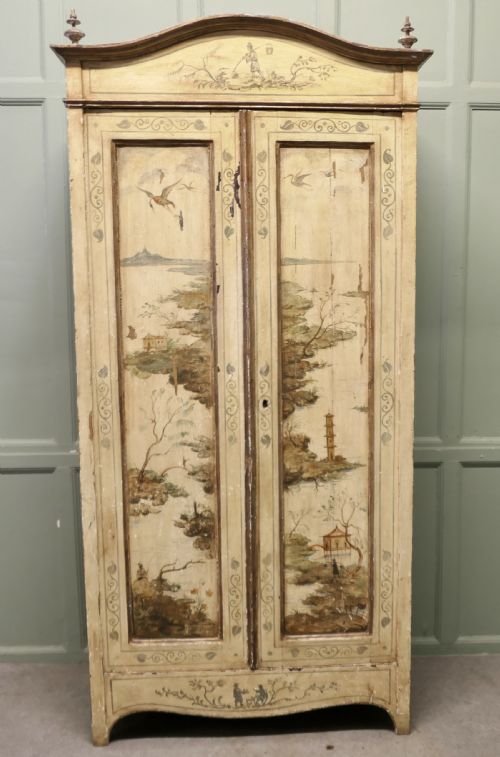
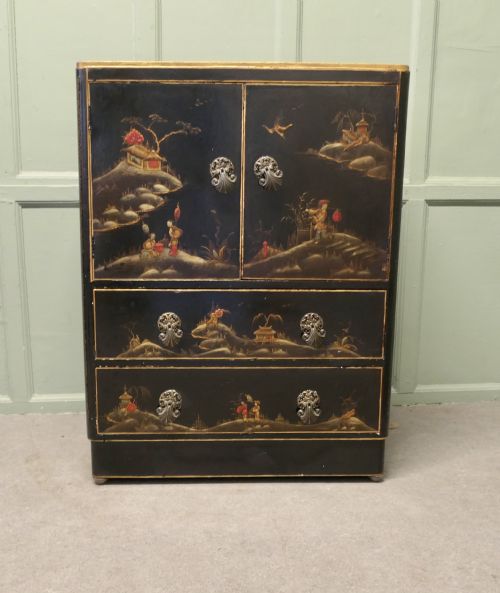
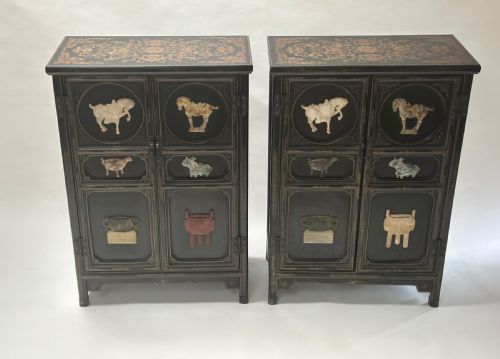
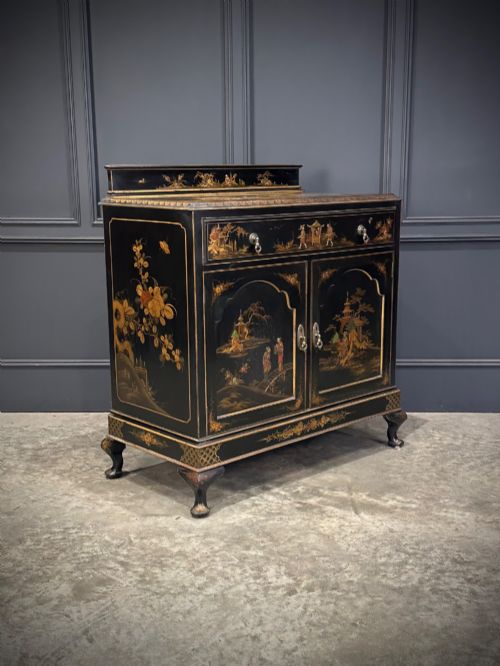
When you search for vintage chinoiserie cupboards, you are looking at storage pieces decorated with painted or lacquered Asian-inspired motifs. These items range from compact side cabinets and corner cupboards to larger cocktail cabinets and wardrobes.
You are most likely to meet early twentieth-century examples on this page, particularly pieces from the 1920s and 1930s featuring black or coloured lacquer grounds. Earlier nineteenth-century and Georgian pieces also appear, offering traditional corner cupboard and cabinet formats.
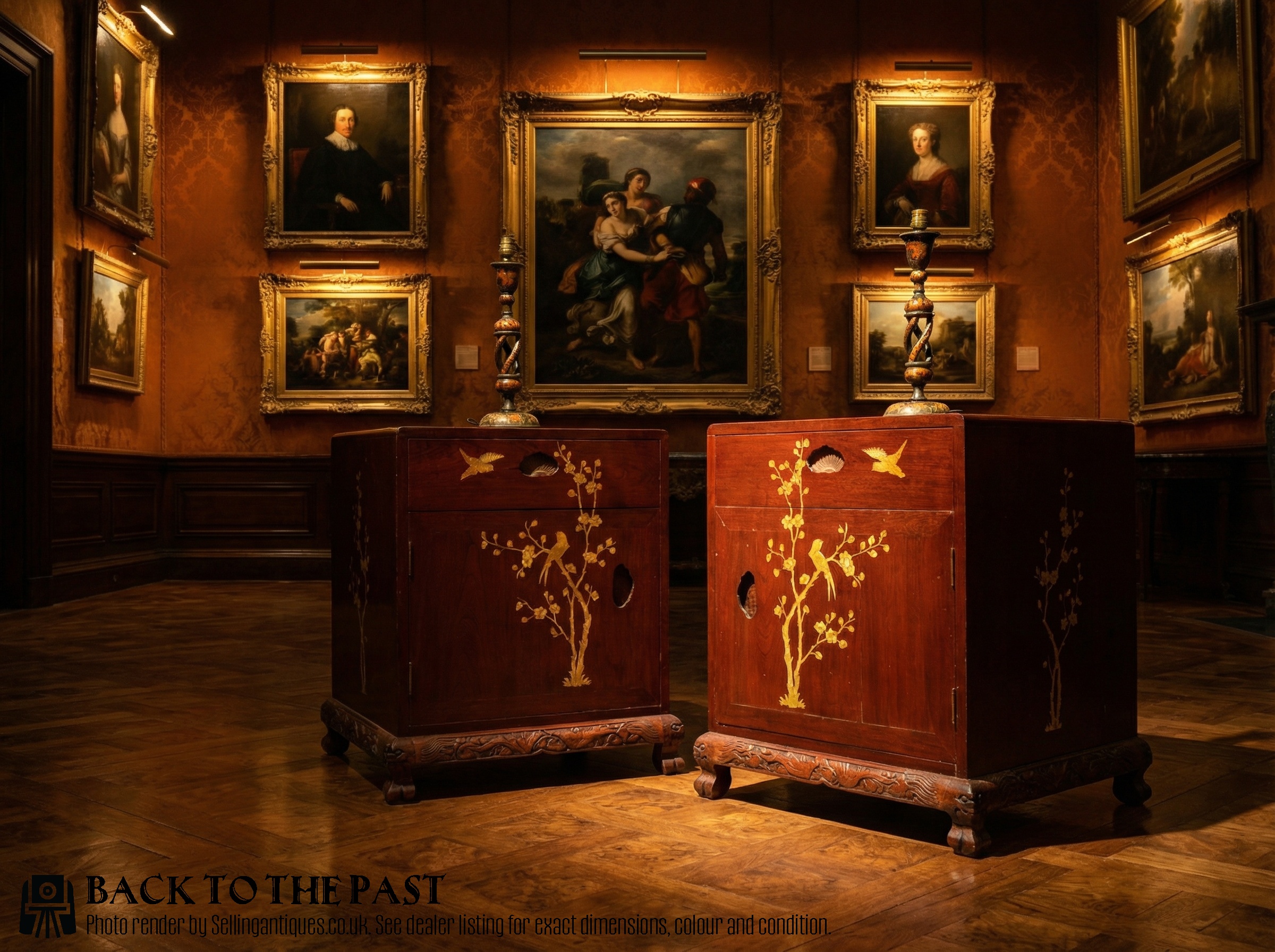
The forms span side cabinets, drinks cabinets, and wardrobes, often enriched with hand-painted outdoor scenes, birds, and flowers. Buyers choose them to introduce decorative colour and historical texture into modern or traditional interiors.
How they were made
Makers built these pieces using woods such as mahogany, applying layered lacquer surfaces in black, red, green, or yellow. Brass hardware such as hinges and handles provided functional contrast to the decorated wooden structures.
Surface decoration relied on painted details and gilding to depict figures, landscapes, and botanical subjects. Japanning techniques were frequently utilised to emulate East Asian lacquerwork on European furniture forms.
Listings feature pieces spanning from the 18th century through to the 1930s, including Edwardian and Art Deco examples.
What varies in quality
The depth of the lacquer finish and the complexity of the painted scenes separate standard examples from finer ones. Superior pieces display intricate hand-painted detailing depicting outdoor scenes, birds, and flowers with precise brushwork.
The quality of the underlying cabinetry, including the selection of mahogany or other timbers and the execution of brass mounts, dictates the durability and standing of the piece. Well-preserved surfaces with minimal craquelure or loss to the gilding retain greater visual coherence.
Maples & Co.·Harrods
The Vintage Chinoiserie Cupboards Glossary
- Chinoiserie
- European artistic styles reflecting Chinese and East Asian motifs, popular in furniture decoration. It encompasses painted scenes of figures, pavilions, and gardens.
- Japanning
- A European imitation of East Asian lacquer work, involving layered varnishes and heat-cured finishes. This technique created glossy black or coloured surfaces decorated with gold leaf.
- Compactum
- A multi-compartment wardrobe or fitted storage cabinet designed to hold various types of clothing efficiently. These pieces combine hanging space with drawers and shelves.
- Cocktail cabinet
- A specialised piece of furniture designed for storing drinks, glassware, and mixing equipment, popular during the Art Deco period. They often feature mirrored interiors and drop-down serving surfaces.
Vintage Chinoiserie Cupboards: Frequently Asked Questions
What is a chinoiserie cocktail cabinet?
A chinoiserie cocktail cabinet is a drinks storage unit decorated with painted Asian-inspired lacquer scenes. These pieces often date from the 1920s and 1930s and combine utility with striking decorative surfaces.
They serve as focal points in living spaces, opening to reveal specialised storage for bottles and glassware.
How do I date a corner cupboard?
Dating a corner cupboard involves examining the timber, construction methods, and decorative style. Eighteenth-century and Georgian examples typically feature solid wood construction and traditional joinery.
Later nineteenth-century and Edwardian pieces show different hardware and surface treatments, while 1920s and 1930s variants often incorporate vibrant black or coloured lacquer.
Where should I place a side cabinet?
A side cabinet works well in a hallway, dining room, or living area where its decorative lacquer surface can be appreciated. These pieces provide functional storage while adding colour and pattern to the room.
Ensure the cabinet is positioned away from direct sunlight to protect the painted and gilded details from fading.
What is the difference between japanning and lacquer?
Japanning is a European technique developed to imitate genuine East Asian lacquer work using varnishes and heat-cured layers. True lacquer traditionally uses sap from specific Asian trees, whereas japanning relies on European resin varnishes.
Both methods create durable, glossy surfaces that serve as a base for painted gold and coloured motifs.