




Painted Ceramic Wall Plate
A painted ceramic wall plate brings colour, pattern and history directly onto a room's vertical surfaces.
Painted Ceramic Wall Plate
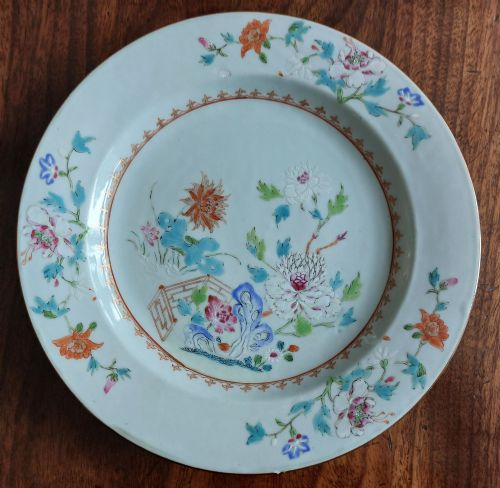
A painted ceramic wall plate spans centuries of domestic display, ranging from seventeenth-century tin-glazed earthenware to twentieth-century porcelain. When searching for a painted ceramic wall plate, buyers encounter chargers, cabinet plates and decorative dishes produced across Britain, Europe and Asia.
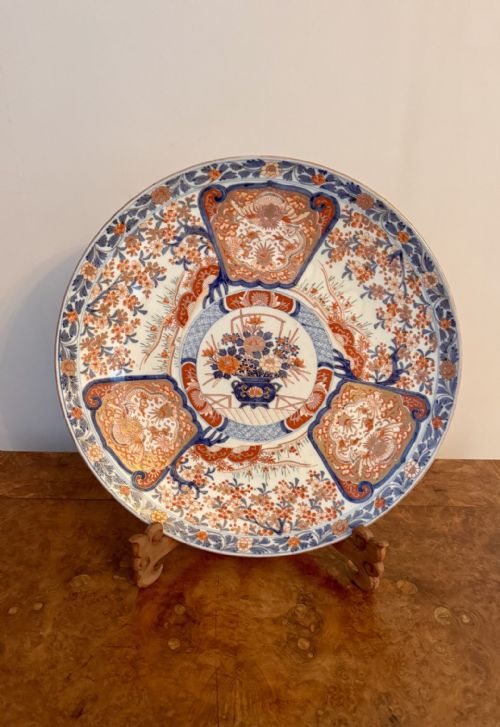
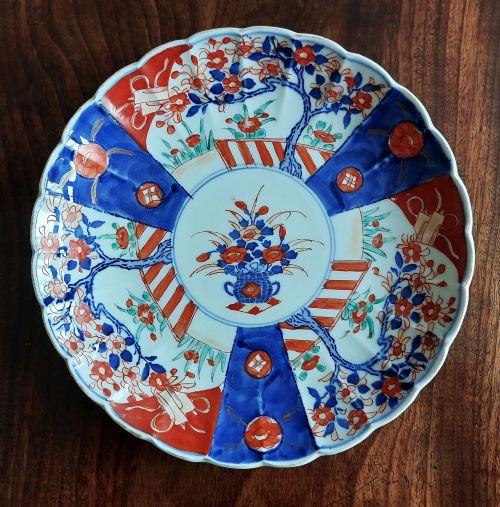
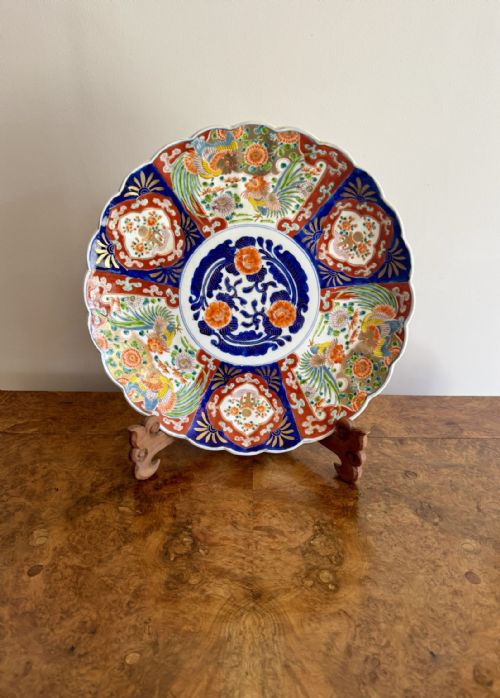
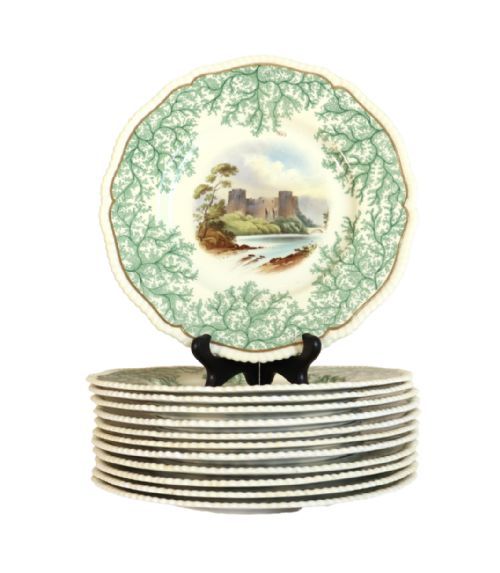
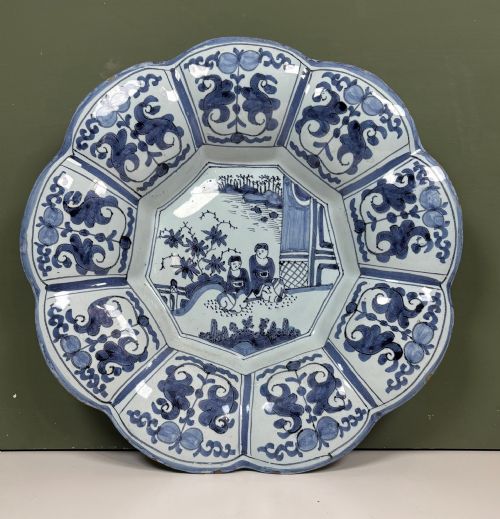
The pieces on this page draw from periods as early as the seventeenth century through to the mid-twentieth century. Forms vary from deep Dutch and English delftware chargers to Japanese Imari plates and fine bone china cabinet pieces.
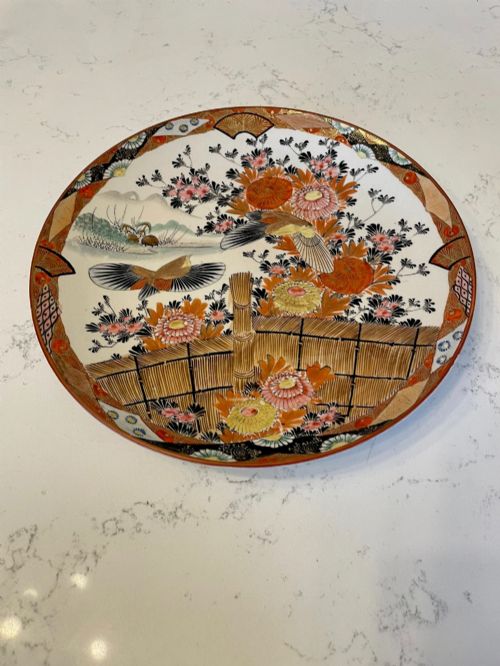
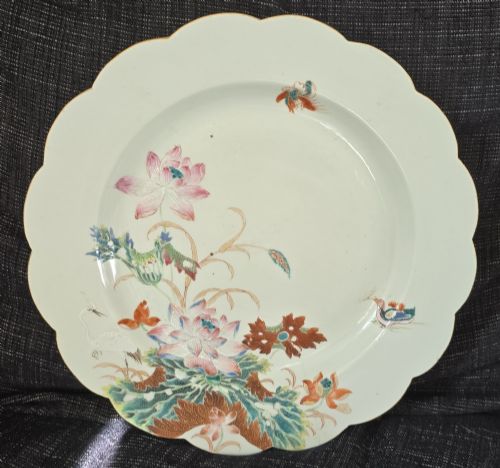
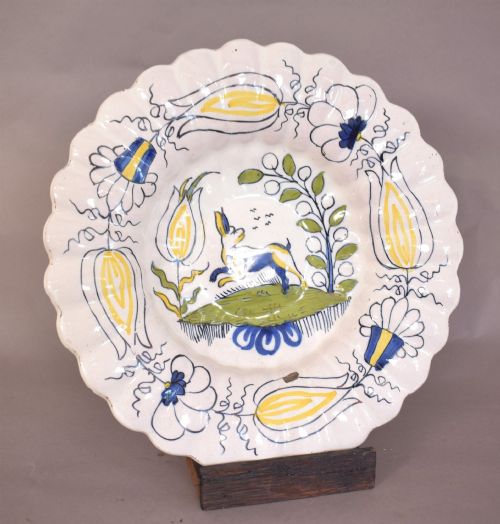
Origin and period dictate the character of each painted ceramic wall plate, connecting current interiors to traditional pottery techniques. Buyers find examples displaying botanical motifs, heraldic scenes, ornithological studies and intricate Japanese patterns.
Materials and production techniques
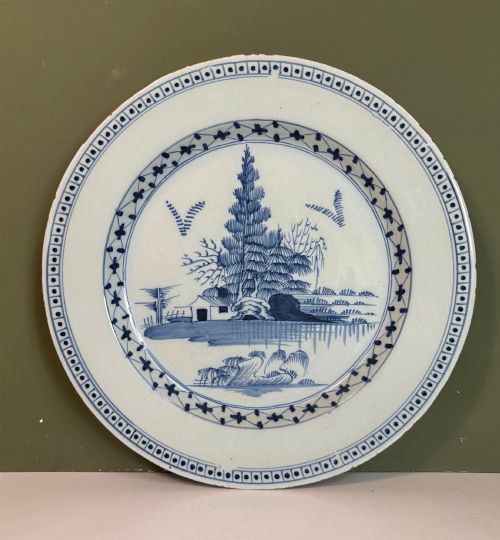
Potters shaped these objects using earthenware, ironstone, porcelain and tin-glazed clay before applying mineral pigments by hand. Tin-glazed earthenware provided an opaque white surface suitable for detailed blue and white or polychrome brushwork.
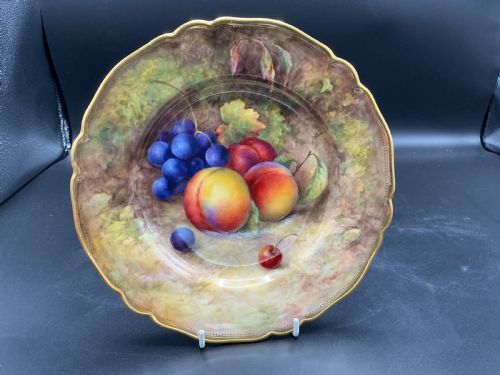
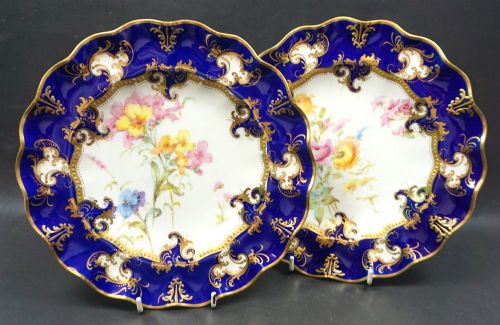
Finishes frequently incorporated transparent glazes, enamel colours and touches of gold leaf or gilt highlights fired to fix the design. Porcelain pieces relied on high-temperature kilns to vitrify the body, creating a durable canvas for intricate painted fruit and landscape scenes.
Some birds painted on eighteenth-century plates possess distinctly human expressions, as if judging the viewer's dining habits.
Factors of quality and execution
Quality rests in the precision and confidence of the brushwork, where master painters achieved fluid lines and depth of tone within the glaze. Finer pieces demonstrate superior control over pigment dispersion during firing, avoiding dullness or bleeding edges in the decoration.
The refinement of the ceramic body itself separates standard production from exceptional works, visible in the thinness and symmetry of porcelain cabinet plates versus heavier earthenware chargers. Hand-painted detail by recognised artisans elevates the artistic merit of individual examples.
Spode·Wedgwood·Royal Bonn·Royal Worcester·Royal Crown Derby·Meissen·Minton·John Davenport of Longport·Copeland Pottery
The Painted Ceramic Wall Plate Glossary
- Charger
- A large decorative plate or dish traditionally used for display on a wall or sideboard rather than for dining. These substantial pieces provide a broad surface for elaborate painted narratives.
- Tin-Glazed Earthenware
- Pottery coated with a lead glaze made opaque by the addition of tin oxide, creating a white background for painting. This technique defines traditional delftware and faience.
- Imari
- A Japanese style of porcelain decoration featuring deep cobalt blue, iron red and gold, widely replicated in Europe. The patterns combine floral and brocade motifs.
- Cabinet Plate
- A fine decorative plate intended for display in a cabinet or on a wall rather than everyday service. These items usually feature intricate hand-painted central subjects.
- Polychrome
- Decoration employing multiple distinct colours fired onto the ceramic body. This contrasts with monochrome painting which relies on a single hue.
Painted Ceramic Wall Plate: Frequently Asked Questions
How were painted ceramic wall plates displayed historically?
Plates and chargers were frequently hung on walls using specialist wire hangers or displayed upright on sideboards and dressers to demonstrate household wealth and taste. Large chargers served as decorative centerpieces in formal rooms long before becoming dedicated wall art.
Over successive centuries, collectors mounted these items to protect fragile surfaces while enjoying the intricate painted motifs at eye level.
Can these plates still be hung on walls safely?
Modern coated spring hangers or specialist plate wire systems distribute weight evenly across the rim without damaging the ceramic body. Care must be taken to select a hanger sized precisely to the diameter and rim depth of the specific piece.
Securing the fixture firmly into wall studs ensures stable display for heavier earthenware and porcelain chargers.
How do I identify tin-glazed earthenware?
Tin-glazed pieces exhibit a characteristic opaque milky-white glaze that covers the porous earthenware body beneath. Examination of the foot ring or unglazed underside often reveals the gritty or sandy texture of the base clay.
Brushwork on tin glaze can show subtle softening where pigments sank into the unfired glaze layer during the kiln process.