



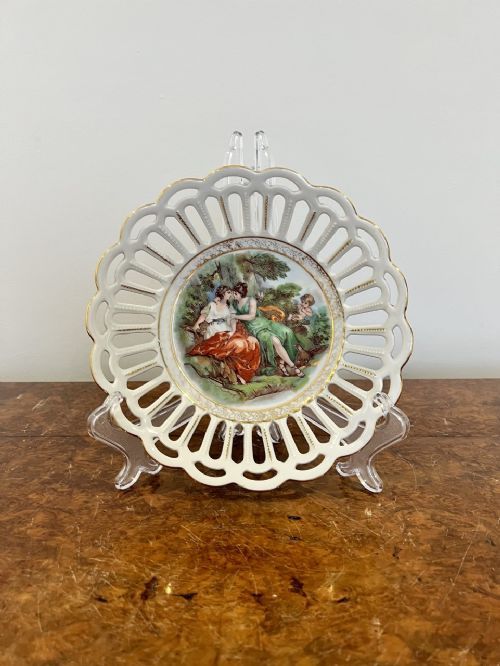
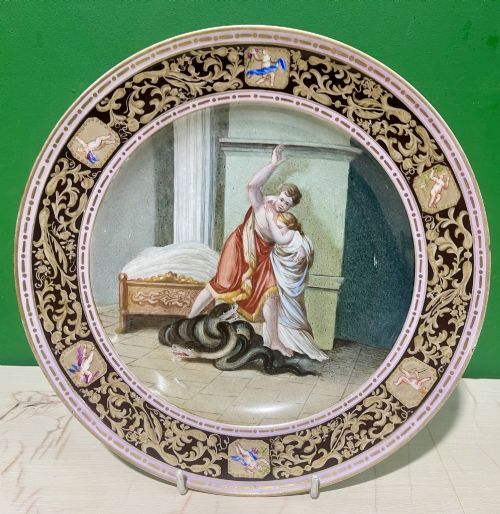
Painted Ceramic Plate
A painted ceramic plate brings centuries of hand-applied artistry into a room, spanning delicate Georgian florals and bold Japanese Imari designs.
Painted Ceramic Plate
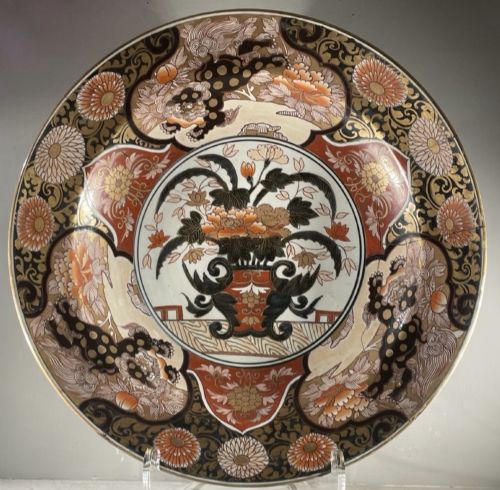
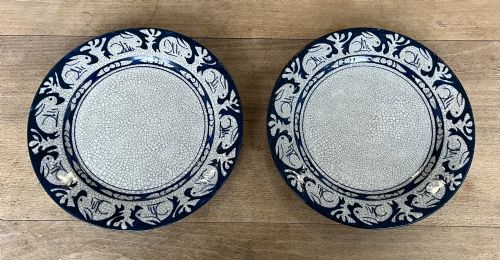
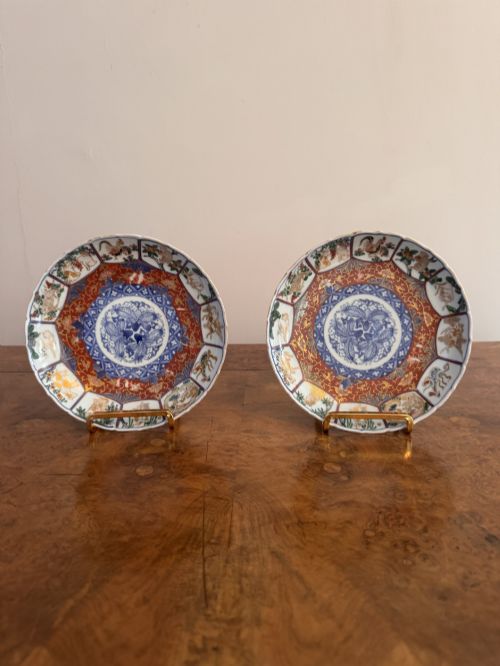
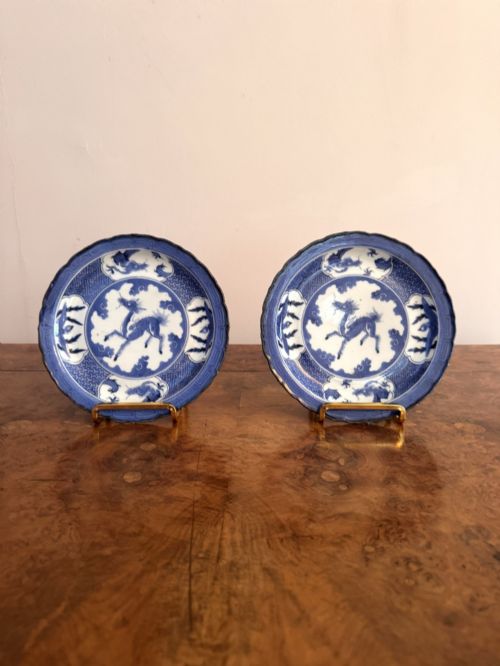
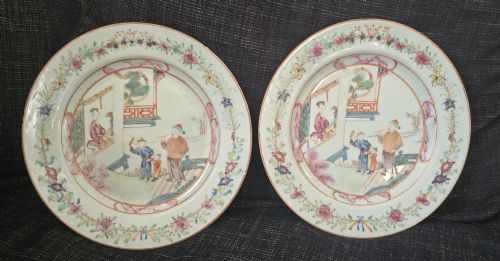
A painted ceramic plate encompasses a wide range of antique vessels, from eighteenth-century Delft chargers and Chinese export porcelain to nineteenth-century English dessert services and Japanese Meiji period imari wares. When exploring this category, collectors frequently encounter decorative plates, cabinet pieces, and shallow bowls intended historically for display or specialised dining use.
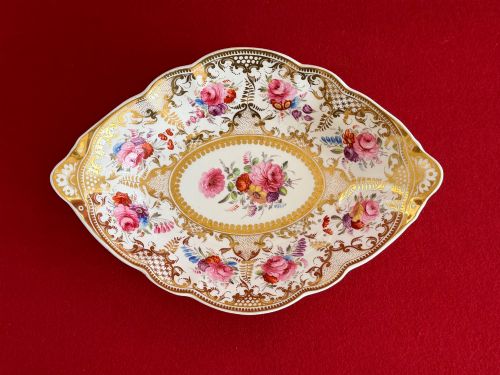
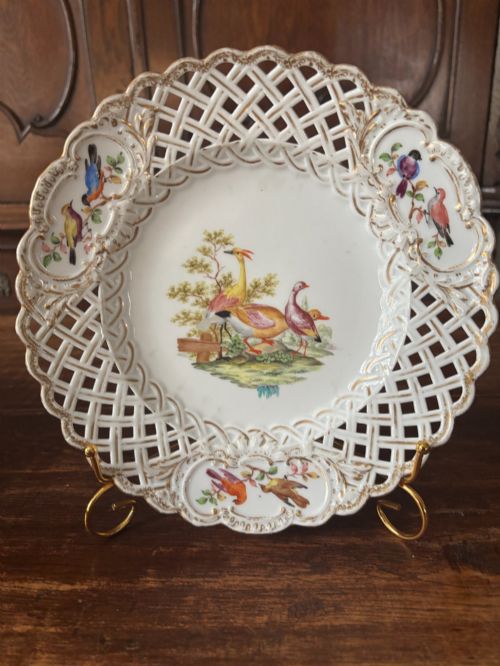
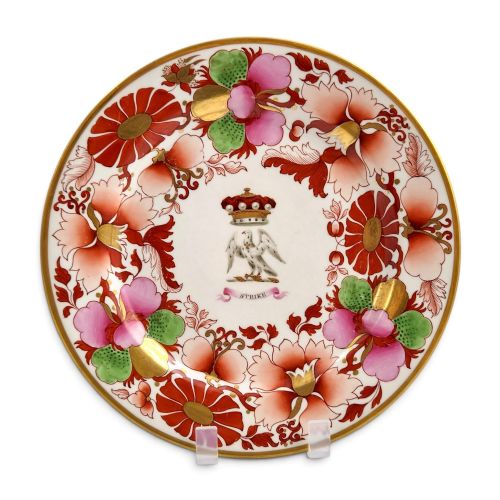
The objects listed here bridge multiple traditions, including European porcelain factories like Worcester, Derby, and Spode alongside Asian ceramic workshops. Pieces take various forms, appearing as scalloped dishes, leaf-shaped platters, and large wall-hanging chargers.
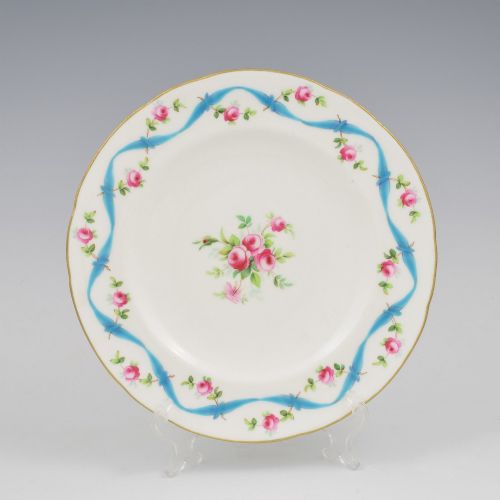
Georgian and Victorian examples dominate the domestic entries, while Japanese imari and Satsuma wares represent the prominent international influences of the nineteenth and early twentieth centuries. Tin-glazed earthenware and fine porcelain sit side by side, reflecting diverse regional techniques and aesthetic movements.
Materials and production methods
Makers utilised a foundation of porcelain, earthenware, or tin-glazed clay, shaping the body either by hand on a wheel or in a mould before an initial firing. Artisans then applied pigments by hand, utilising cobalt blues, polychrome enamels, and occasionally gold leaf or gilding to build up intricate botanical, figurative, or abstract motifs.
A subsequent kiln firing fused the painted decoration into the glassy glaze, securing the colours and producing either a soft earthenware sheen or a hard porcelain lustre. Specialised pieces required multiple firings when complex enamels or additional gilding layers were introduced after the primary glaze had set.
Painted Ceramic Plate Retail Price Guide 2026
Typical asking prices for painted ceramic plate among the pieces listed under this phrase on Sellingantiques today, from the lower quarter to the upper quarter. They describe what is for sale here now, not the wider market.
Listings span multiple eras from the 17th century through to the 1940s, encompassing Georgian, Victorian, and Meiji period aesthetics.
Evaluating craftsmanship and execution
Quality rests in the precision and confidence of the hand-painted brushwork, distinguishing rapid commercial output from master studio execution where fine botanical details, birds, or figures show distinct depth and control. The clarity of the glaze and the purity of the ceramic body also separate standard utility wares from exhibition-grade cabinet pieces.
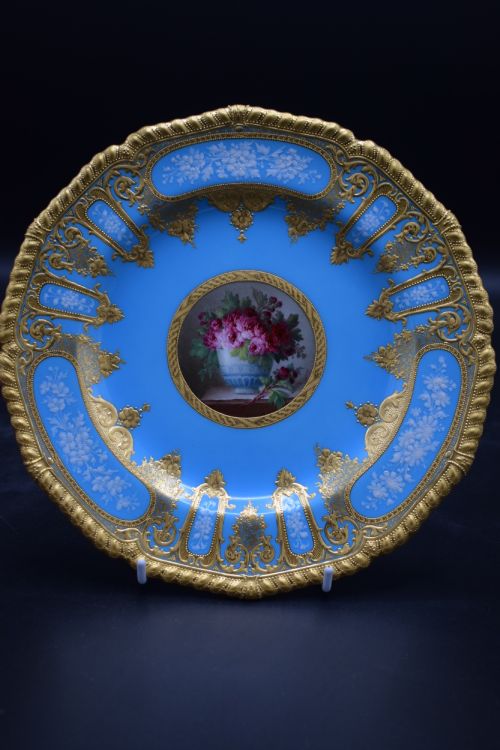
The sophistication of the palette and the integration of decorative elements, such as gilding or hand-raised enamel work, dictate the upper tier of the range. Superior pieces maintain crisp definition in their moulded or scalloped edges alongside balanced compositional harmony across the surface.
Flight, Barr & Barr·James Giles·Nantgarw·Grainger Lee & Co·Spode·H & R Daniel·Derby·Meissen·Royal Worcester·Royal Crown Derby·Chamberlains Worcester
The Painted Ceramic Plate Glossary
- Imari
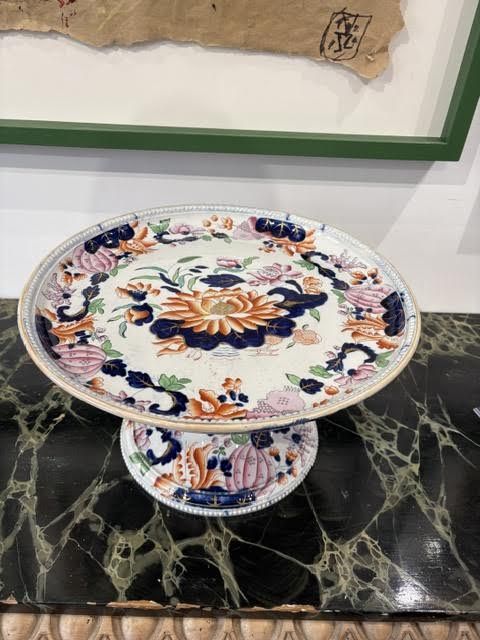
- A style of Japanese porcelain featuring a distinct palette of underglaze blue, iron red, and gold, highly popular in European collections. These designs frequently incorporate intricate floral and brocade patterns.
- Charger
- A large decorative plate or dish utilised historically for display on a sideboard or table centre rather than for direct dining. They often measure significantly larger than standard dinner plates.
- Tin-Glazed Earthenware
- Pottery coated with an opaque white tin oxide glaze that provides a smooth, pale background for painted pigments. This technique defines traditional Delftware.
- Dessert Service
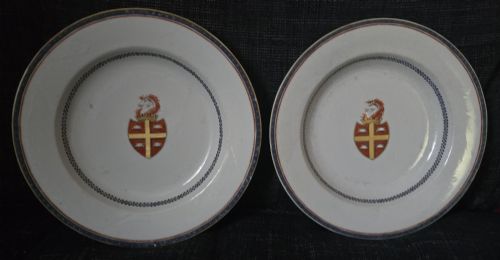
- A matched set of plates, dishes, and comports created for the final course of a formal meal. Surviving services often display handpainted botanical or armorial motifs.
- Cabinet Plate
- A highly decorative plate intended for display in a glass-fronted cabinet rather than everyday use. These items typically feature elaborate handpainted scenes and rich gilding.
Painted Ceramic Plate: Frequently Asked Questions
How were antique chargers used?
Chargers served primarily as impressive decorative centerpieces on dining tables or sideboards during grand meals, rather than receiving direct contact with food.
Over time, larger examples transitioned into wall-hung display pieces to showcase intricate hand-painted designs.
What is Japanese Imari porcelain?
Japanese Imari porcelain refers to wares produced in Arita and exported widely, characterised by strong underglaze blue and iron red ornamentation enriched with gold.
These pieces gained immense popularity across Europe during the eighteenth and nineteenth centuries.
How do I care for antique ceramic plates?
Antique plates require gentle hand washing in lukewarm water with mild soap when cleaning becomes necessary, avoiding dishwashers entirely.
Displaying them securely on padded plate stands or hanging them with coated wire hangers protects the edges and glaze.
How can I tell Delftware from porcelain?
Delftware utilises an earthenware body covered in an opaque white tin glaze, resulting in a heavier weight and a slightly softer material structure.
Porcelain is denser, rings when tapped lightly, and often shows translucency when held up to a strong light source.