
Painted Ceramic Jar
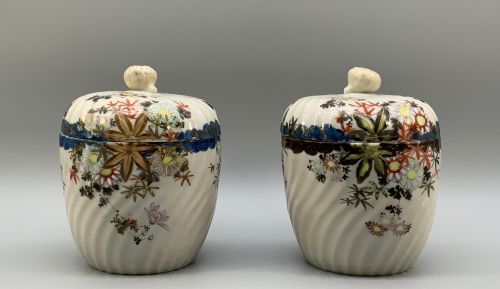
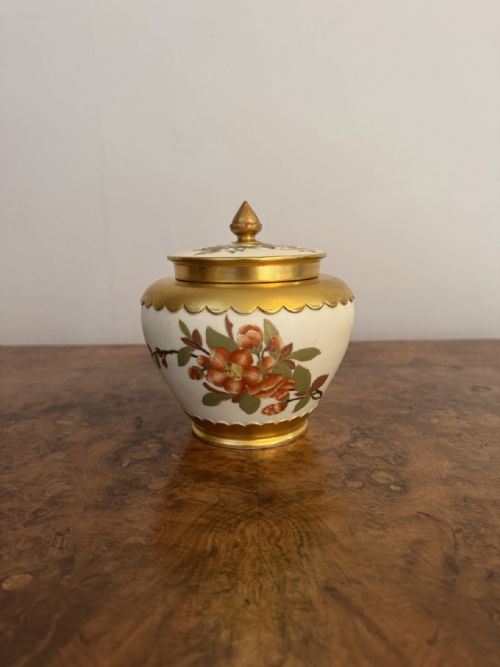
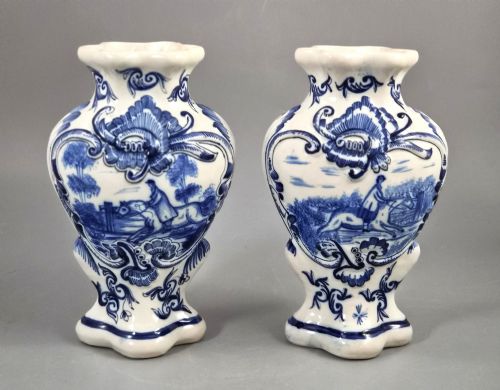
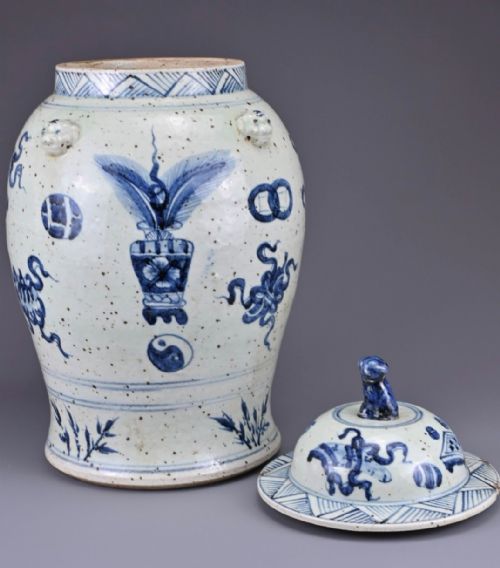
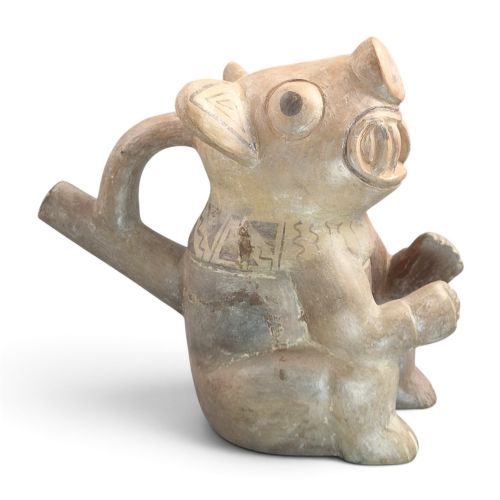
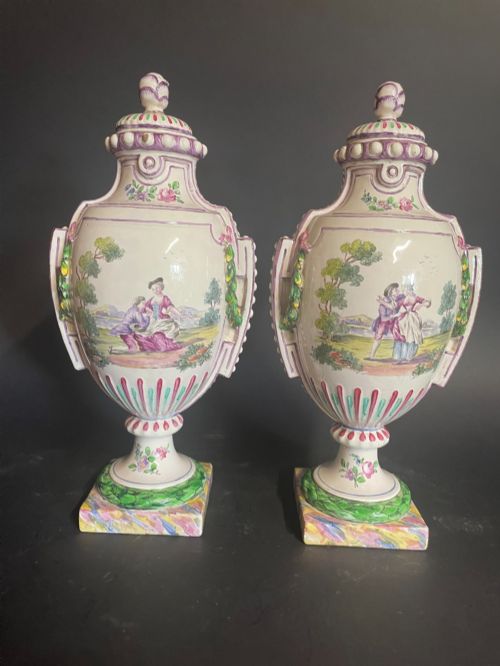
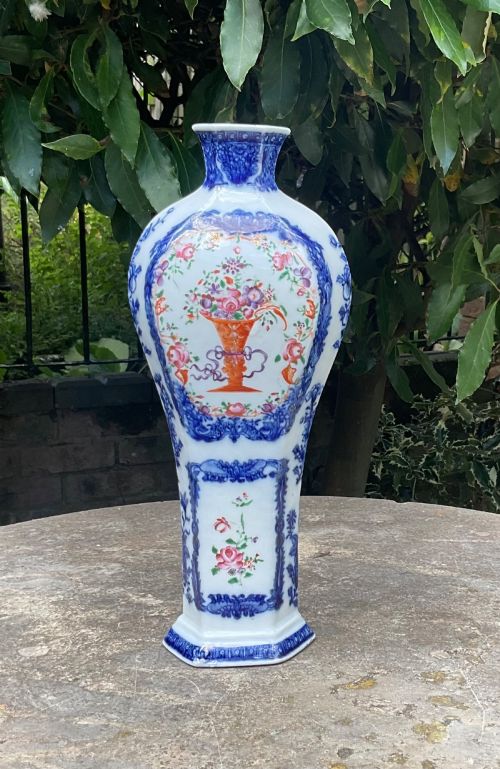
When you search for a painted ceramic jar, you are looking at centuries of hand-decorated vessels that range from apothecary storage to decorative ginger jars.
Painted Ceramic Jar
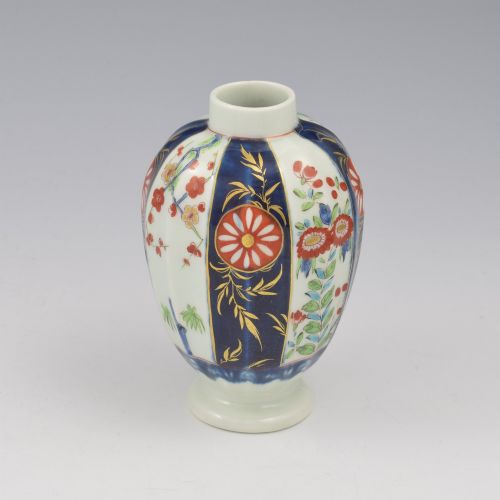
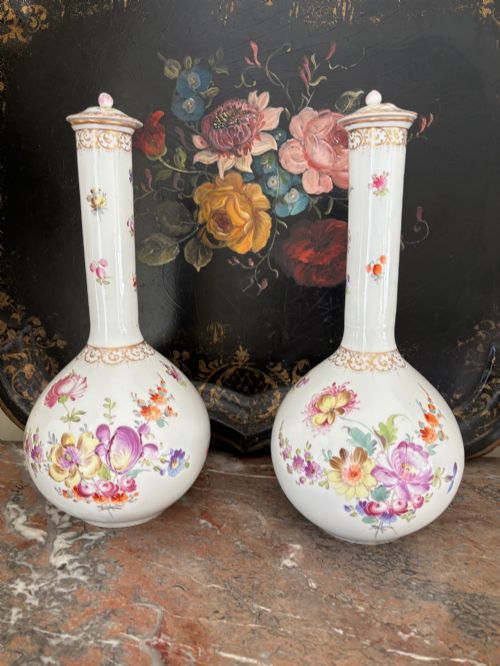
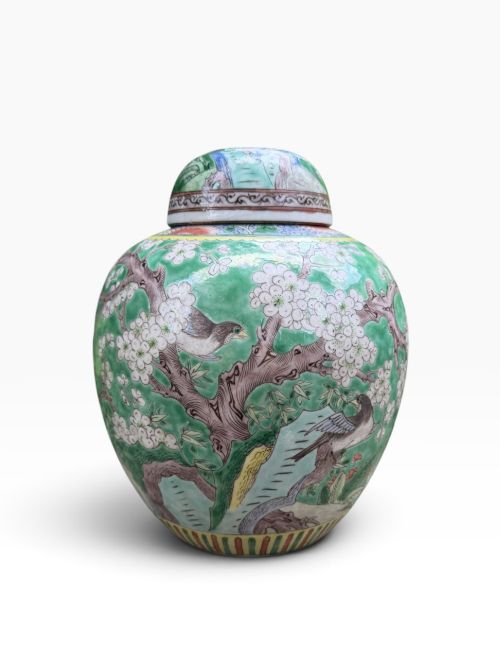
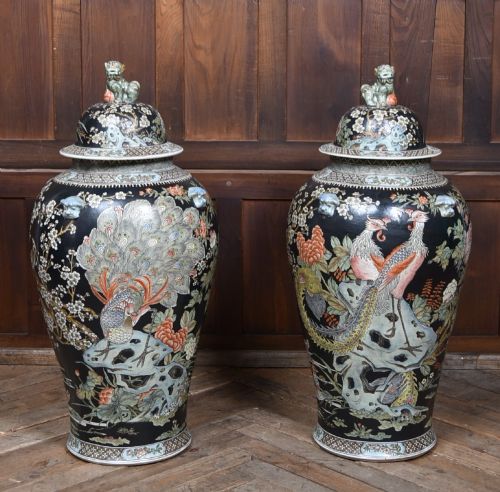
A painted ceramic jar encompasses functional and decorative vessels including ginger jars, apothecary storage, lidded pots, and tea caddies spanning the eighteenth, nineteenth, and early twentieth centuries.
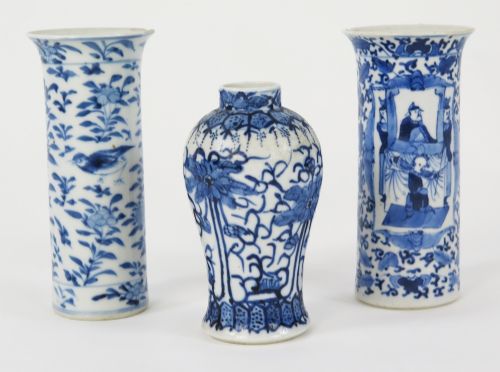
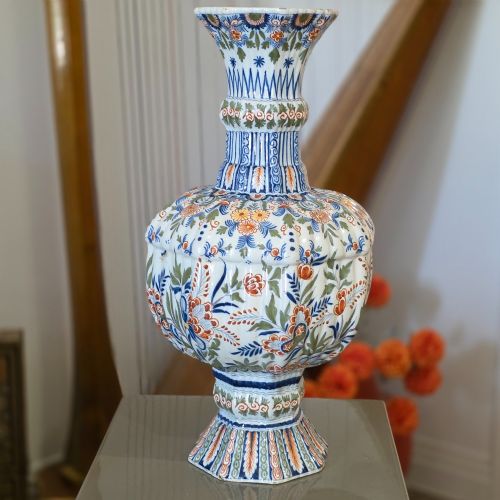
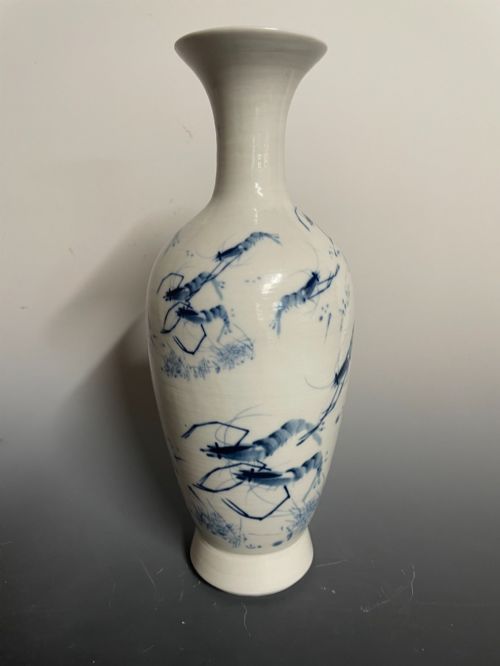
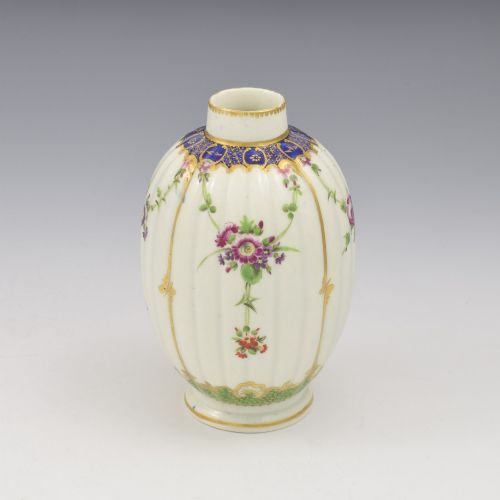
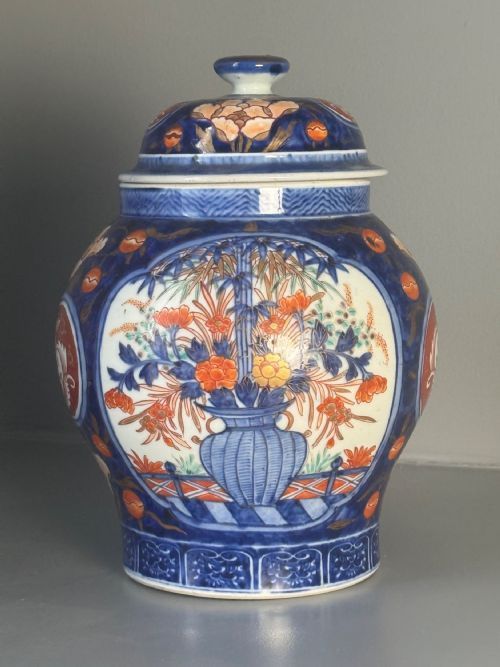
The pieces on this page originate from British, French, German, Italian, Dutch, and Asian potteries, displaying regional styles from Delftware to Japanese Imari and Chinese blue and white.
Buyers will frequently encounter lidded jars and covered vases alongside ginger jars and apothecary vessels, reflecting both utilitarian storage and ornamental display traditions.
Materials and Technique
Potters shaped these bodies from earthenware, porcelain, and tin-glazed earthenware, applying pigments beneath or over the glaze before firing.
Many examples incorporate hand-painted floral, figurative, and geometric decoration, sometimes accented with enamel and gold leaf.
Some antique apothecary jars still hold faint traces of dried medicinal herbs from centuries past.
Assessing Quality
Quality rests upon the precision of the hand-painted brushwork, the clarity of the glaze, and the crispness of the ceramic moulding.
Earlier eighteenth-century pieces often display finer detail and more delicate potting, while nineteenth-century examples lean towards heavier forms and bolder polychrome palettes.
Royal Worcester·Sitzendorf·Doulton Lambeth·Fourmaintraux-Courquin
The Painted Ceramic Jar Glossary
- Tin-Glazed Earthenware
- Earthenware covered with a tin-oxide glaze that provides a white, opaque surface for painted decoration. This technique underpins styles like Delftware and Italian majolica.
- Imari
- Japanese export porcelain decorated in underglaze blue and overglaze iron-red, gold, and secondary colours. It gained widespread popularity in European interiors during the seventeenth and eighteenth centuries.
- Ginger Jar
- A wide-mouthed, bulbous vessel originally designed for shipping and storing spices. Later periods adopted the form purely for decorative display, often paired with a domed lid.
- Potpourri
- A lidded vessel perforated to diffuse the scent of dried flowers and spices placed within. These often feature elaborate pierced covers and painted floral panels.
- Apothecary Jar
- A vessel historically used by chemists and pharmacists to store dried herbs, liquids, and medicinal compounds. They frequently bear painted labels or intricate scrollwork.
Painted Ceramic Jar: Frequently Asked Questions
What is a painted ceramic jar?
A painted ceramic jar is a vessel shaped from clay or porcelain and decorated with hand-painted pigments under or over the glaze. These items include ginger jars, apothecary storage vessels, and lidded decorative pots.
They reflect the domestic and export pottery traditions of Europe and Asia across several centuries.
How were painted ceramic jars used?
Many of these vessels served functional roles such as storing dry goods, spices, tea, and medicines in apothecary shops and households. Others were made purely for interior decoration on mantelpieces and tables.
Covered jars and potpourri pots also held scented petals to fragrance rooms in earlier centuries.
How do I live with a painted ceramic jar?
These jars fit well on sideboards, mantelpieces, and open shelving where their colours and forms can be appreciated. Because many possess delicate hand-painted surfaces and original lids, placement should avoid areas prone to heavy bumps.
Gentle dusting with a dry cloth keeps the glaze and enamel clean without risking moisture damage.
How do I tell periods apart?
Earlier eighteenth-century pieces generally feature finer potting and specific hand-painted palettes associated with factories like Worcester or Chinese export kilns. Nineteenth-century examples often display heavier bodies and broader industrial or revivalist styles.
Maker marks, glaze characteristics, and regional painting styles help narrow down the date of manufacture.