


Painted Ceramic Bedside Lamps
Painted ceramic bedside lamps bring hand-painted artistry and intimate character to a room, offering functional illumination through converted antique vessels.
Painted Ceramic Bedside Lamps
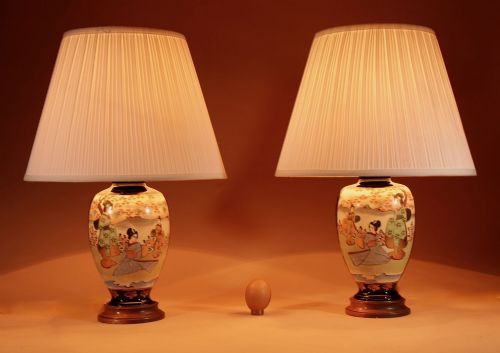
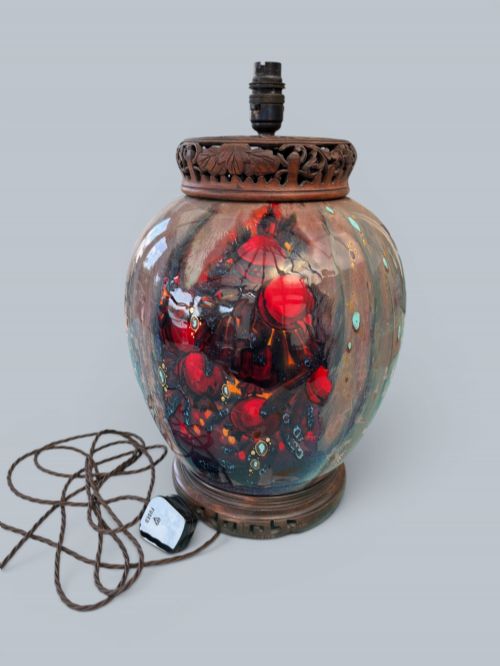
These painted ceramic bedside lamps comprise pieces originating from the nineteenth century up through the nineteen-thirties, spanning diverse aesthetic traditions from Chinese export wares to European revivals. Buyers seeking these items will frequently encounter ginger jars, baluster vases, and decorative vessels adapted into table lamps, often paired with brass, wood, silk, or fabric elements.
Materials and construction
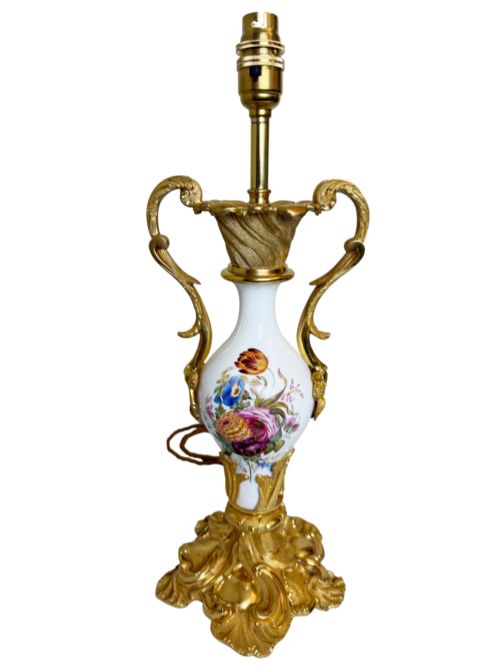
Potters and ceramicists shaped these bodies from porcelain, earthenware, and majolica, applying hand-painted pigments in blue and white, Famille Verte, Famille Rose, and polychrome enamel palettes. Kiln-fired glazes protected these painted surfaces, while makers often incorporated crackleware finishes or detailed pictorial scenes.
Metalworkers added structural support and decorative mounts using brass, gilt bronze, and ormolu, securing the ceramic vessels for domestic lighting use. Wiring and electrical components were subsequently integrated into these converted vases and jars, complemented by fabric and silk shades.
Ginger jars once meant for preserving spices find a second career reading bedtime stories.
Qualities of craftsmanship
The refinement of the hand-painting separates ordinary vessels from exceptional examples, seen in the precision of brushwork on porcelain and earthenware bodies. Detailed figural or floral motifs executed with subtle tonal variation indicate superior artistic input during production.
The quality of the mountings, such as gilt bronze, ormolu, or brass fittings, dictates the overall integrity of the piece. Well-cast metal components that complement the ceramic body without damaging the original material demonstrate superior adaptation and manufacturing standards.
Moorcroft·Gien·Samson·Fukagawa·Kutani
The Painted Ceramic Bedside Lamps Glossary
- Famille Verte
- A Chinese porcelain palette dominated by green enamel overglazes, frequently combined with other colours to depict natural scenes.
- Famille Rose
- A grouping of Chinese porcelain characterised by opaque pink or rose enamel pigments, introduced during the Qing dynasty.
- Majolica
- A type of earthenware coated with an opaque tin-glaze and painted with brightly coloured metal oxides.
- Ormolu
- Gilded bronze mounts used historically to decorate furniture, porcelain, and decorative objects, adding weight and ornate detail.
- Baluster
- A tapering, vase-like architectural form with a rounded lower body and a narrower neck, commonly seen in lamp bases.
Painted Ceramic Bedside Lamps: Frequently Asked Questions
How do I choose the right size lamp?
Consider the height of your bedside table and the scale of surrounding furniture when selecting a lamp base. Taller baluster or vase forms suit larger spaces, while petite models fit compact areas.
Ensure the proportion of the ceramic body balances harmoniously with the shade and the height of your bed for comfortable reading and aesthetic harmony.
Are these lamps converted from old vases?
Many examples on this page began life as decorative vases, ginger jars, or decorative vessels before receiving electrical fittings. This practice preserves historical ceramics while giving them a functional purpose as lighting.
Makers often drilled the ceramic bases or utilised mounts that avoided altering the main body permanently, maintaining the character of the original antique object.
How should I clean a painted ceramic lamp?
Dust the ceramic body and any metal mounts regularly using a soft, dry cloth to prevent dirt accumulation. Avoid harsh chemical cleaners or abrasive materials that might damage hand-painted enamel or gilt surfaces.
Take care around older wiring and fabric shades, keeping liquids away from electrical components during routine maintenance.
How do I identify the period of a lamp?
Examine the style of the painting, the type of ceramic paste, and any mounting hardware such as brass or gilt bronze. Nineteenth-century pieces often display specific revival characteristics or export markings typical of their era.
Reference stylistic movements like Art Deco, Chinoiserie, or Japonisme visible in the decorative motifs to narrow down the decade of manufacture.