

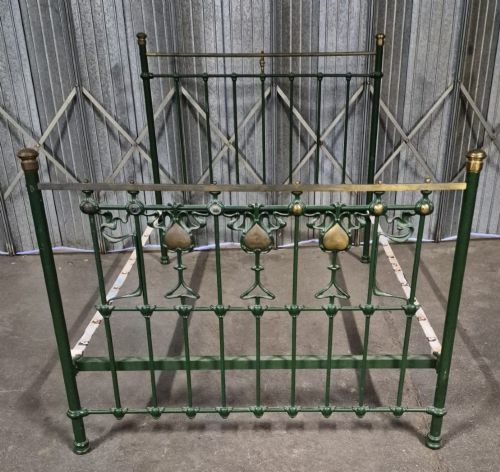
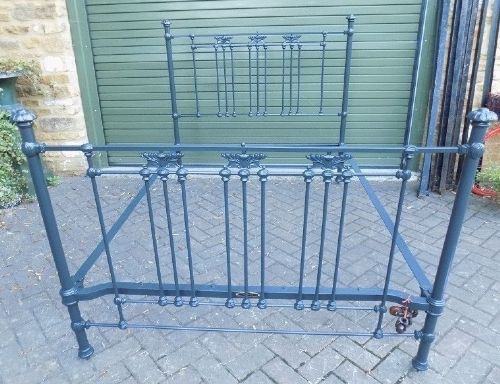
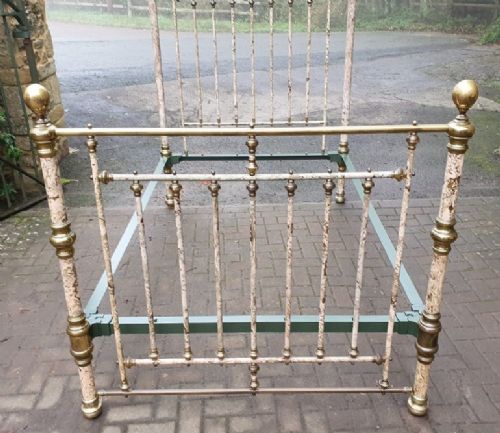
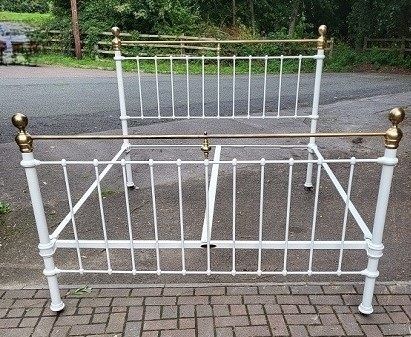
Painted Cast Iron
Painted cast iron brings enduring weight and decorative detail to garden benches, beds, and fire surrounds, offering robust character for period interiors and grounds.
Painted Cast Iron
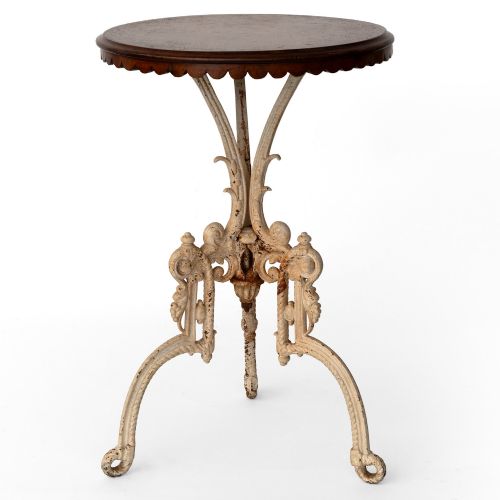
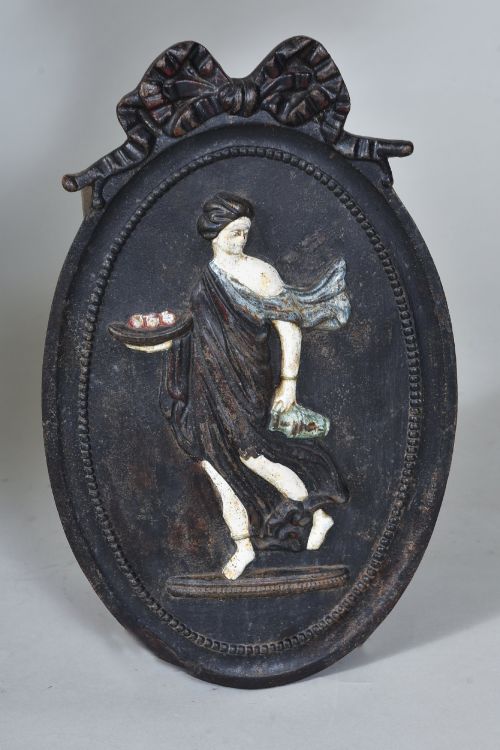
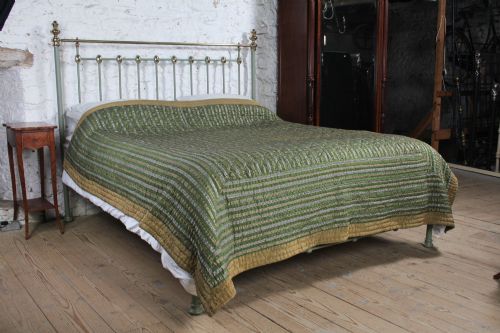
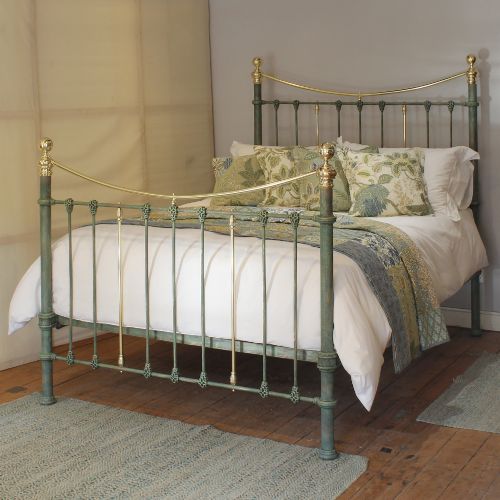
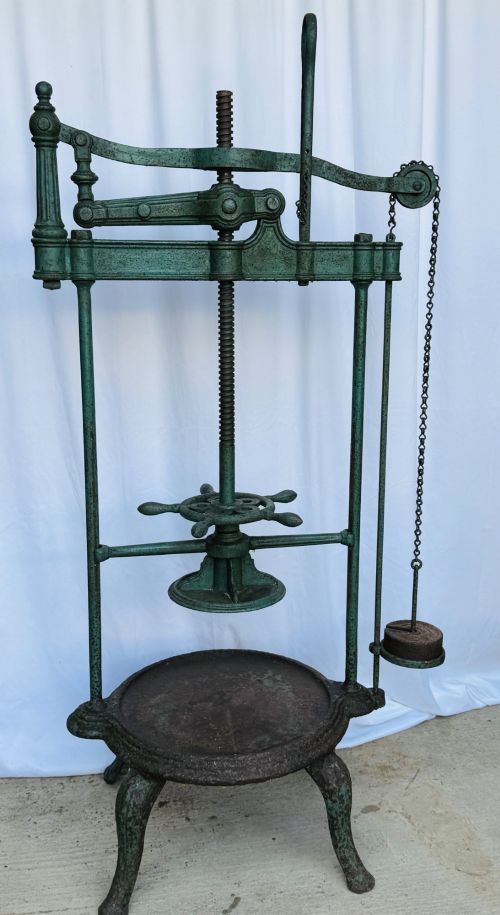
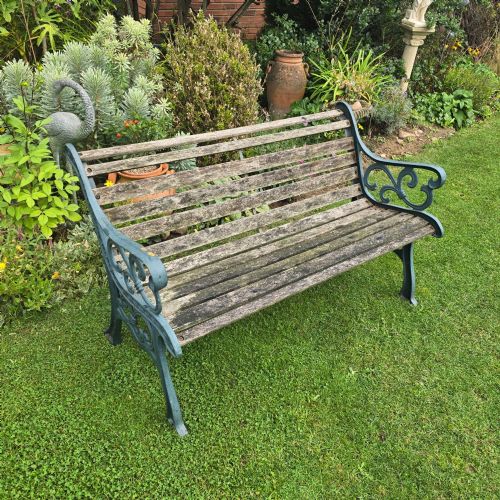
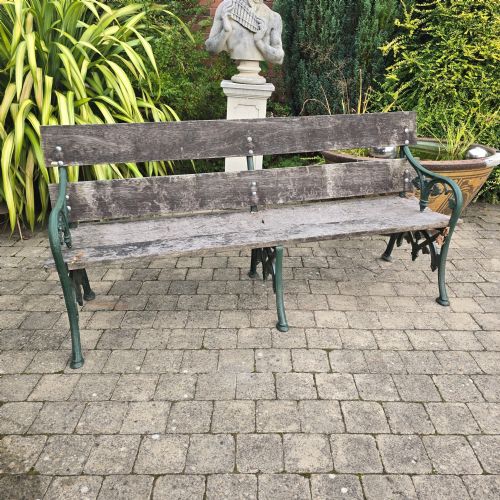
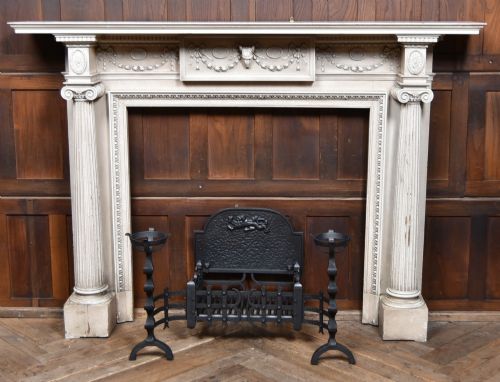
Painted cast iron spans large garden seating, beds, fire surrounds, and umbrella stands produced across the nineteenth and early twentieth centuries. Garden benches, urns, and interior furniture dominate the selection, often bearing intricate foliage or classical motifs. Pieces hail from English, French, and Scottish foundries operating in Victorian, Edwardian, and Regency styles.
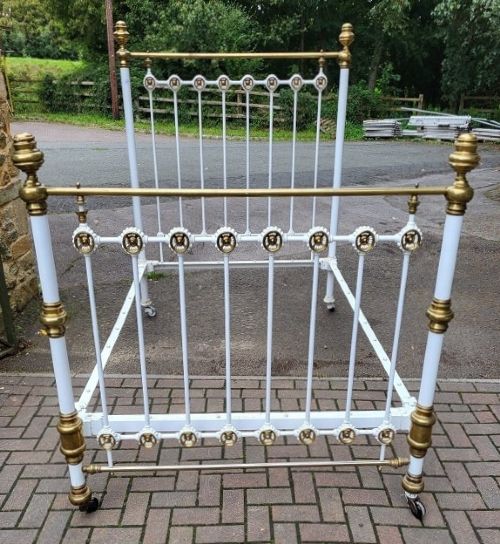
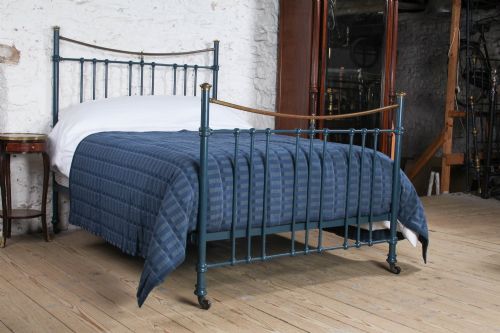
Victorian examples provide much of the stock, ranging from ornate garden planters to bedroom bedframes fitted with castors. Makers incorporated timber, brass, and marble elements alongside the primary metal structure. These functional and decorative objects survive from periods when ironfounding reached artistic maturity.
Materials and Casting
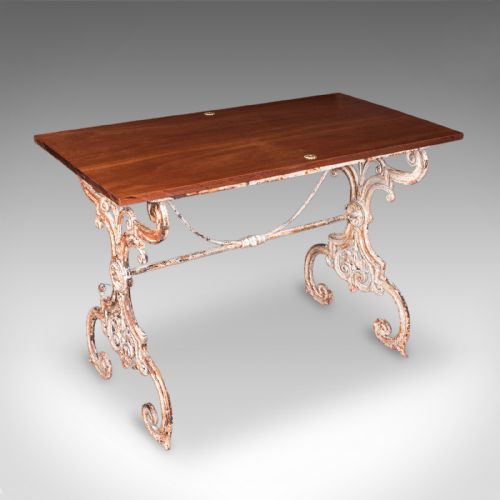
Foundries poured molten iron into sand moulds to achieve crisp botanical details such as blackberry, leaf, and rose patterns. Wrought iron, forged steel, and timber supplemented the main cast components in items like beds and tables. Applied paint finishes, including verdigris and cream, provided colour and basic protection against oxidation.
Foundry workers assembled complex items from multiple bolted sections, integrating brass fixtures or marble tops where specified. Decorative accessories incorporated spelter or cast metal alongside traditional iron elements. Protective paint layers required regular renewal to preserve the underlying metal from damp conditions.
Painted Cast Iron Retail Price Guide 2026
Typical asking prices for painted cast iron among the pieces listed under this phrase on Sellingantiques today, from the lower quarter to the upper quarter. They describe what is for sale here now, not the wider market.
A tiny hand-painted Scottie dog sits ready to spark a flame on a nineteen-twenties table lighter.
Casting and Definition
Quality rests in the crispness of the modelled detail and the fidelity of the foundry work. Superior pieces display sharp relief in foliate patterns and clean casting lines without excessive pitting. Premier foundries achieved finer walls and more balanced proportions in urns and bench ends.
The integrity of the original joins and the survival of secondary materials like marble tops or brass castors elevate a piece. Later overpainting can obscure original surface textures, whereas careful conservation preserves the character of the early layers.
Falkirk Carron Foundry·Coalbrookdale·Christopher Dresser
The Painted Cast Iron Glossary
- Verdigris
- A green patina or paint finish simulating the natural oxidation of copper and iron over time. This coloration frequently appears on garden furniture and planters from the Victorian period.
- Campagna urn
- A bell-shaped garden vessel on a pedestal base derived from classical antiquity. These decorative pieces populate grand nineteenth-century gardens.
- Spelter
- An alloy of zinc and lead used for smaller decorative figures and novelty items. It mimics bronze or iron but possesses a lighter weight and softer surface.
Painted Cast Iron: Frequently Asked Questions
How do I maintain painted cast iron outdoors?
Keep the metal clean and dry during winter months to prevent moisture from lifting the paint layers. Touch up exposed spots promptly with suitable paint.
Position garden furniture on stone flags rather than damp grass to minimise moisture absorption from the ground.
Are these beds suitable for daily use?
Period bedframes accommodate modern mattresses when fitted with appropriate modern slat bases or supportive frames. Check the width dimensions carefully before sourcing a mattress.
Ensure all original bolts and joints are secure before assembling the bedstead in a bedroom.
How do I identify a Coalbrookdale piece?
Look for crisp registered design lozenges or foundry stamps cast directly into the ironwork. Coalbrookdale items often feature distinctive fern, blackberry, or classical motifs.
Consult nineteenth-century foundry catalogues to match specific bench ends and umbrella stands.
Can heavy cast iron urns stay outside in winter?
Solid cast iron withstands low temperatures, but trapped water inside planters can freeze and crack the metal. Empty soil and position urns under cover during freezing weather.
Line large planters with protective material to separate damp compost from the inner iron walls.