

Painted Armoire Wardrobe
A painted armoire wardrobe brings architectural presence and generous storage to a room through centuries of regional cabinet-making traditions.
Painted Armoire Wardrobe
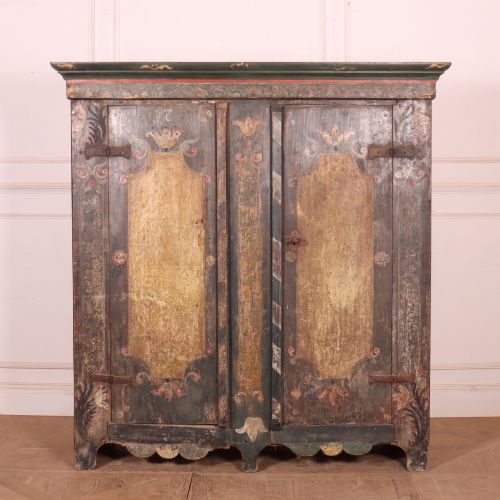
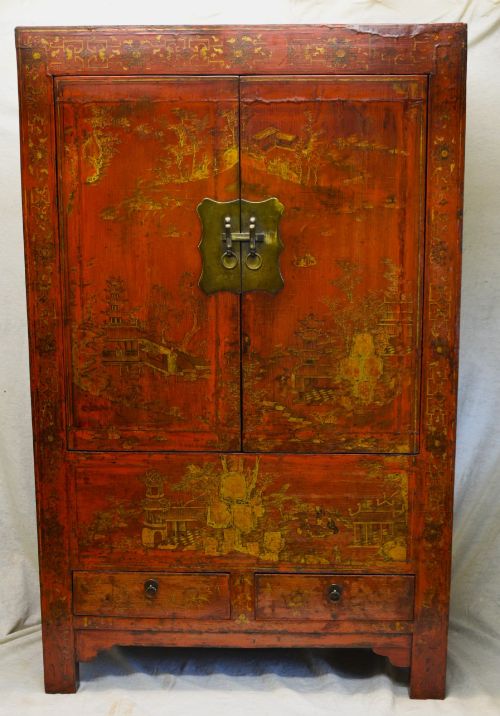
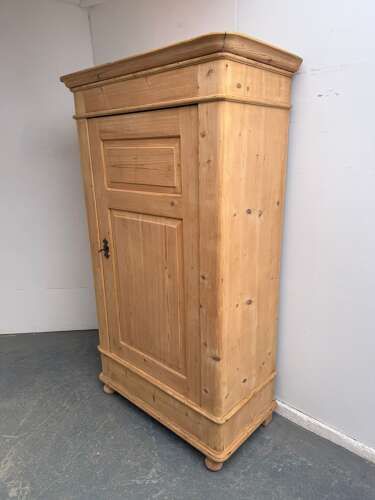
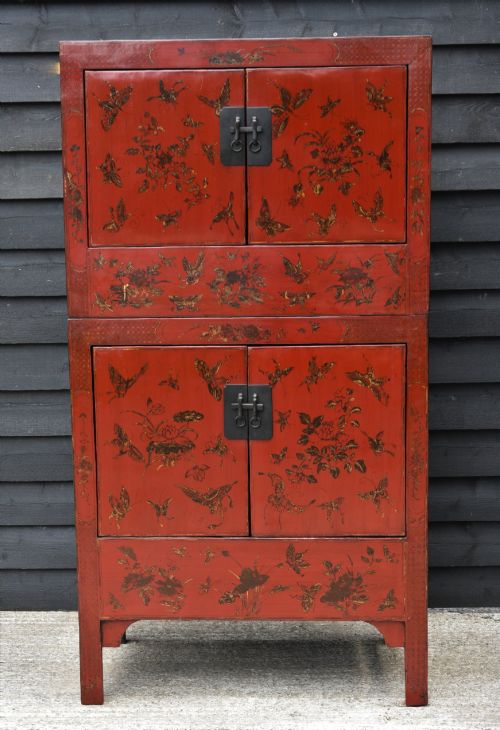
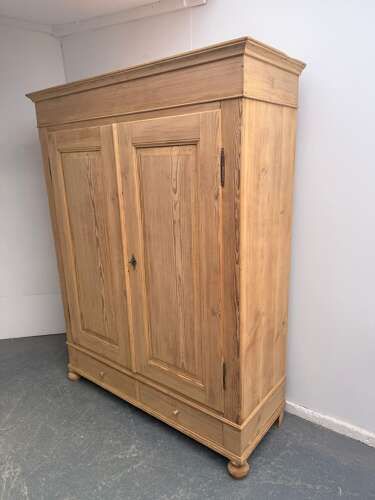
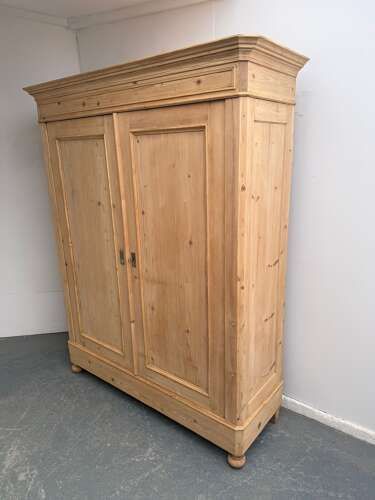
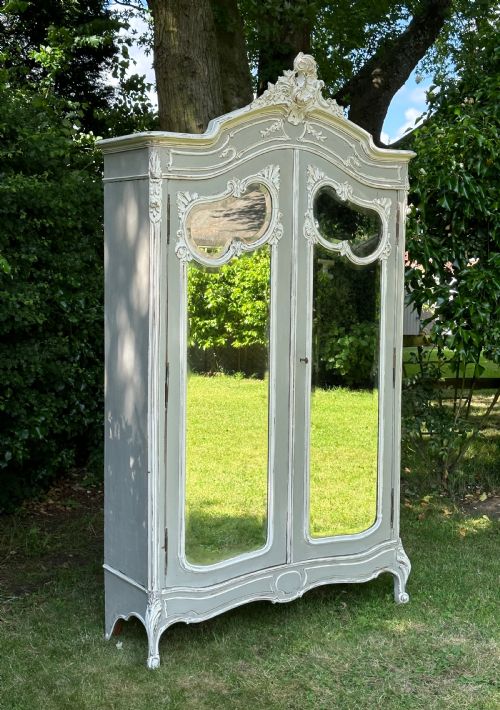
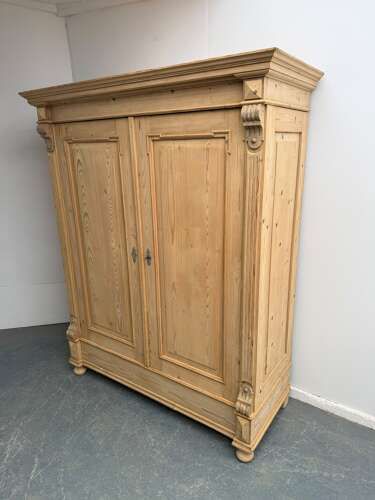
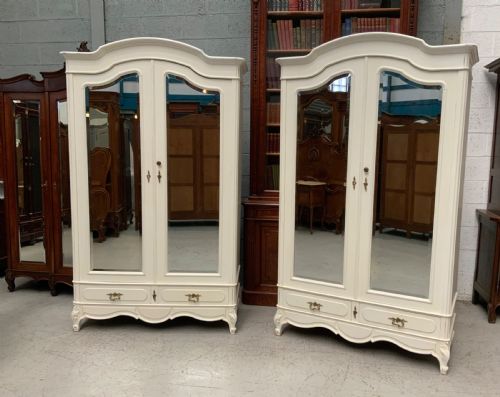
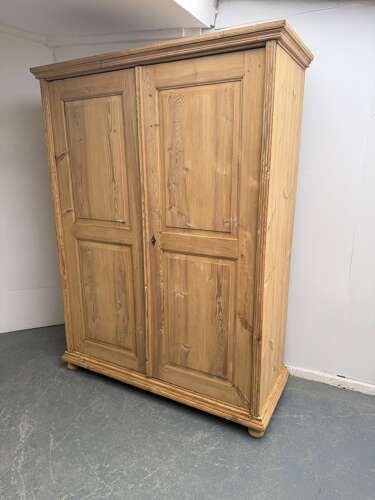
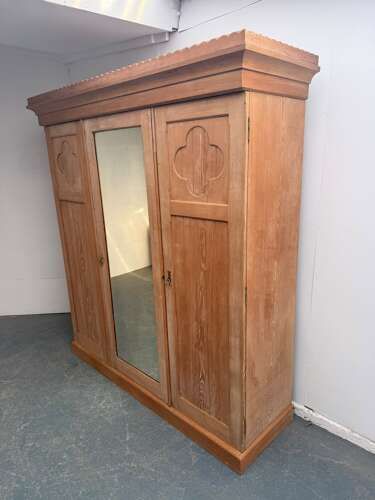
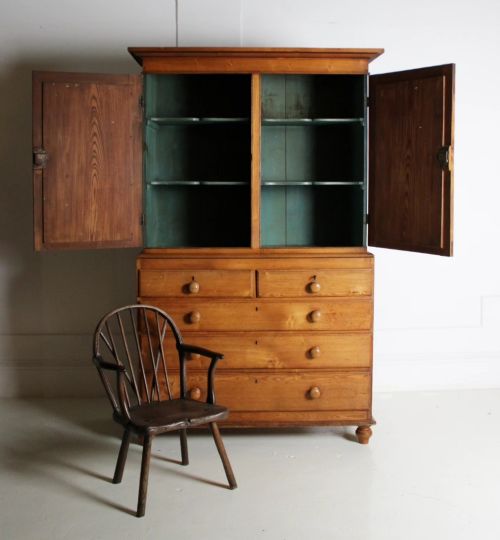
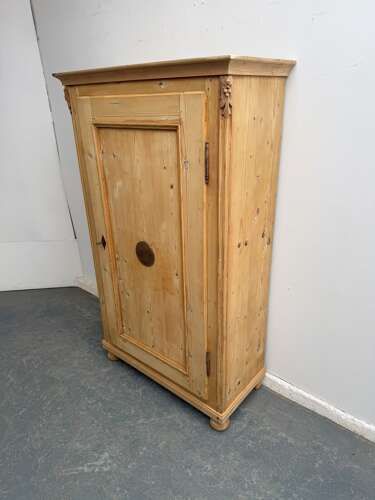
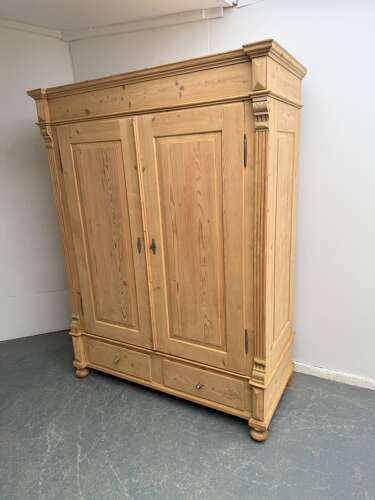
When searching for a painted armoire wardrobe, a buyer encounters pieces spanning the eighteenth to the early twentieth centuries, with Victorian pine and nineteenth-century examples forming the core of the selection. These large storage pieces range from French armoires and Scandinavian country cupboards to Chinese red lacquered wedding cabinets and British pine wardrobes, linen presses, and compactums.
The architectural scale of these items varies from low cottage cupboards to massive triple-door wardrobes and tall storage cabinets. Many British pine pieces were designed as knockdown structures to allow movement through narrow doorways, while continental examples often survive as single-piece constructions with arched or moulded cornices.
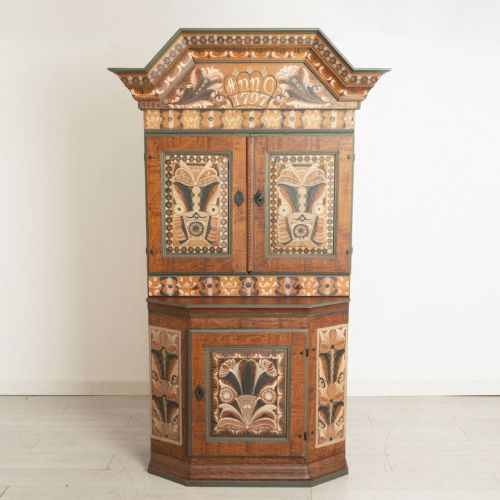
Regional styles dictate the visual character, shifting from folk art painted finishes on Swedish pine to formal satinwood with hand-painted panels, Chinoiserie lacquer decorated with outdoor scenes, and utilitarian ash farmhouse linen presses.
Materials and Construction
Pine, ash, satinwood, elm, and painted wood form the primary structural timbers, supplemented by iron and brass for hinges, locks, and hanging hooks. Cabinet makers utilised traditional joinery techniques, building large carcasses with panelled doors, pegged frames, and internal shelving or hanging space.
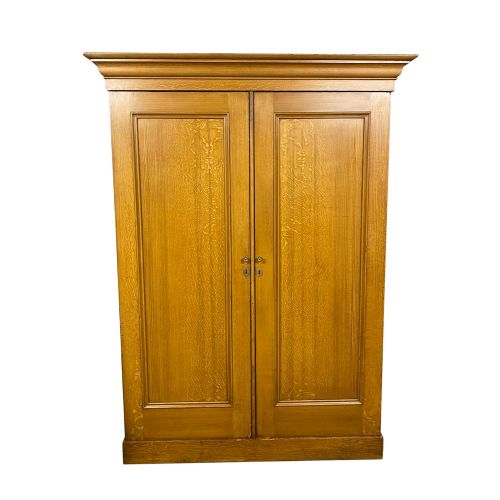
Surface treatments range from plain wood intended for waxing or painting to original scumble faux oak paintwork, hand-painted FOLK art, red lacquer, and decorative painted steel. Surviving pieces often display layers of historic paint or decorative panels featuring outdoor scenes and inlaid details.
Painted Armoire Wardrobe Retail Price Guide 2026
Typical asking prices for painted armoire wardrobe among the pieces listed under this phrase on Sellingantiques today, from the lower quarter to the upper quarter. They describe what is for sale here now, not the wider market.
Several Victorian pine wardrobes retain their original numbered internal coat hooks, suggesting they once lived in busy country house corridors.
Standards of Execution
The distinction between tiers of the market lies in the integrity of the original construction and the preservation of surface decoration. Pieces retaining authentic scumble paintwork, early folk art finishes, or intact lacquer panels command greater interest than those stripped down or repeatedly repainted over time.
Structural joinery also divides the output, with well-engineered knockdown mechanisms, solid brass hardware, and balanced door alignments representing superior workshop standards. The precision of hand-painted detailing on Chinoiserie and satinwood panels further separates standard utilitarian storage from finer decorative examples.
The Painted Armoire Wardrobe Glossary
- Armoire
- A large wardrobe or cupboard, typically double-doored, originating from continental Europe. These pieces provide substantial vertical storage and often feature pronounced cornices and panelled doors.
- Compactum
- A multi-compartment wardrobe that combines hanging space with drawers, shelves, and sometimes small cupboards within a single unified carcass. Edwardian and Victorian versions often utilise satinwood or ash.
- Knockdown
- Furniture constructed to be dismantled into separate panels and sections for ease of transport and assembly. This technique was common in nineteenth-century pine wardrobes designed for domestic delivery.
- Linen Press
- A tall storage piece featuring upper sliding trays or shelves enclosed by doors, positioned above a base section fitted with drawers. They were traditionally utilised for storing folded linens and garments.
- Scumble
- A decorative painting technique involving a translucent glaze dragged or textured over a lighter base colour to simulate richer timbers like oak. Surviving examples display distinct brush or comb marks beneath a clear protective finish.
Painted Armoire Wardrobe: Frequently Asked Questions
How do I assemble a knockdown wardrobe?
Knockdown wardrobes utilise interlocking panels, wooden pegs, or internal bolts that allow the main carcass to separate into manageable flat sections. Assembly requires two people to align the side panels with the base, top cornice, and backboards before securing the doors.
Care must be taken to ensure the frame remains square during tightening so the doors hang evenly on their original iron or brass hinges.
Can I paint an unpainted pine wardrobe?
Many pine wardrobes and cupboards were constructed with the intention of being finished in wax or paint by the owner. Preparing the timber involves light sanding and applying a suitable primer to seal the wood before adding layers of modern or traditional paint.
Preserving historic finishes is recommended if the piece retains traces of original paintwork, scumble, or folk art decoration.
What is the difference between an armoire and a compactum?
An armoire is primarily a large cupboard or wardrobe designed for hanging garments and storing folded items behind prominent doors. A compactum is a more complex multi-functional wardrobe that integrates drawers, shelves, and hanging space into a single partitioned unit.
Compactums often appear in late Victorian and Edwardian catalogued furniture, whereas armoires span a broader continental and British tradition.
Where were nineteenth-century pine cupboards made?
Nineteenth-century pine cupboards and wardrobes were produced across Britain and continental Europe, including France, Scandinavia, and Italy. Regional workshops built these pieces for domestic, farmhouse, and institutional settings using locally available softwood.
Construction details, hardware styles, and painted folk motifs often indicate the geographical origin of an unmarked piece.