





Painted Arch Mirror
A painted arch mirror brings architectural presence and reflected light into a room, spanning nineteenth-century English and French decorative traditions.
Painted Arch Mirror
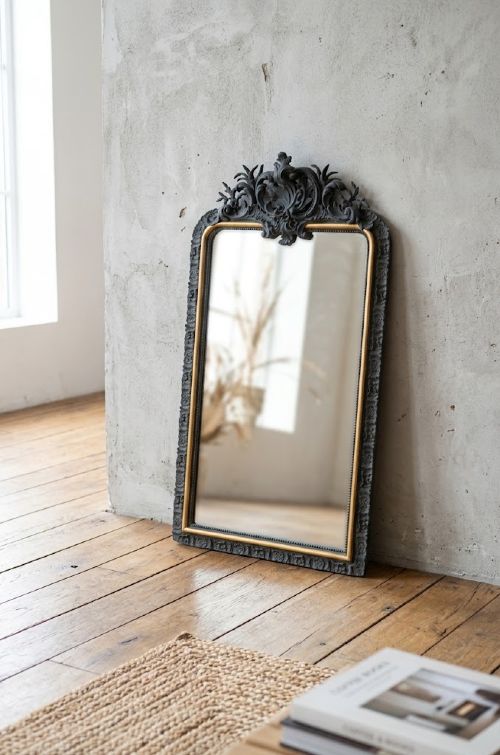
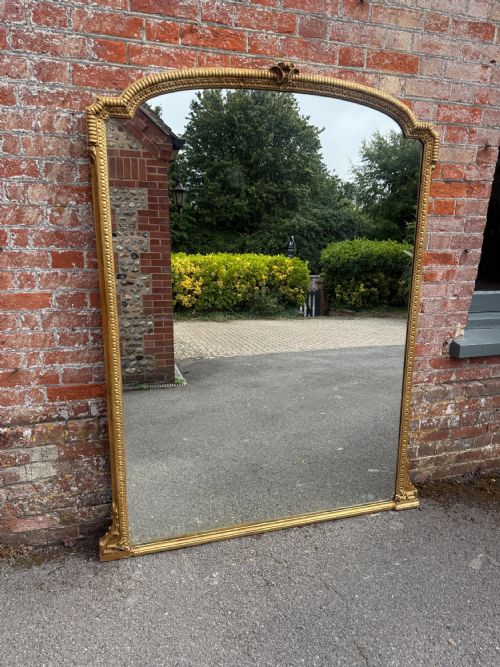
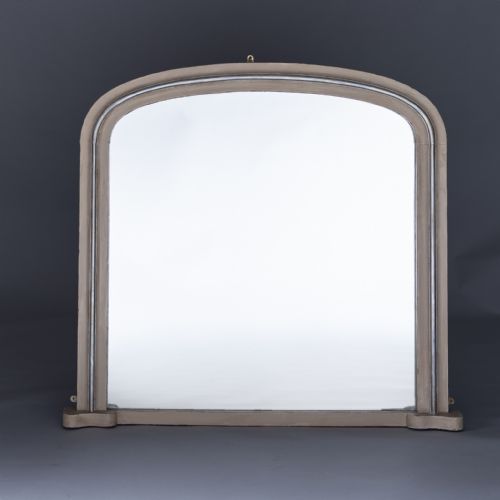
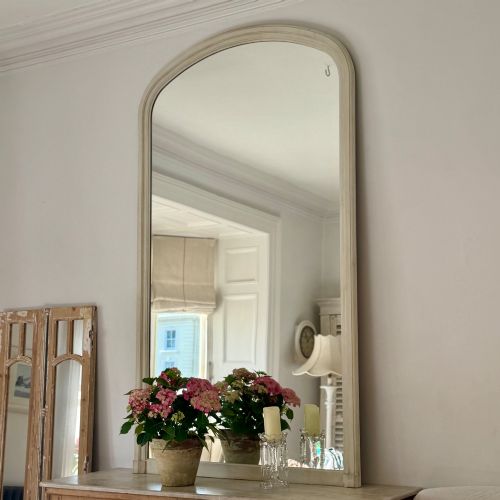
When searching for a painted arch mirror, collectors encounter substantial nineteenth-century pieces designed primarily as overmantles or wall mirrors. These items originate from English and French workshops, utilising curved upper profiles to soften formal interior spaces.
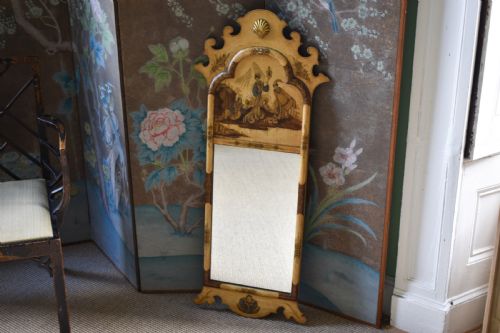
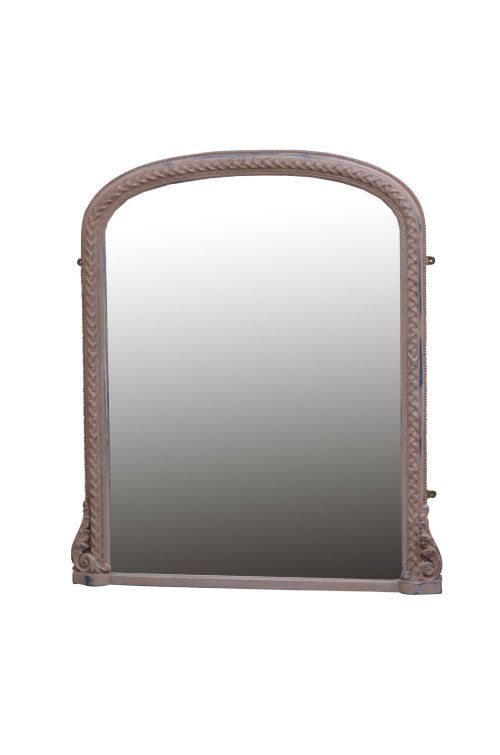
The selection spans Victorian and earlier styles, including pieces with shaped tops, ribbed frames, and layered polychrome palettes. Overmantle variants dominate the offerings, built to sit above domestic fireplaces and anchor the surrounding wall elevation.
How They Were Made
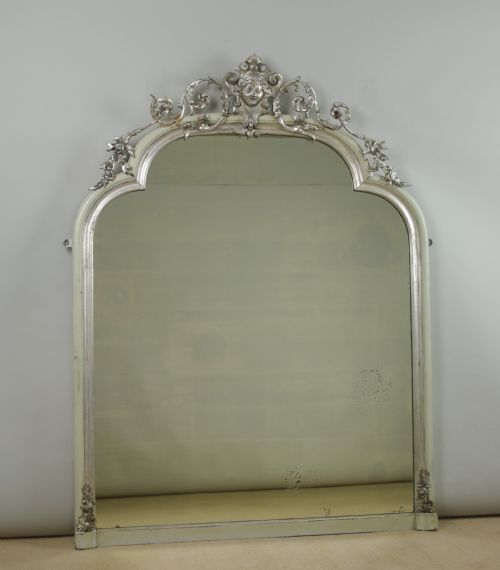
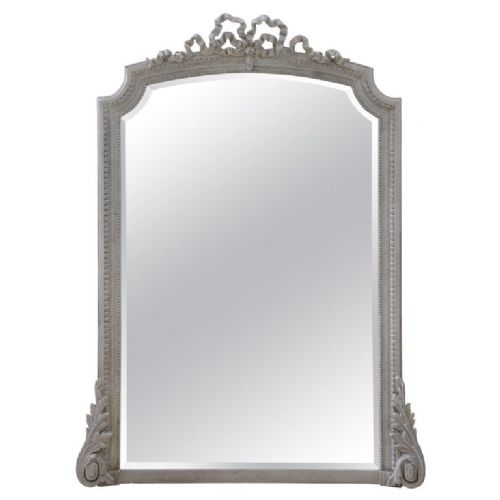
Frames rely on carved wood and moulded gesso applied over a wooden substrate to build up crisp architectural details and curved arches. Artisans then applied paint finishes, sometimes incorporating parcel gilding, silvering, or hand-painted decorative motifs directly onto the prepared surface.
Mirror glass is set within these composite frames, occasionally accompanied by eglomise panels or specialised glazing techniques that reflect period manufacturing methods.
Listings feature pieces from the Victorian era and the broader nineteenth century, utilising materials including carved wood, gesso, paint, and gold leaf.
What Varies in Quality
The degree of refinement in the carved wood and gesso ornamentation distinguishes standard production from exceptional examples. Deeper relief work, intricate moulded details such as laurel leaves, and well-executed surface painting elevate the visual weight of the piece.
Originality of the finish and the condition of the mirror glass contribute significantly to the standing of an individual item within the historic range.
The Painted Arch Mirror Glossary
- Overmantle mirror
- A large mirror specifically proportioned to hang on the wall directly above a fireplace mantelpiece. These often incorporate arched tops to draw the eye upward.
- Gesso
- A plaster-like mixture applied to wooden frames and carved or moulded into decorative low-relief patterns before painting or gilding. It provides a smooth base for surface decoration.
- Parcel gilt
- A decoration technique where portions of an object are highlighted with gold leaf while the rest of the surface is painted or left in the natural wood. This creates a contrasting two-tone effect.
- Eglomise
- A process of applying cold painting and metallic leaf to the reverse side of glass to create a reflective, ornate decorative panel. It appears in traditional pier and wall mirrors.
- Pier mirror
- A tall mirror traditionally hung on the narrow pier of wall space between two windows. They frequently match console tables or lower cabinet furniture.
Painted Arch Mirror: Frequently Asked Questions
Where should an arch mirror hang?
These mirrors are traditionally positioned above a fireplace mantelpiece as an overmantle, where their curved top echoes architectural lines in the room.
Alternatively, they function effectively on principal walls in reception rooms to bounce natural light into darker corners.
How do I identify a nineteenth-century piece?
Examine the construction of the frame behind the glass, looking for traditional timber preparation, hand-applied gesso moulding, and period fixings.
Nineteenth-century examples frequently show subtle irregularities in the carved wood and painted surfaces that distinguish them from modern reproductions.
What is parcel gilding on a mirror?
Parcel gilding is a decorative method where specific raised elements of the frame receive gold leaf, contrasting with the painted background.
This technique accentuates the carved wood details and adds depth under changing indoor lighting.
Are these mirrors heavy to mount?
Many of these pieces utilise solid timber construction combined with gesso and heavy glass, resulting in substantial physical weight.
Secure wall fixings and professional installation into structural wall studs or masonry are necessary to support the load safely.