

Painted Stools
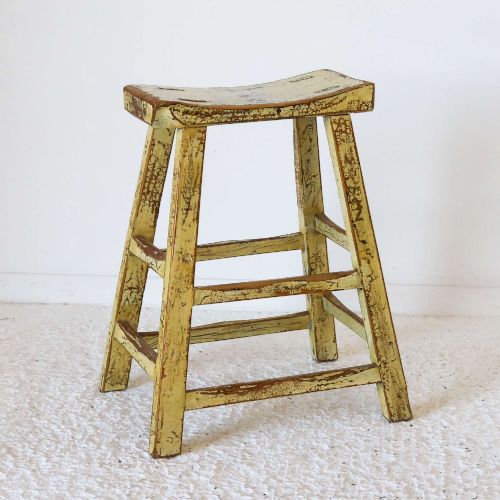
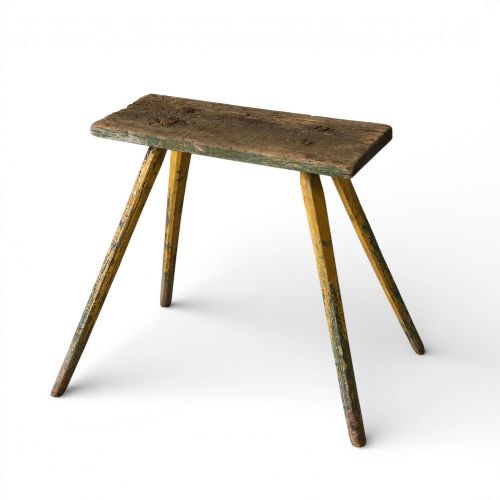
These painted antique stools span rustic milking forms and refined continental styles, offering useful low seating with surface character.

Painted Stools
When you search for painted antique stools, you encounter a varied group of functional seating ranging from simple rustic country dairy forms to formal neoclassical designs. The pieces on this page emerge from periods spanning the nineteenth and early twentieth centuries, taking the shape of low stools, window seats, footstools, and garden seats.
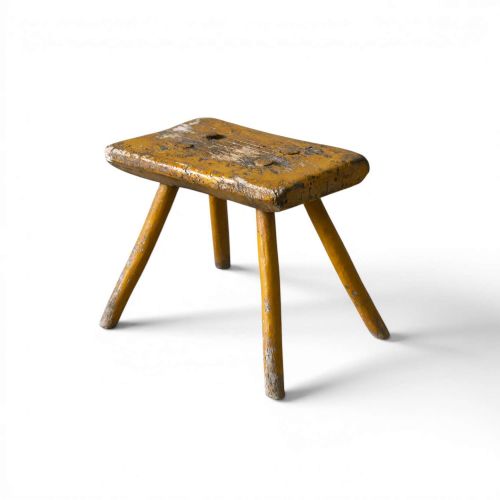
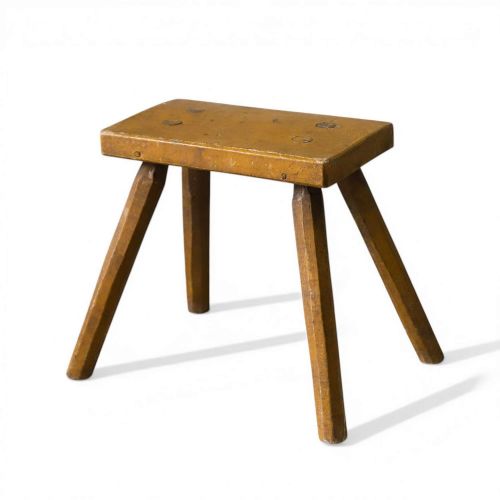
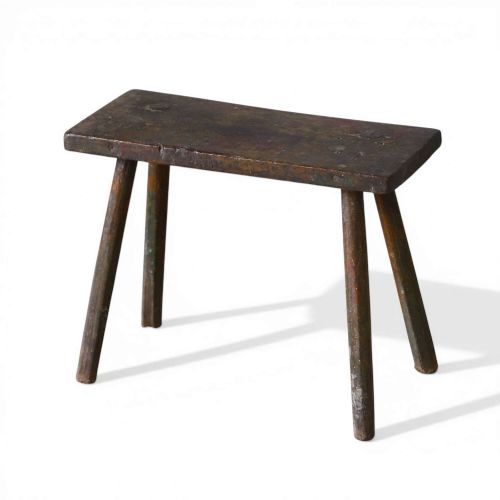
Most frequently, you meet country pine milking stools bearing original ochre, yellow, or green paint, alongside Swedish Gustavian forms finished in white or cream. European and Asian workshops produced these items in wood, ceramic, and ironstone, utilising styles that encompass French provincial, Chinese lacquer, and industrial metal.
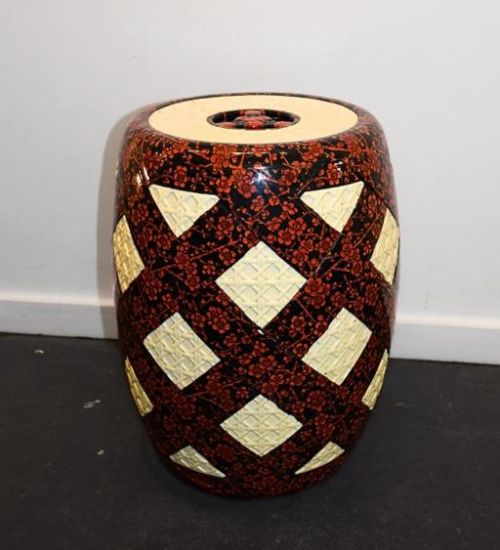
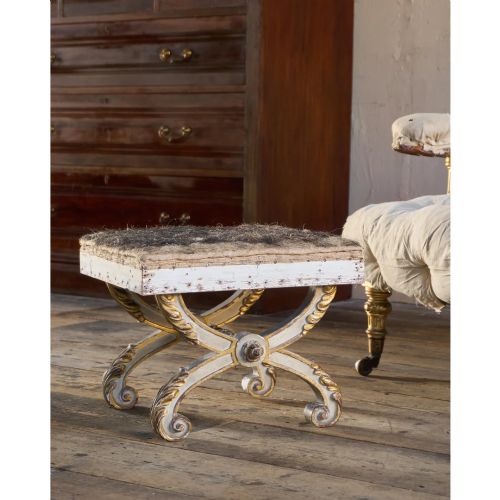
Forms extend beyond standard low seats to include benches, X-frame curule footstools, and barrel garden seats. Each variety serves a specific domestic or exterior function, uniting utility with decorative surface treatment.
How they were made
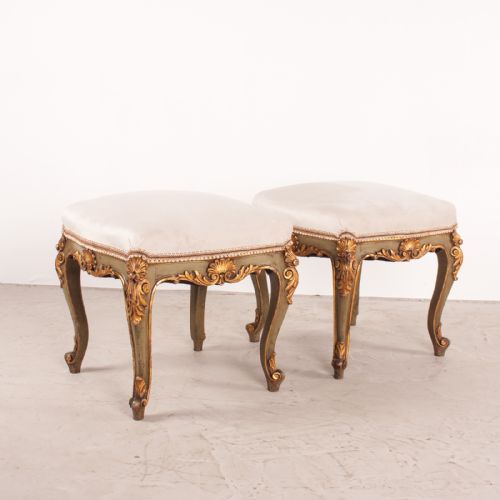
Makers constructed these pieces primarily from solid woods such as pine, elm, and oak, frequently applying layers of oil-based paint directly to the timber. Surface decoration often involved hand-applied pigments, gilding with gold leaf, or lacquer finishes over carved and turned structures.
Ceramic and ironstone versions required specialised kiln firing and hand-painted or clobbered glazing techniques, particularly evident in garden seats from nineteenth-century kilns. Structural joinery relied on traditional methods like pegged mortise and tenon joints for wooden frames, ensuring durability through decades of daily use.
Listings demonstrate that nineteenth-century painted wooden stools frequently utilise pine, elm, and original polychrome finishes.
What varies in quality
The distinction between ordinary and superior examples rests largely in the survival of original surface finishes rather than later overpainting. Pieces retaining their untouched historic pigment, whether weathered ochre on a dairy stool or gilt detailing on a continental frame, command greater attention from collectors.
Construction integrity and finer carving details also separate standard utility items from high-status workshop pieces. Finer proportions, sophisticated turning, and balanced decorative motifs indicate skilled craftsmanship during manufacture.
Miles & Edwards
The Painted Stools Glossary
- Gustavian
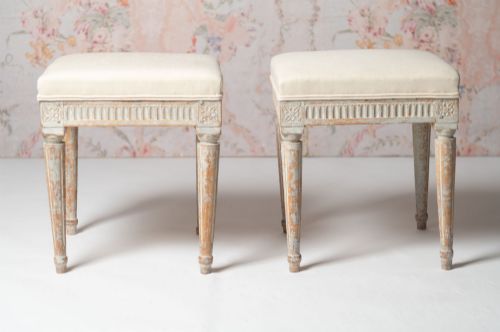
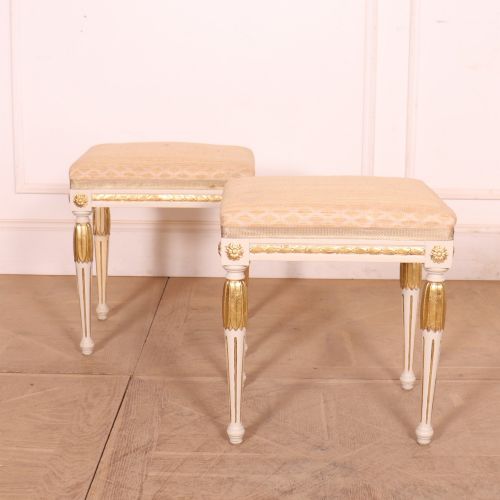
- The Swedish interpretation of French neoclassical design, typically characterised by pale painted finishes, restrained carving, and tapered legs.
- Curule
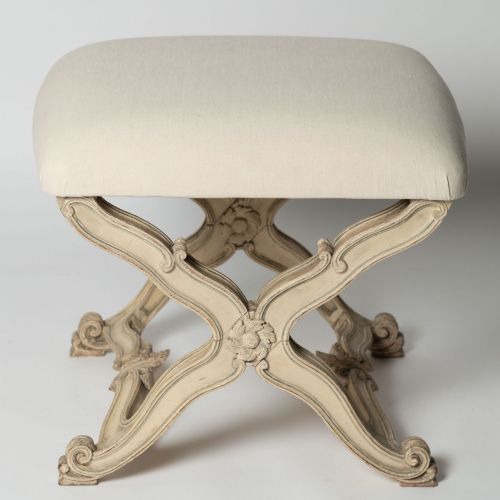
- An ancient Roman shape featuring intersecting curved legs forming an X-frame, often utilised for formal footstools and folding seats.
- Clobbered
- A ceramic decoration technique where older blue and white porcelain received additional overglaze colours and gilding to enhance decorative appeal.
- Milking stool
- A simple three or four-legged wooden seat traditionally used by dairy workers, valued today for compact dimensions and honest utility.
- Rose Medallion
- A nineteenth-century Chinese porcelain decorative style featuring panels of figures, birds, and flowers painted in predominantly pink and green enamels.
Painted Stools: Frequently Asked Questions
How do I identify original paint on antique stools?
Original paint typically displays natural wear patterns, craquelure, and subtle layers of oxidation consistent with age. Under magnification, early pigments show characteristic mineral composition without modern chemical binders.
Secondary overpainting often masks historic surfaces and alters the tactile quality of the wood underneath. Examining undersides and joints helps reveal the primary finishing layers applied by the maker.
Where were milking stools used in the home?
Milking stools originated in agricultural settings for farm labour before moving into domestic spaces as impromptu seats or plant stands. Their compact footprint made them practical additions beside hearths or in narrow hallways.
Today, buyers place these low wooden forms beside armchairs as occasional surfaces or group them for decorative effect. Their modest scale allows them to fit easily into smaller rooms.
Are ceramic garden seats suitable for indoor use?
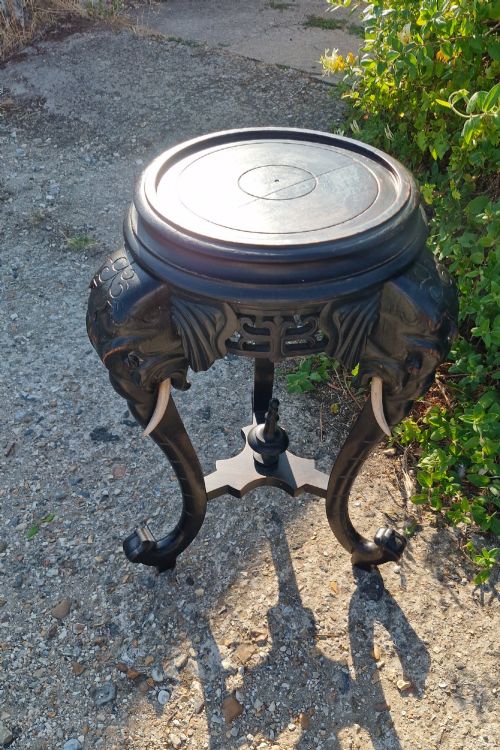
Nineteenth-century ceramic and porcelain garden seats function effectively indoors as side tables, pedestals, or sculptural accents. Their glazed surfaces resist moisture and provide a stable flat top for decorative objects.
When placed outside, these pieces require protection from freezing temperatures to prevent historic ceramic bodies from cracking. Historic glazes appreciate gentle cleaning with mild soap rather than abrasive chemicals.
What is the difference between a window seat and a stool?
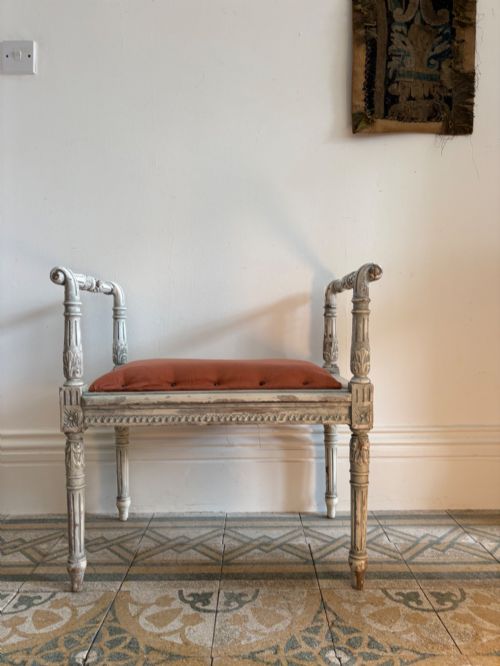
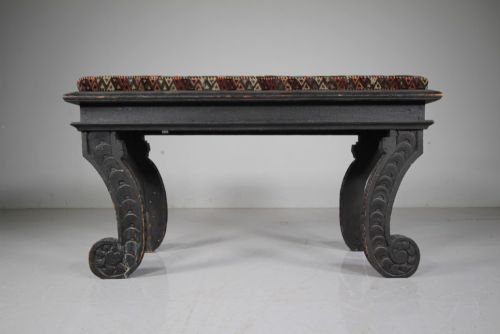
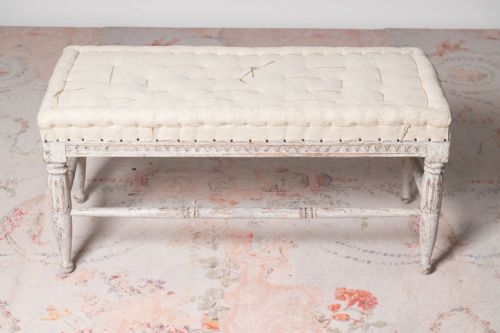
Window seats feature elongated rectangular proportions specifically designed to fit beneath window recesses, often incorporating upholstered silk or fabric tops. Standard stools offer square or circular seats intended for versatile placement anywhere in a room.
Both forms utilise painted wooden frames, but window seats frequently display more formal stylistic traits such as neoclassical carving or turned arm supports. Their shapes reflect dedicated seating purposes rather than portable utility.