

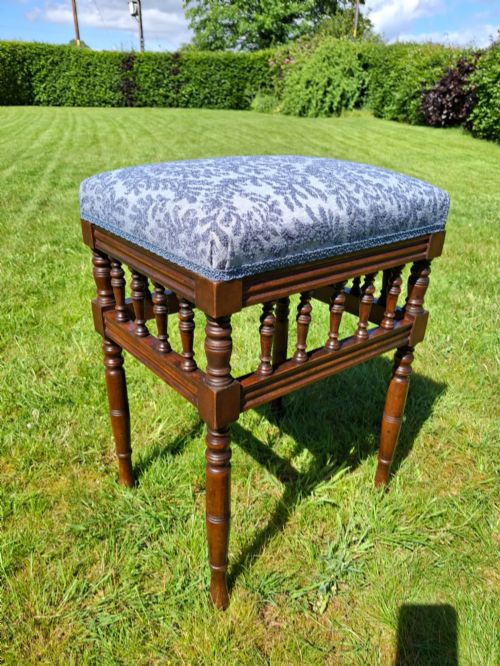


Padded Mahogany Footstool
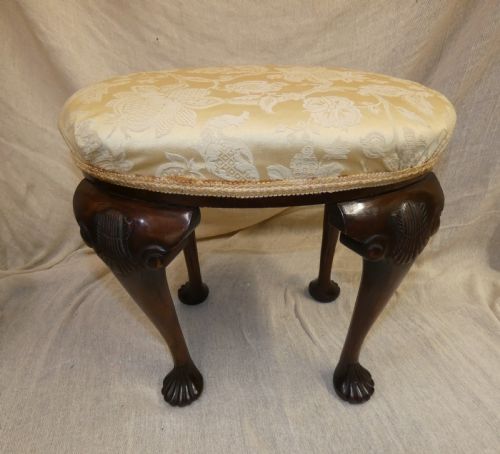
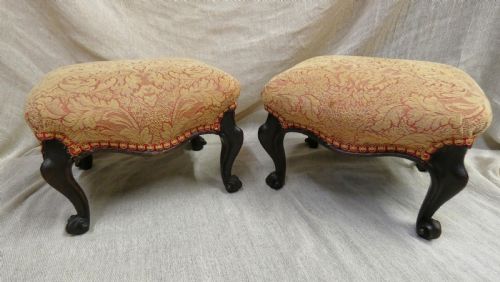
A padded mahogany footstool brings solid timber frames and soft top coverings together, offering a traditional resting place for tired feet.
Padded Mahogany Footstool
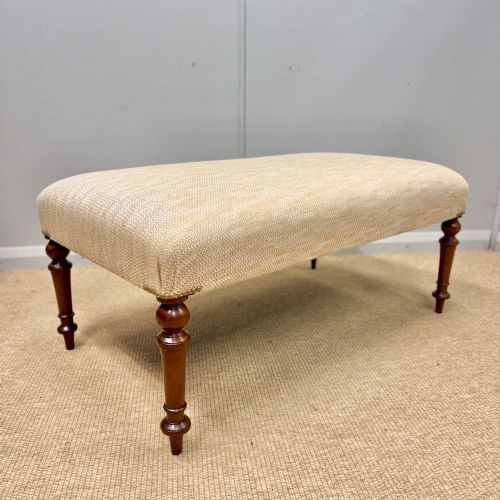
When you search for a padded mahogany footstool, you encounter low timber supports designed for comfort alongside seating arrangements in a room. These pieces appear in forms ranging from simple rectangular frames to circular seats and larger ottomans with storage.
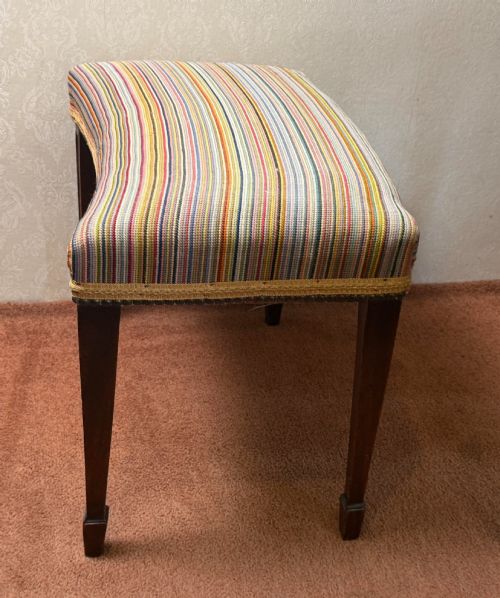
The versions most common on this page date from the eighteenth century through to the Edwardian period, often reflecting Victorian or Regency tastes. Makers built these items as footstools, piano seats and dressing table stools using dense tropical timber.
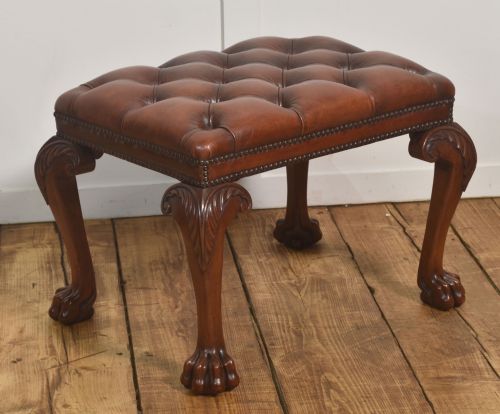
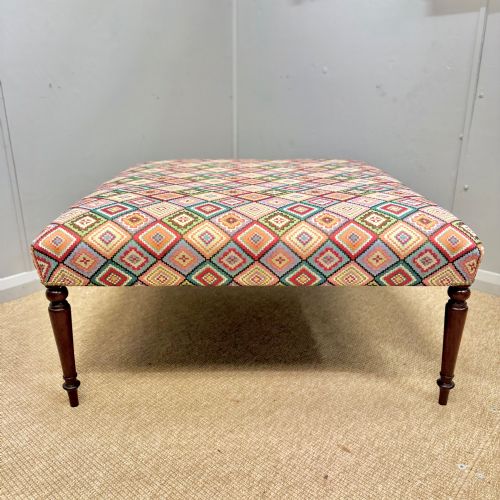
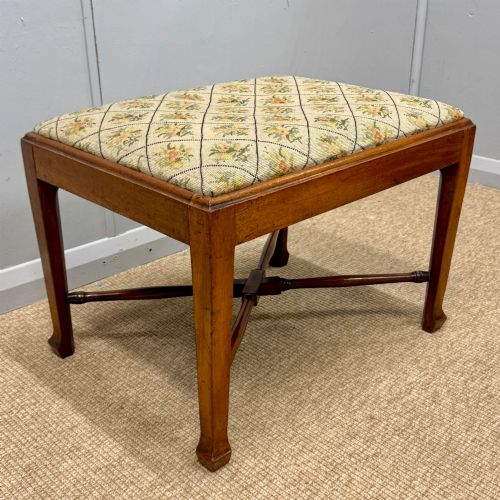
Many examples arrive with upholstered tops covered in fabric, leather, velvet, tapestry or needlepoint. Certain variants stand on brass castors or feature cross stretchers beneath the seat frame.
How they were made
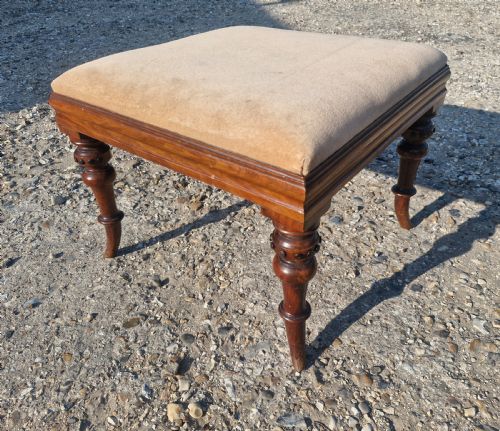
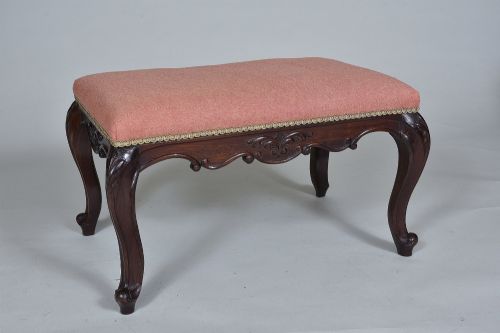
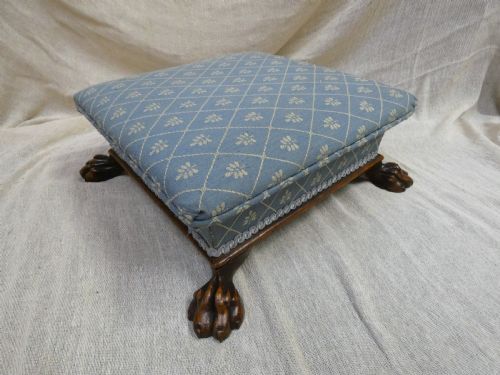
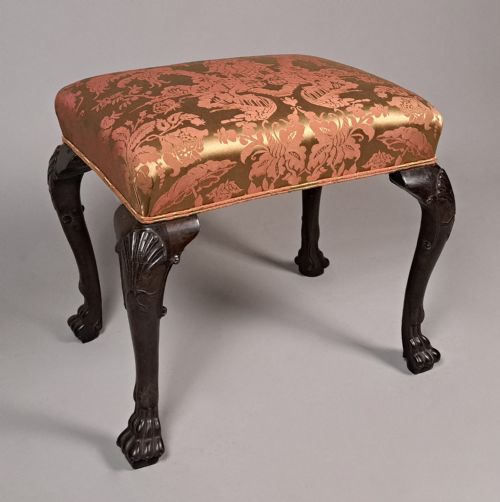
Cabinet makers constructed the foundational frames using solid mahogany, shaping the wood into square tapering legs, cabriole legs or lion's paw feet. Joinery techniques ensured sturdy load-bearing structures capable of enduring daily use.
Upholsterers layered webbing, stuffing and top textiles over the timber frame, securing the fabric with tacks. Materials such as leather, velvet, tapestry and printed cotton fabrics completed the upper surface.
Some nineteenth-century footstools hid secret compartments for needlework supplies beneath plush velvet lids.
What varies in quality
The refinement of the timber carving and the elegance of the leg profile separate standard examples from finer pieces. Pieces exhibiting crisply carved details or specific revival styles display superior craftsmanship.
The selection of covering material and the integrity of the underlying upholstery contribute to the overall standard. Original upholstery textiles or quality replacement fabrics alter the character and historical appeal of each piece.
Howard and Sons·Liberty·Mathew Gregson
The Padded Mahogany Footstool Glossary
- Cabriole leg
- A furniture leg that curves outward at the knee and tapers inward toward an ankle or foot, often seen on eighteenth-century and Victorian pieces. This design draws inspiration from animal limbs.
- Cross stretcher
- An X-shaped timber brace connecting the legs beneath a stool for added stability. Cabinet makers utilised this feature on various eighteenth and nineteenth-century forms.
- Ottoman
- A low upholstered seat or footstool, sometimes constructed with a hinged lid revealing internal storage space. These larger forms served multiple functions in period interiors.
- Needlepoint
- Hand-stitched canvas embroidery utilising yarn to create geometric or pictorial patterns on stool tops. This textile work often appears on twentieth-century and earlier footstools.
- Castor
- A small wheel fitted to the base of a stool leg to allow smooth movement across floor surfaces. Brass fittings frequently appear on nineteenth-century examples.
Padded Mahogany Footstool: Frequently Asked Questions
How do I use a padded mahogany footstool today?
These low seats function naturally beside armchairs and sofas to support your feet during relaxation. They also serve as compact extra seating or low tables in sitting rooms.
Larger ottoman variants placed at the foot of a bed provide a convenient spot for sitting whilst dressing. Pieces with hinged lids offer hidden storage for blankets and small items.
How do I distinguish a Georgian stool from a Victorian one?
Georgian examples often display restrained proportions with square tapering legs or precise carving reflecting classical design rules. Eighteenth-century pieces frequently utilise solid mahogany with understated joinery.
Victorian versions tend to feature heavier proportions, cabriole legs, or elaborate revival details inspired by earlier eras. The introduction of brass castors and button-tufted leather frequently points to nineteenth-century production.
Are piano stools different from standard footstools?
Piano stools usually match the height required for keyboard players and occasionally incorporate swivel mechanisms or hinged music compartments beneath the seat. Edwardian and Victorian examples often tailored these seats specifically for musical use.
Standard footstools remain lower to the ground and focus entirely on foot support or casual seating rather than adjustable height mechanisms.
What fabrics cover these antique stools?
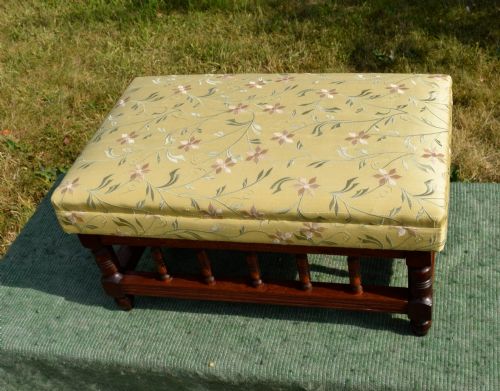
Upholstery ranges from durable leather and velvet to decorative tapestry, needlepoint and printed cotton textiles. Many pieces have undergone reupholstery over the decades to suit changing domestic interiors.
Surviving early textiles include patterned needlework and woven fabrics that reflect the aesthetic tastes of their original period of manufacture.