





Oversized Oriental Rug
An oversized oriental rug anchors a grand room with immense scale and rich, historic dye work.
Oversized Oriental Rug
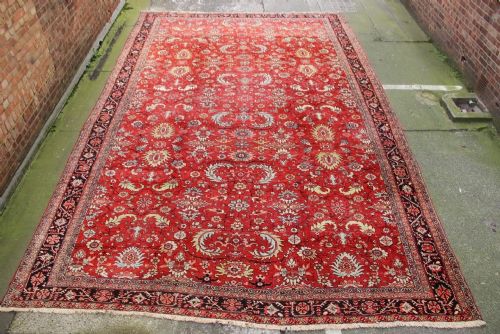
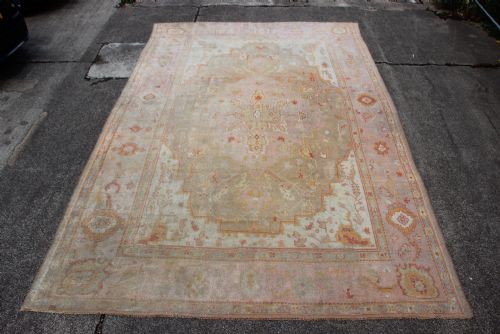
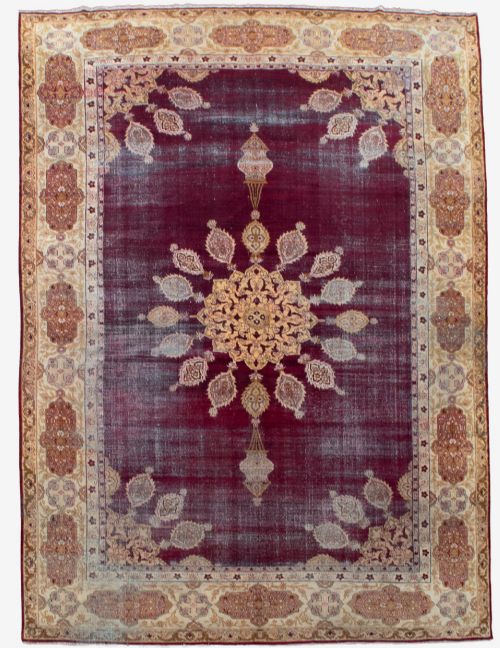
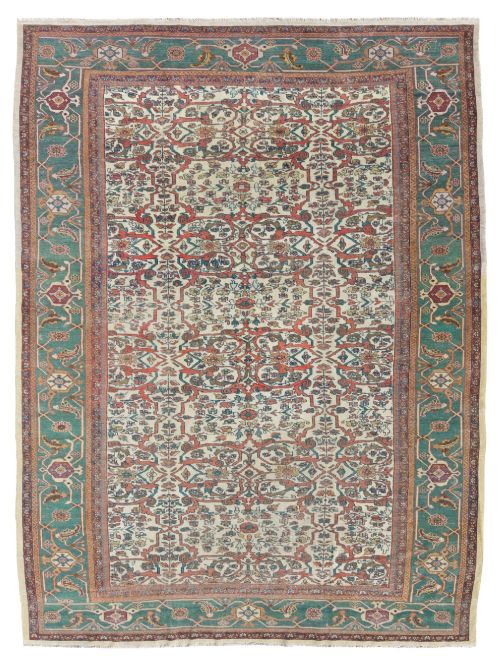
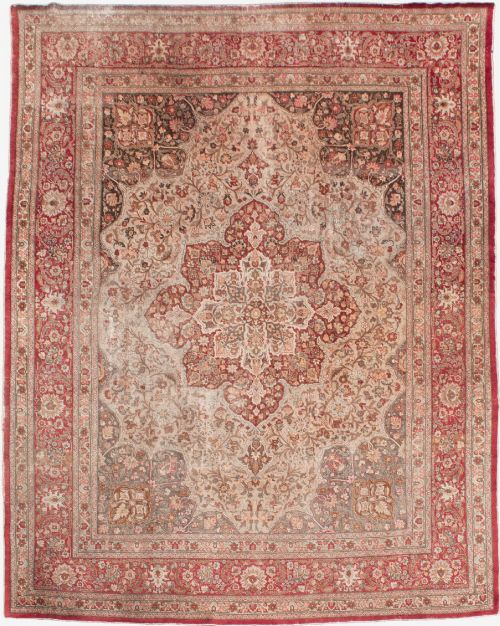
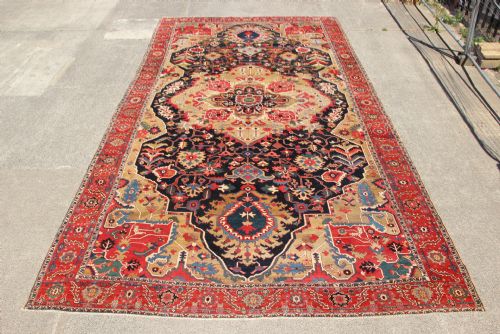
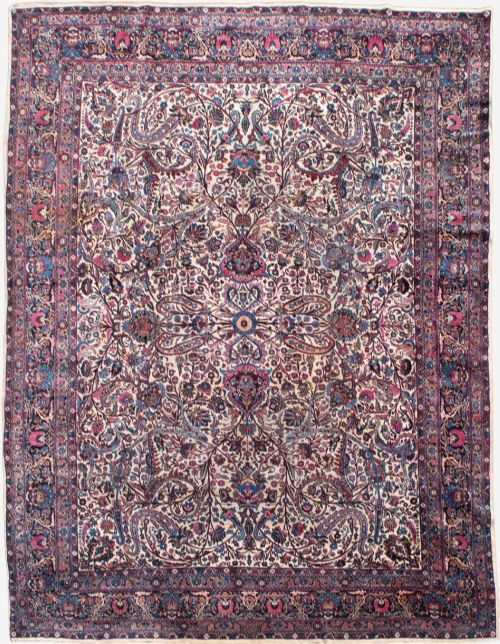
When searching for an oversized oriental rug, you are looking at substantial floor coverings designed for large country houses and principal reception rooms. These grand carpets span various origins and weaving traditions, sharing a massive scale that distinguishes them from standard domestic formats.
The pieces on this page are dominated by traditional Persian and Ottoman or Turkish provenances, including Oushak, Heriz, Sultanabad, and Kirman. Dating primarily from the late nineteenth century through to the early twentieth century, these carpets bring room-filling proportions and established regional patterns to extensive floor spaces.
Materials and construction
These heavy floor coverings are built upon sturdy cotton foundations, utilising resilient wool for the hand-knotted pile that withstands generations of use. The natural fibres accept traditional dyestuffs readily, creating deep fields of colour that develop a soft patina over decades.
Weavers knotted dense piles onto parallel warp and weft threads, constructing substantial carpets designed for durability in large chambers. The combination of sturdy cotton backing and thick wool ensures each heavy piece lies flat and holds its structure across expansive dimensions.
Oversized Oriental Rug Retail Price Guide 2026
Typical asking prices for oversized oriental rug among the pieces listed under this phrase on Sellingantiques today, from the lower quarter to the upper quarter. They describe what is for sale here now, not the wider market.
Listings feature carpets spanning from the 1870s to the 1920s, constructed in wool and cotton across diverse Persian and Ottoman styles.
Factors of quality
Quality in these large carpets rests upon the precision of the knotting, the balance of the composition across an expansive field, and the depth of the palette. Superior examples demonstrate expert handling of large-scale motifs, ensuring the central medallion and border systems relate harmoniously without feeling clumsy or disjointed.
The integrity of the wool and the vibrancy of the natural dyes separate the finest work from standard production. A successful piece maintains structural firmness despite its vast surface area, showing careful selection of materials that age gracefully over time.
The Oversized Oriental Rug Glossary
- Warp
- The vertical threads stretched tightly on the loom that form the structural foundation of the carpet. The visible fringes at either end of the rug are the extensions of these core foundation threads.
- Weft
- The horizontal threads passed across the warp strands after each row of knots to bind the structure firmly together. These threads are typically hidden within the body of the weave.
- Pile
- The surface layer of upright wool loops or cut ends that forms the soft texture of the carpet. The density and height of this wool layer dictate how the pattern reads underfoot.
- Medallion
- The large symmetrical ornament placed centrally within the field of many traditional oriental carpets. This central motif often dictates the geometric or floral layout of the surrounding design.
Oversized Oriental Rug: Frequently Asked Questions
Where should I place an oversized rug?
These large carpets suit principal reception rooms, grand hallways, and open-plan living spaces where furniture can sit comfortably within the borders of the design. They provide a strong visual anchor for substantial seating arrangements.
Ensure you measure your floor space carefully, leaving a uniform margin of exposed floorboards or stone around the perimeter to let the scale of the carpet breathe.
How do I care for a wool carpet?
Regular gentle vacuuming without a rotating brush bar prevents dust from settling deep into the wool pile. Professional cleaning should be undertaken periodically by specialists familiar with antique textiles.
Protect the heavy rug from direct, prolonged sunlight to prevent uneven fading of the natural dyes across the large expanse of the field.
How do I identify different regional styles?
Regional types are distinguished by their specific drawing styles, palette choices, and knotting structures. For instance, Heriz carpets often feature bold geometric medallions, whilst Oushaks tend toward softer floral sprays and muted terracotta or pale blue washes.
Comparing the border arrangements and secondary motifs helps attribute a piece to specific weaving centres such as Kirman, Sultanabad, or Tabriz.
What does pile wear indicate?
Areas of lower pile show the natural history of foot traffic and placement within past homes over many decades. Even, low wear across a large surface often indicates a well-loved and regularly used interior furnishing.
Heavier local losses require careful assessment to distinguish between honest historical thinning and areas that need structural conservation by a textile specialist.