
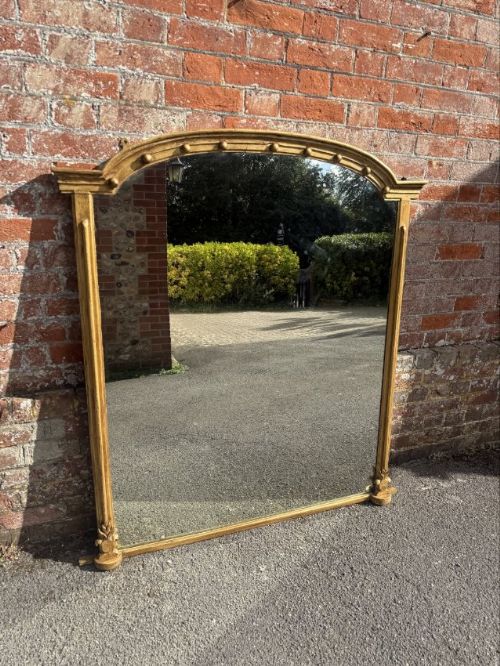
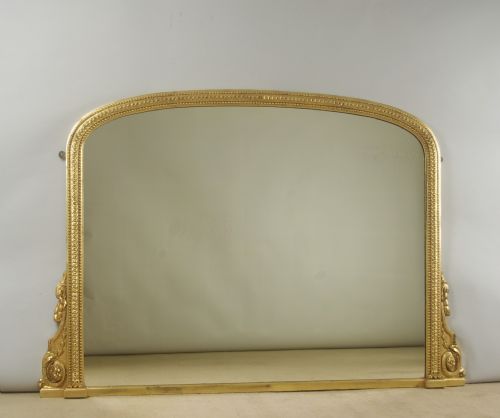
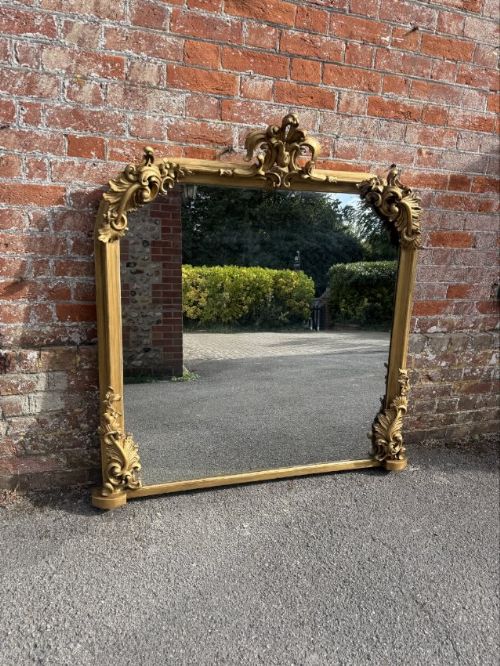
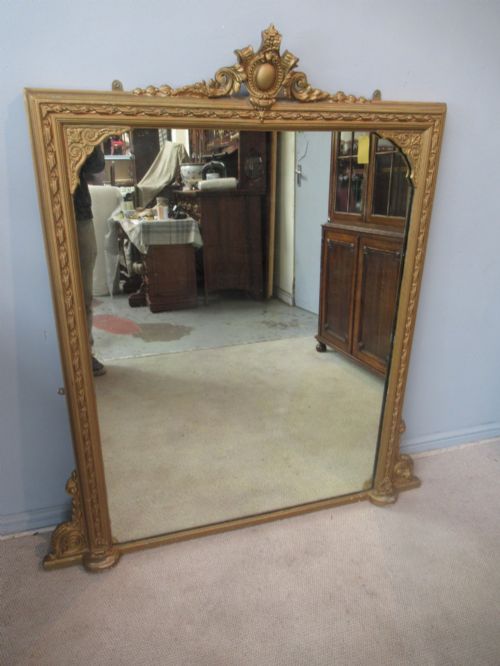
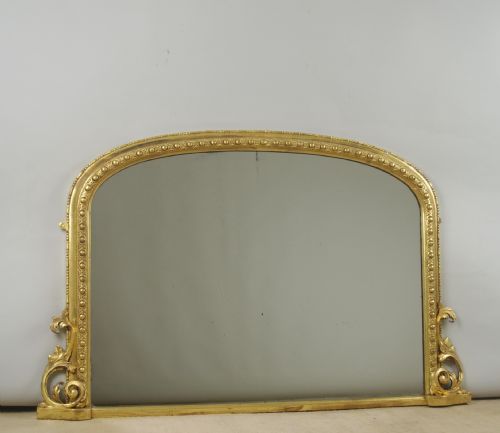
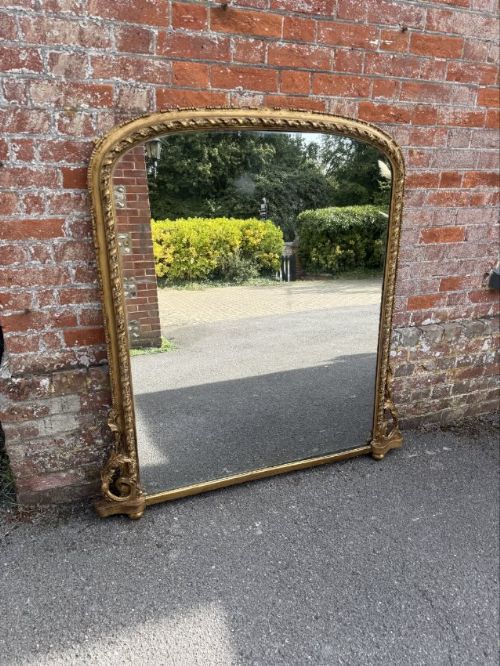
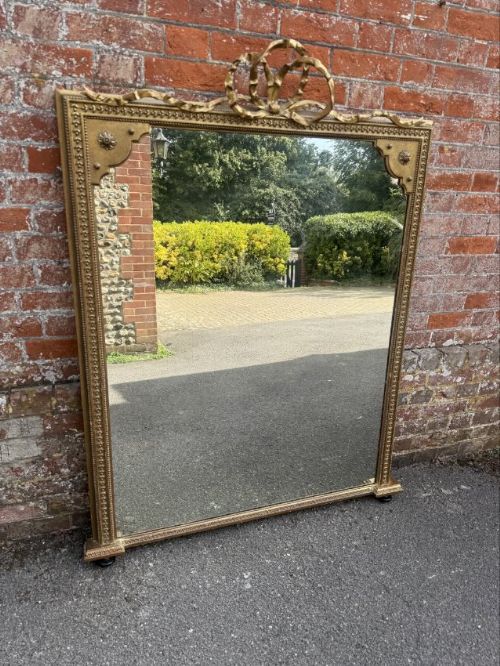
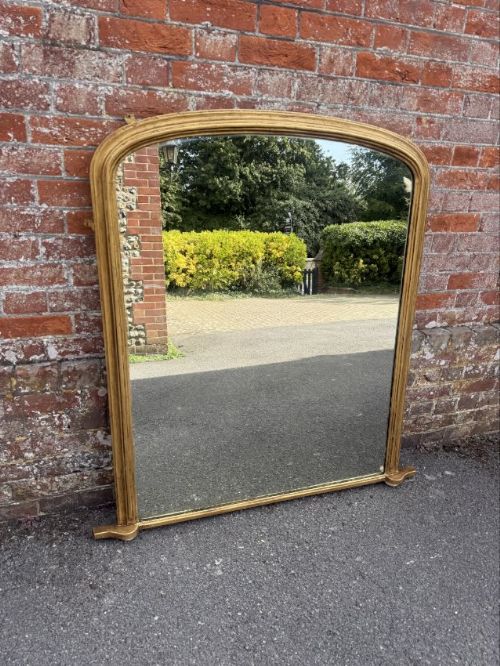
Overmantle Fireplace Mirror
When you search for an overmantle fireplace mirror, you are looking at large, wide frames designed to sit directly above a hearth.
Overmantle Fireplace Mirror
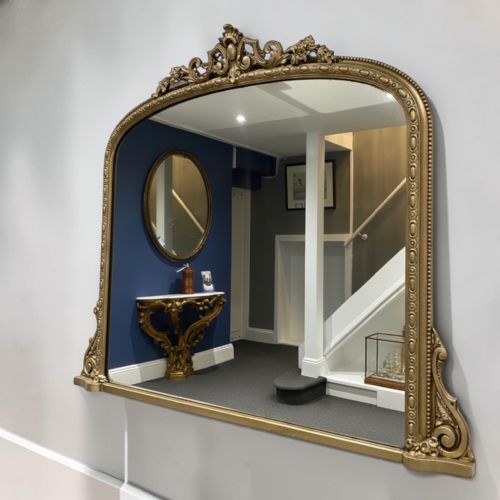
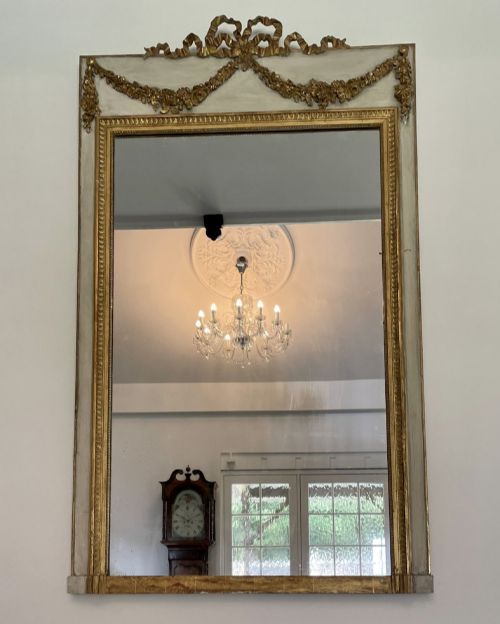
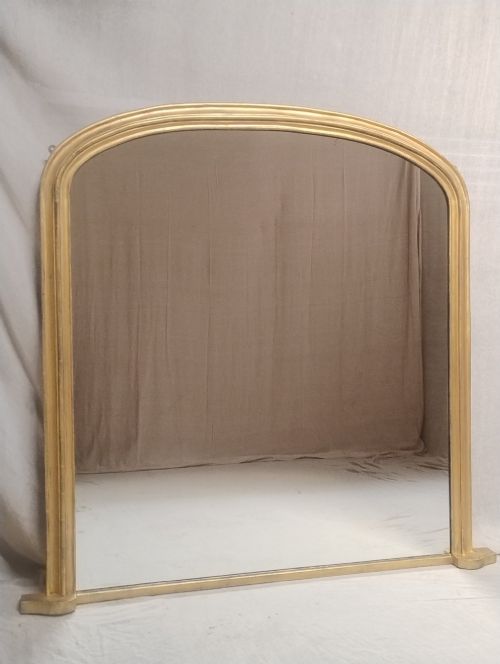
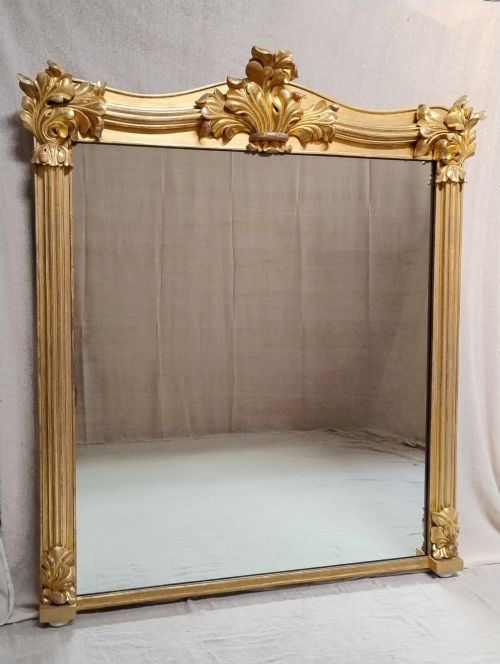
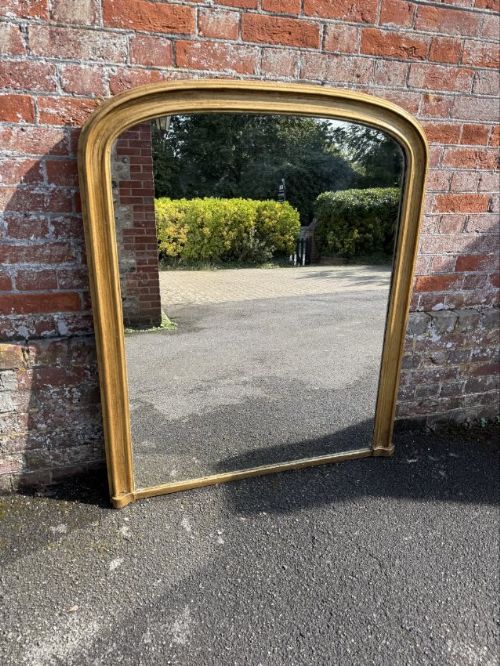
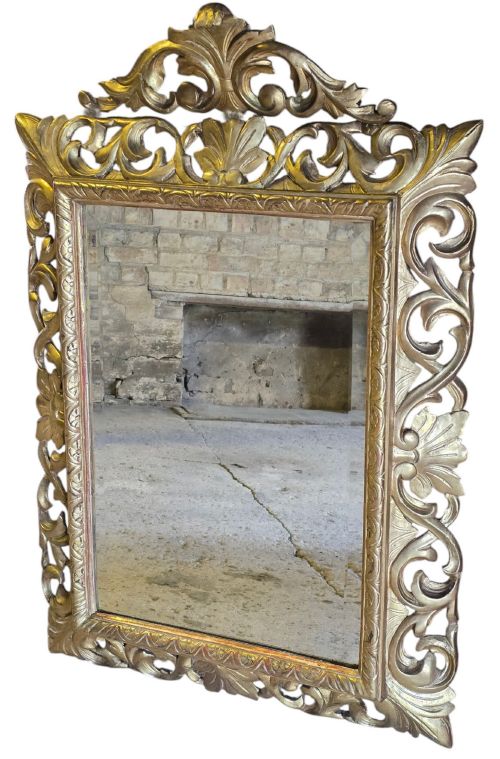
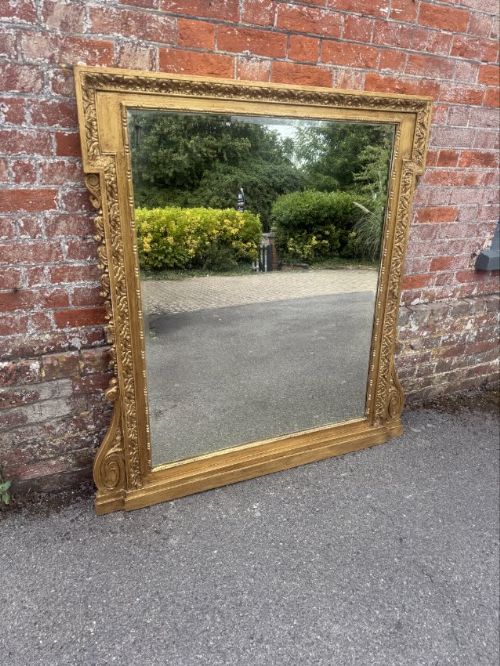
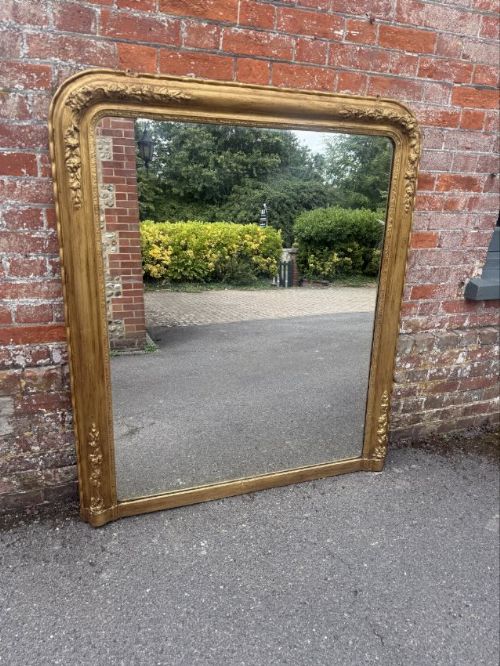
An overmantle fireplace mirror is a large, substantial looking-glass created specifically to hang on the wall above a chimney breast. The pieces seen here span the nineteenth century, including Victorian, Regency, and Edwardian periods, with many bearing traditional arched, shaped, or rectangular tops. English and French origins dominate the selections, alongside specific regional styles such as Florentine.
Most examples you will encounter on this page feature gilt finishes applied over carved wood and gesso, often taking the form of large wall mirrors intended to anchor a room's proportions. You will also find variations using materials like walnut, oak, rosewood, and painted pine, alongside giltwood and composition frames. These objects serve both a decorative and practical function, reflecting light from the fireplace across the interior space.
How they were made
Makers constructed the structural frames of these mirrors using timber such as pine, oak, walnut, or rosewood, often shaping the wood with carved details. Over this wooden base, artisans applied layers of gesso - a mixture of plaster of Paris and glue - to build up intricate surface ornamentation and mouldings.
Guilders then applied gold leaf or gold paint to the prepared gesso surfaces, creating the luminous metallic finishes seen on many surviving frames. Alternatively, some pieces utilised composition ornament pressed into moulds, while glass plates were fitted into the rebates, sometimes accompanied by triple plate configurations or lightly foxed mirror glass.
Several mirrors include nautical rope twist frames, proving that even nineteenth-century mantelpieces occasionally harboured a sailor's penchant for the sea.
What varies in quality
The distinction between standard and superior pieces rests largely in the depth and crispness of the hand-carved woodwork versus moulded composition details. Finer examples display meticulous joinery, balanced proportions, and deeply layered gilding on wood and gesso, whereas simpler pieces rely on heavier composition ornaments that can appear more uniform.
The condition and clarity of the mirror plate itself also define the tier of the piece, with original bevelled or lightly foxed glass adding historical integrity. Additionally, the complexity of the frame design - such as rope twists, columns, or elaborate architectural arches - distinguishes standard decorative mirrors from exceptional statement pieces.
The Overmantle Fireplace Mirror Glossary
- Gesso
- A plaster-based mixture applied to wooden frame foundations to provide a smooth, sculptable surface for gilding. Artisans carved intricate decorative motifs directly into this dried layer.
- Giltwood
- Timber that has been coated with thin sheets of gold leaf. This technique gives the frame its characteristic metallic sheen and protective outer layer.
- Foxed glass
- Mirror glass that has developed spots, ageing marks, or discoloration due to the degradation of the backing silver over time. This process occurs naturally as moisture interacts with the reflective coating.
- Composition
- A moulded mixture of whiting, resin, glue, and linseed oil pressed into decorative shapes. It offered a quicker alternative to hand-carving complex frame ornaments.
- Triple plate
- A mirror construction featuring three distinct glass sections within a single frame. This layout often includes a larger central mirror flanked by smaller vertical panels.
Overmantle Fireplace Mirror: Frequently Asked Questions
Where should an overmantle mirror hang?
These mirrors traditionally sit directly on the mantelpiece shelf or mount on the wall immediately above the fireplace opening. Their proportions balance the visual weight of the hearth below.
Positioning the glass at this height captures and reflects natural light from windows across the room, brightening the entire space.
How do I know the period of a mirror?
You can date a piece by examining the construction methods of the wooden frame, the style of the gesso, and the characteristics of the mirror plate. Regency and Victorian examples often feature distinct architectural motifs and framing details.
Examining the backboards, fixings, and type of glass will also reveal clues about the manufacturing era and whether components have been replaced.
Are these mirrors heavy to hang?
Yes, due to the combination of dense timbers, thick gesso layers, and large glass plates, these frames carry considerable weight. Secure wall fixings into masonry or structural studs are essential for safe installation.
Professional hanging hardware designed for heavy mirrors ensures the piece remains securely anchored above the fireplace mantel.
What is foxed glass on old mirrors?
Foxed glass refers to the natural ageing of the reflective silver backing, which produces soft, cloudy patches and dark spots. This chemical change happens over decades as air and moisture interact with the materials.
Many collectors value lightly foxed glass because it confirms the authenticity and age of the mirror plate.