
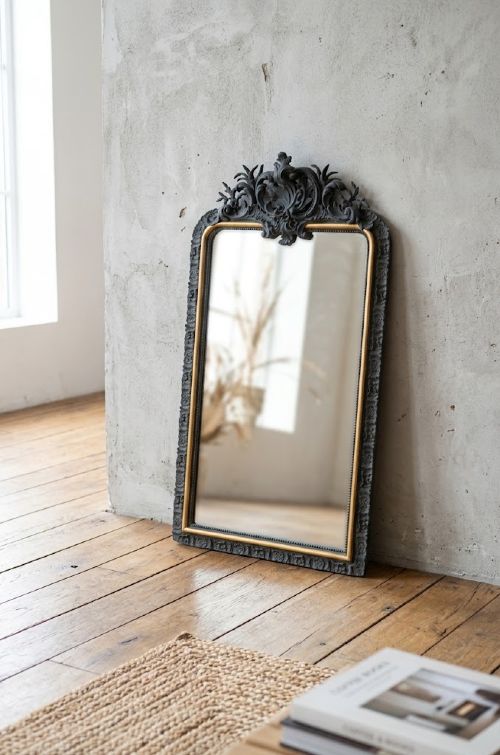
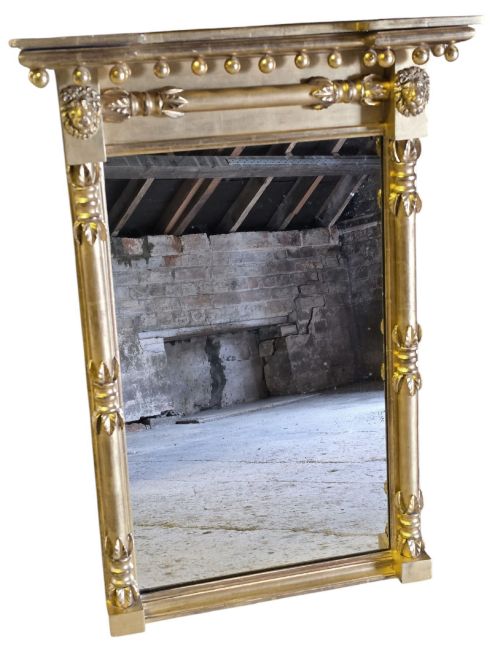
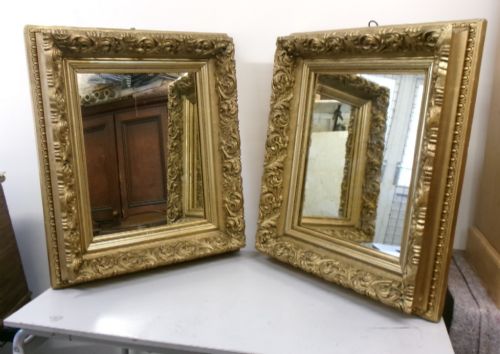

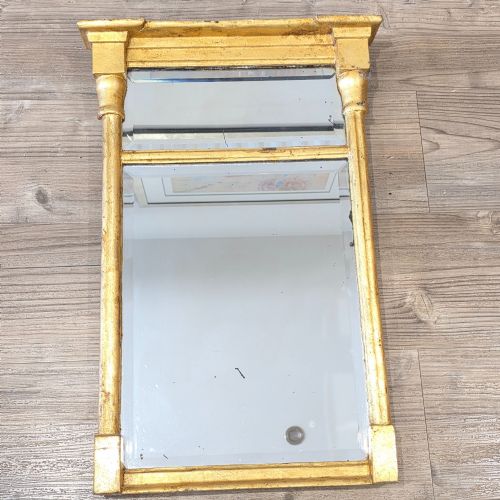
Overmantel Pier Glass Mirror
An overmantel pier glass mirror commands a room, reflecting light from a grand fireplace or between tall windows with period authority.
Overmantel Pier Glass Mirror
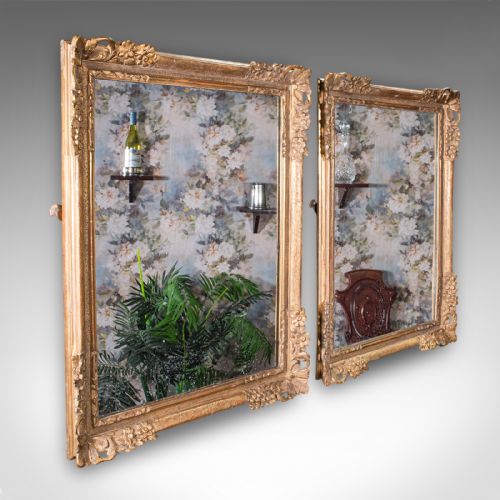
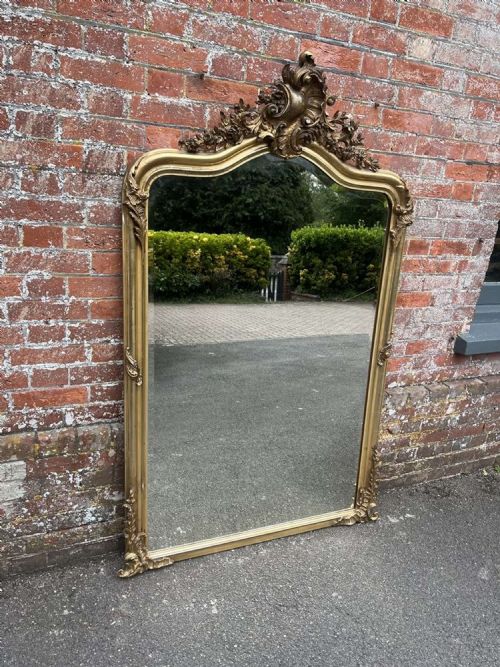
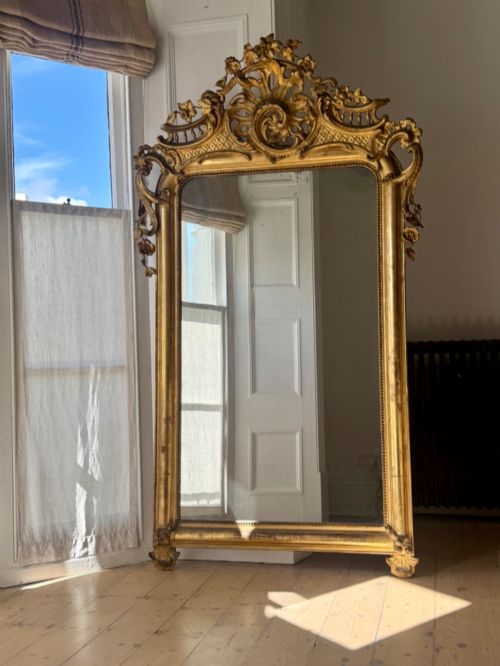
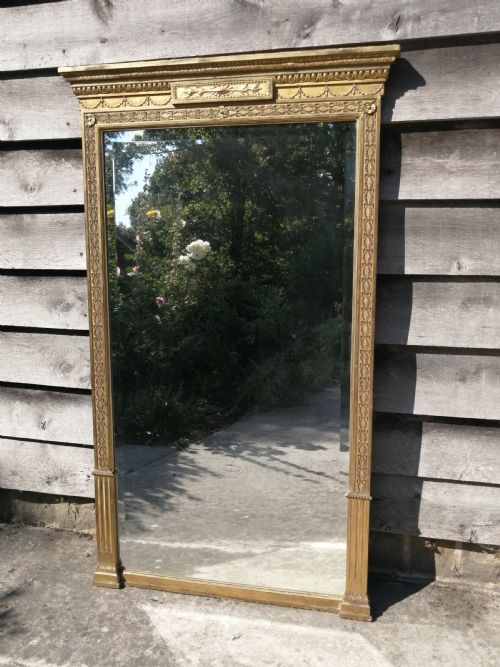
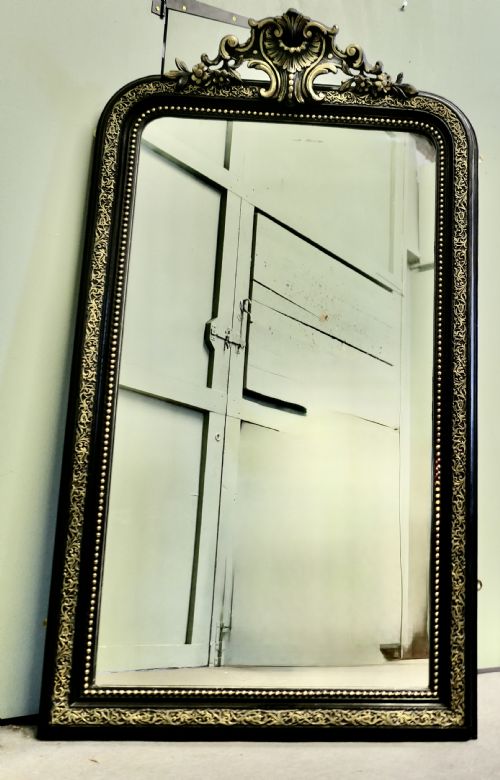
An overmantel pier glass mirror combines the functions of architectural wall adornment and functional reflection, designed specifically to hang above a fireplace or fill the narrow wall space between windows. When searching for an overmantel pier glass mirror, a buyer encounters forms that span from the restrained geometry of the Georgian and Regency eras to the ornate flourish of Victorian revivals.
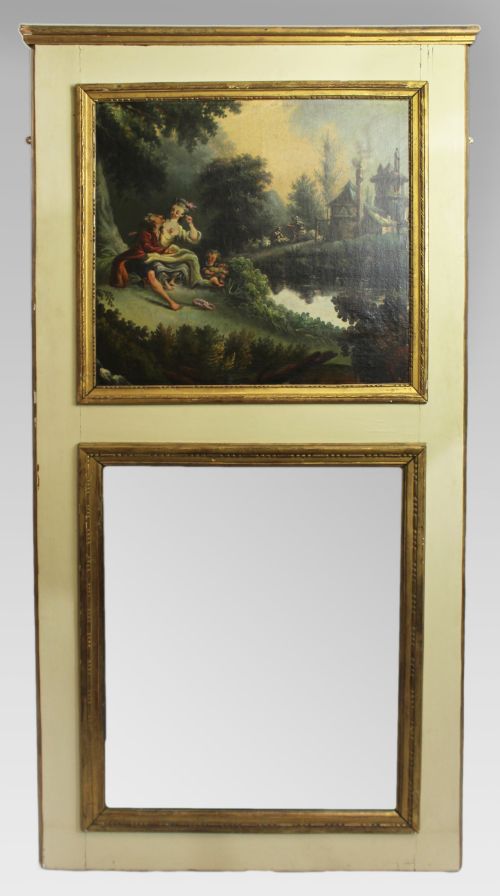
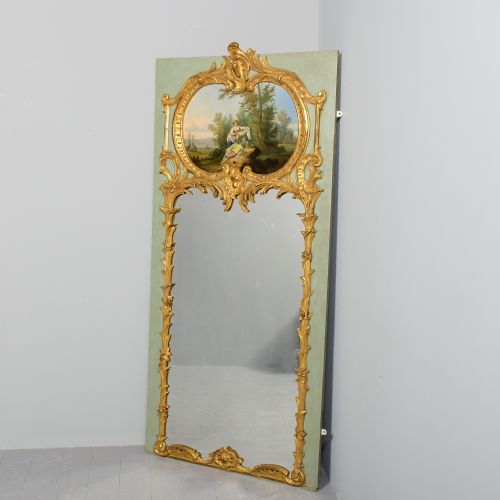
The pieces on this page heavily favour nineteenth-century examples, alongside select eighteenth-century and early twentieth-century revivals. Regional variations appear distinctly, from English mahogany and giltwood frames to French trumeau panels incorporating pastoral oil paintings and Italian Florentine carvings.
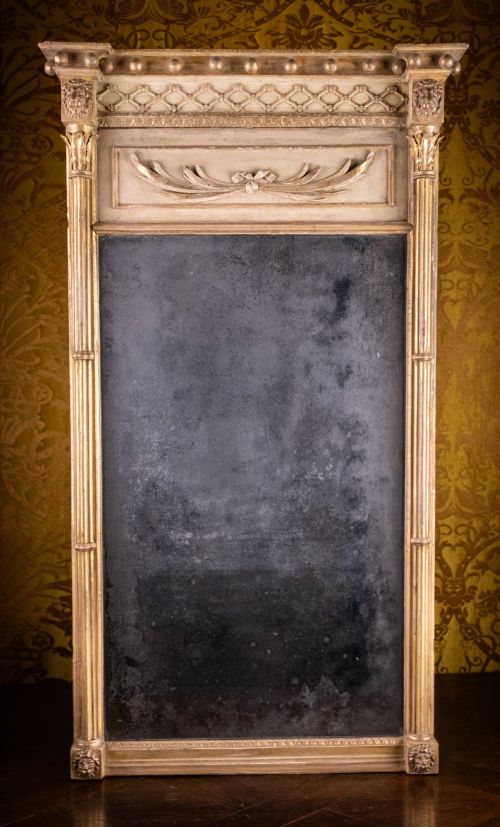
The primary formats range from tall, slender pier mirrors built for vertical spaces to expansive overmantel glasses shaped with arched tops or classical columns. Many examples arrive as matched pairs, displaying symmetrical details such as lion masks, reeded mouldings, or Egyptian revival motifs.
Materials and Construction
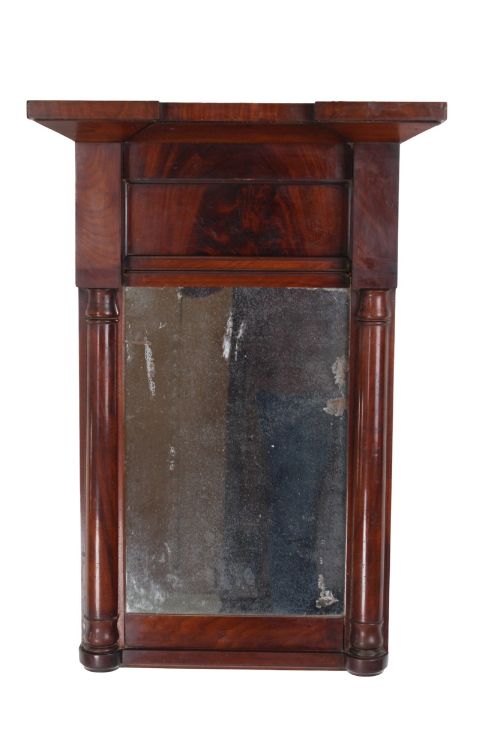
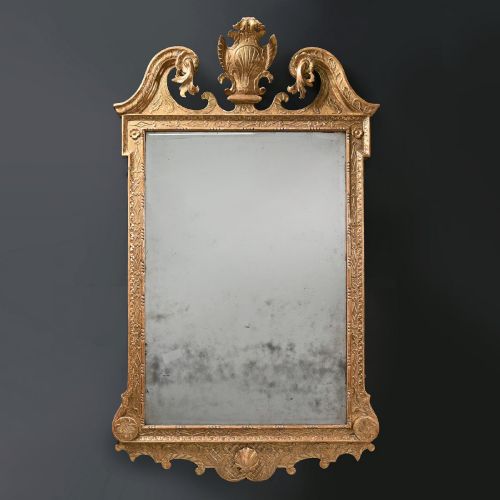
Craftsmen built these frames using dense hardwoods like mahogany and walnut, alongside softer timbers designated for intricate carving and water gilding. Giltwood and gesso surfaces received layers of gold leaf or paint, sometimes combined with ebonised finishes and parcel-gilt highlights.
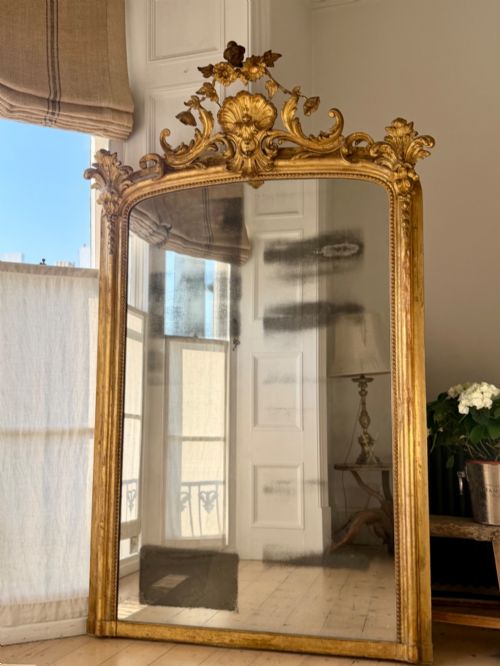
Mirror plates of the period frequently utilise mercury glass or early float glass, often showing foxing, silvering loss, or the dark speckles characteristic of age. Specialised techniques such as verre églomisé introduce reverse-painted glass panels into the upper sections of the frame.
Structural elements rely on traditional joinery, with carved wooden details applied over a prepared gesso ground. Painted wood frames incorporate delicate pastoral scenes or decorative motifs directly onto integrated panels.
Several mirrors include painted equestrian scenes and pastoral oil paintings, proving that past owners occasionally preferred horses and sheep over their own reflections.
Distinctions in Execution
Quality rests in the crispness of the hand-carved gesso and the depth of the gilding applied over the wooden substructure. Superior examples display sharply defined motifs, such as lion masks or columns, rather than softened contours resulting from worn moulds.
The integrity of the glass plate dictates the visual success of the piece, where original mercury plates retain a soft, deep reflectivity distinct from modern replacements. The cohesion between the frame, the original backing boards, and any integrated oil paintings determines the historical completeness of the object.
The Overmantel Pier Glass Mirror Glossary
- Pier glass
- A tall mirror designed specifically to hang on the narrow pier of wall space situated between two windows. It frequently sat above a console table.
- Trumeau mirror
- A decorative wall mirror incorporating an integrated painted panel or oil painting within the upper portion of the wooden frame. These pieces originated in eighteenth-century French interior design.
- Verre églomisé
- A cold decoration technique involving the application of gold or silver leaf to glass, combined with painting on the reverse side. It creates a rich, layered metallic background panel.
- Foxing
- The natural degradation and oxidation of the silver backing on older mirror plates, resulting in small dark spots and patinated patches. This chemical change confirms the age of the glass.
- Gesso
- A plaster-like mixture applied to wood frames to provide a smooth, resilient base for subsequent gilding or painting. Artisans carve fine details directly into this hardened surface.
Overmantel Pier Glass Mirror: Frequently Asked Questions
Where should an overmantel pier glass mirror be hung?
These mirrors traditionally occupy the wall directly above a fireplace mantelpiece or fill the narrow vertical space between two large windows. Their proportions amplify natural light and anchor the architectural symmetry of a formal room.
Positioning depends on the height and weight of the frame, requiring secure fixings into structural wall studs. Tall vertical examples also function effectively above low sideboards or console tables in entrance halls.
How do I identify original mercury glass?
Original mercury glass displays a distinctive, deep reflectivity accompanied by random dark speckles and foxing across the plate. The reflection appears slightly softer and warmer than that of modern silvered glass.
Examining the edges of the mirror plate often reveals irregular thickness or hand-beveled boundaries. The presence of original wooden backing boards further supports the authenticity of the glass.
How do I care for antique giltwood frames?
Giltwood frames require gentle dusting with a soft, dry brush to prevent the accumulation of particles in the carved recesses. Moisture and harsh cleaning agents must be avoided to protect the delicate gesso and gold leaf.
Stable indoor humidity prevents the underlying timber from shrinking or expanding, which would otherwise cause the gesso to crack. Professional restoration remains necessary if structural components loosen over time.