


Overmantel Fireplace
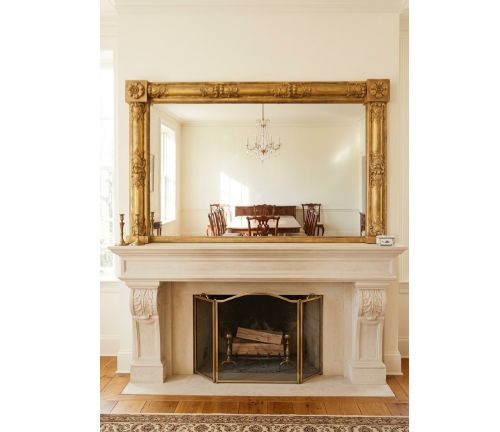
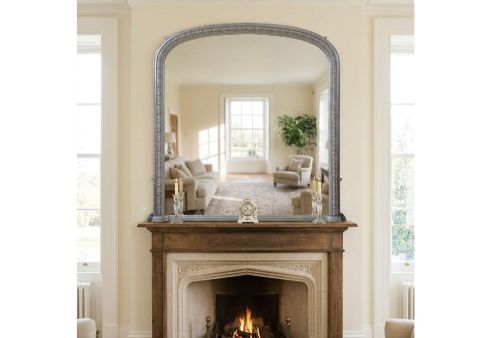
An overmantel fireplace mirror anchors a chimney breast, reflecting light across the room with grand proportions.
Overmantel Fireplace
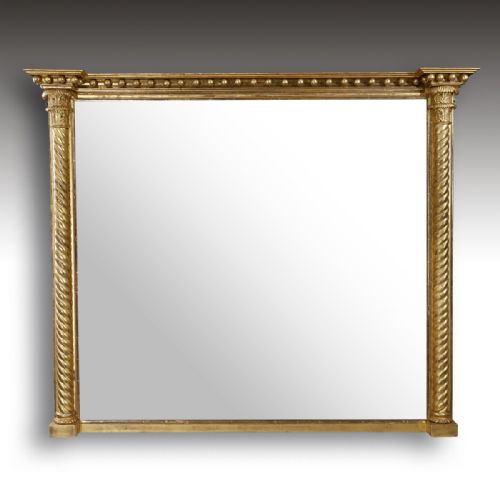
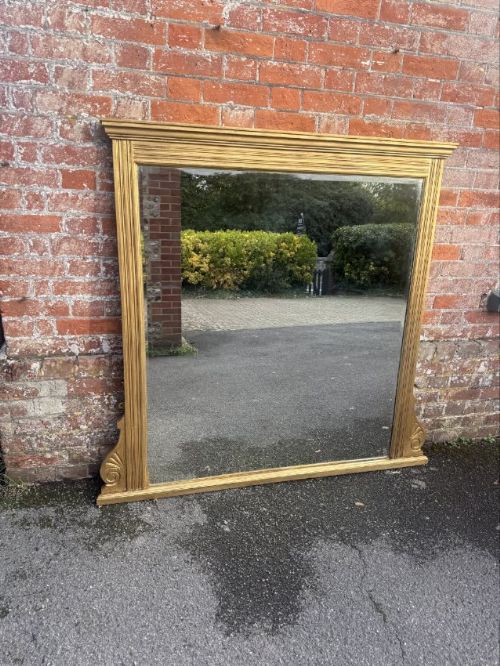
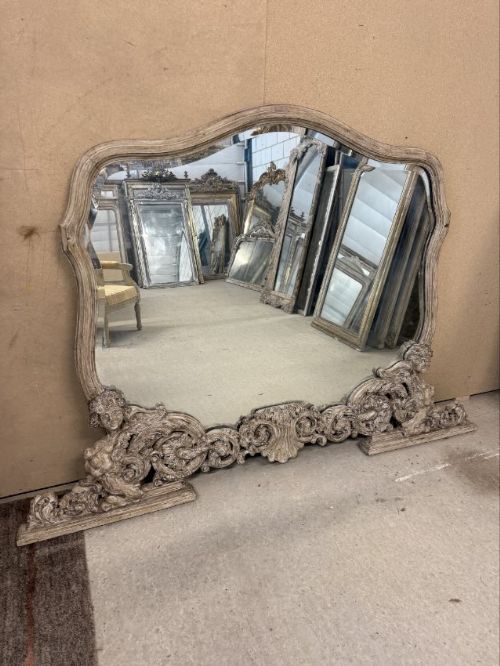
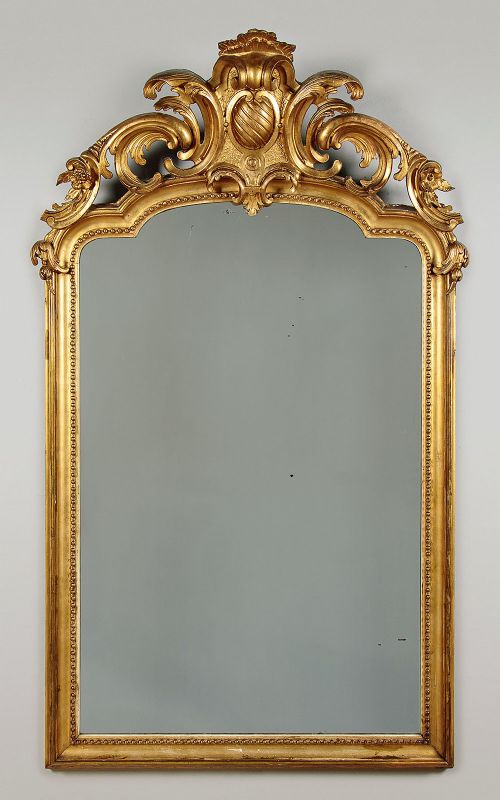
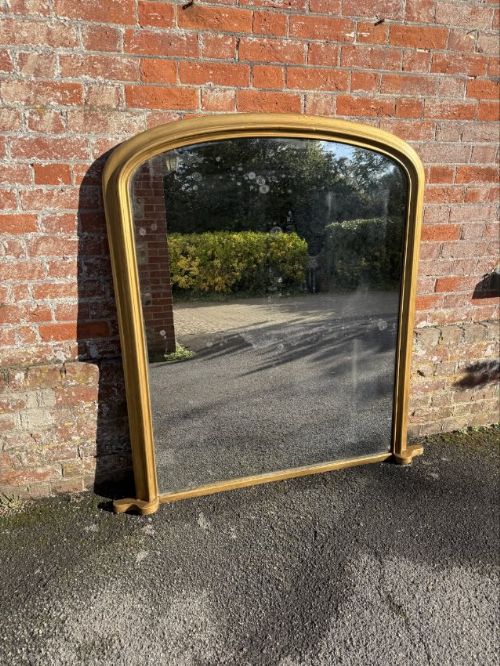
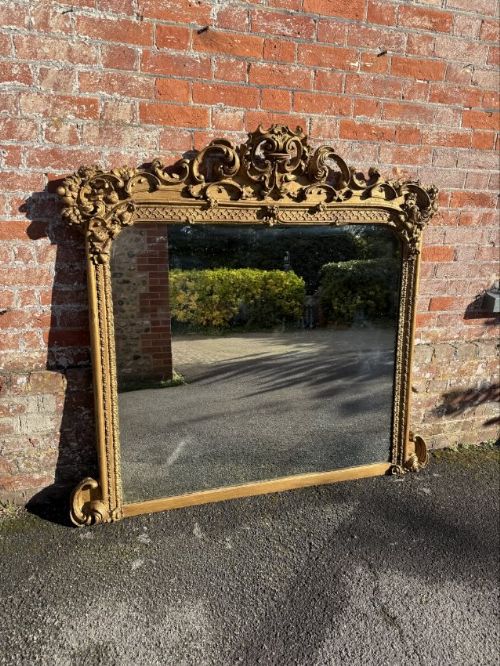
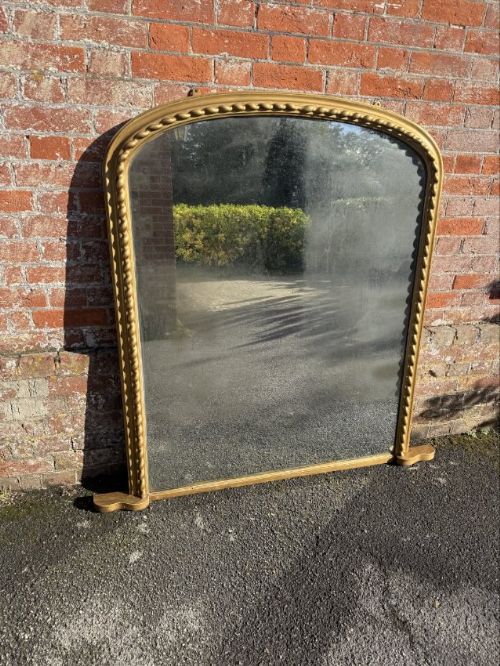
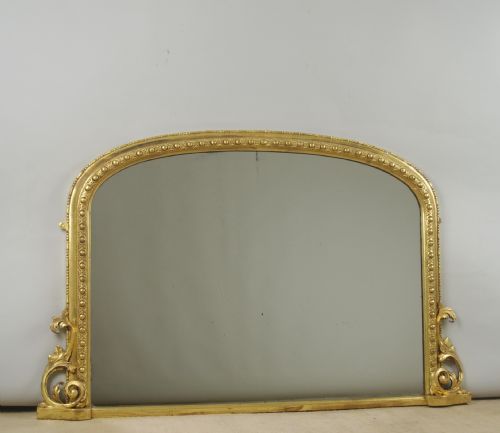
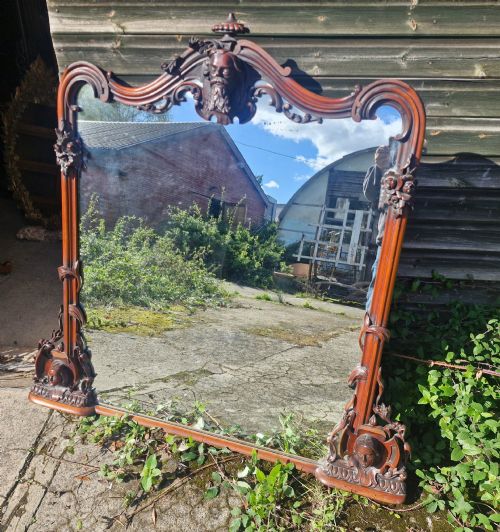
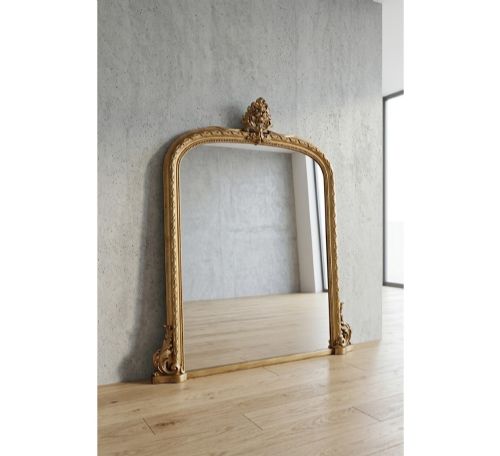
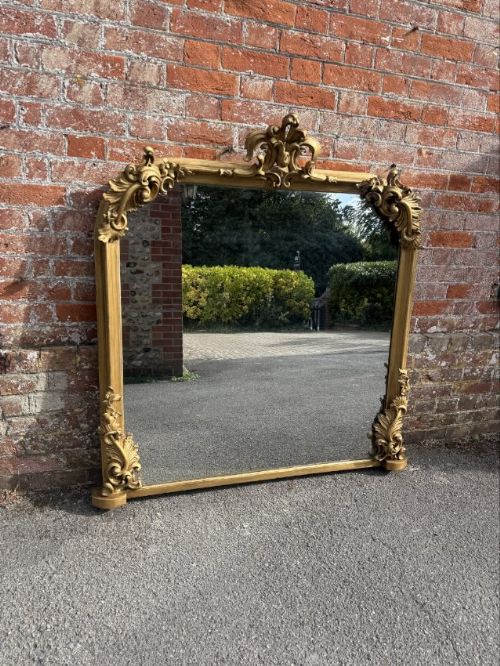
An overmantel fireplace frame spans the width of a chimney breast, designed specifically to sit directly above a hearth. When searching for an overmantel fireplace, you encounter large formats stretching from nineteenth-century English workshops to continental ateliers. Most examples on this page date from the Victorian era and the broader nineteenth century, dominated by arched tops and substantial scale.
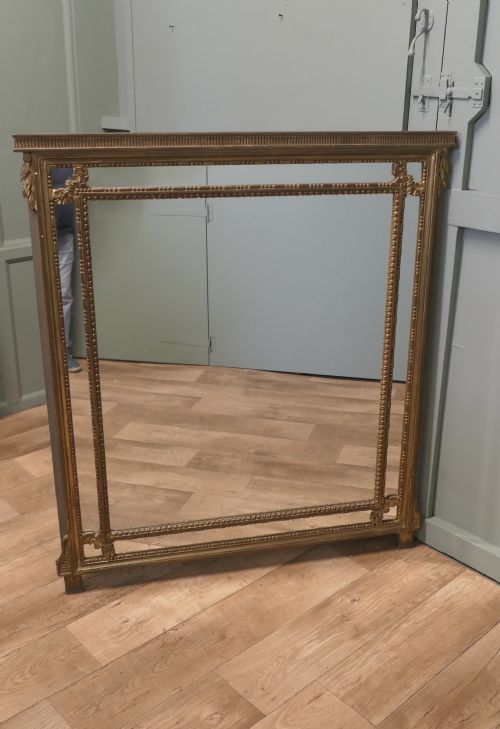
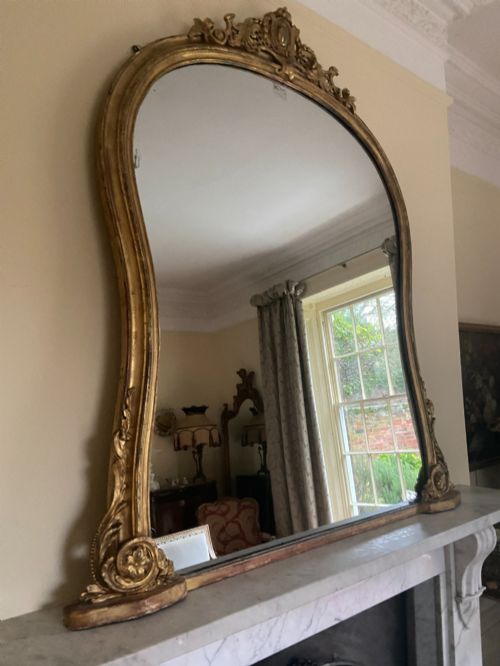
Makers shaped these mirrors into distinct regional styles, including French Louis Philippe designs, ornate French Rococo Revival pieces, and Neoclassical interpretations. English iterations frequently utilise carved wood and gesso frames with arched or shaped crests. Proportion remains paramount, as these objects were built to command the domestic interior of a country house or townhouse drawing room.
Judging execution
Quality rests in the crispness of the carved wood and the depth of the gesso mouldings applied to the frame. Superior examples demonstrate hand-carved detailing on pediments and crests that remains sharp rather than softened by excessive layers of later repair. The integrity of the original gilding and the weight of the timber ground distinguish the finer rooms of the nineteenth century from standard production.
Proportion and scale dictate the success of the piece against the architecture of a chimney breast. Better workshop output displays balanced framing, secure mitres, and glass plates that sit harmoniously within heavy rebate joints.
Overmantel Fireplace Retail Price Guide 2026
Typical asking prices for overmantel fireplace among the pieces listed under this phrase on Sellingantiques today, from the lower quarter to the upper quarter. They describe what is for sale here now, not the wider market.
Regional styles span English country house designs alongside French Chateau and Italian ebonised variations.
The Overmantel Fireplace Glossary
- Gesso
- A plaster-like mixture applied to wooden frames as a smooth base for gilding or painting. It allows craftsmen to carve intricate relief decoration before applying gold leaf.
- Giltwood
- Timber covered with thin gold leaf or gold powder. This finish catches the flickering light of a fireplace and illuminates the surrounding room.
- Cushion mirror
- A frame profile featuring a convex, rounded shape that swells outward toward the outer edge. This style adds visual depth to the mirror plate.
- Pediment
- The decorative architectural structure surmounting the top of the mirror frame. It often incorporates elaborate carved crests and scrolls.
- Rope twist
- A carved wooden moulding resembling interlaced strands of rope. This decorative motif frequently frames the inner or outer perimeter of nineteenth-century glass.
Overmantel Fireplace: Frequently Asked Questions
How do I hang an overmantel fireplace mirror?
These pieces possess substantial weight and require professional wall anchoring directly into masonry or secure timber studs above the hearth.
Hardware must distribute the vertical load safely to prevent shifting over time.
What periods do these mirrors represent?
The selection spans the nineteenth century, encompassing Regency, Victorian, and early twentieth-century production.
Stylistic influences range from French Rococo Revival to Neoclassical and Chinese Chippendale aesthetics.
Are the mirror plates original?
Nineteenth-century frames frequently retain their original mercury or silvered glass plates, though replacement glass occurs due to historical breakage.
Original plates often exhibit subtle foxing and age spots that evidence their long history.
How do I clean a giltwood frame?
Dust the carved gesso and gold leaf surfaces gently with a soft, dry brush to avoid disturbing the delicate metallic finish.
Moisture and modern chemical cleaners must be kept away from antique gilding entirely.