
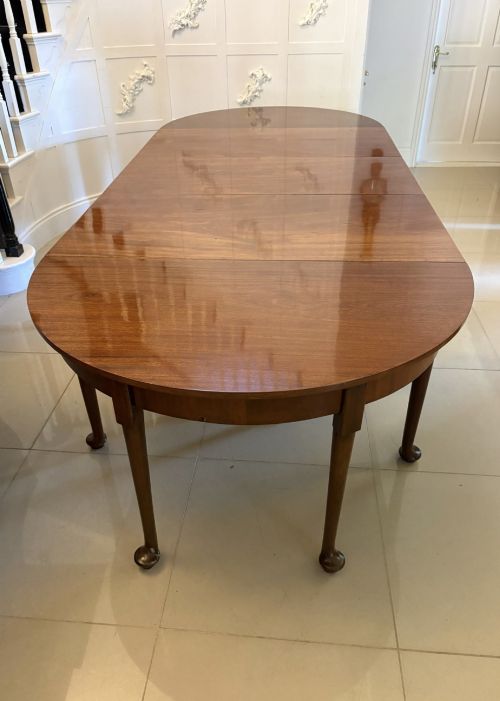
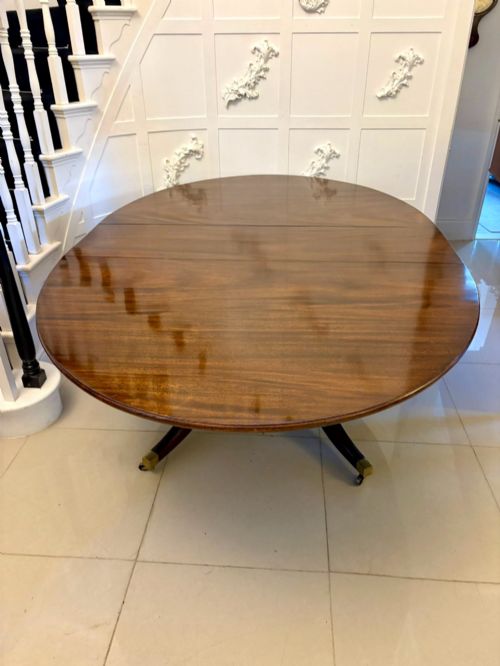
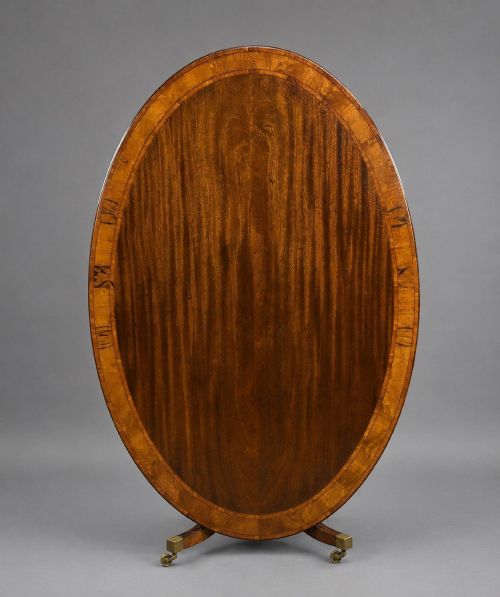
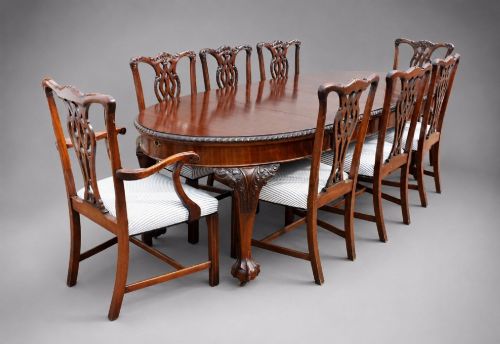
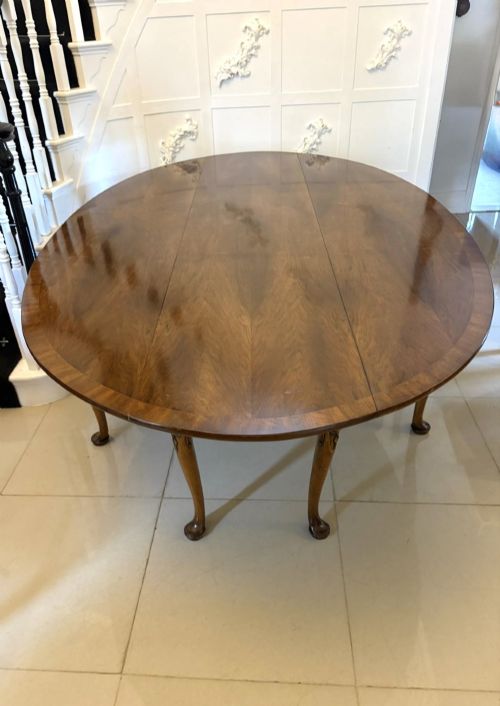
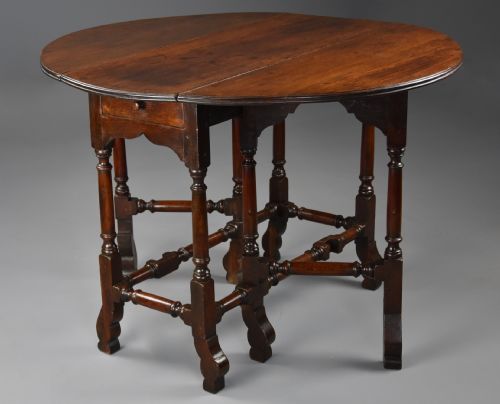
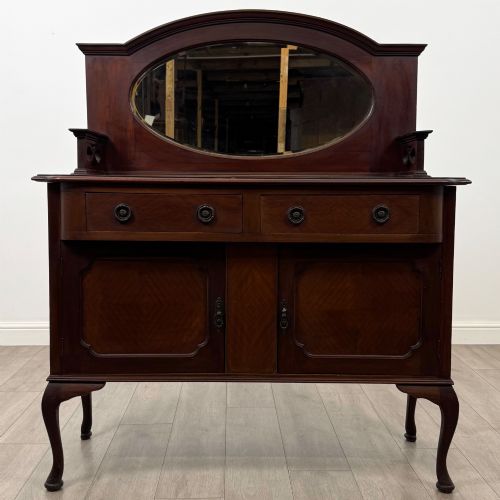
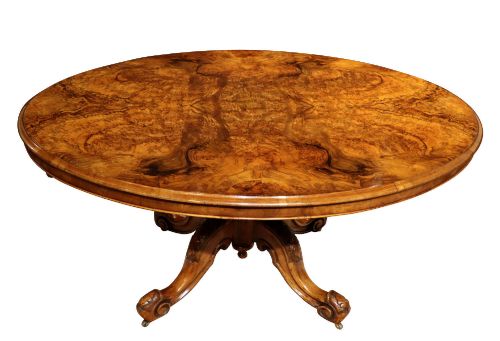
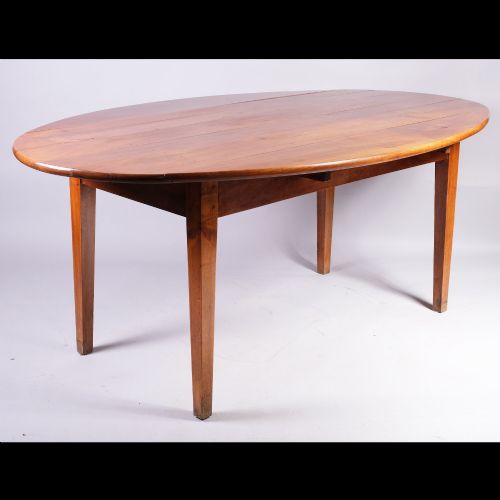
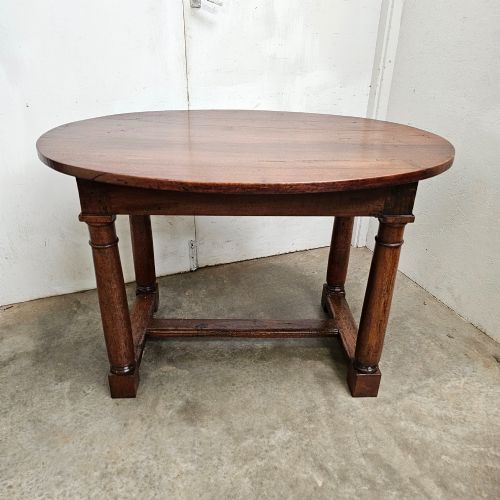
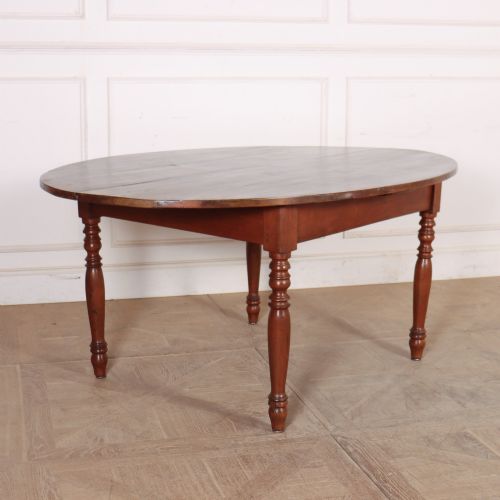
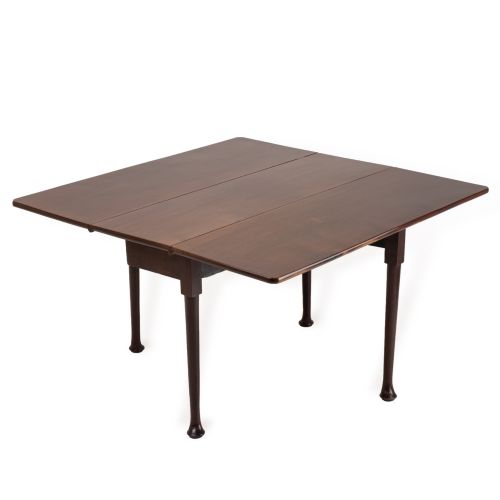
Oval Wooden Dining Table
An oval wooden dining table brings people together over meals while showing the rich grain of mahogany, walnut, oak or fruitwood.
Oval Wooden Dining Table
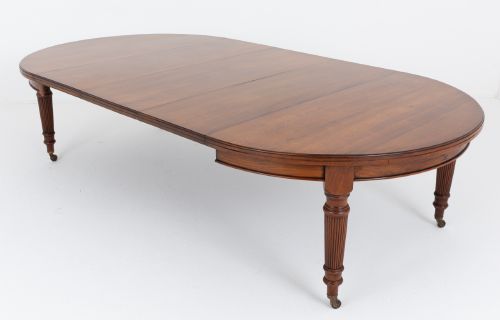
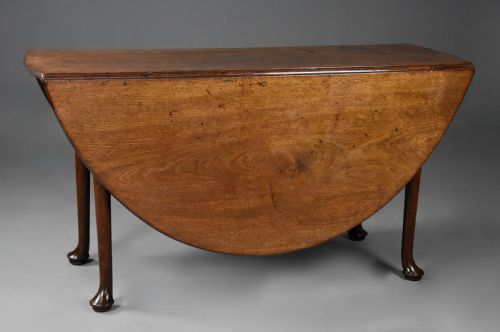
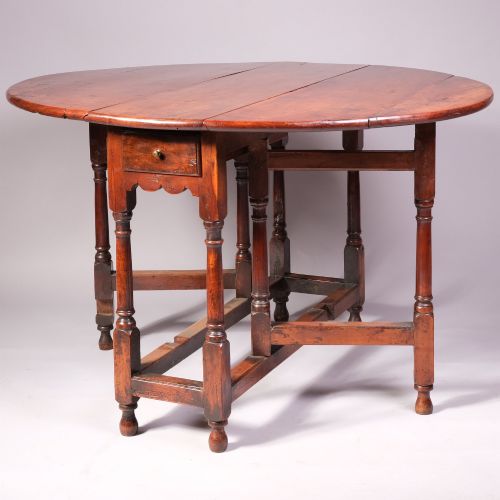
An oval wooden dining table is a practical centrepiece designed for gathering people for meals, shifting from compact drop-leaf gateleg formats to grand extending models.
You will frequently meet examples fashioned from mahogany, walnut and oak, spanning periods from the seventeenth century through to the Edwardian era.
The selection ranges from French farmhouse refectory boards in cherry and elm to British Georgian and Victorian extending tables equipped with leaves and pillars.
How They Were Made
Cabinetmakers worked solid timbers like oak, walnut and mahogany, often utilising clever gateleg mechanisms, drop leaves or central pillars to support expanding surfaces.
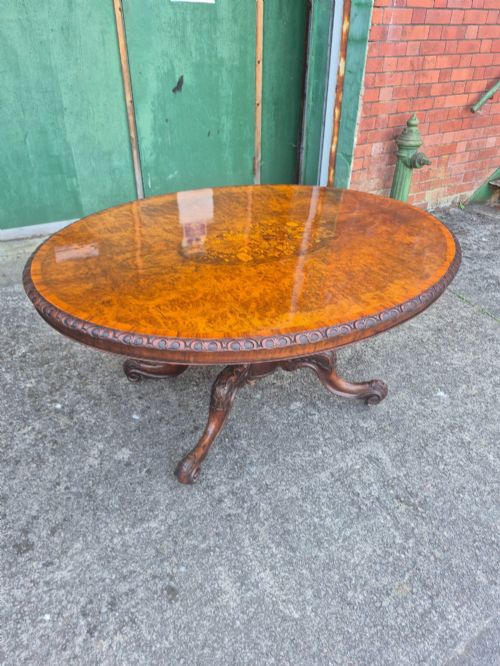
Surfaces were finished with natural oils, French polish or wax to protect the timber while highlighting the natural figuring of burr walnut, fruitwood or yew.
Joinery relied on traditional methods such as pegged mortise and tenon joints for early gateleg tables and sturdy brass mechanisms for later extending designs.
Some seventeenth-century gatelegs survived centuries of family suppers only to end up doing desk duty in a Victorian study.
What Varies in Quality
The standard of an oval wooden dining table rests on the selection of the timber, where carefully matched figured veneers or solid, thick boards create a cohesive surface.
Proportion and structural integrity define the superior pieces, ensuring that drop leaves, gatelegs or extension leaves operate smoothly and sit level without sagging.
Refined details such as hand-carved bases, subtle crossbanding, inlaid brass borders and well-preserved original patina elevate the standing of a piece.
Whytock & Reid of Edinburgh·Gillows
The Oval Wooden Dining Table Glossary
- Gateleg table
- A table with hinged drop leaves supported by legs that swing outward like gates. This clever design allows the surface area to expand or contract easily.
- Extending dining table
- A table equipped with removable leaves and internal runners or a pillar mechanism. It lengthens to accommodate large numbers of diners.
- Drop-leaf table
- A table featuring a fixed centre section and hinged leaves that drop down at the sides. It saves floor space when not in use.
- Tilt-top table
- A table with a mechanism allowing the top to pivot to a vertical position. This enabled easy storage against a wall when the room was needed for other purposes.
- Patina
- The surface sheen and colour developed over decades of use and polishing. It signals age and gentle care.
- Crossbanding
- A border of veneer laid around the edge of a table top with the grain running perpendicular to the centre. It creates a neat framing effect.
Oval Wooden Dining Table: Frequently Asked Questions
How do I choose the right size oval wooden dining table?
Consider the daily seating needs of your household alongside the maximum capacity required for hosting guests. Measure your dining space carefully to ensure enough clearance around the table for chairs to pull out comfortably.
Gateleg and extending models offer great flexibility, allowing you to shrink the footprint for everyday dining and expand it when necessary.
How do I care for an antique wooden table surface?
Protect the wood by using placemats and coasters to guard against heat marks and moisture rings. Dust the surface regularly with a soft, dry cloth and apply a quality beeswax periodically to nourish the timber.
Avoid placing wooden tables in direct sunlight or close to heat sources, which can dry out the natural materials and cause splitting.
What is the difference between a gateleg and an extending table?
A gateleg table uses hinged flaps supported by swing-out legs to alter its size quickly. These often date from the seventeenth and eighteenth centuries and lean towards rustic charm.
An extending table relies on central pillars or internal runners where separate leaves slide into the middle. These tend to offer formal seating for larger groups.
How can I tell the period of a wooden dining table?
Look closely at the timber choice, construction methods, and leg styles. Oak and heavy gateleg frames often point to the seventeenth or early eighteenth century, while mahogany twin pillars usually signal the Georgian or Regency periods.
Tool marks, fixings, and the nature of the timber finish also provide reliable clues to the age of the piece.