






Oval Wooden Accent Table
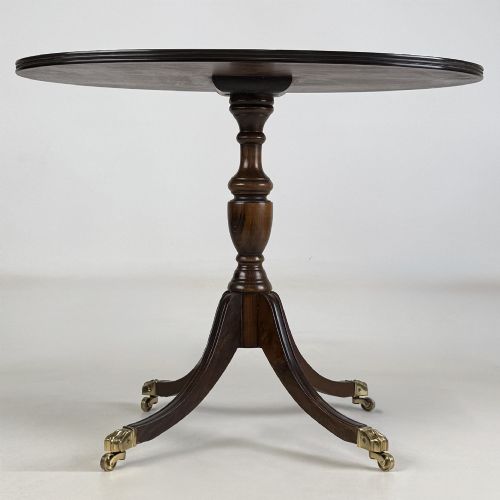
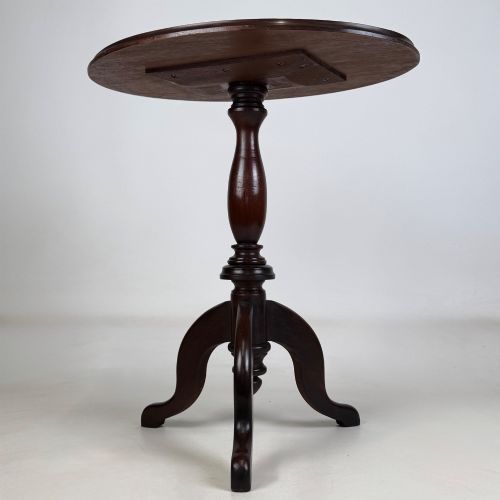
An oval wooden accent table brings warmth and proportion to a room, offering a versatile surface found in various period designs.
Oval Wooden Accent Table
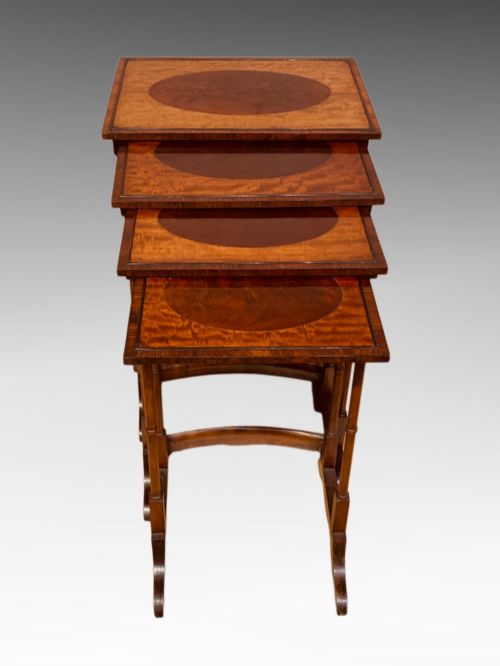
When you search for an oval wooden accent table, you are looking at smaller occasional surfaces designed to sit beside seating or in corners. The listings here span numerous forms, including side tables, occasional tables, Pembroke tables, and nests of tables.
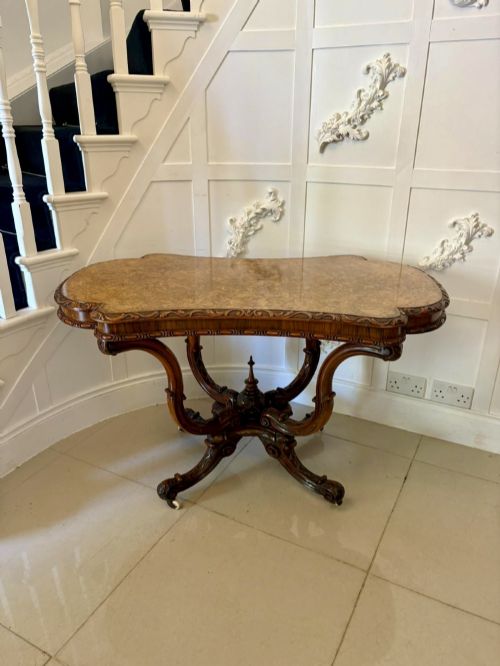
The versions you are most likely to meet on this page date from the Georgian, Victorian, and Edwardian eras, alongside pieces from the early twentieth century. These include walnut window tables, mahogany lamp tables, and satinwood occasional pieces.
Origins vary across British, French, Anglo-Indian, and Japanese aesthetics, reflecting how diverse these functional domestic items became over the centuries.
Materials and construction
Makers utilised dense cabinet timbers such as mahogany, walnut, oak, and rosewood, often selecting burr veneers for decorative grain patterns on top surfaces. Satinwood and boxwood inlay provided contrasting border details and geometric stringing.
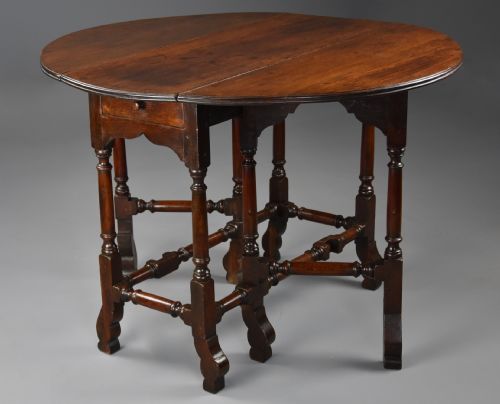
Structural integrity relied on traditional joinery, with turned legs, barley twist supports, and gateleg actions allowing drop leaves to fold down on Pembroke tables. Hand-carved foliate details and painted decoration further distinguished finer examples.
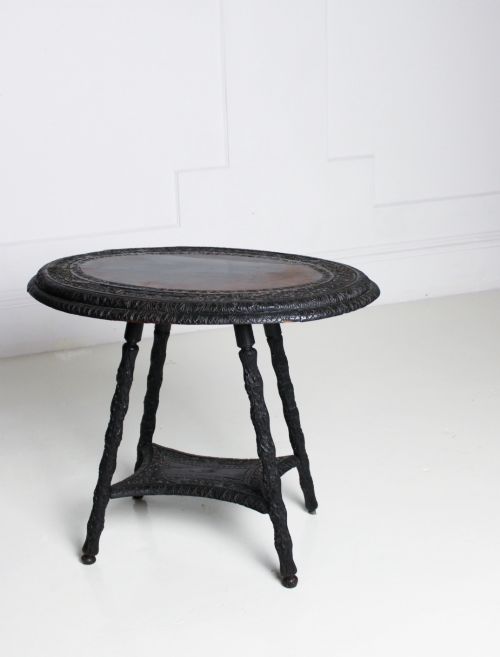
One occasional table cleverly combines Japanese ebonised elm with Victorian aesthetic movement design, proving that global influences reached deep into nineteenth-century parlours.
Judging quality
Quality in an oval wooden accent table rests primarily on the crispness of the timber selection and the precision of any inlay work. Finer examples display carefully matched burr veneers and balanced proportions rather than purely mechanical execution.
Construction methods also separate standard production from superior craftsmanship. Stable joints, thoughtful timber grain alignment, and delicate hand-carved elements elevate certain pieces above simpler utilitarian tables.
The Oval Wooden Accent Table Glossary
- Pembroke table
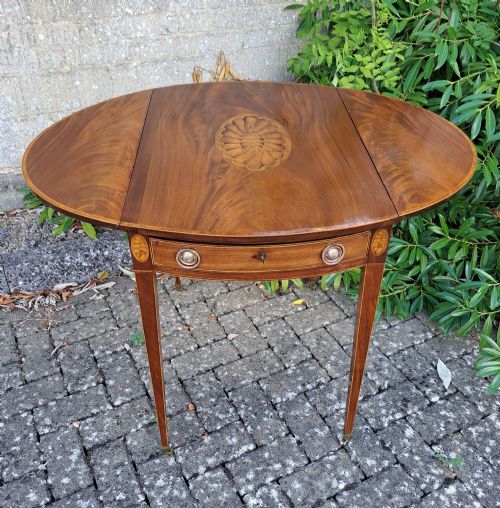
- A small occasional table with hinged drop leaves on two opposing sides. These useful pieces were designed for easy movement around a drawing room.
- Inlay
- A technique where pieces of contrasting wood, such as boxwood or satinwood, are inserted into recessed portions of a base timber to create patterns.
- Burr walnut
- A prized timber cut from the wart-like growths on walnut trees, yielding swirling, highly decorative grain patterns highly sought after by cabinet makers.
- Gateleg table
- A drop-leaf table where hinged legs swing outward to support the raised leaves. This mechanism allows the surface area to expand when needed.
- Tray top
- A tabletop finished with a raised rim or moulding around the edge, resembling a serving tray. This feature prevented small items from sliding off.
Oval Wooden Accent Table: Frequently Asked Questions
How were oval accent tables used?
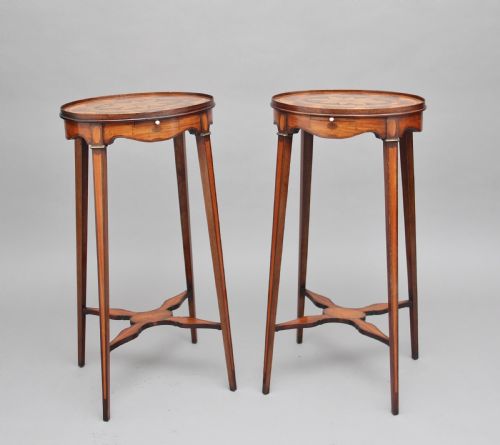
These tables served various domestic functions, acting as lamp stands, tea tables, or decorative surfaces in drawing rooms and hallways. Their compact forms allowed them to fit easily beside seating or beneath windows.
Drop-leaf Pembroke versions offered expandable surfaces for writing or informal dining, while smaller occasional pieces held books and ornaments.
How do I date an Edwardian table?
Edwardian tables, produced roughly between the late Victorian era and the First World War, often feature lighter timbers like satinwood and delicate boxwood inlay. They frequently draw inspiration from earlier Georgian and Sheraton revival styles.
Construction details, such as lighter framing and machine-assisted elements alongside hand finishing, help separate these pieces from earlier nineteenth-century furniture.
What is a window table?
A window table is a low occasional surface specifically proportioned to sit within the recess of a bay or traditional sash window. They provided a convenient spot for indoor plants or needlework.
Many examples feature oval tops and decorative inlay to catch the natural light streaming through the glass.
Are these tables suitable for modern homes?
Their modest proportions and versatile forms make these tables practical for contemporary living spaces. They function well as bedside stands, lamp tables, or independent accent pieces in hallways.
Mixing period timber tones with modern interiors adds textural contrast and warmth to a room.