


Oval Silver Caddy
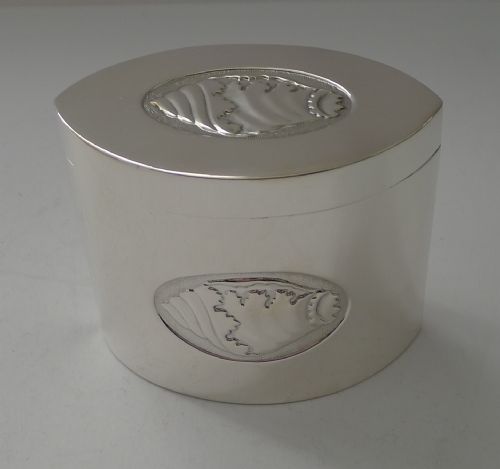
An oval silver caddy is a refined tea vessel that brings tactile weight and period character to a tabletop.
Oval Silver Caddy
When searching for an oval silver caddy, a buyer encounters tea caddies alongside trinket boxes, decorative boxes, and cruet sets shaped in that curved form. These vessels range from Georgian and Victorian examples to pieces from the Edwardian and George V periods.
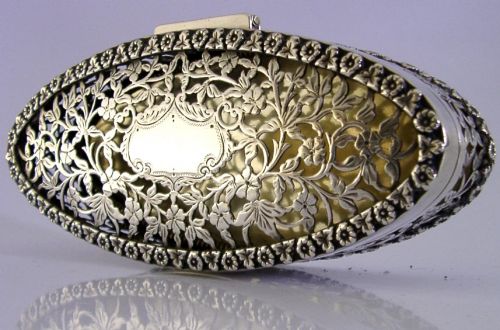
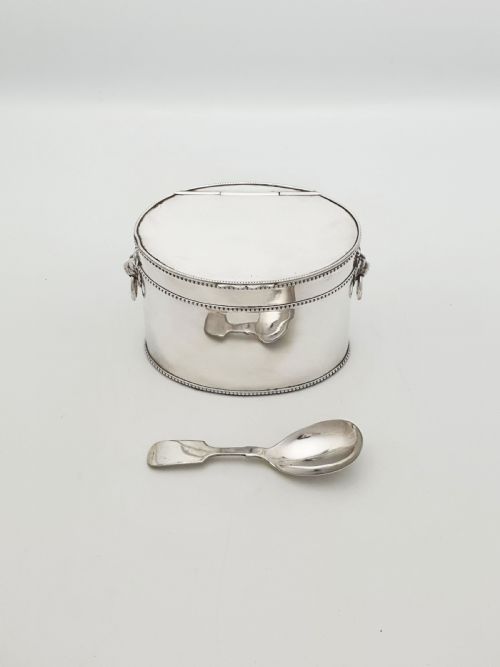
Solid sterling silver and silver plate dominate the selection, often accompanied by cut glass or interior gilding. The forms vary from plain surfaces to half-fluted bodies, pierced metalwork, and items featuring lion mask handles.
Origins stretch across English, Dutch, and Anglo-Indian workshops, offering everything from simple pull-off lids to hinged covers with spoons. The typical piece reflects the tea-drinking habits and domestic storage needs of past centuries.
How they were made
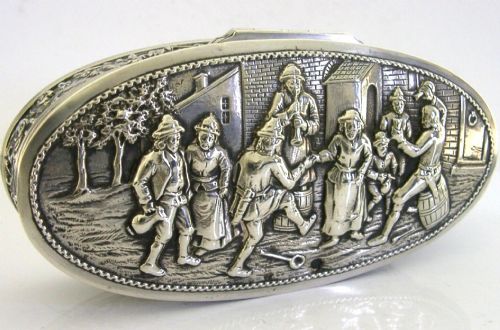
Silversmiths shaped sterling silver and silver plate through hammering, piercing, and embossing to create the curved walls of an oval caddy. Techniques like half-fluting added rigidity and catch-light texture to the metal body.
Makers incorporated cut glass for transparency, gilding for interior warmth, and cast elements such as lion mask handles for secure lifting. Pull-off lids and hinged covers required careful fitting to seal the contents against moisture.
Several caddies guard their dry leaves behind fierce cast lion mask handles, ready to growl at the morning tea shortage.
What varies in quality
Substance separates heavier items from lighter constructions, evident in the gram weight and the rigidity of the silver walls. Pierced work demonstrates the skill of the artisan through clean, sharp apertures rather than softened edges.
The refinement of cast details, such as lion mask handles or embossed decoration, dictates the visual success of the piece. Crisp hallmarks and tight lid fittings further distinguish superior examples from standard production.
William Rudkins·Thomas Shepherd
The Oval Silver Caddy Glossary
- Sterling silver
- An alloy containing a high proportion of pure silver, standard for British plate since medieval times. It provides both durability and a bright reflective surface.
- Silver plate
- A base metal foundation coated with a thin layer of silver through various plating methods. This technique offered the appearance of solid silver at a lower cost.
- Gilding
- A thin layer of gold applied to the interior surface of a silver vessel. It protects the metal from the corrosive oils of tea leaves.
- Pull-off lid
- A cover that lifts straight up from the neck of the caddy without hinges. It relies on a precise friction fit to stay secure.
- Half-fluted
- A decorative technique where vertical channels are hammered into only the lower portion of the body. This leaves the upper surface smooth for engraving or contrast.
Oval Silver Caddy: Frequently Asked Questions
What is an oval silver caddy used for?
These vessels originally stored dry tea leaves in domestic parlours, keeping the expensive contents dry and secure.
Today they function equally well as decorative table items or small boxes for personal trinkets.
How do I date an oval silver caddy?
British pieces typically rely on assay office marks, maker's stamps, and date letters stamped directly into the metal.
Stylistic cues such as Georgian fluting or Edwardian lion masks also help narrow down the period of manufacture.
Are all oval silver caddies solid silver?
While many examples utilise solid sterling silver, others consist of silver plate over a base metal or incorporate cut glass.
Examining the weight and looking for hallmarks clarifies the material composition of each specific piece.
How should I clean a silver caddy?
Gentle wiping with a soft cloth removes everyday dust without disturbing the patina built up over decades.
Harsh abrasive polishes should be avoided, particularly on gilt interiors or delicate pierced metalwork.