
Oval Portrait Painting Gentleman
When you collect an oval portrait painting gentleman, you hold centuries of character framed in curved classical lines.
Oval Portrait Painting Gentleman
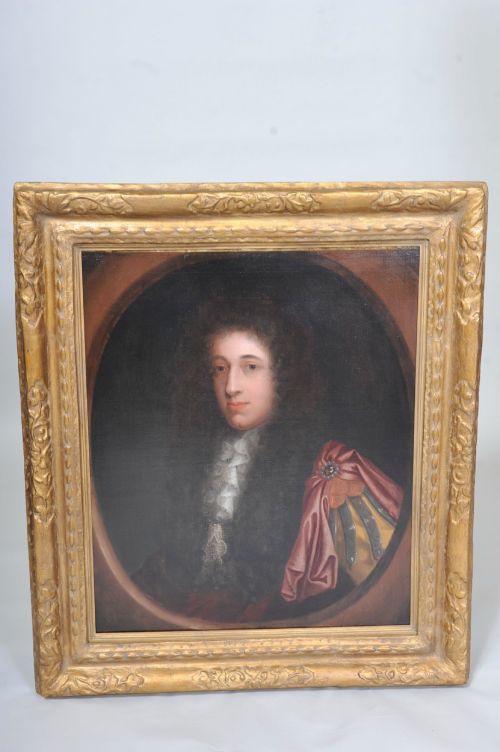
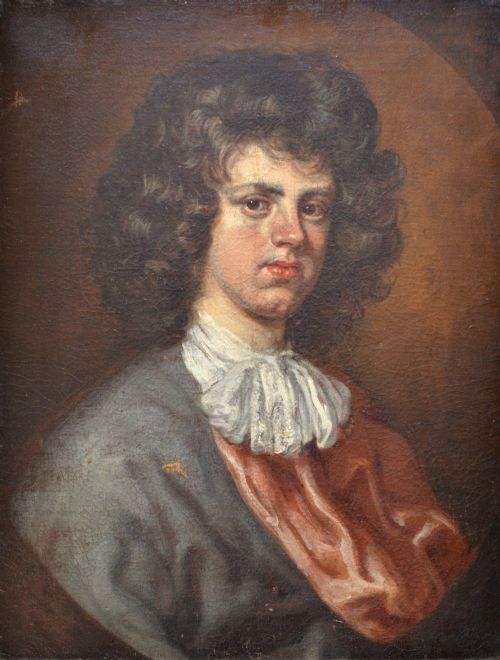
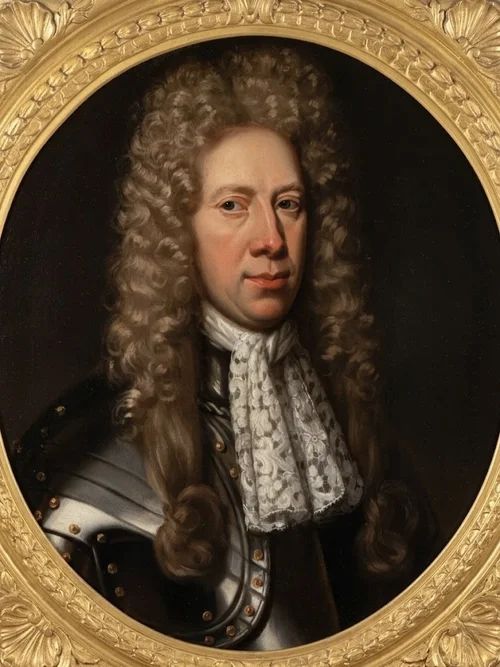
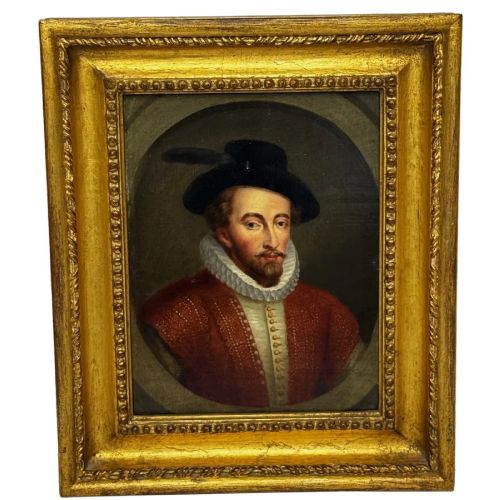
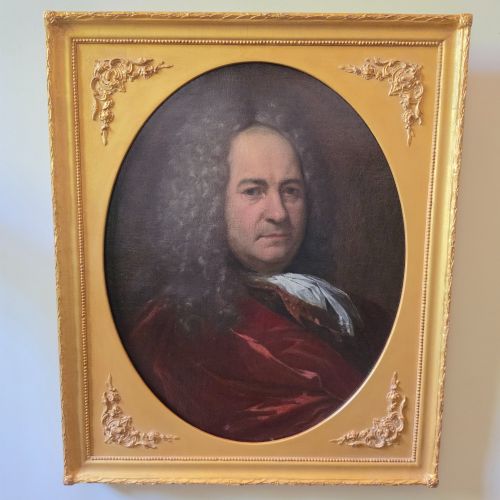
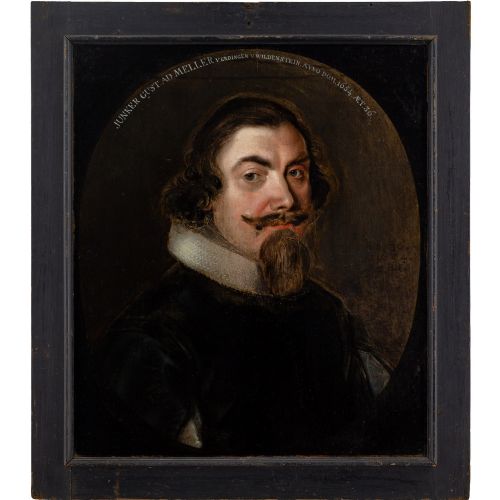
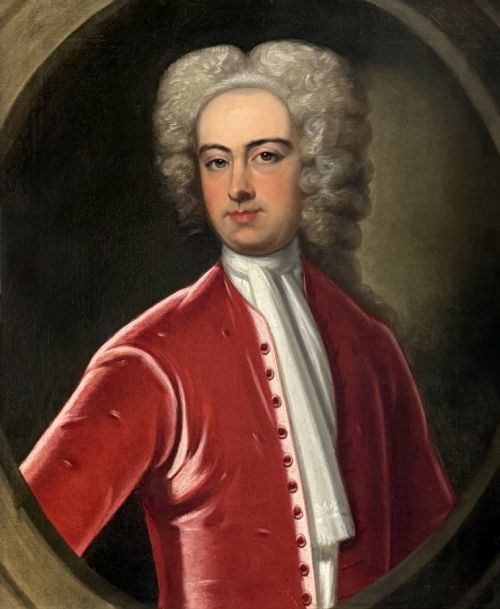
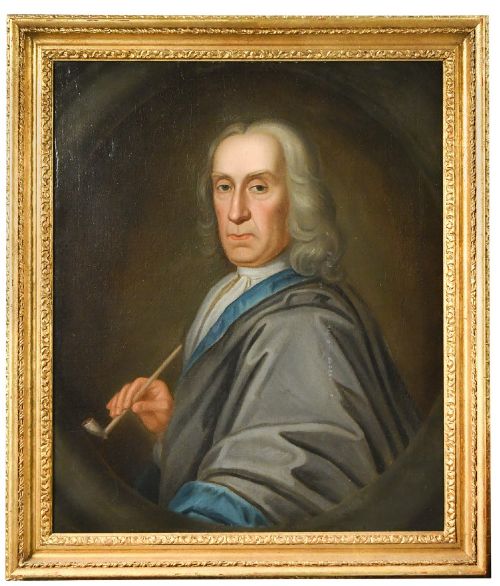
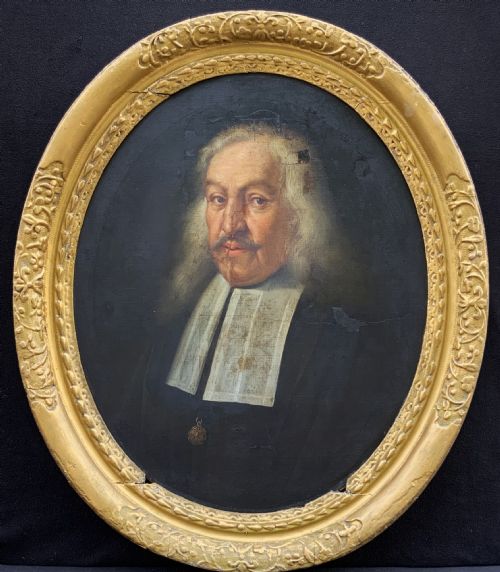
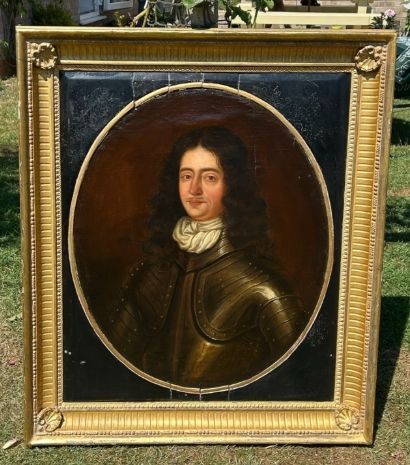
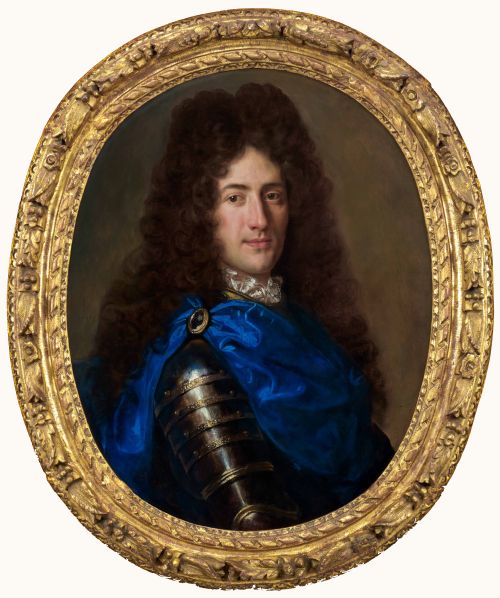
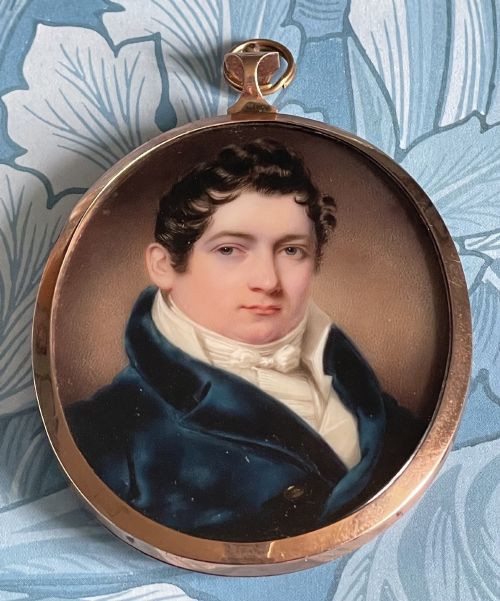
An oval portrait painting gentleman captures the likeness of a male sitter within a curved format that has suited formal and intimate likenesses for generations. These works range from small personal keepsakes to commanding wall pieces intended to project lineage and status.
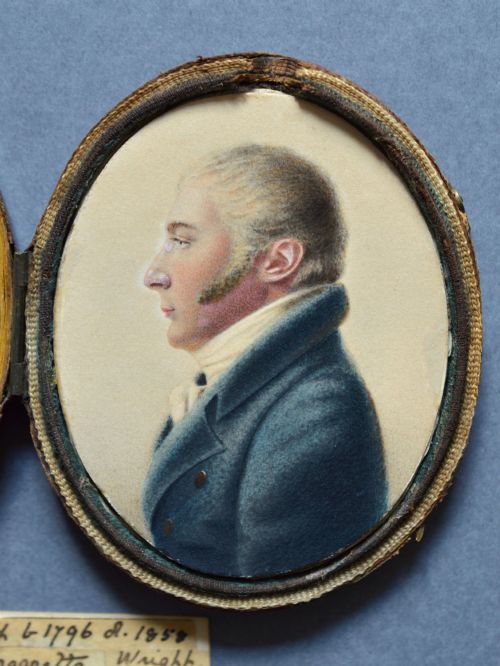
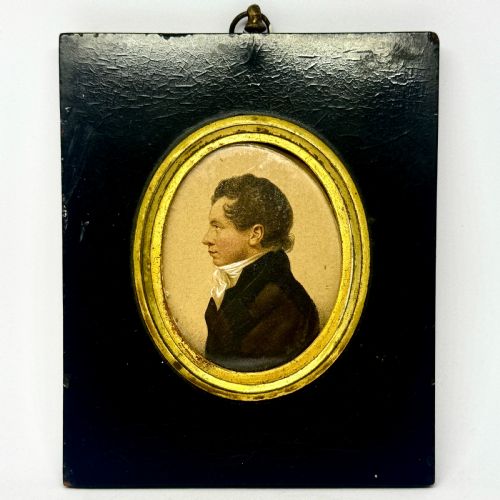
The selections available here span several centuries, featuring formats produced across the seventeenth, eighteenth, and nineteenth periods. Buyers encounter oil on canvas works alongside delicate watercolours and small scale portrait miniatures.
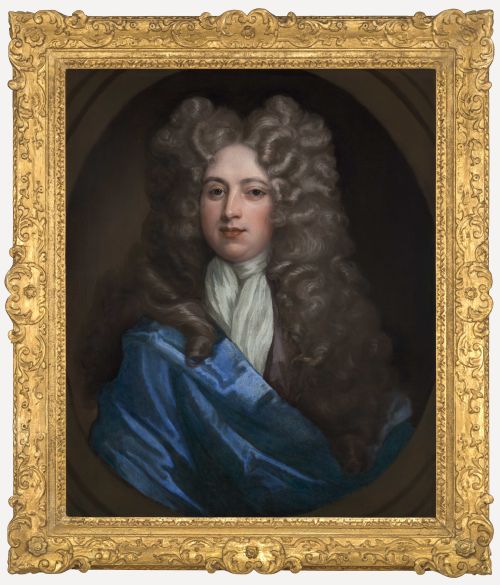
Originating across British, Scottish, Flemish, German, and Austrian schools, these paintings reflect diverse regional approaches to portraiture. Sitters appear in varying attire, from periwigs and armour to simple civilian dress.
How these portraits were constructed
Artists relied primarily on oil on canvas, applying pigments to woven grounds stretched over wooden supports or shaped panels. Watercolour on glass and paper also appears frequently, particularly in smaller scale portrait miniatures housed within protective enclosures.
Frames play an integral structural and aesthetic role, frequently utilising carved gesso and giltwood or metal stands. Gold leaf application enhances the decorative impact of the surrounding mouldings, framing the curved canvas edges.
The listings encompass works executed in oil on canvas, watercolour, and giltwood frames across the seventeenth, eighteenth, and nineteenth centuries.
Factors that distinguish the finest examples
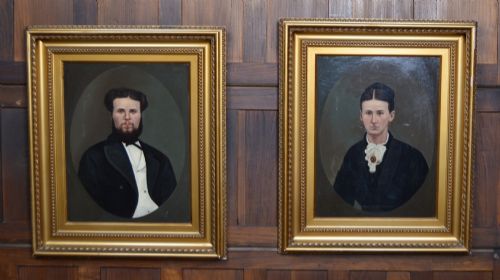
Quality rests significantly on the precision of the brushwork and the psychological depth captured in the sitter's expression. Master works display subtle tonal gradations in flesh tones and textiles, whereas simpler naive school pieces rely on flat planes and stark outlines.
The preservation of the original surface and the framing condition strongly influence desirability. Intact pigment layers without excessive restoration sit alongside original giltwood surrounds to command greater appreciation among collectors.
Mary Beale·Thomas John Horsley·Thomas Murray·John Scougall·Allan Ramsay·Charles Jervas·Pieter Borseler·Joseph Vivien·John C D Engleheart·Frederick Buck·William Millar·J Bizo·George Engleheart·George Hargreaves·John Miers·John Inigo Wright·Diana Hill·John Ludford·Enoch Seeman the Younger·Frans van der Mijn·William Denune
The Oval Portrait Painting Gentleman Glossary
- Periwig
- A bulky, artificial hairstyle popular among men during the late seventeenth and early eighteenth centuries. Its prominent curls feature extensively in formal portraiture of that era.
- Portrait Miniature
- A small, highly detailed painting designed for private viewing or personal wear. These works are frequently executed on ivory, vellum, or card and set into lockets or small folding cases.
- Giltwood
- Wood that has been coated with a thin layer of gold leaf or gold powder. It provides opulent framing for classical oil paintings.
- Gesso
- A white paint mixture consisting of a binder mixed with chalk, gypsum, or pigment. It is applied to wooden panels or frames as a base before gilding.
- Naive school
- Art produced by individuals with little formal training, often characterised by flat perspectives and direct, unembellished representations of the subject.
Oval Portrait Painting Gentleman: Frequently Asked Questions
How do I date an oval portrait?
Dating relies heavily on the sitter's costume, particularly the style of wigs, neckwear, and coats. Documentation on the reverse, stretcher marks, or signatures also provide reliable chronological markers.
Changes in painting technique and framing materials further assist in narrowing the period of creation. Seventeenth-century works often show heavier armour or periwigs, while nineteenth-century examples display softer romantic styles.
Where were these paintings displayed?
Larger oil on canvas works traditionally hung in the panelled rooms and parlours of country houses and town residences. They served to project family lineage and social standing to visiting guests.
Smaller miniatures were kept in personal chambers, carried in pockets, or worn as jewellery close to the body. This intimate format allowed for private remembrance and diplomacy.
What is a portrait miniature?
A portrait miniature is a highly refined painting executed on a very small scale, often requiring magnification to complete. They capture facial likenesses with exceptional detail using watercolour or oil.
These pieces were typically protected behind glass within metal or wooden frames. They gained immense popularity for commemorating betrothals, family members, or notable public figures.
How should I care for an antique portrait?
Protect the painting from direct sunlight and dramatic fluctuations in temperature and humidity to prevent canvas warping or paint cracking. Keep the environment stable using basic climate control.
Dust giltwood frames gently with a soft, dry brush and avoid chemical cleaners. Professional conservators should handle any structural repairs or surface cleaning.