
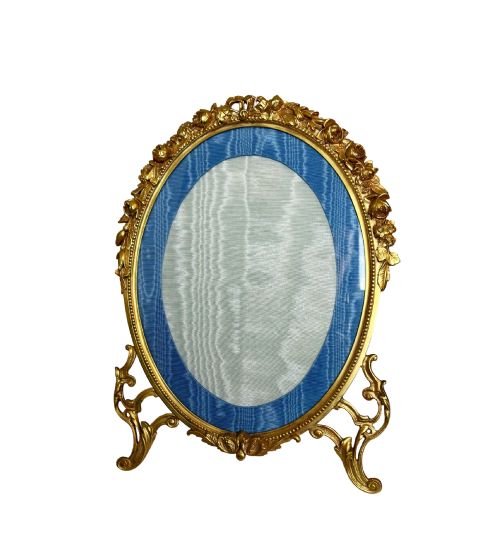
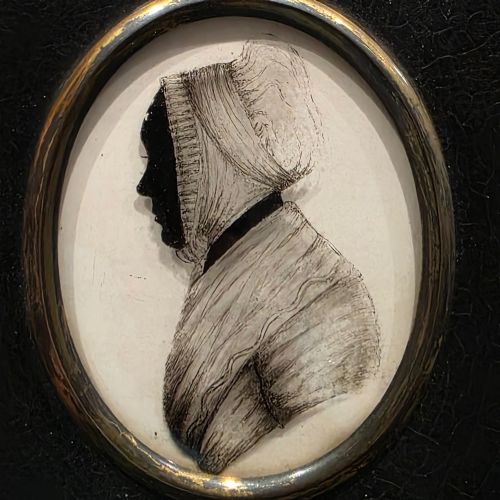


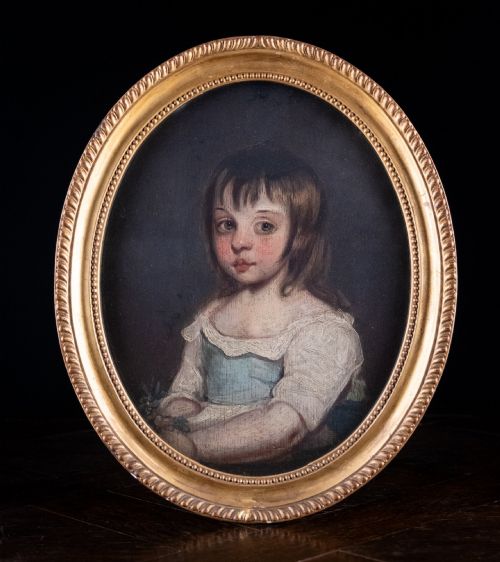
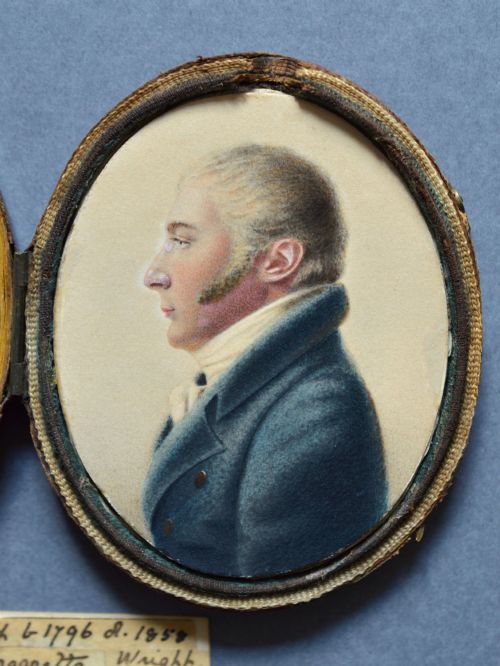
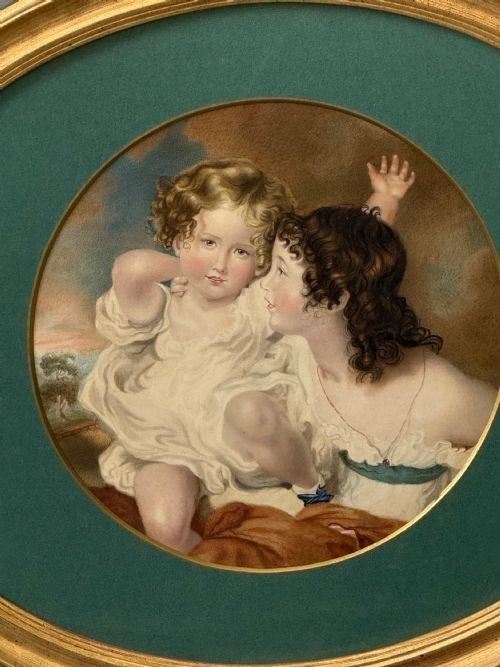
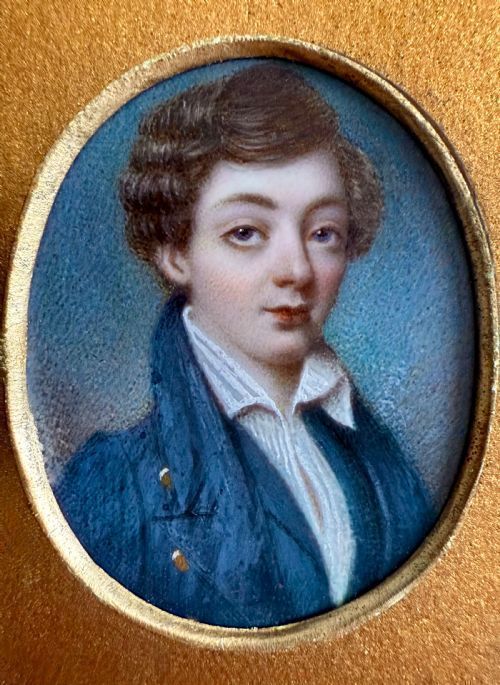
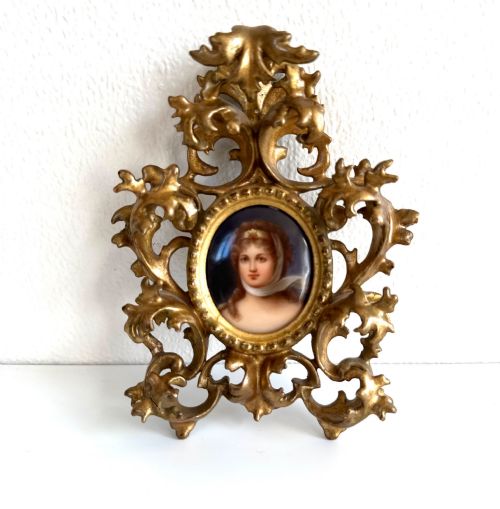
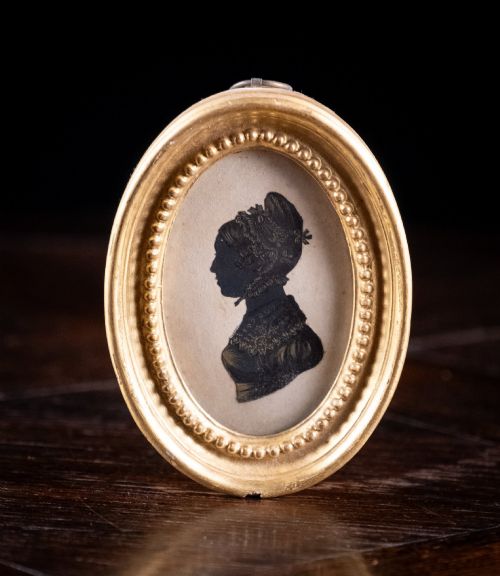

Oval Portrait Miniature Frame
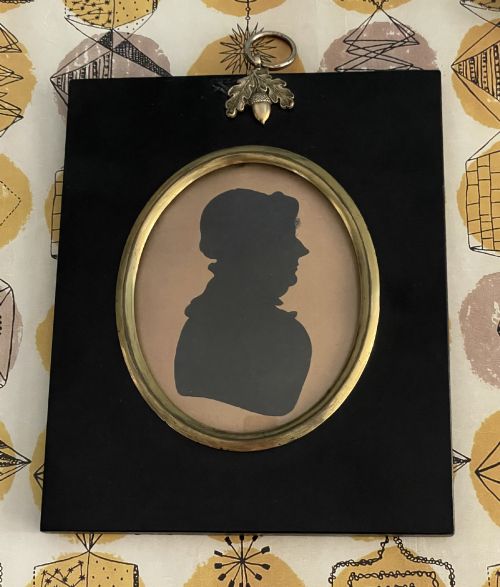
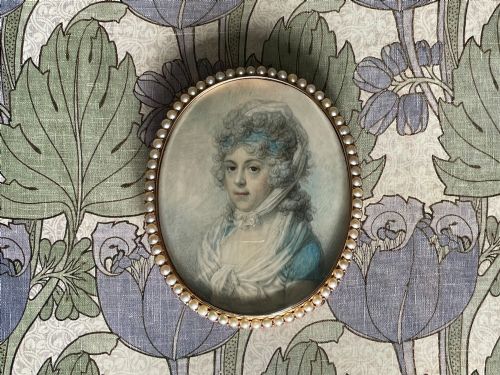
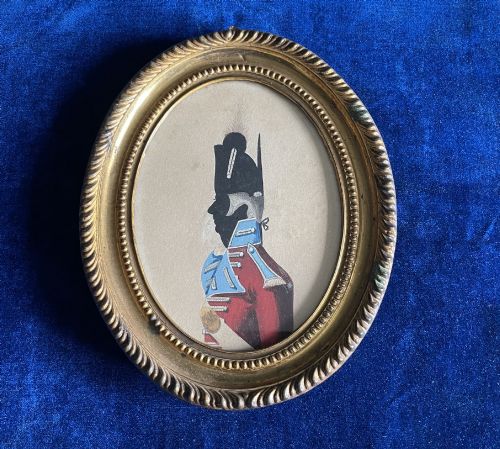
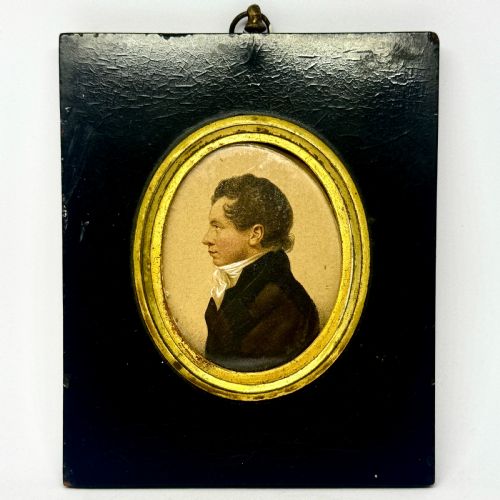
These oval portrait miniature frames house delicate watercolours, silhouettes, and enamels from the eighteenth and nineteenth centuries.
Materials and Construction
Makers utilised a range of metals and woods to construct these housings, frequently employing cast brass, gilt metal, and ebonised wood. Frames often feature applied gilt bronze or precious metals like fourteen-carat gold to enhance the visual weight of the small portrait.
Internal elements frequently incorporate glass to protect the delicate watercolour, enamel, or paper substrate underneath. Pear wood and other timber varieties appear alongside seed pearl embellishments and silver mountings in the construction of pendant and wall-hanging variants.
Assessing Quality and Execution
Quality rests in the crispness of the casting or the joinery of the timber surround, where superior pieces exhibit precise proportions and clean chased detail. The integration between the housing and the miniature artwork dictates the overall coherence of the object.
Finishing elements such as original gilding, intact convex glass, and genuine period backing materials elevate an example. Inferior or later replacement surrounds often display mismatched proportions or unsympathetic modern fixings that disrupt the historical character.
Several portraits preserve the likenesses of children and domestic pets, reminding us that past owners cherished their family animals just as much as we do.
James Sharples·Henry Bone·Thomas John Horsley·Richard Cosway·James Gillespie·Frederick Buck·John Taylor·Charles Hayter·William Naish·J Bizo
The Oval Portrait Miniature Frame Glossary
- Plumbago
- A drawing executed in graphite, taking its name from the Latin word for lead. These monochrome works produce fine, detailed tonal portraits popular in the eighteenth century.
- Reverse Painted Silhouette
- An image painted directly onto the rear side of a piece of glass. This technique protects the pigment from dust and handling while adding depth to the profile.
- Enamel Plaque
- A fused glass powder coating applied to a metal base and fired in a kiln. These vibrant panels withstand fading and moisture far better than paper or watercolour.
- Ebonised Wood
- Timber treated with a dark stain or finish to imitate ebony. It provides a stark, high-contrast border that accentuates the brightness of the portrait within.
- Gilt Metal
- A base metal treated with a thin layer of gold leaf or wash. It offers the luxurious appearance of solid gold while remaining structurally lightweight.
Oval Portrait Miniature Frame: Frequently Asked Questions
What periods do these frames represent?
The selection spans the eighteenth and nineteenth centuries, taking in Georgian, Regency, and Victorian eras. Later examples stretch into the Edwardian period and around nineteen hundred.
Craftsmanship shifted across these decades from heavy ebonised woods and plumbago drawings toward ornate gilt metal and detailed watercolours.
Were these frames meant for walls or pockets?
Many housings feature integrated loops or stands designed for display on interior walls or tabletops. Some smaller formats functioned as pendants or keepsakes worn close to the body.
Owners frequently hung groups of these small portraits together in decorative arrangements within domestic spaces.
How do I care for antique portrait miniatures?
Keep these sensitive objects away from direct sunlight to prevent the fading of historic watercolours and paper substrates. Maintaining stable indoor humidity prevents timber frames from warping and protects vulnerable glass elements.
Avoid using liquid cleaners on the metallic surfaces or painted areas to preserve the original finish.