


Oval Gilt Miniature Artwork
These oval gilt miniature artwork pieces present delicate portraits and scenes framed in metal and wood, offering a glimpse into centuries past.
Oval Gilt Miniature Artwork
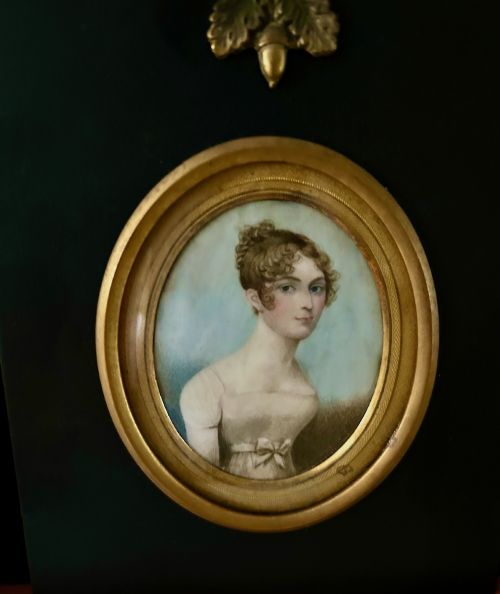
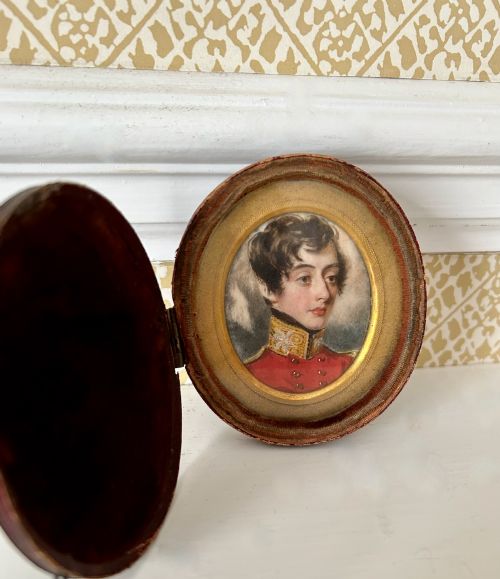
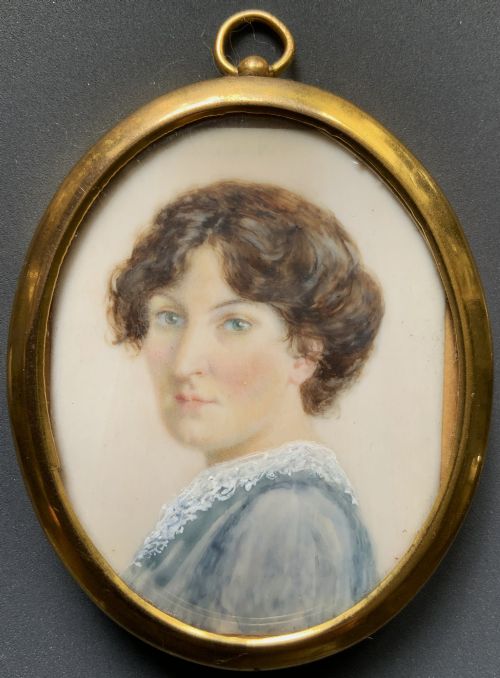
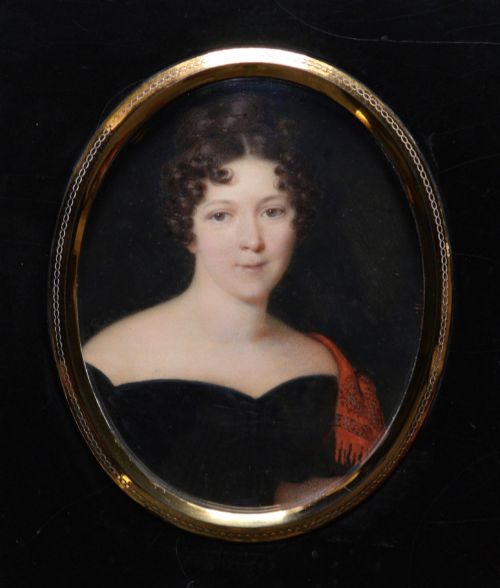
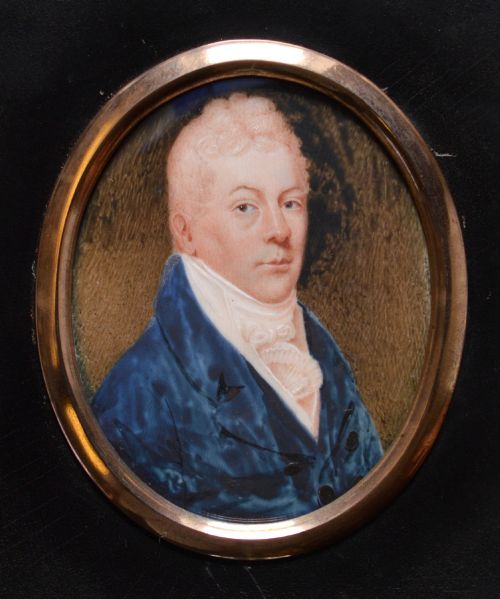
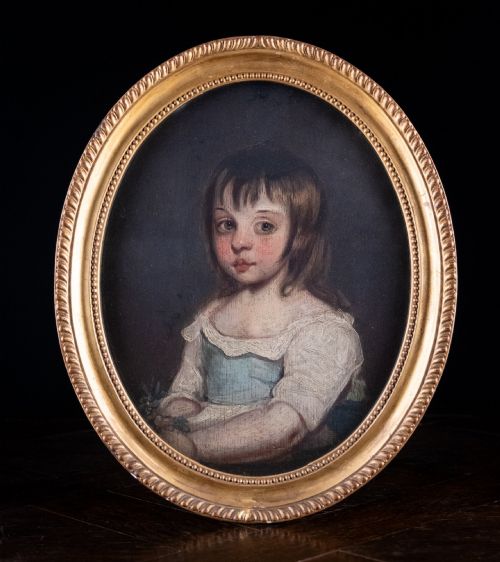
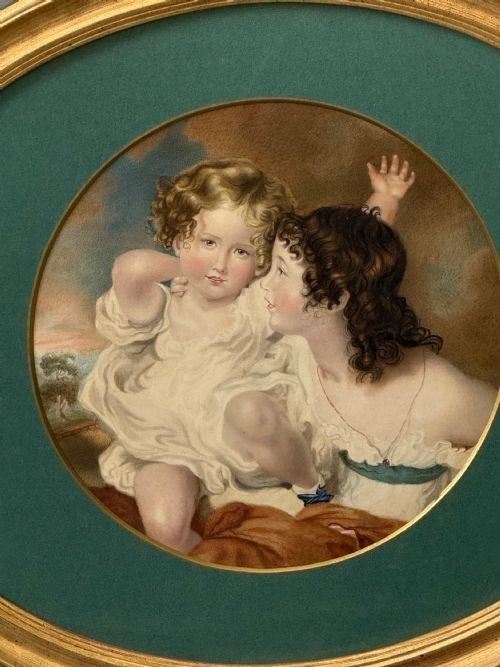
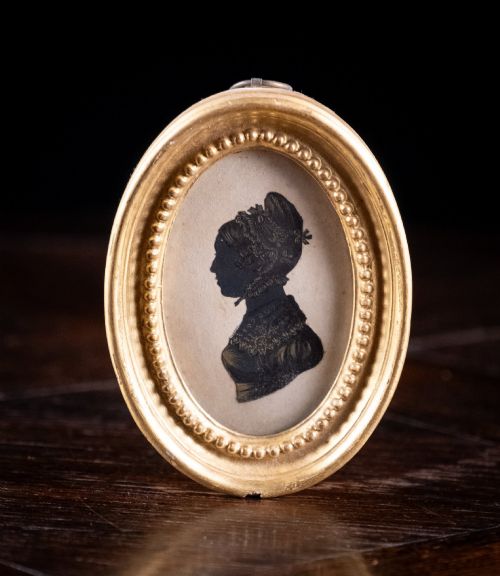
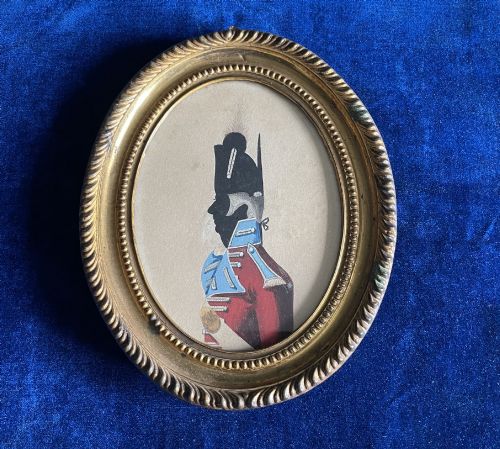
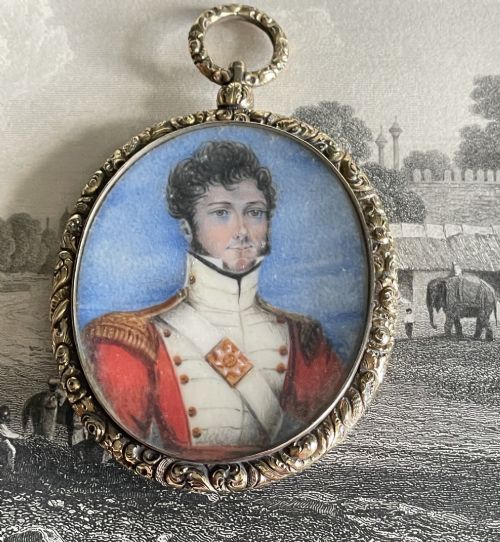
When someone searches for oval gilt miniature artwork, they look for small portrait paintings and silhouettes housed within rounded frames. The selections span periods from the eighteenth century through the Edwardian era, encompassing Georgian, Regency, and Victorian aesthetics.
These items primarily depict human subjects, including young ladies, military officers, naval figures, children, and nobility. Artists rendered them using watercolour, oil, pastel, and paper on supports like card, ivory, and copper.
Origin points vary across British, French, Anglo-Indian, and Viennese traditions. Buyers encounter framed prints alongside hand-painted watercolours and cut silhouettes.
Materials and construction methods
Makers utilised glass to protect delicate painted surfaces, encasing works in brass, gilt metal, wood, giltwood, and ebonised wood frames. Artists applied watercolour, oil, and pastel pigments onto paper, card, copper, and ivory supports.
Techniques combine precise portrait painting with specialised framing, often incorporating gilt finishes to highlight the rounded border. Silhouette artists cut paper or painted profiles directly to achieve sharp contrasts.
Several portraits capture subjects holding beloved pets or children, preserving personal moments alongside military heroes and nobility.
Differences in quality
Quality rests upon the precision of the portraiture and the condition of the delicate materials. Works attributed to known practitioners or associated with specific artistic circles display superior brushwork and expression.
Frederick Buck·J Bizo·John Smith of Edinburgh·Jeremiah Steele·Richard Cosway·Gerrit Schipper
The Oval Gilt Miniature Artwork Glossary
- Portrait miniature
- A small-scale painting or portrait executed with meticulous detail. These works were historically kept as personal mementos or worn as lockets.
- Silhouette
- A portrait represented as a solid shape of a single colour, usually black, showing the profile in elevation. Artists created these by cutting paper or painting on card.
- Giltwood
- Wood that has been treated with gold leaf or a gold-coloured finish. This material provided opulent borders for small artworks.
- Ebonised wood
- Timber treated to resemble dark, dense ebony wood. It created a stark, contrasting border for gilded elements.
- Oil on copper
- A painting technique utilising a smooth copper plate as the ground for oil paint. This surface allowed for exceptional detail and luminosity.
Oval Gilt Miniature Artwork: Frequently Asked Questions
How were these miniature artworks displayed?
Owners typically hung these small framed pieces on parlour walls in groups or kept them closely on desks. Their compact dimensions allowed for intimate viewing.
They served as personal tokens, family records, or fashionable interior decorations across Georgian and Victorian homes.
What subjects appear in these miniatures?
Subjects range from military and naval officers to young ladies, children, and historical rulers like Mughal Emperor Akbar II. Artists also recorded family groups and fashionable figures.
These depictions capture the likeness and attire of individuals from the eighteenth century into the early twentieth century.
How do I identify a Georgian miniature?
Georgian pieces often feature distinct costume details, powdered wigs, and specific painting techniques on ivory or paper. The framing frequently utilises brass or ebonised wood.
Contextual clues within the title or associated family history help confirm the period of origin.
What materials make up the frames?
Frames consist of brass, gilt metal, wood, giltwood, and ebonised wood. Glass protects the delicate watercolour, paper, or oil surfaces within.
These materials were chosen to complement the small scale of the artwork while providing structural durability.