
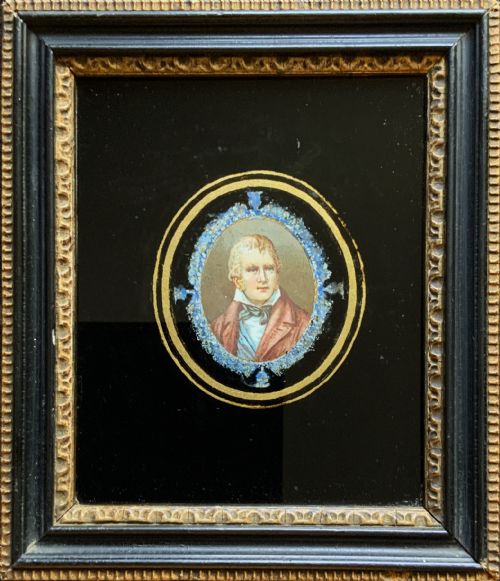


Oval Miniature Wall Art
These oval miniature wall art pieces capture intimate portraits and scenes within compact frames, offering a concentrated glimpse into historical portraiture.
Oval Miniature Wall Art
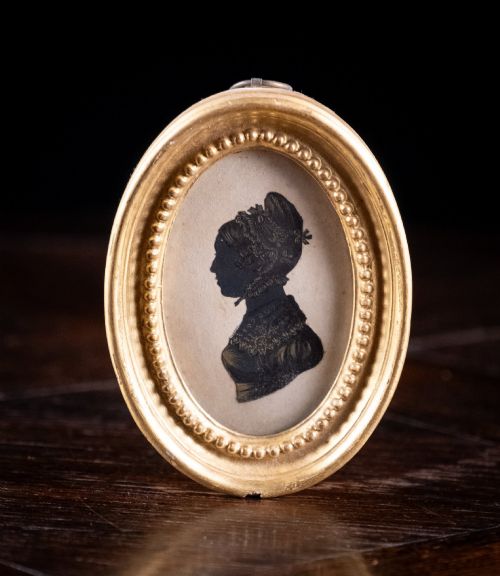
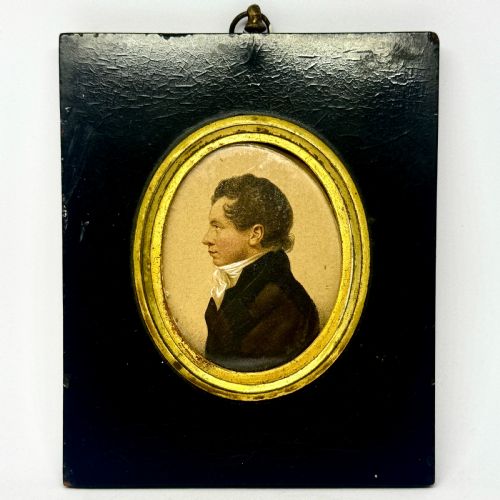
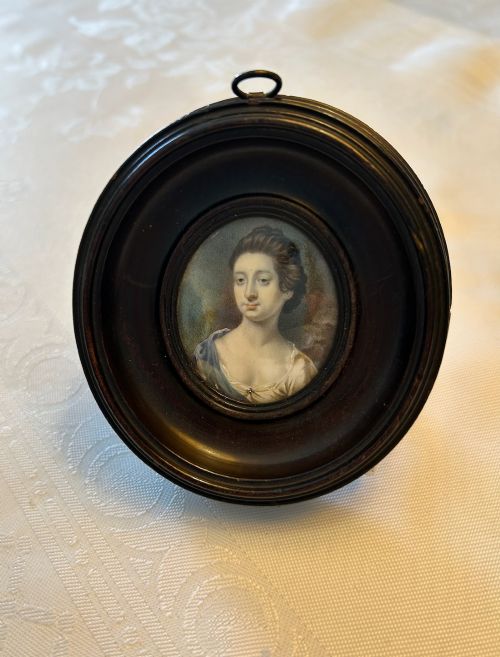
When you search for oval miniature wall art, you encounter a selection of small-scale portraits and decorative plaques spanning the eighteenth, nineteenth, and early twentieth centuries. These works include delicate watercolour paintings, plumbago drawings, silhouettes, and enamel plaques designed specifically for display on interior walls.
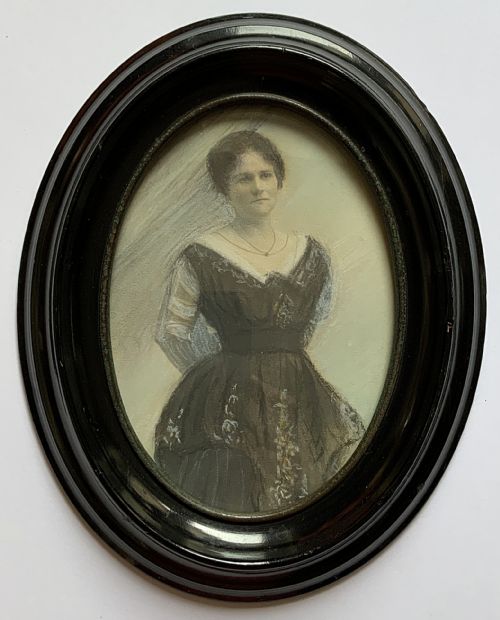
The pieces on this page lean heavily towards individual and pair portrait miniatures, alongside occasional prints and fashion plates housed in distinctive curved surrounds. Subjects range from Georgian gentlemen and Regency ladies to naval officers and children, capturing personal likenesses across successive artistic periods.
Originating largely from British and European schools, these compact artworks represent varied traditions from painted ivory to cut paper and copper panels. Their enduring appeal lies in the meticulous detail achieved within a restricted compass, making them ideal for grouping in small spaces or gallery walls.
How they were made
Makers utilised a range of delicate media, applying watercolour, bodycolour, and plumbago graphite onto paper, card, or thin slices of ivory. Enamel plaques required firing pigments onto metal bases, while silhouettes involved precision cutting or ink painting on paper.
Frames play an integral part in the construction, utilising ebonised wood, maple, and gilt metal often fitted with convex glass to protect the fragile surface beneath. Brass hangers and bezels secured the small compositions, allowing secure wall mounting.
Listings feature eighteenth-century plumbago drawings alongside Victorian watercolours and twentieth-century decorative art.
What varies in quality
Quality rests primarily on the draughtsmanship and the subtlety of expression captured by the artist within the small scale. Superior examples demonstrate confident brushwork, precise facial anatomy, and careful handling of light, whereas weaker works can appear stiff or formulaic.
The preservation of the original materials significantly influences the standing of a piece, including the stability of the pigment, the clarity of the protective glass, and the integrity of the period frame. Matching pairs and signed works by recorded miniaturists command greater recognition for their provenance.
Richard Cosway·John Taylor·James Ferguson·George Atkinson·George Hargreaves·John Smith·Ozias Humphry·N Millett·Bartolozzi·Susie Lassam
The Oval Miniature Wall Art Glossary
- Plumbago
- A drawing executed in graphite, taking its name from the Latin word for lead. These monochrome works gained popularity in the eighteenth century for detailed portraiture.
- Silhouette
- A profile portrait cut from black paper or painted in solid dark pigments onto a pale background. They frequently appeared during the Georgian and Regency periods.
- Enamel plaque
- A small panel created by fusing powdered glass onto a metal support through high-temperature firing. South Staffordshire and continental workshops produced notable examples.
- Ebonised wood
- Timber treated with a finish to imitate the dense, dark appearance of ebony. It was widely used for nineteenth-century picture frames.
- Convex glass
- Curved glass panes fitted to miniature frames to provide clearance and protection for the painted surface. They catch the light distinctively.
Oval Miniature Wall Art: Frequently Asked Questions
How were these miniatures displayed?
These pieces were intended for hanging in domestic interiors, often arranged in clusters or small groupings on panelled walls.
Their compact scale allowed owners to create intimate arrangements in private rooms rather than grand reception spaces.
What periods do these pieces span?
The selection covers eighteenth-century works through the Regency and Victorian eras, extending into the early twentieth century.
Georgian and Regency examples tend to feature silhouettes and plumbago drawings, while Victorian pieces often showcase watercolours.
How do I identify a silhouette?
Silhouettes present a solid dark profile, usually cut from paper or painted directly onto card, bone, or plaster.
Artists sometimes added subtle gilt highlights to define clothing details or hair ribbons.
Are these works signed by artists?
Certain pieces bear signatures, initials, or old backing labels identifying the miniaturist or the sitter.
Unsigned works remain common, often attributed through stylistic comparison to known schools of portraiture.