
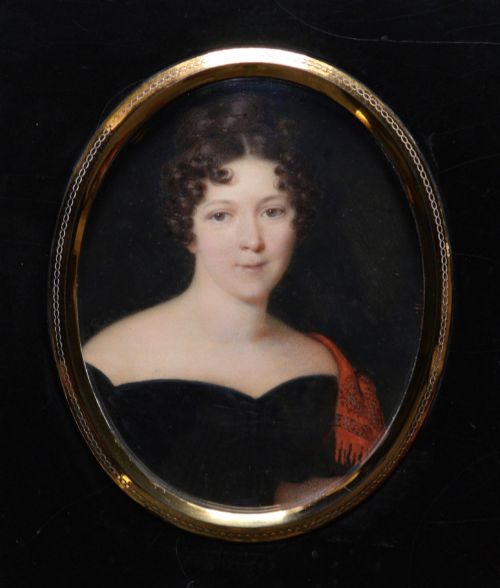
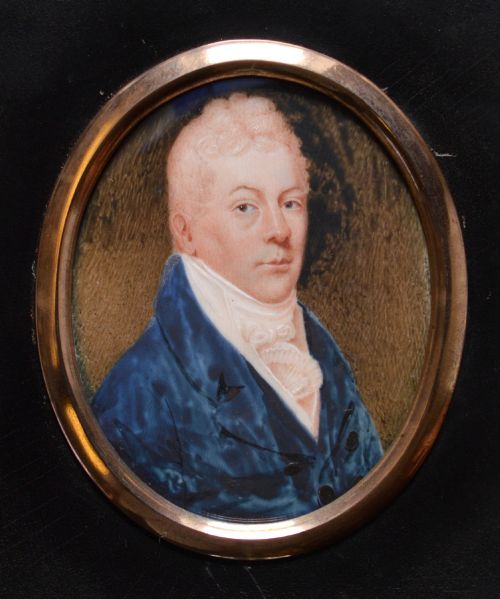
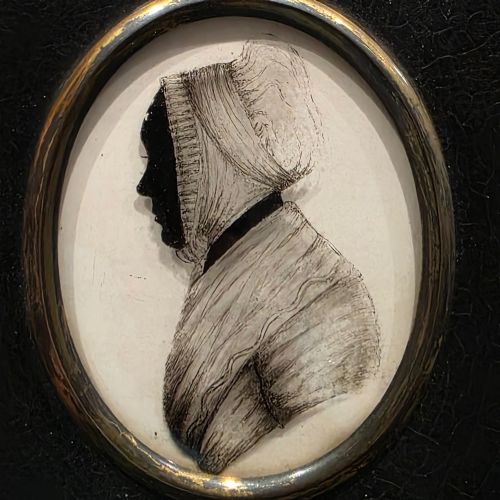

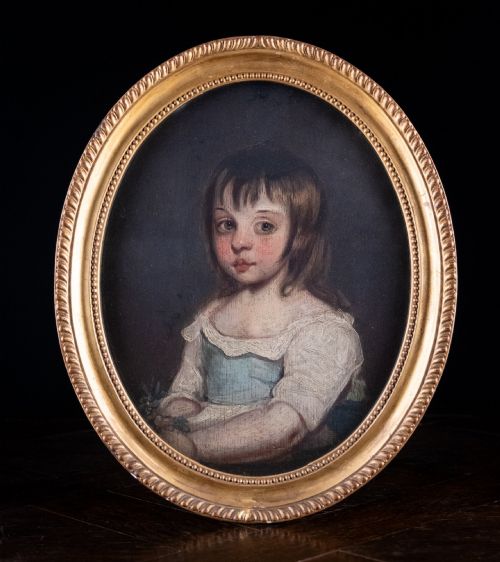
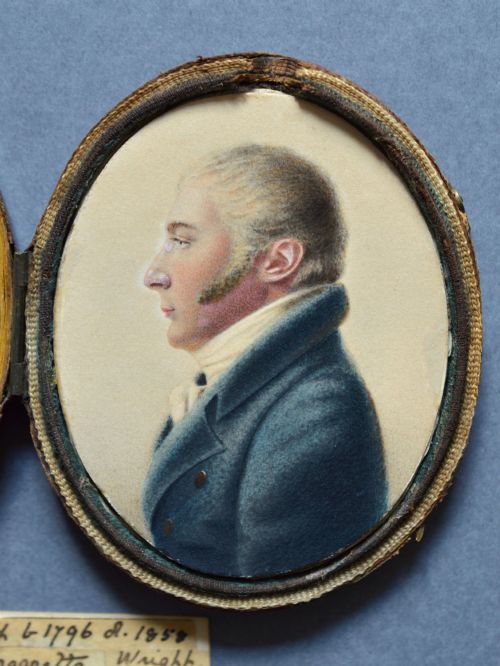
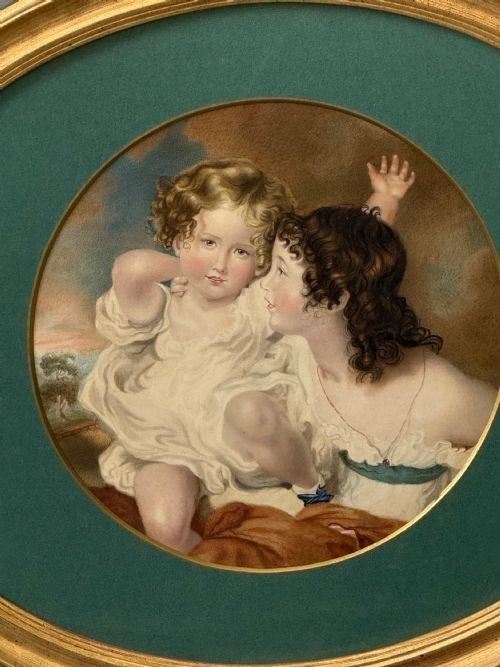
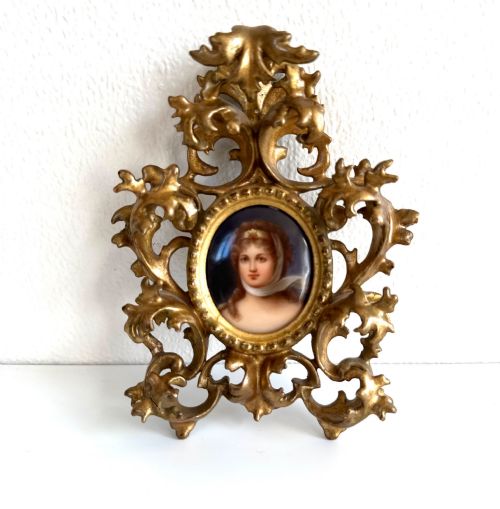
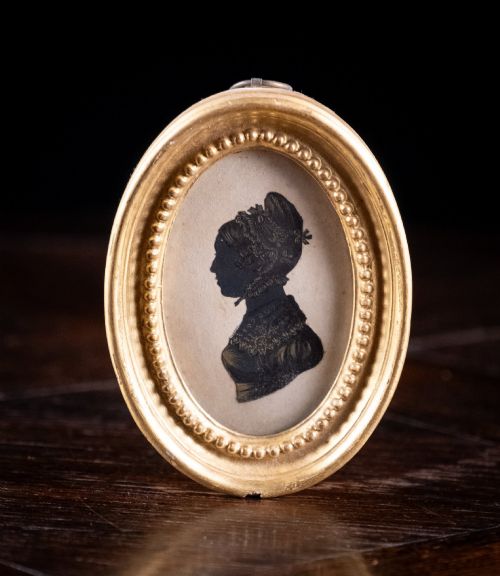

Oval Framed Portrait Miniature
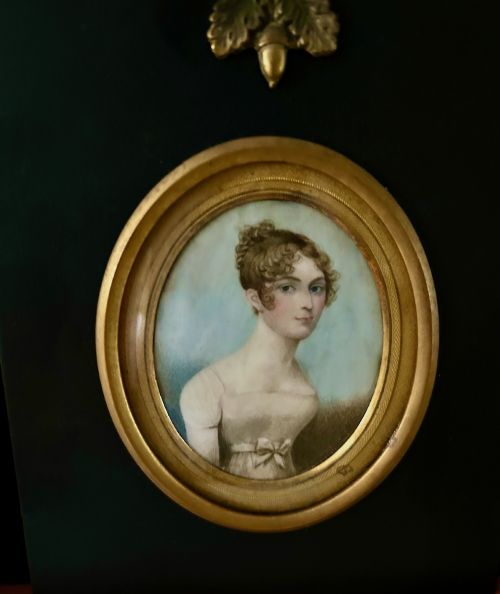
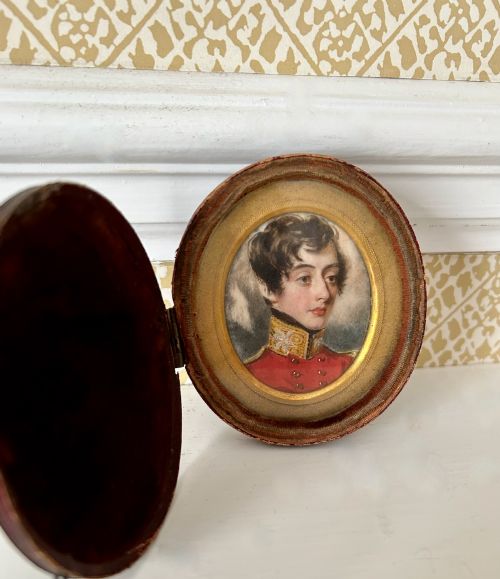
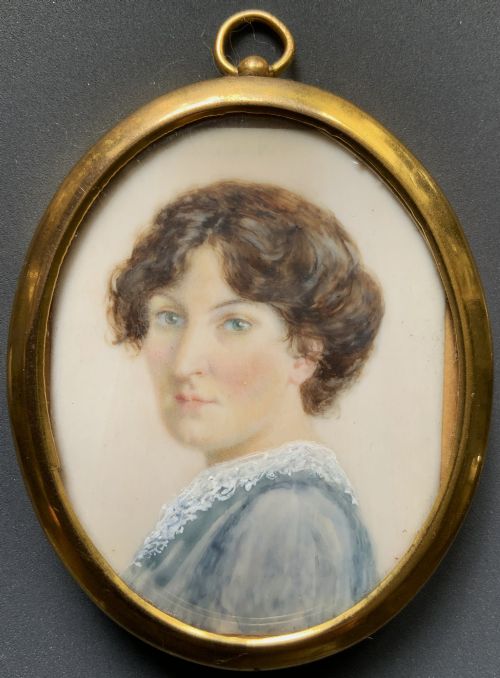
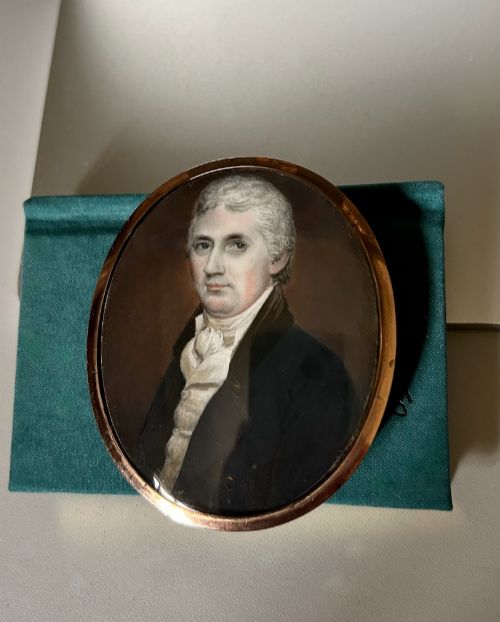
When you search for an oval framed portrait miniature, you are looking at intimate likenesses set in brass, wood, and gold.
Oval Framed Portrait Miniature
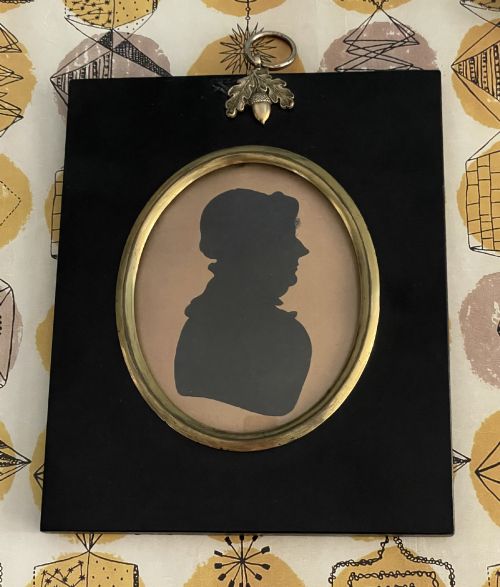
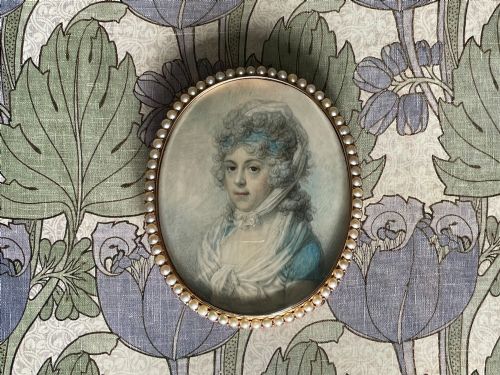
An oval framed portrait miniature is a small, hand-painted or drawn likeness designed to be held in the hand, worn as a pendant, or hung in a domestic interior. These pieces frequently emerge from the eighteenth and nineteenth centuries, spanning the Georgian, Regency, and Victorian periods.
The most common examples on this page comprise watercolour on paper, enamel on copper, and plumbago drawings housed within protective glass and fitted frames. Subjects range from named sitters and children to romantic profiles and historical figures executed by British and European artists.
Materials and Construction
Makers utilised delicate watercolours on paper or parchment, and vitreous enamel fired onto metal plaques to achieve lasting pigment and detail. These fragile surfaces required preservation beneath glass, secured within surrounds of brass, gilt metal, ebonised wood, or fourteen-carat gold.
Frames often incorporated suspension rings for pendants or small stands for desk display, while silhouettes relied on cut paper or reverse painting on glass. Seed pearls and silver mounts occasionally enriched the framing of finer examples.
Some miniatures preserve locks of the sitter's hair woven into intricate floral patterns beneath the back glass.
Factors of Distinction
The integrity of the mounting materials also separates standard studio work from elite commissions, particularly where precious metals, hallmarking, or documented provenance survive intact.
JAMES SHARPLES·Henry Bone ARA·Thomas John Horsley·Richard Cosway·James Gillespie·Frederick Buck·John Taylor·Charles Hayter·John Miers·William Naish
The Oval Framed Portrait Miniature Glossary
- Plumbago
- A drawing executed in graphite, taking its name from the Latin for lead ore. These monochrome works gained popularity in the eighteenth century for precise profile portraits.
- Enamel
- Powdered glass fused to a metal backing through high-temperature firing. This technique created durable, luminous portraits that resisted fading.
- Silhouette
- A solid profile likeness, typically cut from black paper or painted onto card or glass. The form experienced widespread popularity during the Georgian and Regency eras.
- Ebonised wood
- Timber treated with a dark stain or finish to imitate ebony. This material was frequently utilised for simple, contrasting frames on eighteenth and nineteenth-century works.
Oval Framed Portrait Miniature: Frequently Asked Questions
How were portrait miniatures worn?
Many early pieces doubled as jewellery, fitted with loops or bezels to accommodate ribbons or gold chains for wear around the neck. Others functioned as portable keepsakes carried in pockets or travel cases.
Over time, domestic display grew more common, leading makers to mount the same intimate paintings on small easels or hang them directly onto walls within grouping arrangements.
Are silhouettes considered portrait miniatures?
Silhouettes formed a distinct branch of miniature portraiture, offering an accessible alternative to detailed watercolour or oil paintings. Artists captured profiles using cut paper, hollow-cut card, or delicate ink work.
These black-and-profile studies shared the same intimate scale and framing conventions as painted works, frequently appearing in ebonised wood or brass surrounds.
What materials protect the painted surface?
Glass served as the primary barrier against dust, moisture, and physical damage, held tightly in place by metal bezels or wooden rabbets. Behind the painted surface, backing cards sometimes preserved old handwritten annotations regarding the sitter.
Precious metals like gold and silver, alongside brass and ebonised wood, provided structural rigidity to the miniature while enhancing its decorative appeal.
How do I date an oval frame?
Frame construction, hardware, and materials offer reliable clues to chronology, shifting from simple ebonised profiles in the eighteenth century to ornate gilt metal and cast brass in the Victorian era. Georgian examples often prioritised slender gold pendants or modest wooden rims.
Later nineteenth and early twentieth-century pieces introduced stamped brass backs, easel stands, and heavier cast frames enclosing watercolour or photographic prints.