

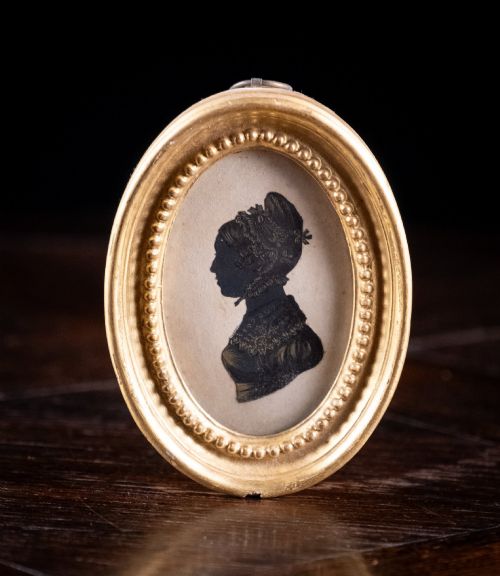
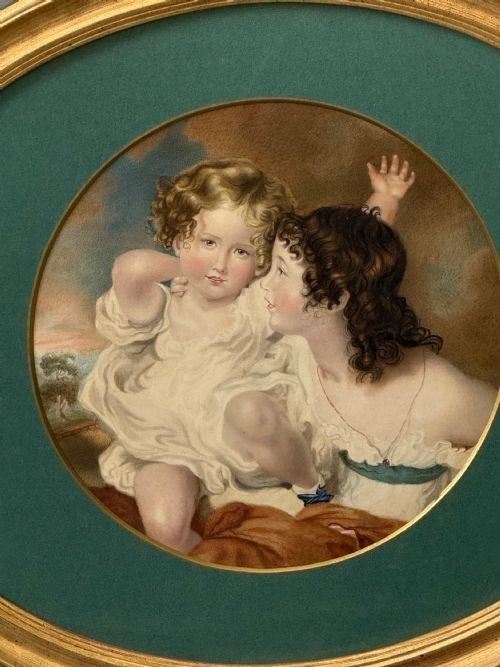
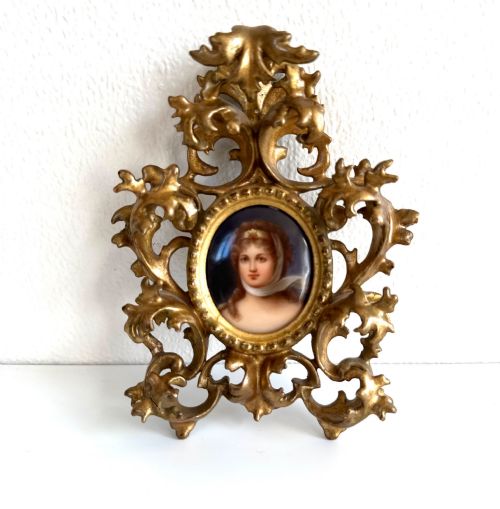
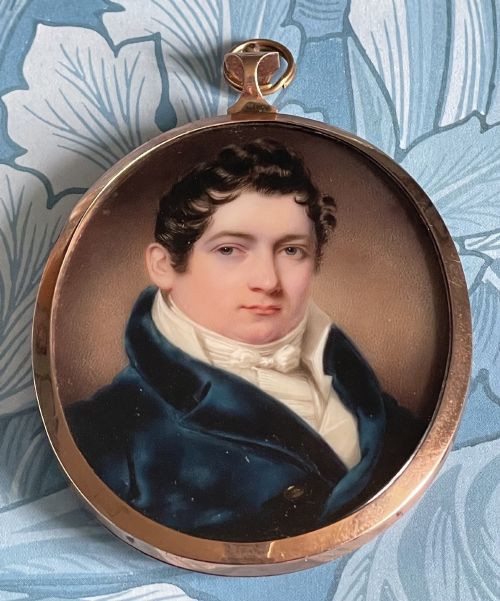
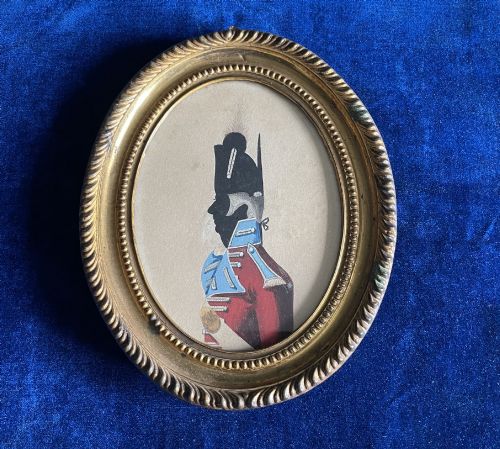
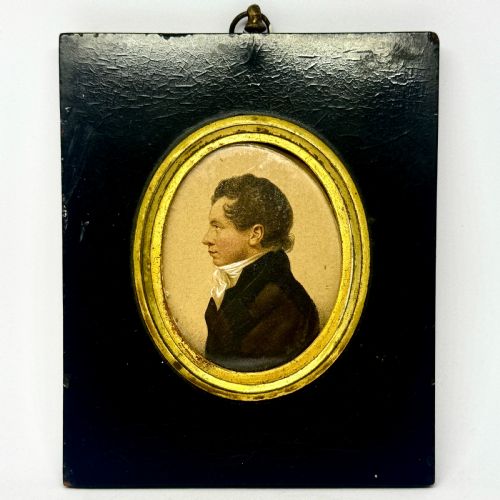
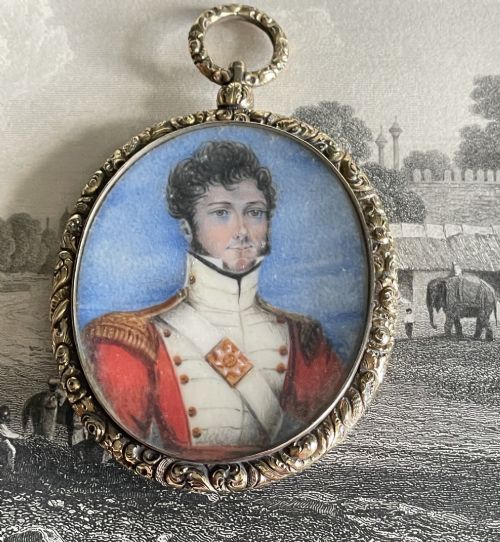
Gilt Oval Portrait Miniature
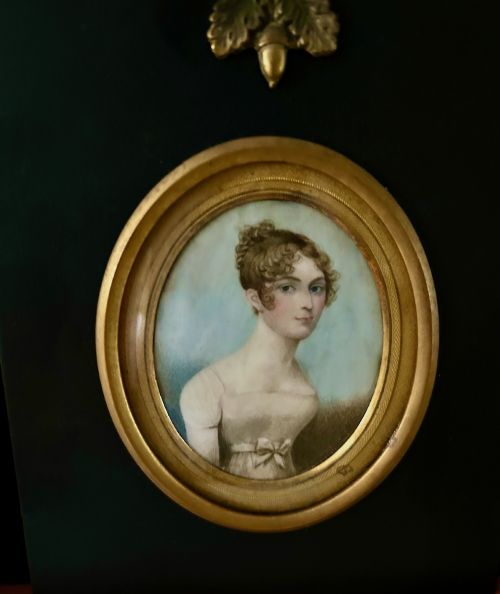
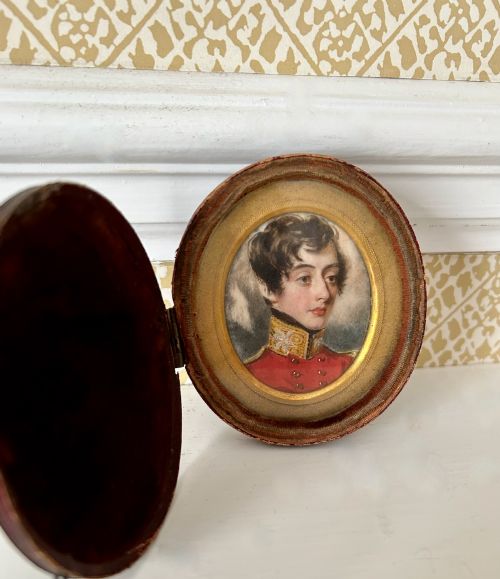
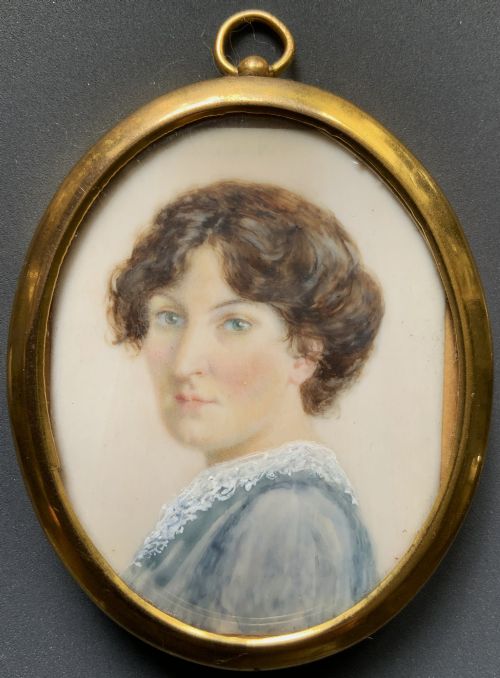
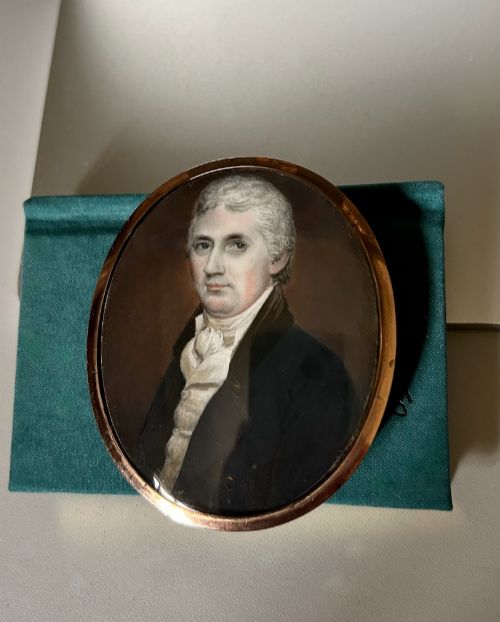
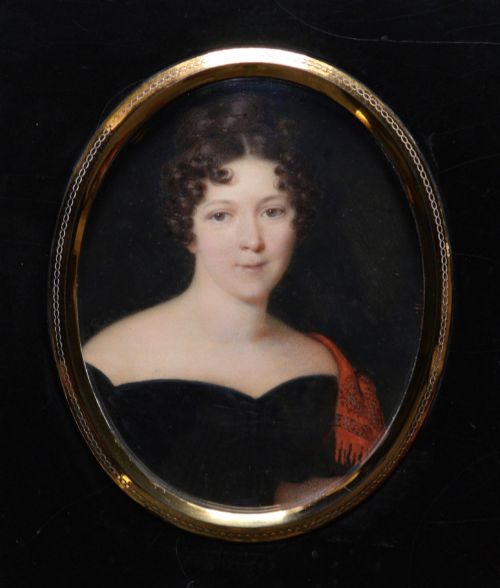
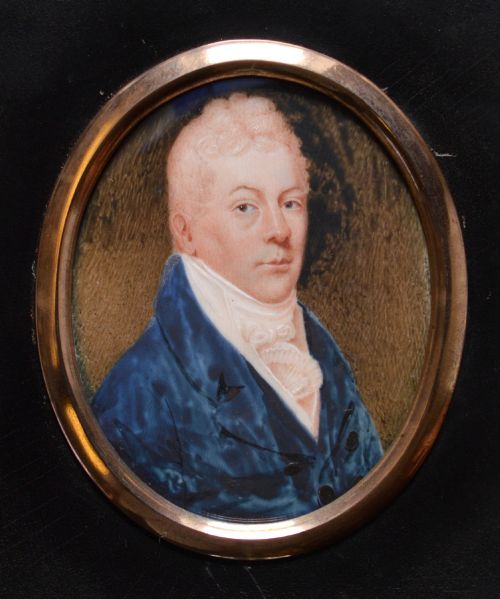
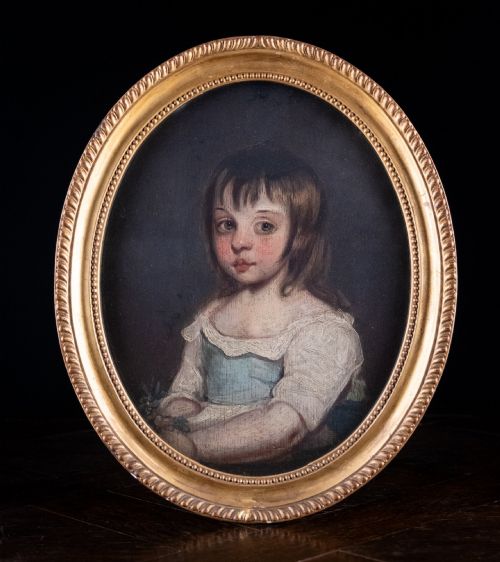
A gilt oval portrait miniature is a small painted likeness set inside a gleaming metallic frame, offering an intimate glimpse into past centuries.
Gilt Oval Portrait Miniature
A gilt oval portrait miniature captures the likeness of an individual within a compact format designed for personal closeness. These portable works bridge the gap between fine painting and intimate personal keepsake.
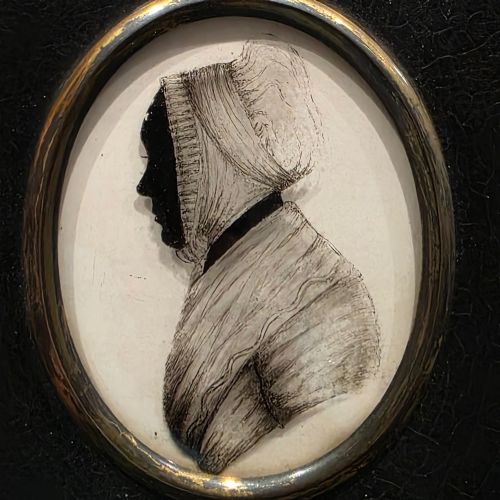
The selections span from the eighteenth century through the Edwardian era, encompassing Georgian, Regency, and Victorian periods. Buyers frequently encounter watercolours on paper or ivory, alongside silhouettes and enamel plaques housed in brass, gilt metal, or ebonised wood frames.
Origins stretch across English, French, Anglo-Indian, and Mughal traditions, showing diverse cultural approaches to small-scale portraiture. Subjects range from military officers and nobility to children and country girls.
How They Were Made
Artists painted these small portraits primarily using watercolour on paper or ivory, sometimes employing reverse painting techniques on glass. Precision was paramount, requiring fine brushes and steady hands to achieve intricate detail on a reduced scale.
Frames utilised brass, gilt metal, and wood, often enhanced with giltwood or seed pearl embellishments. These housings protected the delicate painted surfaces while providing a polished display border.
Materials recorded across the inventory include watercolour, glass, ivory, paper, brass, gilt metal, wood, giltwood, and ebonised wood.
What Varies in Quality
The refinement of the surrounding metalwork and the preservation of the glass or original backing material distinguish superior items. Age-related wear affects items differently, yet the vitality of the original brushwork remains the primary indicator of execution.
Frederick Buck·James Sharples·John C D Engleheart·Charles Hayter·William Naish·J Bizo·George Hargreaves·Archibald Skirving·John Miers·John Smith of Edinburgh·Henry Jacob Burch·Ozias Humphry
The Gilt Oval Portrait Miniature Glossary
- Miniature painting
- A detailed artwork executed on a very small scale, requiring specialised techniques to maintain proportion and likeness. These works demand immense patience from the artist.
- Silhouette
- A portrait profile filled in with a solid dark colour, often cut from paper or painted on plaster, glass, or card. This style gained immense popularity during the Georgian and Regency periods.
- Reverse painting on glass
- A technique where the artist applies pigment to the rear side of a glass panel so the image is viewed through the front. This method gives the surface a glossy, preserved finish.
- Enamel plaque
- A small plate fused with powdered glass melted under high heat, providing a durable base for painted miniatures. South Staffordshire workshops specialised in producing these glossy items.
Gilt Oval Portrait Miniature: Frequently Asked Questions
How were these miniatures displayed?
Owners kept these small artworks on desks, carried them during travel, or mounted them directly onto walls as part of a grouped arrangement. Their portable nature meant they travelled easily with their owners.
Many featured hanging loops or stands to accommodate different domestic settings, allowing families to display likenesses of relatives in private chambers or reception rooms.
Are these works painted on ivory?
Several eighteenth and nineteenth-century examples utilise thin slices of ivory as a painting surface, which lent a luminous quality to skin tones. Artists valued this material for its smooth texture and translucent depth.
Other pieces employ watercolour on paper, card, or enamel plaques, reflecting the varied materials available to portraitists across different decades and regions.
How do I identify the period?
Clothing styles, hairstyles, and framing techniques offer clear clues to the decade in which a portrait was created. Regency pieces often display distinct neoclassical dress, while Victorian examples show heavier framing and attire.
Examining the reverse of the frame occasionally reveals old handwritten inscriptions, artist signatures, or silhouettist trade labels that confirm the date of production.
Can I hang them in direct sunlight?
Watercolours and organic pigments used in these miniatures are sensitive to ultraviolet light and fade when exposed to bright sun. Placement in shaded areas away from windows protects the pigments and paper.
Keeping frames away from damp environments also prevents mould growth and protects fragile paper or ivory supports from warping over time.