



Oval Hall Mirror
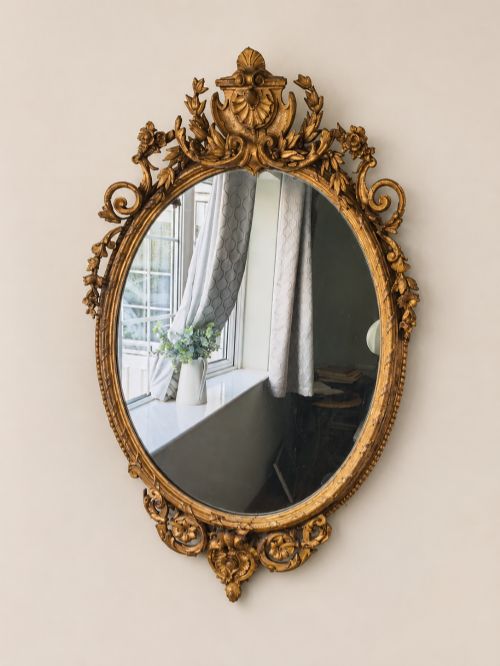
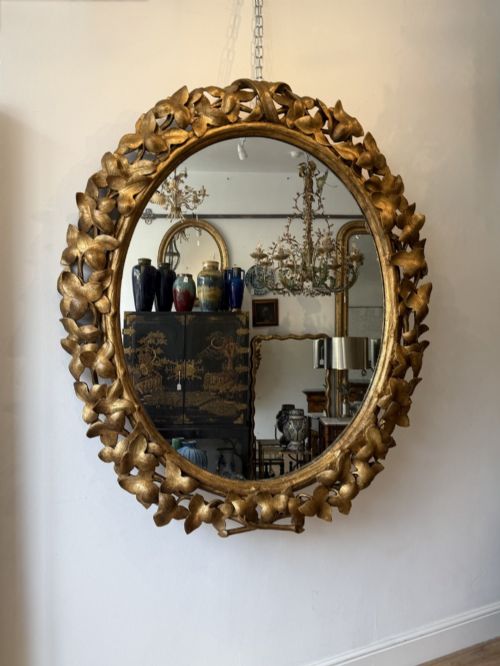
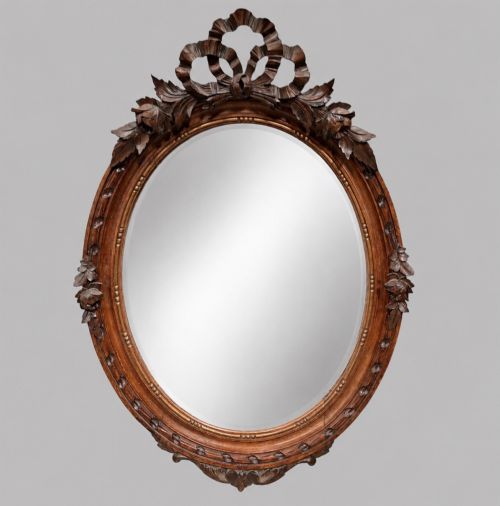
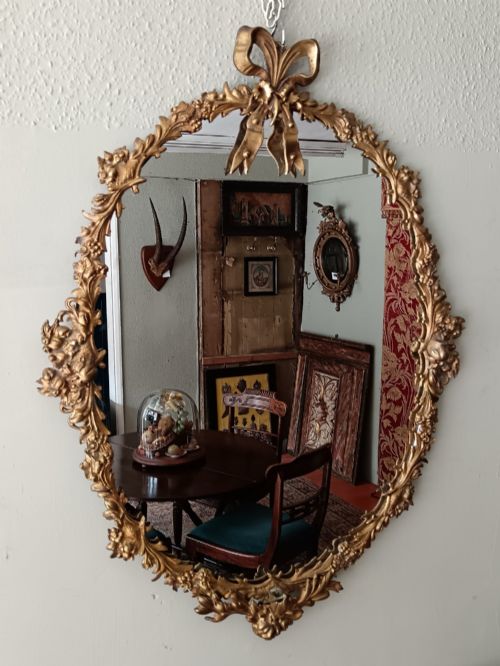
An oval hall mirror brings depth and light to an entrance space, drawing the eye with curved frames of giltwood, oak, or ebonised timber.
Oval Hall Mirror
An oval hall mirror offers a practical and decorative focal point for entranceways, hallways, and reception rooms. These pieces combine functional glass with frames shaped in soft curves, ranging from compact hanging versions to large architectural statements.
Most examples encountered here date from the nineteenth and early twentieth centuries, spanning Victorian, Edwardian, and revival aesthetics. You will find forms ranging from simple wooden surrounds to ornate, carved creations with substantial proportions.
Origin and design vocabulary vary widely across the selection, encompassing French, Italian, and English influences. Makers drew upon classical motifs, floral carvings, and restrained architectural lines to suit the domestic interiors of their eras.
Materials and Construction
Giltwood and gesso form the basis of many traditional decorative frames, often finished with gold leaf applied over carved timber substrates. Artisans sculpted intricate details by hand before applying gilding, creating surfaces that catch light from various angles.
Wood varieties such as oak, mahogany, and ebonised timber appear frequently in structural frames, offering robust support and distinct grain patterns. Some pieces utilise simulated wood finishes or metal components like gilt bronze and hand-hammered copper to achieve alternative visual textures.
Oval Hall Mirror Retail Price Guide 2026
Typical asking prices for oval hall mirror among the pieces listed under this phrase on Sellingantiques today, from the lower quarter to the upper quarter. They describe what is for sale here now, not the wider market.
Listings feature items spanning the Victorian and Edwardian eras, alongside pieces dated specifically to 1860, 1870, 1880, 1890, and 1920.
Assessing Quality
Quality reveals itself in the depth and crispness of the carving, where hand-tooled execution displays sharper definition than cast or mass-produced ornament. The integration of the frame joints and the purity of the original glass plate further separate standard domestic items from superior examples.
The integrity of the surface finish matters significantly, whether in the preservation of original gold leaf or the rich patina developed on exposed oak and ebonised wood over decades. Superior pieces retain harmonious proportions where the weight of the frame complements the expanse of the glass.
The Oval Hall Mirror Glossary
- Giltwood
- Wood that has been coated with gold leaf or gold paint. This technique was widely utilised on decorative frames throughout the nineteenth century.
- Ebonised wood
- Timber treated to resemble ebony, a dense black wood. It provides a dark, contrasting surround that highlights gilt details.
- Gesso
- A plaster-like mixture applied to wood frames to create a smooth surface for gilding and carving. Skilled artisans built up layers to achieve high relief.
- Parcel Gilt
- A finish where only specific parts of an object are gilded, leaving other sections of wood or paint exposed for contrast.
- Overmantle
- A large mirror designed to hang above a fireplace mantelpiece. Many shared dimensions and styles with large hall mirrors.
Oval Hall Mirror: Frequently Asked Questions
Where should I hang an oval hall mirror?
An oval hall mirror suits narrow entranceways and landings where soft curves help break up linear architectural lines. Positioning them opposite a light source maximises illumination in darker corridors.
Ensure the hanging height allows comfortable viewing for household members while anchoring the space above a console table or bench.
How do I date an antique mirror?
Dating relies on examining the frame construction, wood types, backboards, and the manufacturing method of the glass plate. Nineteenth-century pieces often display hand-beveled edges and specific revival styles corresponding to Victorian or Edwardian periods.
Hardware elements such as fixings and screws also offer reliable clues to the exact era of production.
Can these mirrors be used in bathrooms?
Period mirrors feature delicate materials like gesso, water gilding, and unsealed timber frames that react poorly to high humidity. Moisture causes gilt to lift and wood to warp over time.
Dry entrance halls, reception rooms, and bedrooms provide a much safer environment for preserving antique surfaces.
What is parcel gilt?
Parcel gilt describes a decorative treatment where gold leaf is applied only to selected raised portions of a carved frame. The remaining areas are typically painted black, ebonised, or left as natural wood.
This technique creates a striking visual contrast between the dark background and the reflective gilded highlights.