

Victorian Carved Crest Mirror
A victorian carved crest mirror anchors a room with gilded height and sculptural weight, built for parlours that demanded focal drama above the hearth.
Victorian Carved Crest Mirror
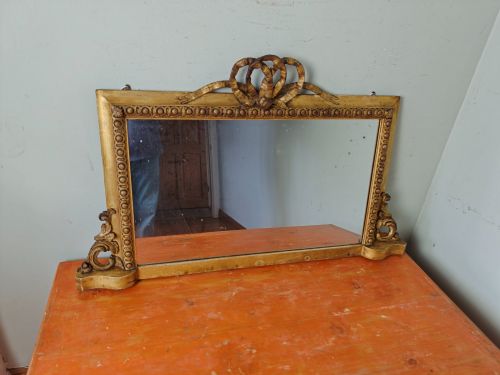
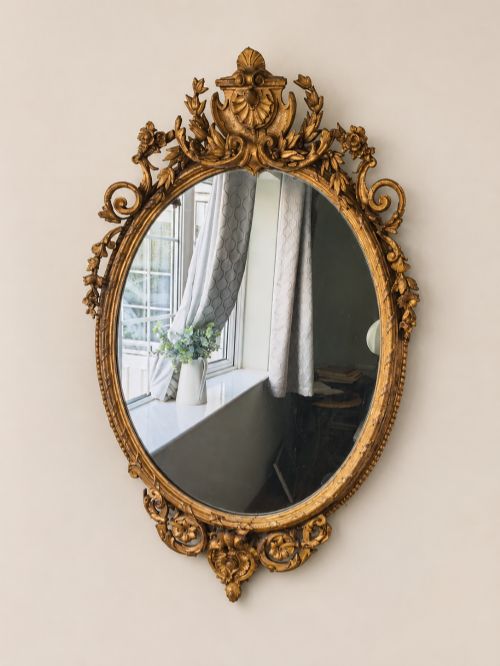
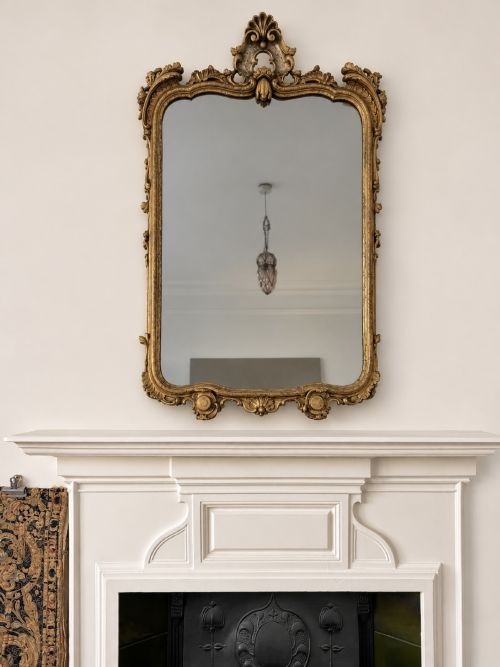
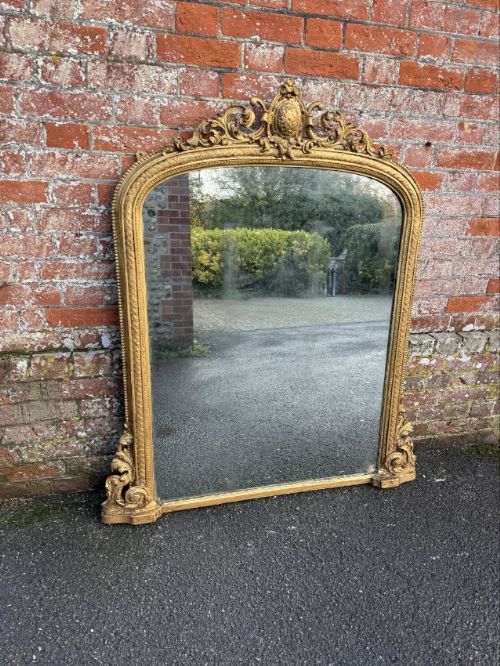
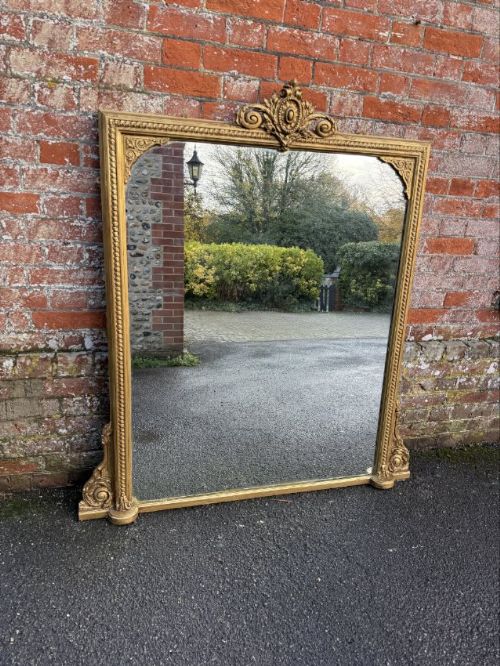
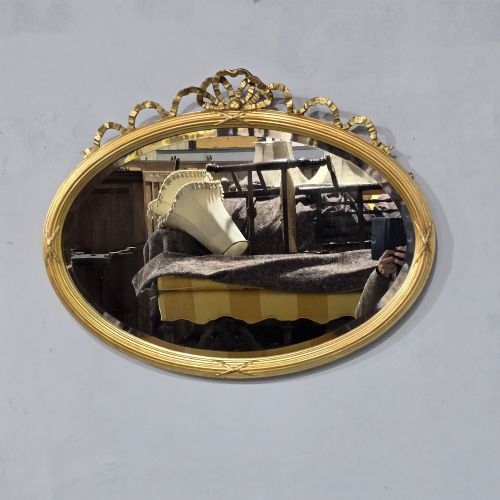
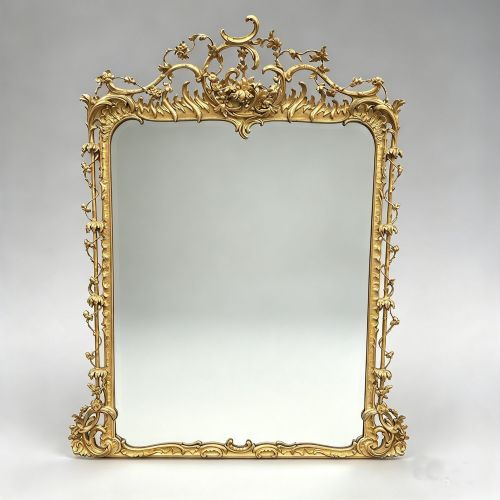
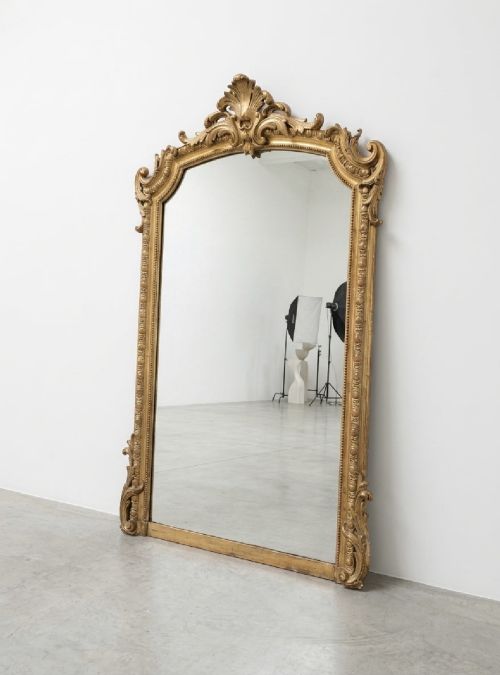
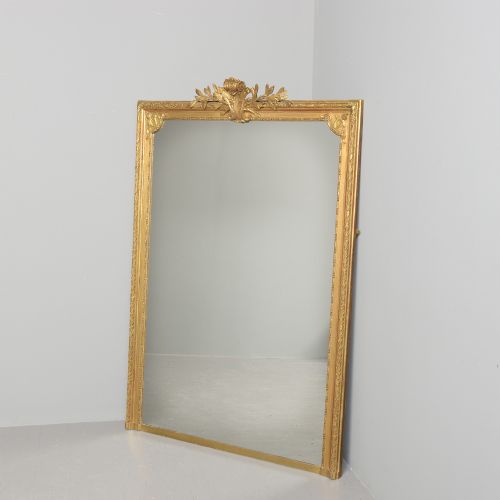
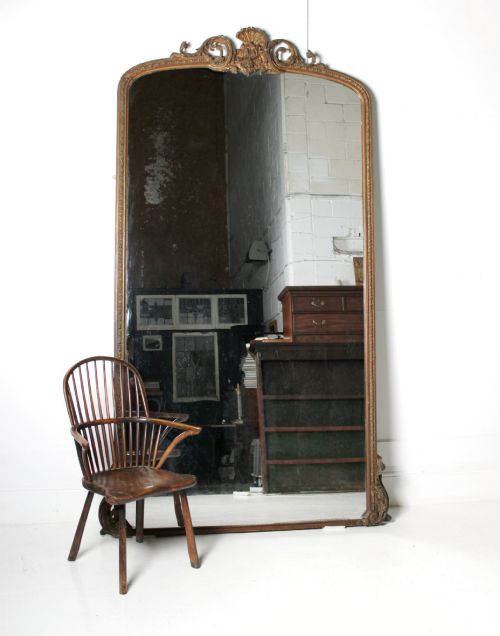
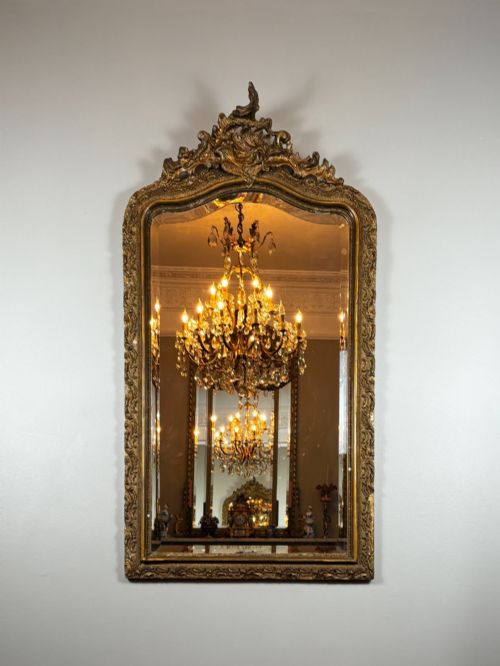
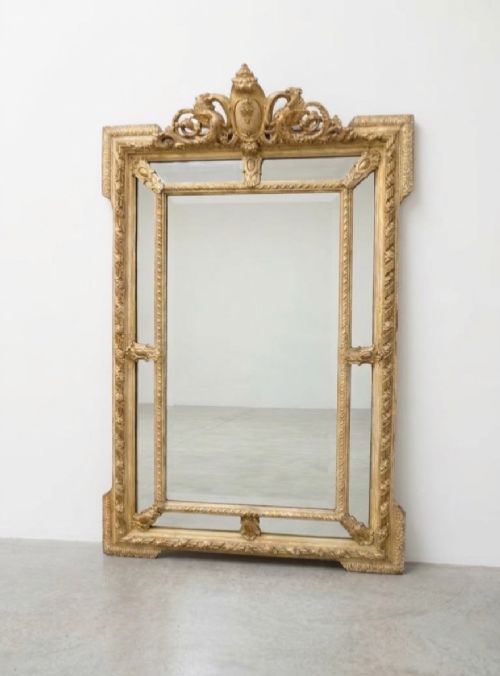
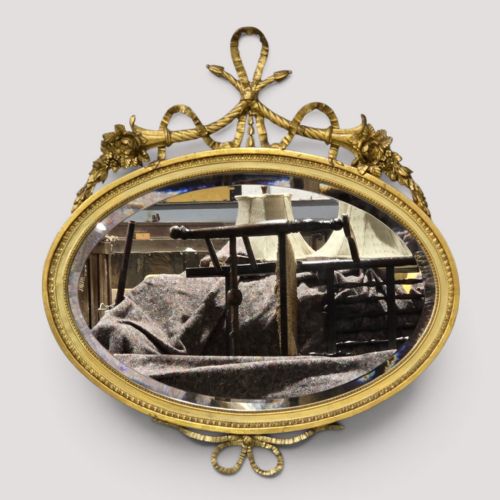
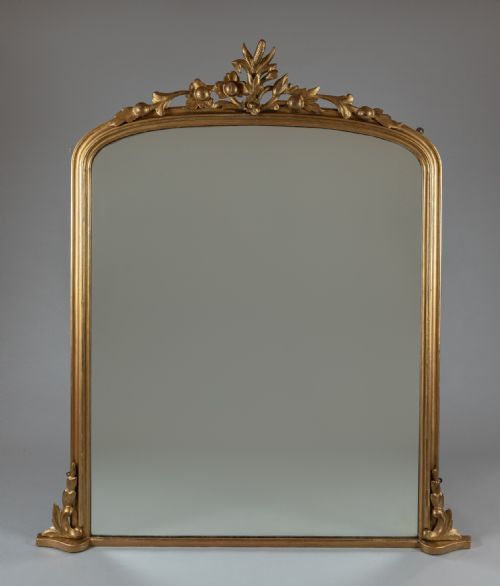
A victorian carved crest mirror typically appears as a substantial overmantel or wall glass designed during the nineteenth century, drawing heavily from Rococo Revival and Chippendale styles. These pieces range from grand archtop frames to oval timber formats topped by carved pediments or urn motifs.
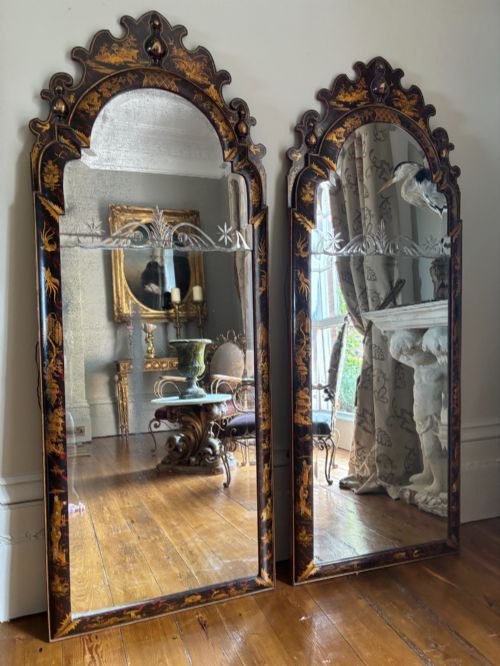
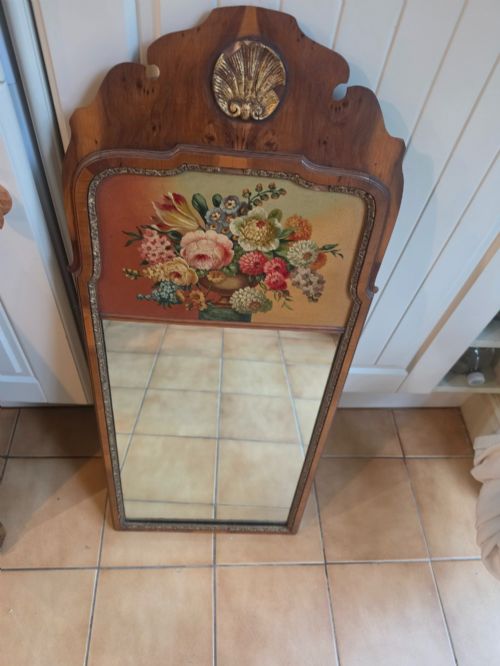
The dominant forms on this page include large English giltwood overmantels alongside French Louis Philippe and Rococo styles, spanning decades from the eighteen-sixties through to nineteen-hundred. Walnut, oak and mahogany frames appear alongside heavily giltwood and gesso constructions.
Makers and workshops of the period utilised ornate crestings, ribbed mouldings and cushion margins to project status and light into principal rooms, relying on traditional proportions suited to high Victorian ceilings.
Materials and construction
Craftsmen built these heavy frames using timber substrates of pine, oak, walnut or mahogany, upon which applied composition ornaments and gesso formed the intricate scrollwork and crests. Gold leaf or silver gilt was then laid over the prepared surfaces to catch the candlelight or daylight of the period.
Mirror glass of the era was set within rebate frames, sometimes accompanied by cushion margins or segmented plates that reflected the interior architecture without modern chemical backing.
Victorian Carved Crest Mirror Retail Price Guide 2026
Typical asking prices for victorian carved crest mirror among the pieces listed under this phrase on Sellingantiques today, from the lower quarter to the upper quarter. They describe what is for sale here now, not the wider market.
One unusual nineteenth-century example bears the specific symbols of the Freemasons, combining decorative giltwood with fraternal heritage.
Judging the work
The distinction between ordinary production and superior execution rests on the crispness of the hand-carving and the depth of the gesso modelling upon the crest. Finer examples retain their original gilding and structural integrity without heavy restoration masking the original joinery.
Subtlety in proportion and the organic flow of Rococo scrollwork separate ambitious salon pieces from simpler provincial mirrors, while the clarity and weight of the original mirror plate complete the standard of the piece.
The Victorian Carved Crest Mirror Glossary
- Giltwood
- Timber carved and coated with gold leaf over a prepared bole. This finish defines the most ornate nineteenth-century salon mirrors.
- Gesso
- A plaster-like mixture applied to wood frames and carved into relief details before gilding. It allows for sharp decorative moulding.
- Overmantel
- A large mirror specifically proportioned to hang above a fireplace mantelpiece. These often feature archtops or horizontal expanses.
- Cushion margin
- A convex or bevelled outer border of mirror glass framing the central plate. It adds depth to the visual field.
- Pediment
- The decorative architectural structure mounted at the top of the frame. In these mirrors, it often takes the form of a carved crest or urn.
Victorian Carved Crest Mirror: Frequently Asked Questions
How do I hang a heavy overmantel mirror?
These massive frames require secure wall anchors fixed directly into masonry or structural studs rather than standard plaster fixings. Professional mirror hangers distribute the weight evenly using heavy-duty brackets to support the substantial timber and gesso construction safely.
Because nineteenth-century frames carry considerable weight from the glass and wooden backing, checking the wall integrity prevents shifting over time.
What is the difference between an overmantel and a wall mirror?
Overmantel mirrors are traditionally wider and engineered to sit precisely above a fireplace hearth, often featuring low profiles or arched tops suited to mantel ledges. Standard wall mirrors are proportioned for vertical wall spaces and hallways.
Both forms utilise carved crests, but overmantels generally command a more dominant architectural presence in a room.
How should I clean antique giltwood frames?
Dusting requires only a very soft, dry brush to prevent disturbing fragile gesso or flaking gold leaf. Moisture and modern chemical cleaners damage historical gilding permanently.
Keeping the mirror away from direct heat sources and damp environments preserves the underlying wood and composition ornaments.
Are original mirror plates always bevelled?
Nineteenth-century mirror plates vary, with many original glasses presenting flat surfaces featuring subtle distortions or minor foxing. Bevelled edges became more widespread toward the late Victorian period.
Original glass adds historical authenticity, even when bearing the light clouding accumulated over decades.