

Oval Glass Wall Mirror
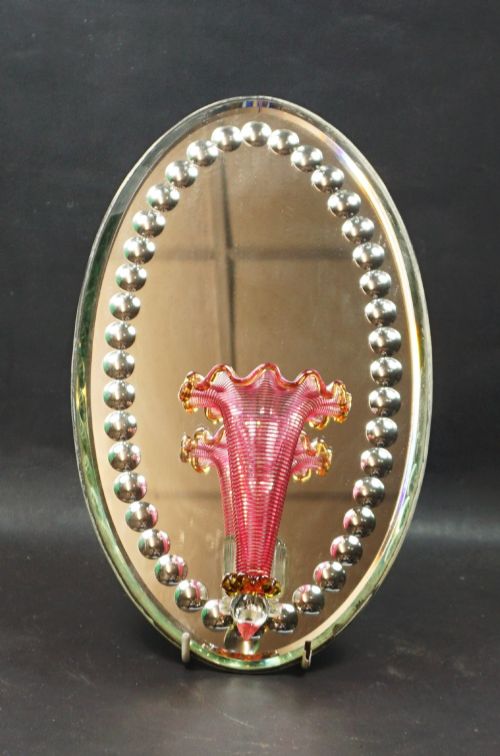
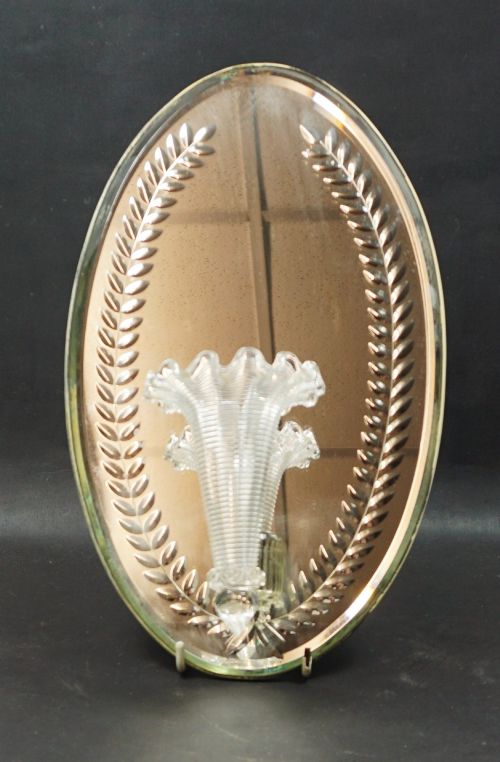
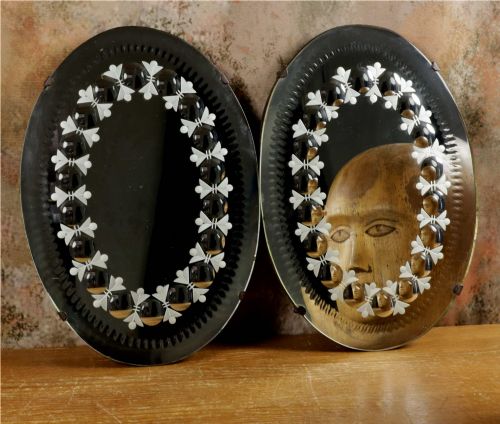
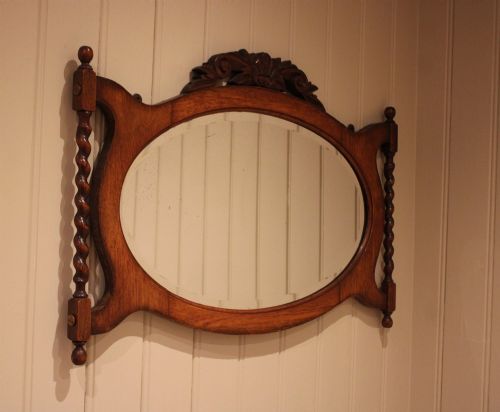
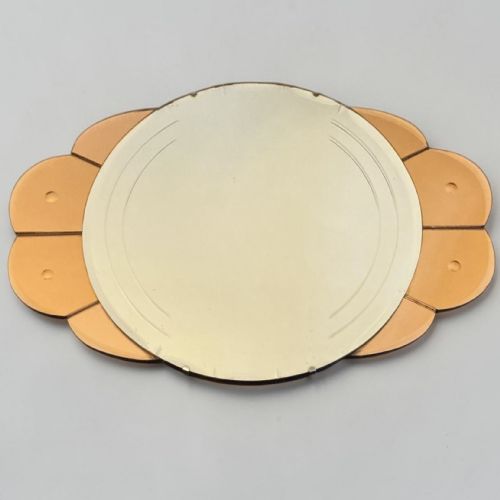
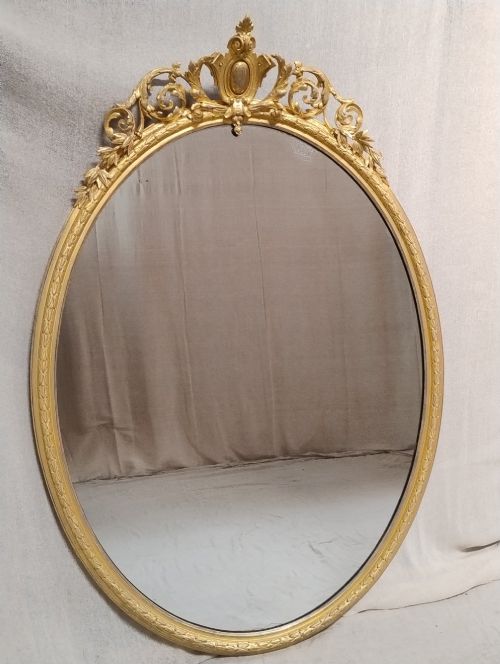
An oval glass wall mirror brings light and curved proportion into a room, spanning periods from the Georgian era through to the Edwardian years.
Oval Glass Wall Mirror
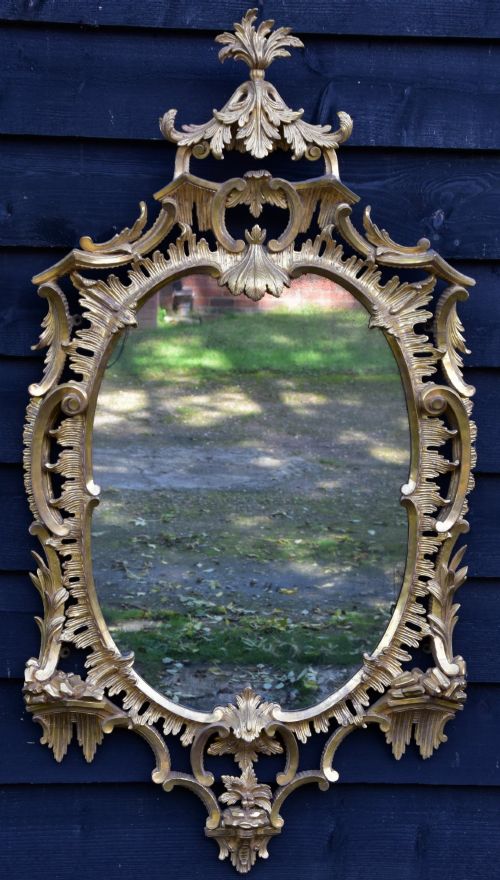
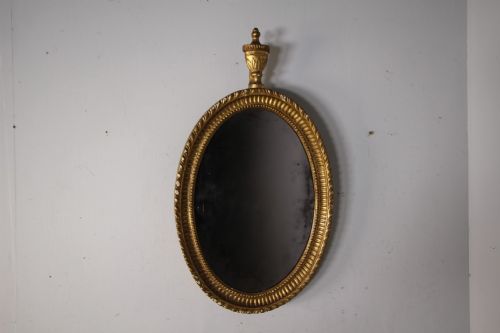
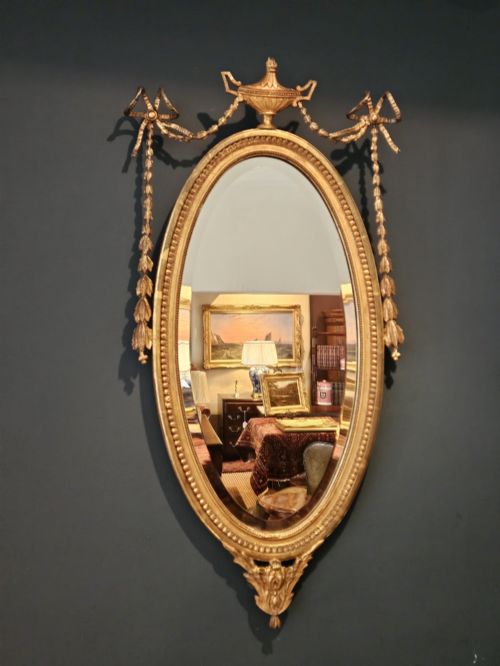
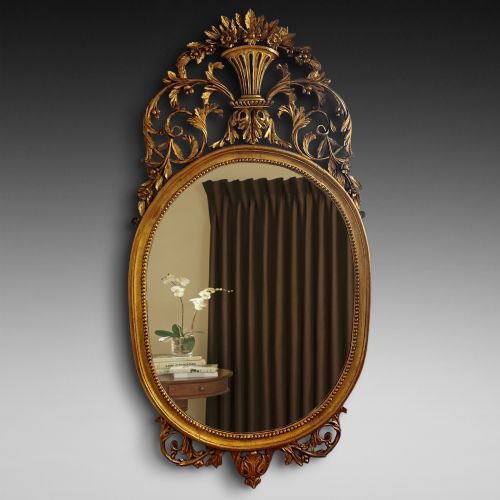
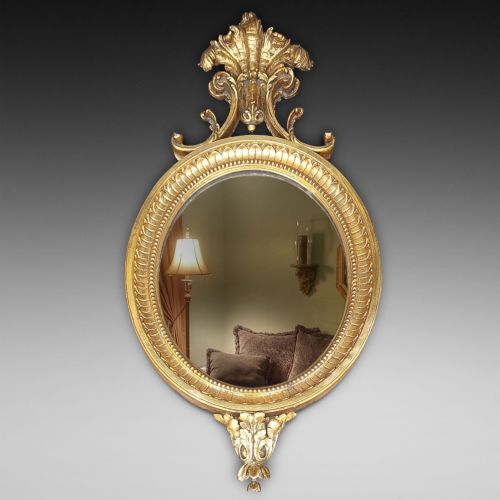
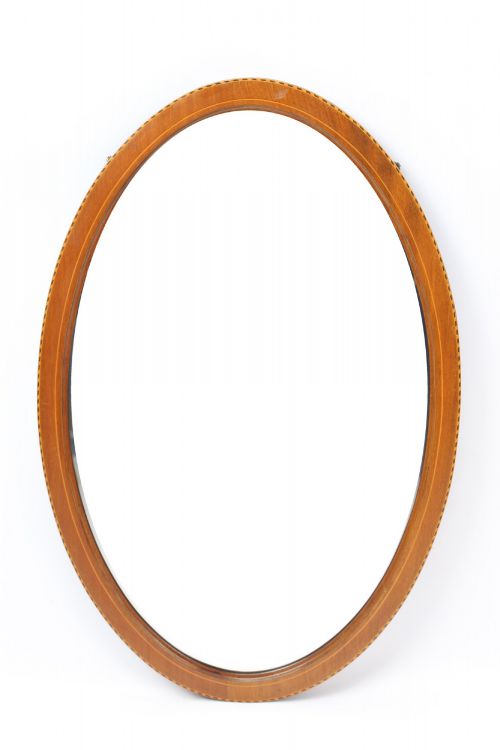
An oval glass wall mirror is a domestic looking glass shaped with curved perimeters, designed to hang in spaces such as hallways, parlours and over mantels. The examples found here range from substantial Georgian carved giltwood pieces to simpler Edwardian mahogany and inlaid frames.
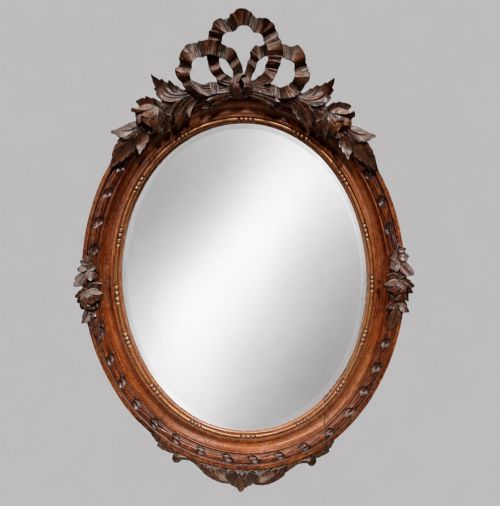
The form encompasses wall mirrors, pier mirrors and overmantel mirrors produced across the eighteenth, nineteenth and early twentieth centuries. Buyers most commonly encounter nineteenth-century gilt gesso and carved oak variations, alongside Edwardian mahogany interpretations.
How They Were Made
Craftsmen built these frames using traditional timber foundations such as oak, mahogany and pine, often applying layers of gesso to carve intricate surface decoration. Gilding was achieved through the application of gold leaf or water gilding over the prepared gesso ground.
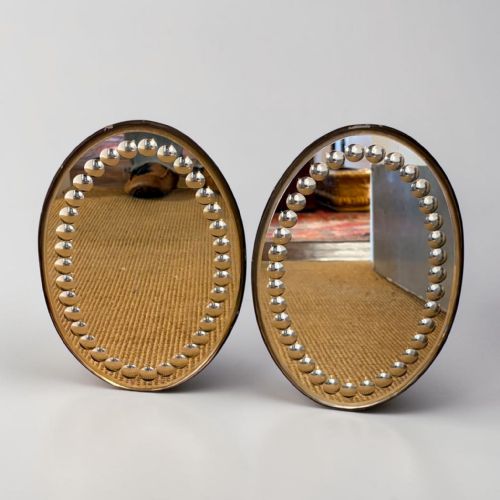
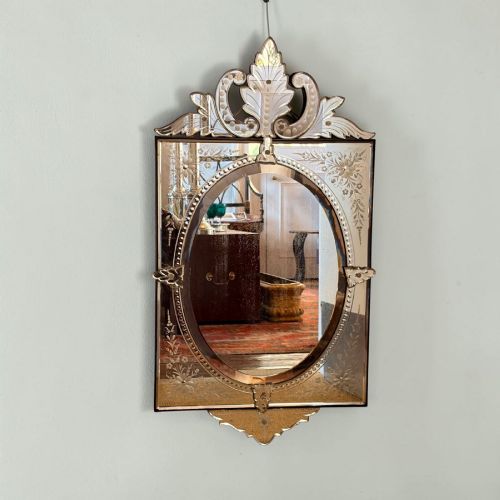
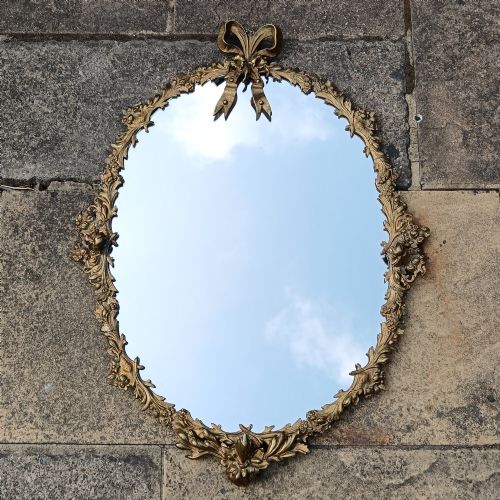
Mirror plates were produced using early mercury techniques or later silvering processes, sometimes featuring bevelled edges. Frames occasionally incorporated decorative elements including brass fittings, painted floral panels, carved urns and swags.
Oval Glass Wall Mirror Retail Price Guide 2026
Typical asking prices for oval glass wall mirror among the pieces listed under this phrase on Sellingantiques today, from the lower quarter to the upper quarter. They describe what is for sale here now, not the wider market.
Some nineteenth-century mirrors come with reverse-painted silk or floral panels, proving that looking at oneself was occasionally considered secondary to art.
What Varies in Quality
The distinction in quality rests upon the crispness of the hand-carved ornament and the depth of the gilding applied to the gesso or wood frame. Finer Georgian and Regency pieces demonstrate meticulous joinery and deeply modelled decorative motifs that lesser nineteenth-century interpretations lack.
The integrity of the mirror plate itself influences value, with surviving original mercury glass and untouched period backboards representing superior craftsmanship. The subtlety of inlay work on Edwardian mahogany frames also separates standard production from exceptional examples.
The Oval Glass Wall Mirror Glossary
- Gesso
- A plaster-like mixture applied to wood frames to provide a smooth surface for carving and gilding. This material allows for intricate decorative relief work.
- Mercury Plate
- An early mirror glass manufacturing technique utilising a tin and mercury amalgam. It produces a characteristic mottled reflection and deep dark tone.
- Giltwood
- Timber, commonly pine or oak, that has been coated with gold leaf. It is a defining finish for formal eighteenth and nineteenth-century wall mirrors.
- Pier Mirror
- A tall mirror specifically designed to hang on the wall space between windows. These pieces often matched console tables placed below.
- Girandole
- A wall mirror fitted with attached candle sconces. The candle light reflects outwards from the glass plate.
Oval Glass Wall Mirror: Frequently Asked Questions
How do I date an oval glass wall mirror?
Dating relies upon examining the construction methods of the frame, the wood types utilised, and the characteristics of the mirror plate itself. Georgian and Regency pieces often show hand-carved giltwood and early mercury glass, while Edwardian examples frequently feature mahogany and inlaid details.
Secondary indicators include the condition of the backing boards, original fixings, and the style of decorative motifs like urns and swags. Comparing these physical traits against documented period designs helps establish the era of manufacture.
Where should I hang an oval wall mirror?
These mirrors suit spaces where a vertical curved profile can balance architectural lines, such as above a mantelpiece, in a narrow hallway, or between windows as a pier glass. Their reflective surface helps distribute natural light into darker corners of a room.
Ensure the wall structure and hanging fixings can support the weight of heavier giltwood and gesso frames. Positioning the glass at eye level maximises both its decorative impact and its practical use.
What is mercury glass?
Mercury glass refers to mirror plates produced using a liquid tin and mercury amalgam before the development of modern silver nitrate methods. This historical technique yields a distinctive, slightly uneven reflection with characteristic dark spots and soft grey tones.
Finding an original mercury plate in an eighteenth or nineteenth-century frame adds authenticity to the piece. The subtle foxing on the glass surface is a hallmark of age rather than a fault.
Are mahogany oval mirrors Edwardian or earlier?
Mahogany oval mirrors appear across multiple periods, though inlaid and simpler polished mahogany frames are heavily represented in Edwardian listings. Earlier Georgian cabinetmakers also utilised mahogany, but typically combined the timber with carved gilt details rather than string inlay.
Examining the interior secondary woods and the style of any inlay helps distinguish an Edwardian interpretation from an eighteenth-century prototype. Construction cues like screw types and backing board construction provide further clarity.