





Oval Gilt Frame Art
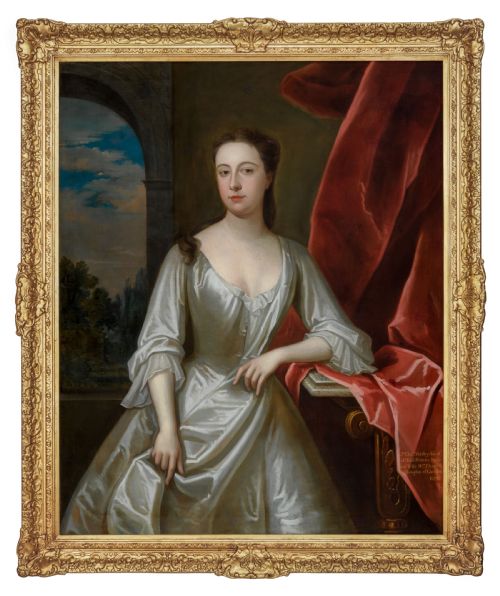
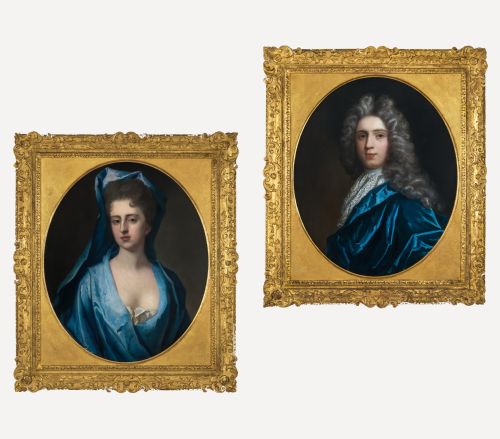
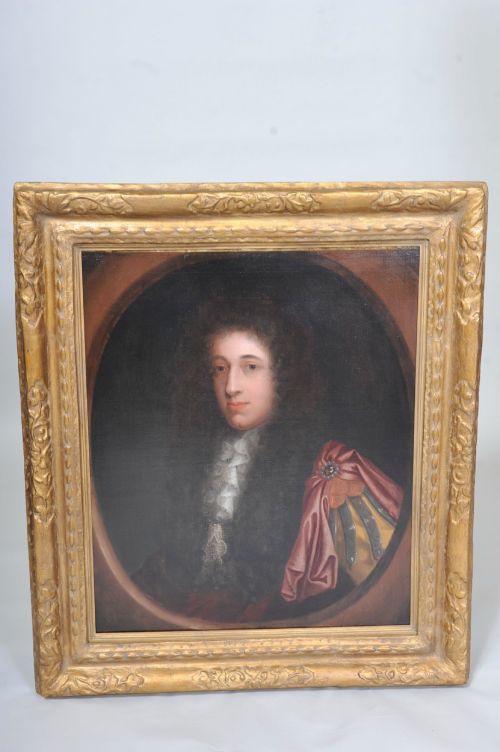
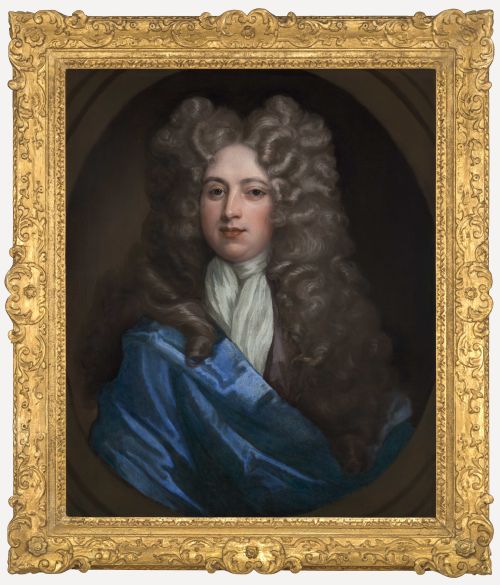
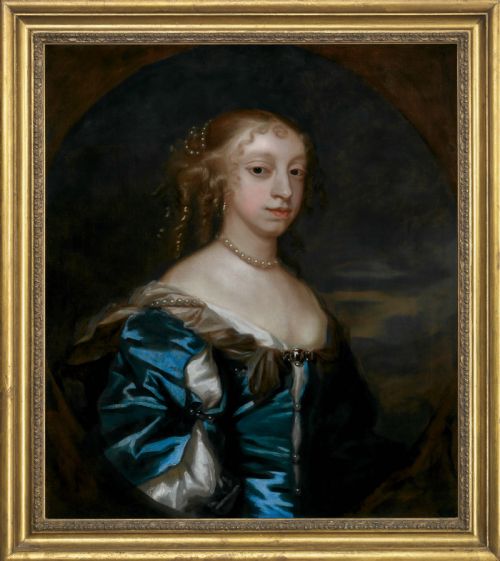
When you search for oval gilt frame art, you are looking at centuries of portraiture and works on paper enclosed in curved gold surrounds.
Oval Gilt Frame Art
Oval gilt frame art spans centuries of portraiture, needlework, and prints enclosed in curved borders finished with gold leaf or metallic paint.
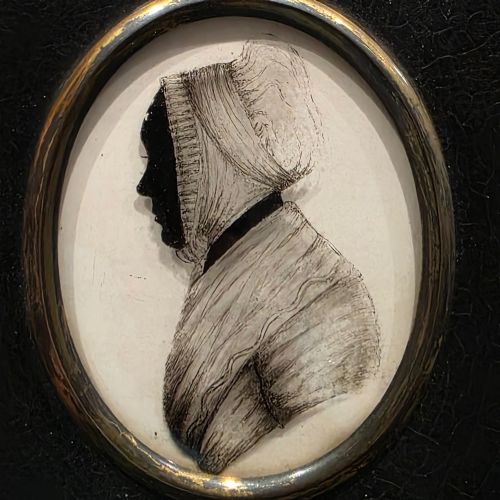
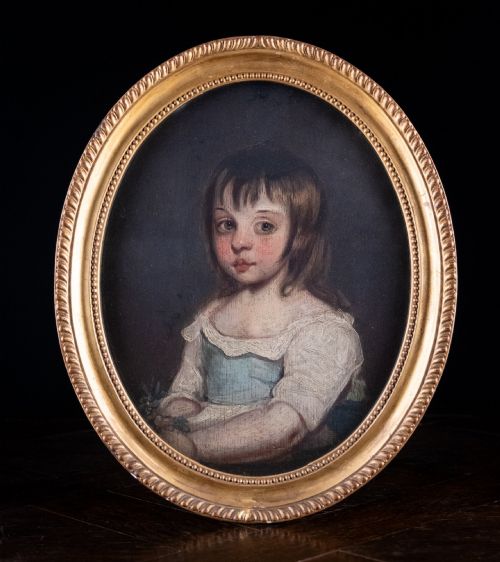
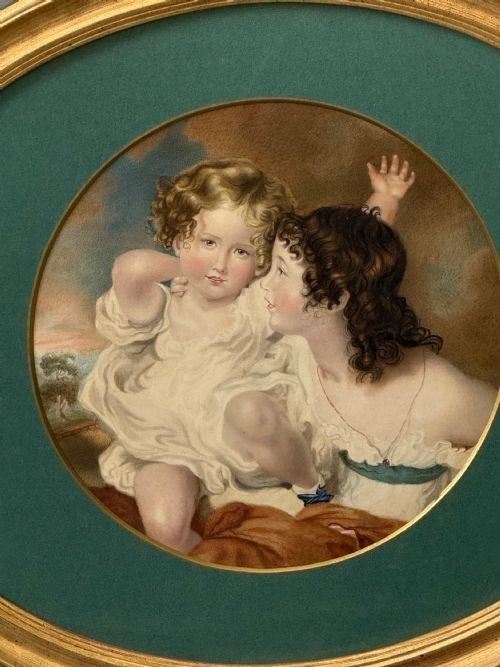
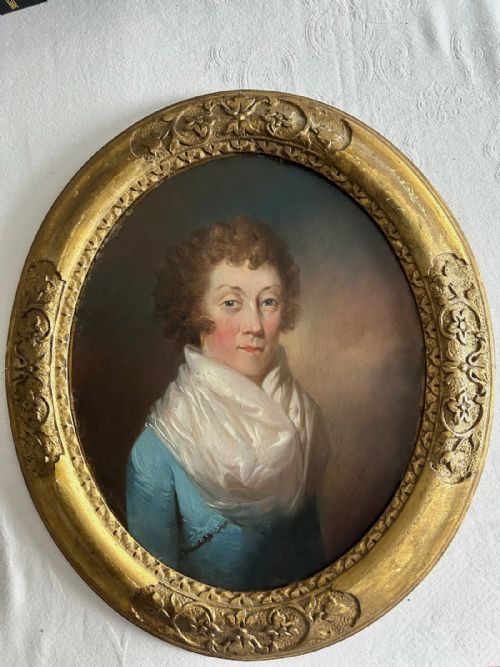
You will most frequently meet 18th-century and 19th-century oil portraits, silhouette miniatures, and watercolours housed in wood or gesso frames shaped to a gentle oval curve.
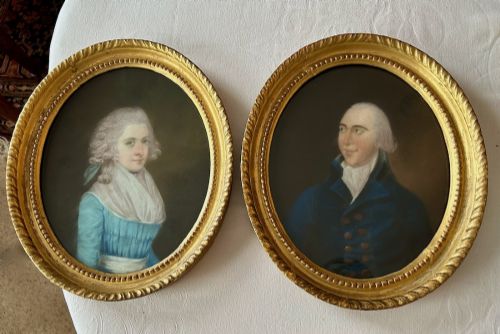
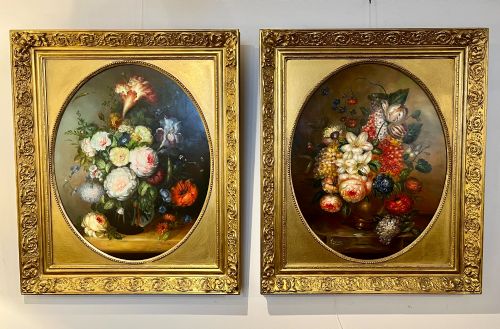
The selection ranges from early oil paintings on canvas and board to later pastel portraits, engravings, and framed prints set beneath glass.
Judging quality in frames and works
Quality rests on the crispness of the carving or moulding in the surround and how harmoniously the artwork fits the curved format.
The depth of the gilding and the preservation of the original surface determine the enduring character of both the picture and its enclosure.
One tiny needlepoint map of England and Wales was stitched by a nine-year-old girl in the early 19th century.
Sir Godfrey Kneller·Michael Dahl·Thomas Murray·James Sharples·John Russell
The Oval Gilt Frame Art Glossary
- Giltwood
- Wood carved and covered with thin gold leaf or metal powder. This surface finish defines the warm metallic character of traditional surrounds.
- Silhouette
- A profile portrait filled in with a solid dark colour, often cut from paper or painted on glass. These delicate works frequently appear in small oval formats.
- Stipple engraving
- A printmaking technique using dots to create tonal gradations rather than continuous lines. This method produced soft portraits popular in past centuries.
- Pastel
- A dry medium of powdered pigment rolled into sticks. Artists applied these coloured particles to paper to capture soft textures in portraits.
- Reverse painting
- The technique of applying pigment to the back of a glass panel so the image is viewed through the front. This creates a glossy finish unique to certain miniatures.
Oval Gilt Frame Art: Frequently Asked Questions
What periods do these pieces span?
The listings span from the late 16th century through the Georgian and Regency eras into the 19th and early 20th centuries.
Most items originate from the 17th and 18th centuries, capturing changing portrait styles over several hundred years.
Are all the frames made of solid wood?
Frames utilise a mix of timber foundations and moulded gesso or composition layers finished with gold leaf.
Techniques vary by period, with earlier examples showing hand carving and later ones employing pressed ornamentation.
What types of artwork appear in these frames?
The category includes oil paintings on canvas and board, pastel portraits, watercolours, silhouette miniatures, and early engravings.
Many depict historical subjects or individual sitters from British and European schools.
How should I care for glazed pieces?
Glazed items require protection from direct sunlight to prevent fading on fragile watercolours, silks, and pastel pigments.
Keep them in stable indoor environments away from excessive moisture to preserve the wooden and gilt surrounds.