

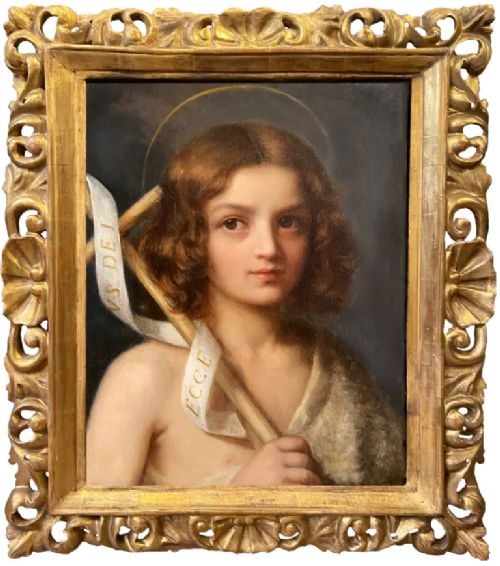


Baroque Portrait of Child
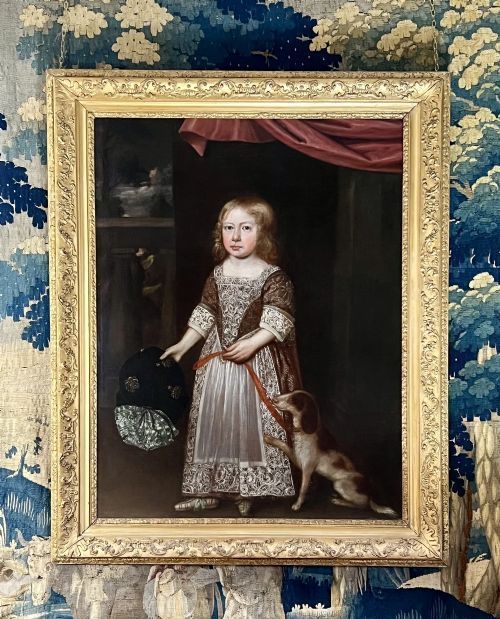
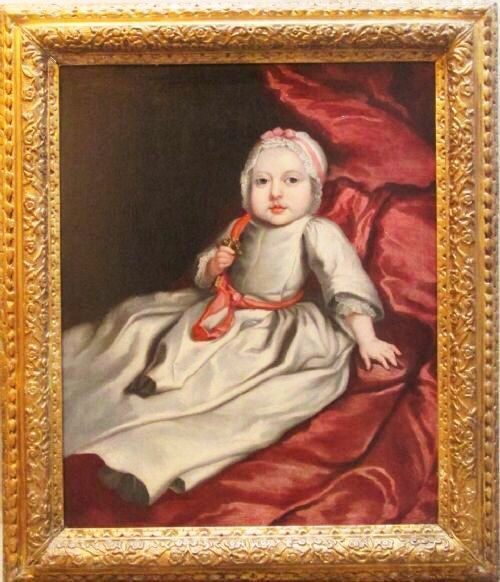
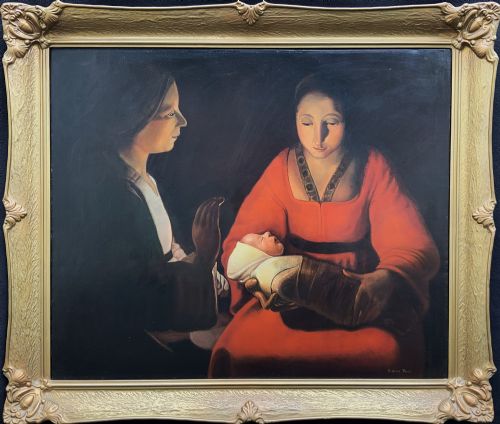
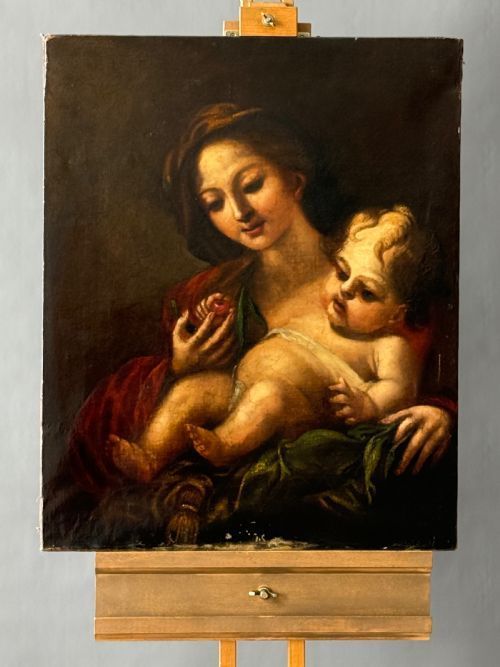
A baroque portrait of child brings intense drama and rich presence to a room, capturing youthful subjects through deep shadow and glowing light.
Baroque Portrait of Child
A baroque portrait of child captures young subjects with theatrical staging, deep shadows, and luminous expressions typical of seventeenth and eighteenth-century European studios. These works range from intimate depictions of boys and girls to grand dynastic commissions and religious studies involving the infant Christ or Saint John.
The selections encountered here span periods from the sixteenth century to the nineteenth century, including period originals alongside later revivals and studio copies after masters. Formats include oil paintings on canvas framed in wood and giltwood, reflecting diverse regional hands from Italian to Northern European schools.
Materials and construction
Artists built these works using oil paint applied to stretched canvas, often mounted on wooden supports. The handling relies on layered glazes and impasto to create dramatic contrast between dark backgrounds and lit faces.
Frames are constructed from carved wood, frequently finished with gilt or giltwood to enhance the theatrical light of the composition.
Baroque Portrait of Child Retail Price Guide 2026
Typical asking prices for baroque portrait of child among the pieces listed under this phrase on Sellingantiques today, from the lower quarter to the upper quarter. They describe what is for sale here now, not the wider market.
Several portraits feature small dogs and exotic birds staring back at the children with equal dignity.
Assessing quality and execution
Quality rests in the subtlety of brushwork within the child's expression and the depth of the chiaroscuro modeling. Superior examples display confident handling of drapery and anatomy rather than stiff or formulaic rendering.
The distinction between primary studio production and later decorative copies determines the artistic weight of the piece. Surviving period surfaces with minimal overpaint carry greater historical integrity.
Charles D Agar·Michael Dahl·Francesco Solimena·Mary Beale·Johann Kerseboom·Robert Byng
The Baroque Portrait of Child Glossary
- Chiaroscuro
- A technique employing strong contrasts between light and dark to give subjects dramatic three-dimensional volume. This method defines the emotional intensity of seventeenth-century canvas work.
- Giltwood
- Wood carved and covered with a thin layer of gold leaf or metallic powder. It frames these dark canvases with brilliant reflective warmth.
- Impasto
- Paint applied in thick layers that stand out from the surface. This technique catches real light on painted lace, hair, or fabric.
- Studio work
- A painting produced by assistants and pupils under the direct supervision of a master artist. Such pieces often replicate successful compositions for wider patrons.
Baroque Portrait of Child: Frequently Asked Questions
How do I hang a large oil painting safely?
Support heavy canvases using secure wall anchors rated for the combined weight of the painting and its carved frame. Position the work away from direct sunlight and fluctuating heat sources to protect the canvas and oil pigments.
Ensure the hanging wire and D-rings are robust and professionally fitted to the wooden stretcher bars. Check the fixings periodically to maintain stability against the wall.
How were children dressed in seventeenth-century portraits?
Young subjects often wore miniature versions of adult formal attire, complete with stiff collars, lace cuffs, and heavy velvet or satin fabrics. Even very young boys wore dresses or skirts before reaching the age of breeching.
Artists rendered these elaborate textiles to display the wealth and social standing of the family. The clothing helps historians date the costume and contextualise the sitter.
What is the difference between an original and an after piece?
An original painting is executed directly by the named master or their primary workshop during the period. These pieces carry the primary artistic intent and direct observation of the sitter.
An after piece is a later or contemporary copy created by another hand referencing a well-known composition. These serve to disseminate popular imagery rather than capture a live model.