





Oval Cheval Mirror
An oval cheval mirror gives you the full-length reflection you need while bringing period warmth and rich timber into a room.
Oval Cheval Mirror
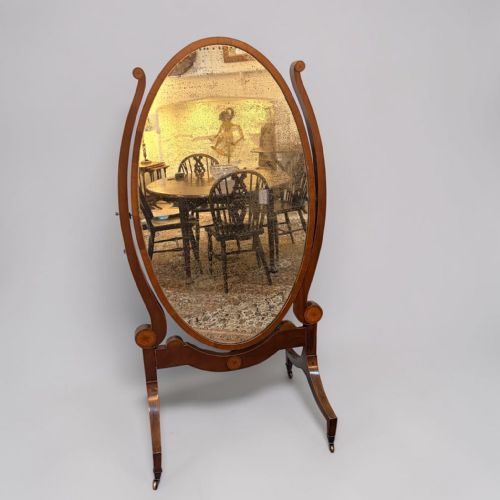
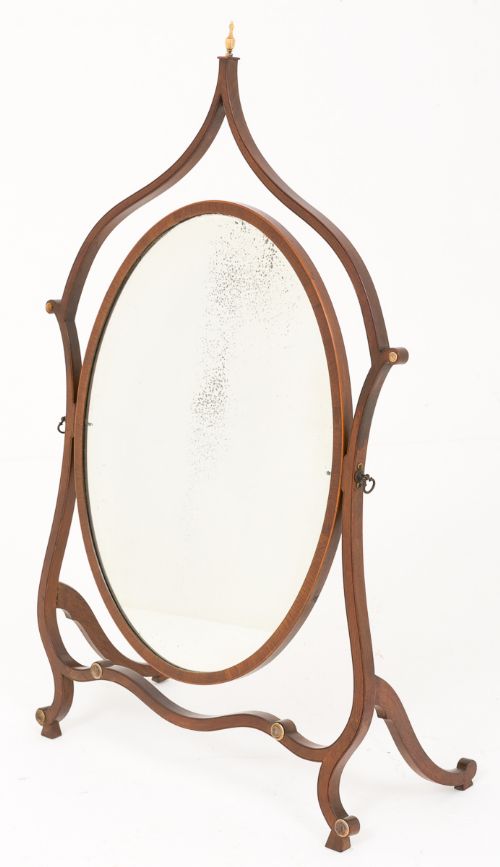
When you search for an oval cheval mirror, you are looking at full-length standing mirrors suspended on a pivoting frame that allows the glass to tilt. These pieces serve primarily as dressing mirrors in bedrooms and dressing rooms, combining utility with decorative presence.
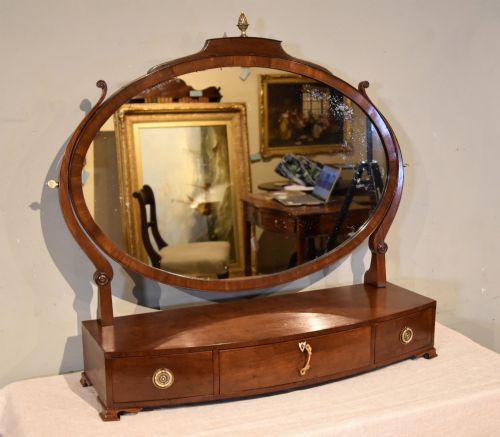
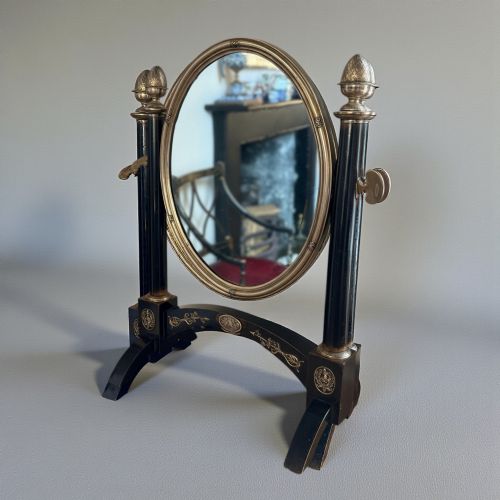
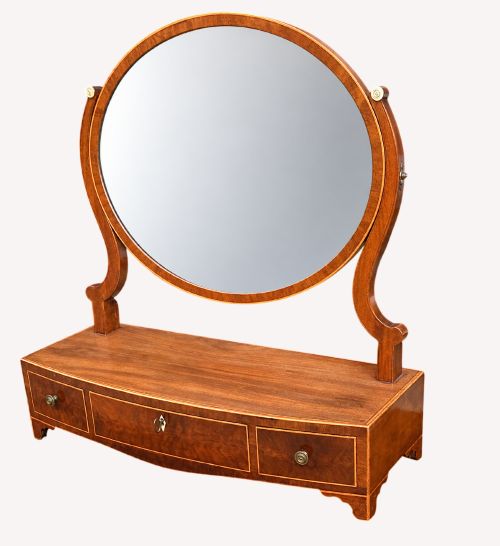
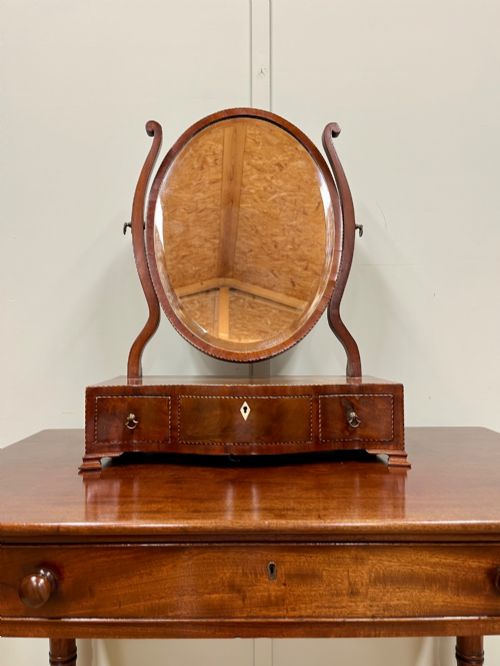
The versions you are most likely to meet on this page hail from the Georgian, Victorian, and nineteenth-century periods, constructed predominantly in mahogany with occasional satinwood or ebonised examples. Formats range from large freestanding cheval mirrors to smaller dressing table and toilet mirrors featuring serpentine or rectangular bases.
How they were made
Cabinetmakers built these frames using solid and veneered mahogany, often incorporating boxwood inlay, marquetry, and brass hardware to accent the woodwork. Glass plates were silvered and fitted into adjustable pivoting frames supported by sturdy standing uprights or resting on table bases.
Joinery techniques matched the standards of their respective eras, utilising fine dovetailing in the drawer construction of dressing table variants and secure pivot pins for the swinging mirror plates.
Oval Cheval Mirror Retail Price Guide 2026
Typical asking prices for oval cheval mirror among the pieces listed under this phrase on Sellingantiques today, from the lower quarter to the upper quarter. They describe what is for sale here now, not the wider market.
Mahogany is the dominant timber across the selection, accompanied by occasional satinwood and ebonised finishes.
What varies in quality
The distinction between standard and superior pieces rests on the richness of the timber selection and the sophistication of the cabinetwork. Finer examples display meticulous boxwood inlay, marquetry detail, or serpentine front styling that demonstrates a higher level of artisan skill.
Proportion and the integration of brass mounts also dictate the standing of a piece, where balanced design and harmonious secondary woods elevate the overall presence of the mirror.
The Oval Cheval Mirror Glossary
- Cheval mirror
- A freestanding full-length mirror suspended on a frame with pivoting side pins. This design allows the user to tilt the glass to various angles.
- Toilet mirror
- A smaller mirror designed to sit on top of a dressing table or chest of drawers. These often feature small drawers incorporated into the base.
- Serpentine front
- A piece of furniture featuring a front line that curves outward in the centre and inward at the sides. This shape requires considerable woodworking skill to execute properly.
- Marquetry
- Decorative inlay work using various tinted woods to create pictorial or geometric patterns on the surface. It adds visual texture to the timber.
Oval Cheval Mirror: Frequently Asked Questions
What is an oval cheval mirror?
An oval cheval mirror is a freestanding, full-length glass plate held within a pivoting frame supported by upright pillars. It allows the viewer to adjust the angle of the reflection.
These pieces were traditionally used in bedrooms and dressing rooms to check attire from head to toe.
How do I date an antique mirror?
Dating relies on examining the timber species, construction methods, and secondary woods used in the frame. Stylistic markers such as Hepplewhite influence or Georgian serpentine shaping also provide clear chronological clues.
Hardware like brass pivot screws and the quality of the glass plate further help determine the period of manufacture.
Where should I place a cheval mirror?
These mirrors work best in bedrooms, dressing areas, or hallways where you need a full-length reflection and adequate natural light. Positioning them opposite a window helps brighten the room.
Ensure the floor is level so the pivoting frame stands stable and operates smoothly.
What timber was used for these mirrors?
Mahogany is the primary wood found across these listings, valued for its rich grain and durability. Other timbers such as satinwood and ebonised wood appear alongside boxwood inlay.
Cabinetmakers selected these materials for both their structural strength and decorative potential.