

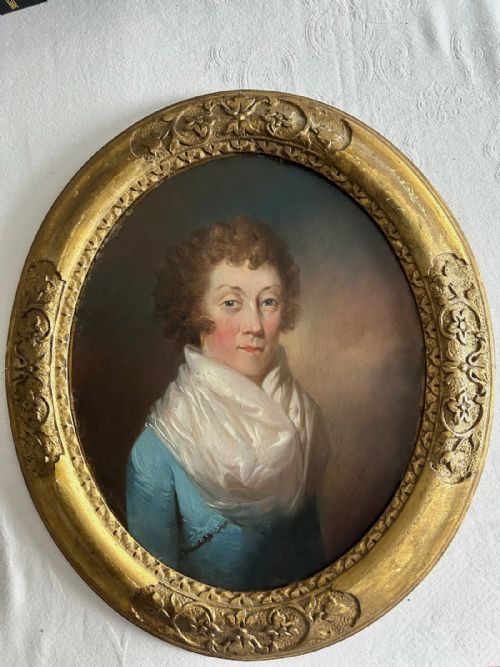
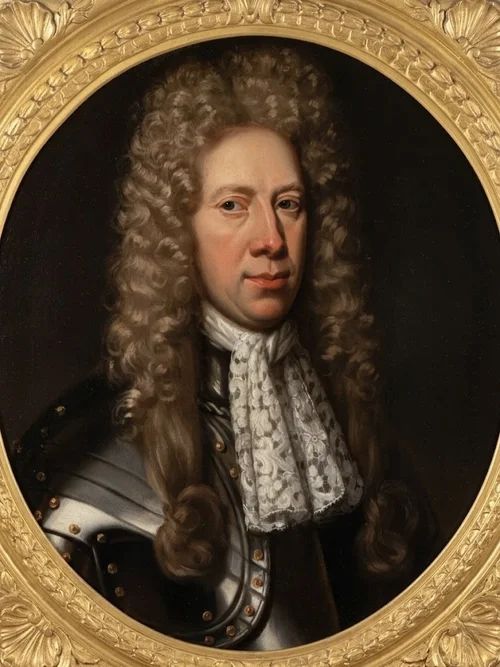
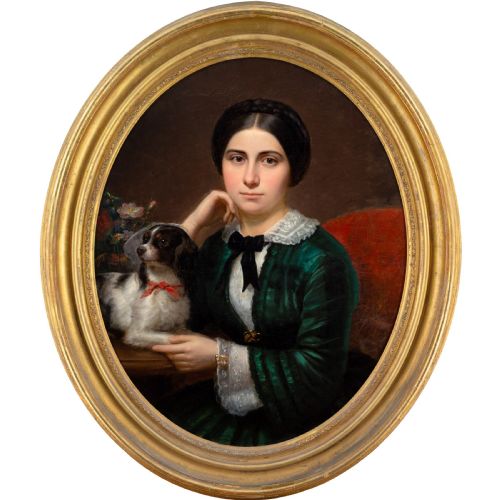
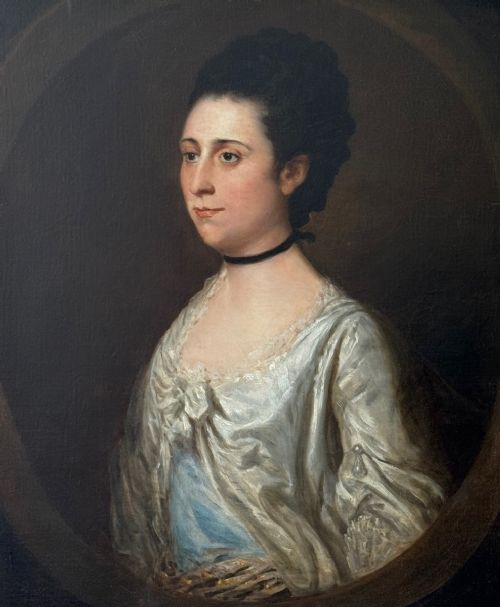
Oval Canvas Portrait Oil
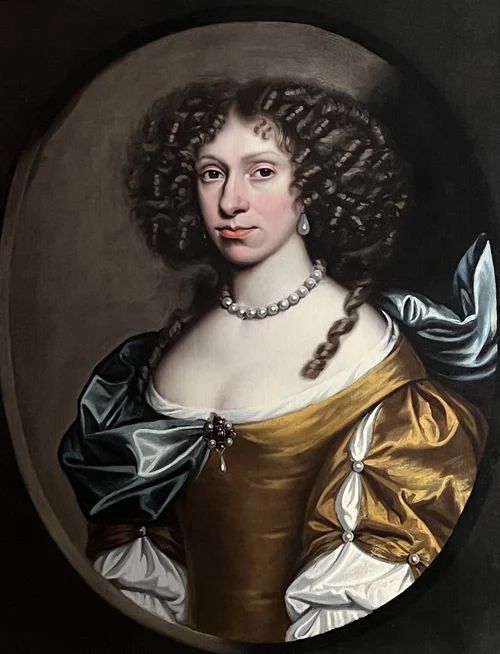
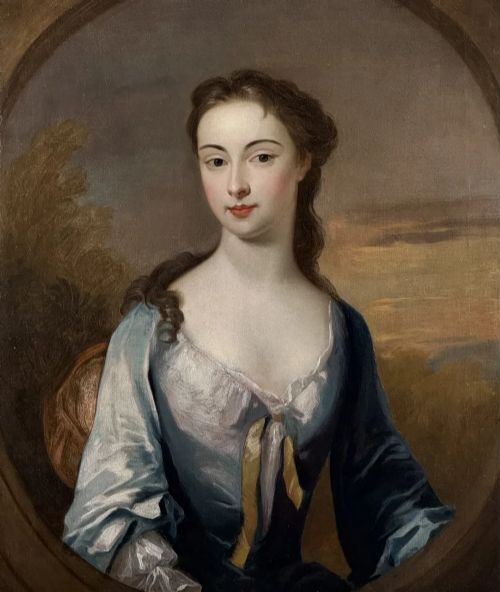
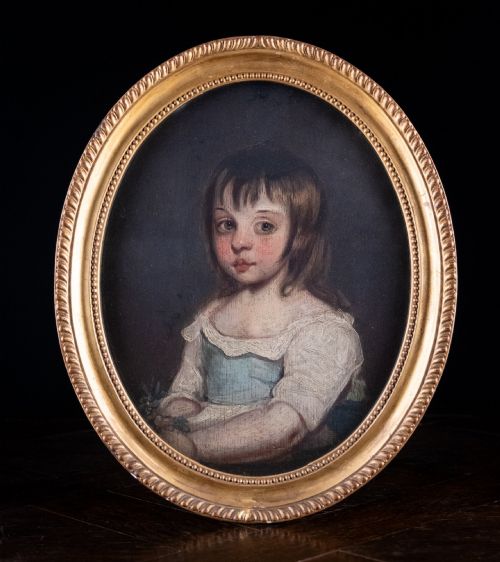
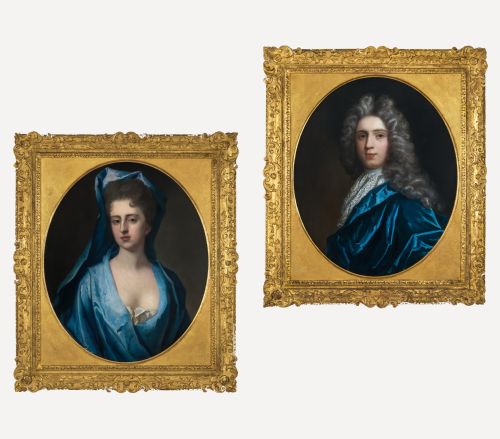
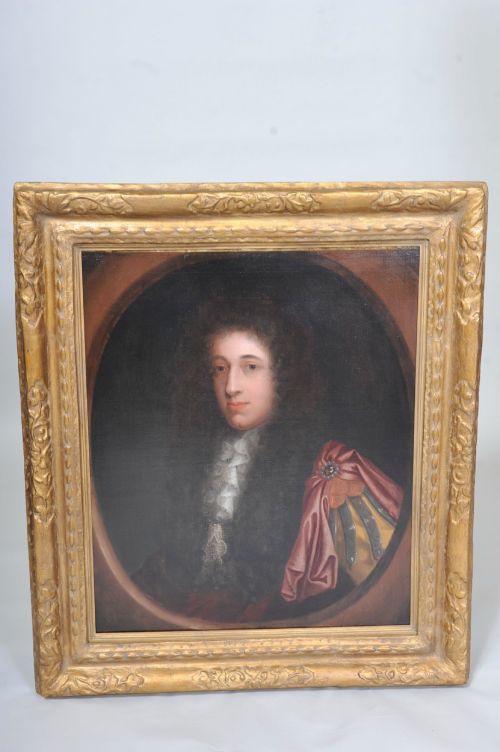
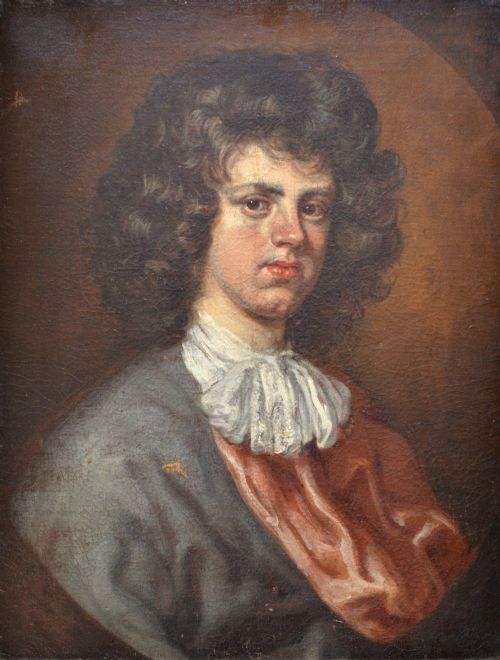
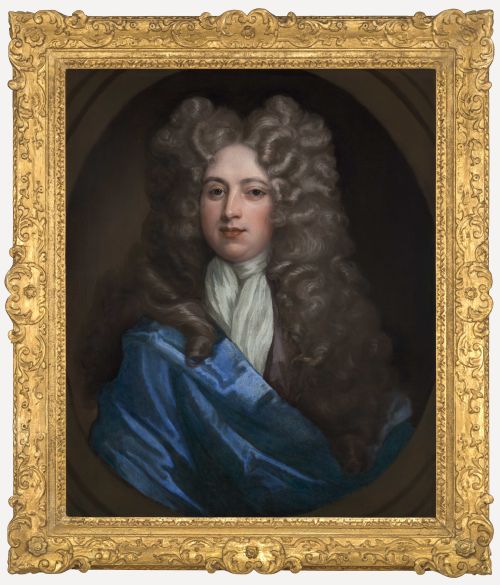
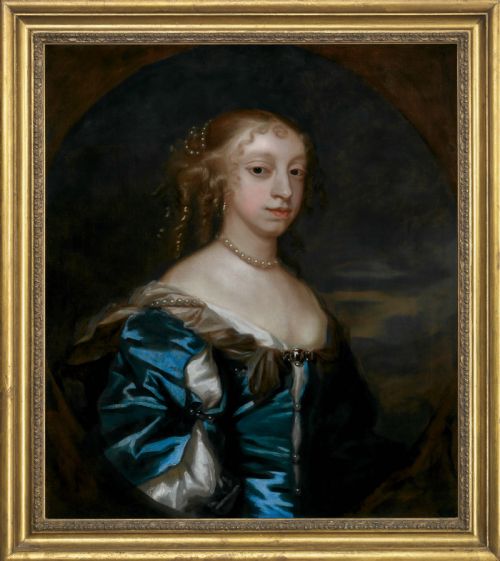
An oval canvas portrait oil captures individual likenesses within a curved format, offering historic character and painted detail suited to traditional interiors.
Oval Canvas Portrait Oil
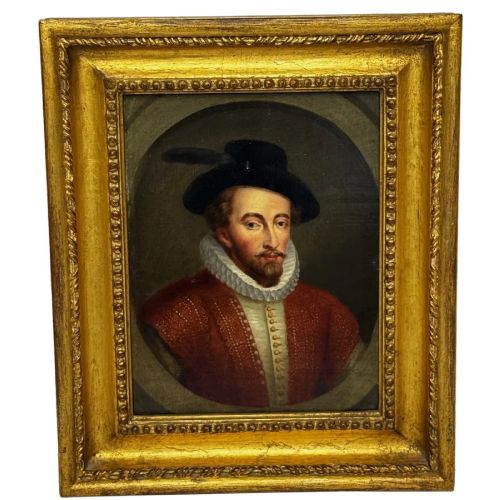
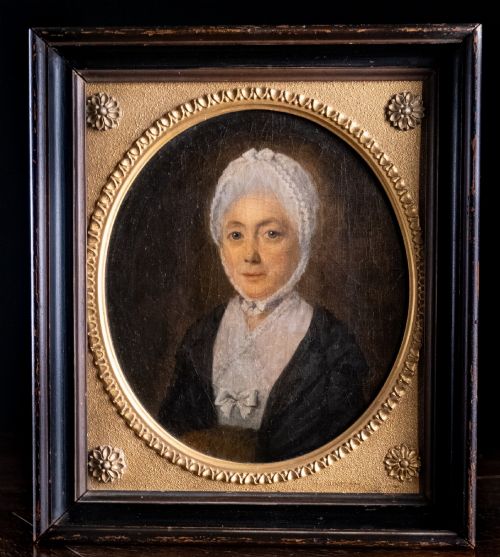
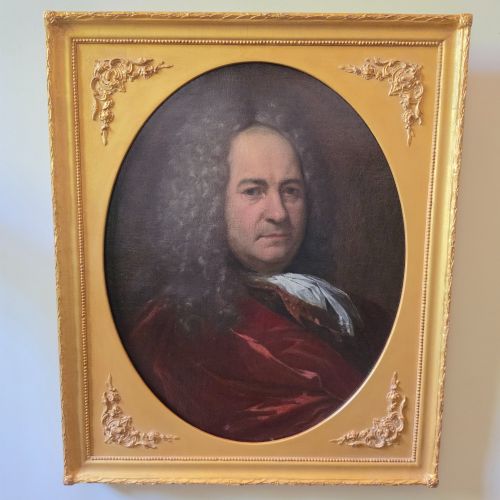
An oval canvas portrait oil represents historical sitters rendered across centuries ranging from the seventeenth through the nineteenth period. These paintings appear in various formats including English, Scottish, French, and German schools, depicting gentlemen, ladies, children, and nobility.
The format itself requires specific stretching and framing techniques to maintain tension across curved corners. Many pieces survive in period surrounds, demonstrating how artists adapted composition to fit within narrower vertical boundaries.
Materials and Construction
Makers applied oil pigments directly onto woven canvas stretched over wooden supports shaped to fit curved frames. The application often involved preparatory gesso layers to prepare the textile surface for fine brushwork.
Surrounds frequently incorporate giltwood, gold leaf, and ebonised finishes designed to complement the specific dimensions of the curved composition.
Several canvases record the likenesses of beloved family pets, including a terrier named Nettles immortalised in oil.
Distinctions in Quality
The integrity of the original canvas and the preservation of the painted surface separate well-kept examples from heavily restored instances. Frame construction also contributes significantly to the overall integrity of the piece.
David Scougall·Charles Jervas·Michael Dahl·Thomas Murray·Mary Beale·Thomas Beach·Allan Ramsay·Arthur William Devis
The Oval Canvas Portrait Oil Glossary
- Gesso
- A plaster mixture applied to wood or canvas to create a smooth surface for painting. It provides the foundational layer for oil adhesion.
- Giltwood
- Timber coated with a thin layer of gold leaf or metallic powder. This material frequently frames historic portraits.
- Periwig
- A voluminous artificial hairpiece popular among gentlemen in the seventeenth and early eighteenth centuries. Its depiction helps date many early portraits.
- Baroque
- An artistic style spanning the seventeenth and early eighteenth centuries characterised by drama, rich colour, and deep shadow. Works from this era often show intense lighting on the sitter.
Oval Canvas Portrait Oil: Frequently Asked Questions
How do I hang an oval frame?
These works require secure wall fixings that match the weight of the timber and plaster surround. Central placement ensures the curved symmetry remains balanced against other room elements.
Professional mirror and picture hangers use double-point brackets to prevent the frame from tilting sideways on the wall.
What periods do these portraits represent?
The selection spans from the seventeenth century through the Georgian, Regency, and Victorian eras up to the early twentieth century. Each period displays distinct attire, hairstyles, and painting techniques.
Earlier examples often feature heavy wigs and stiff collars, while later Victorian and Edwardian works show softer clothing and looser brushstrokes.
How should I clean the canvas?
Dust accumulation should be managed gently with a soft, dry brush without applying pressure to the painted surface. Moisture and chemical cleaners damage historic oil pigments.
Professional conservators handle deep cleaning and varnish removal to protect the integrity of the original layers.