

Outdoor Urn Planters
These outdoor urn planters bring classical form to garden spaces, offering durable vessels for planting that span the nineteenth and early twentieth centuries.
Outdoor Urn Planters
When you search for outdoor urn planters, you encounter garden vessels designed to hold plants and display architectural form in outdoor settings. The selections here centre on garden urns, jardiniere planters, and pedestals dating from the nineteenth century through the early twentieth century.
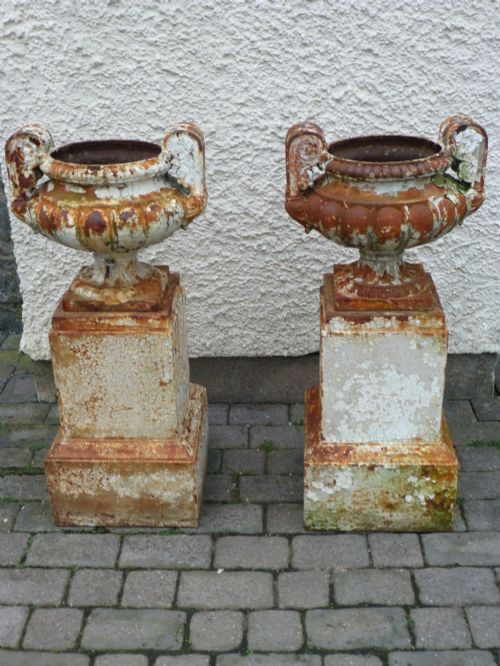
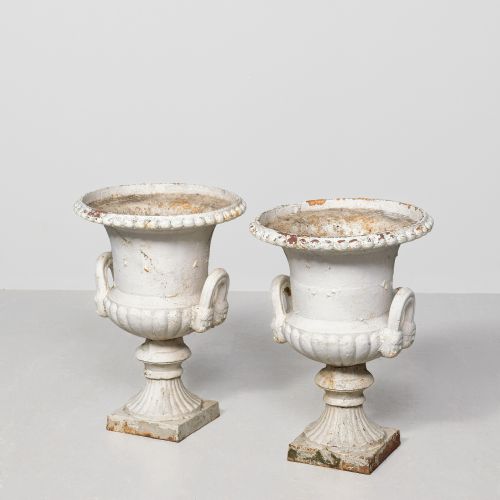
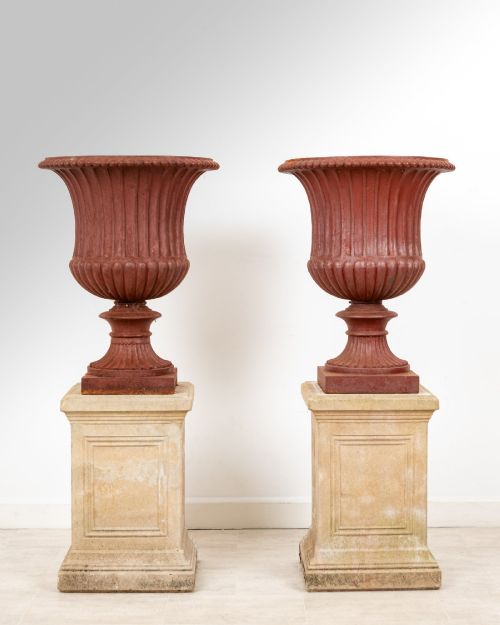
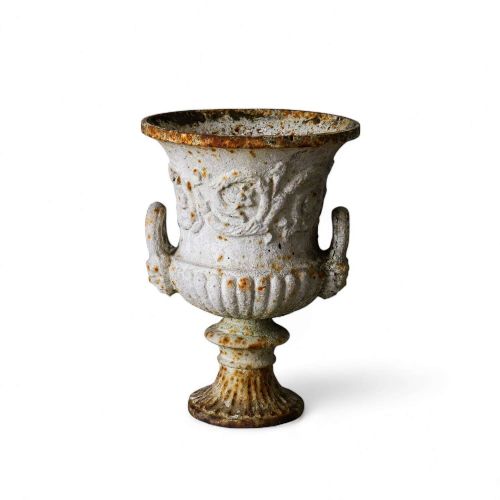
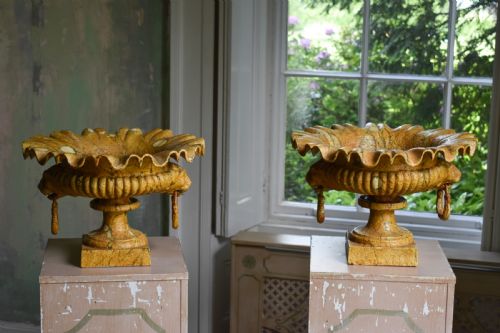
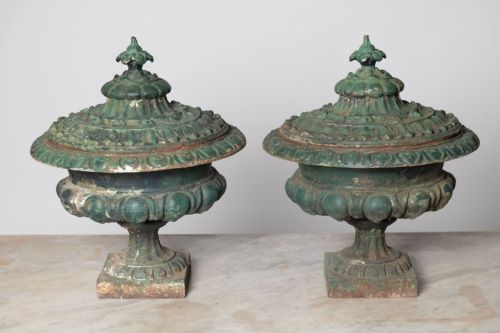
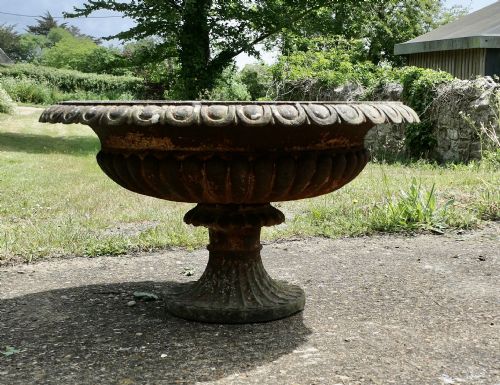
The most common versions on this page are cast iron Campana urns often paired with matching plinths or pedestals. These pieces draw on classical revival and neoclassical styles, frequently showing the heavy weathering acquired from decades outdoors.
How They Were Made
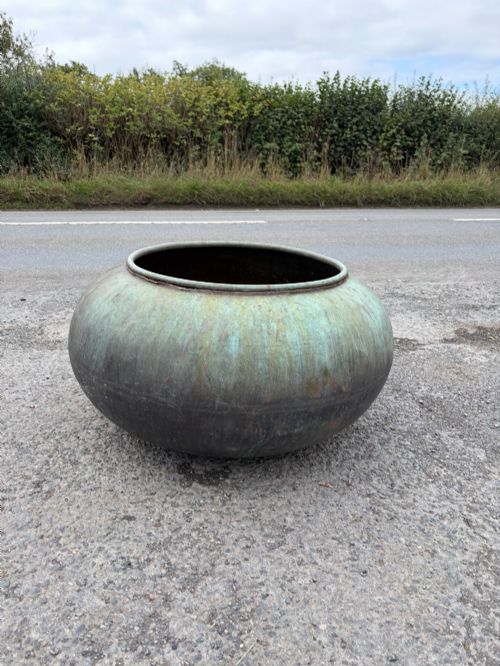
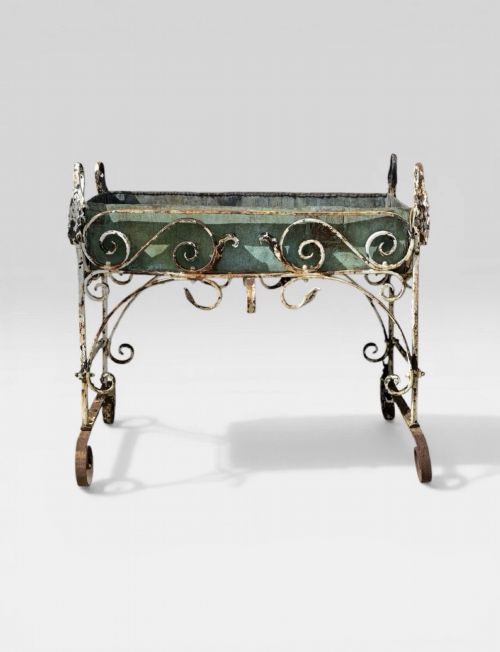
Foundries produced metal examples using cast iron or wrought iron poured into moulds, occasionally retaining original painted surfaces or distressed patination. Names such as Falkirk Carron, Coalbrookdale, Andrew Handyside, and Val d'Osne mark significant ironwork production.
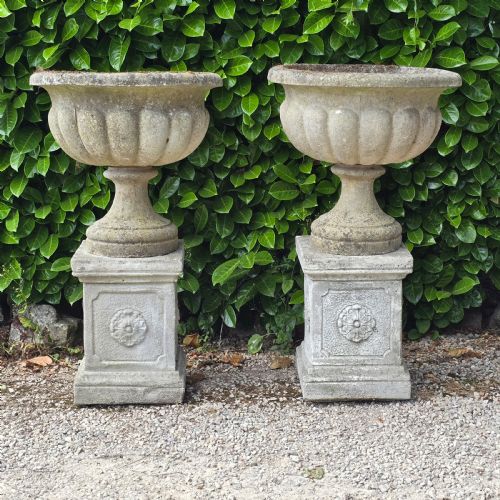
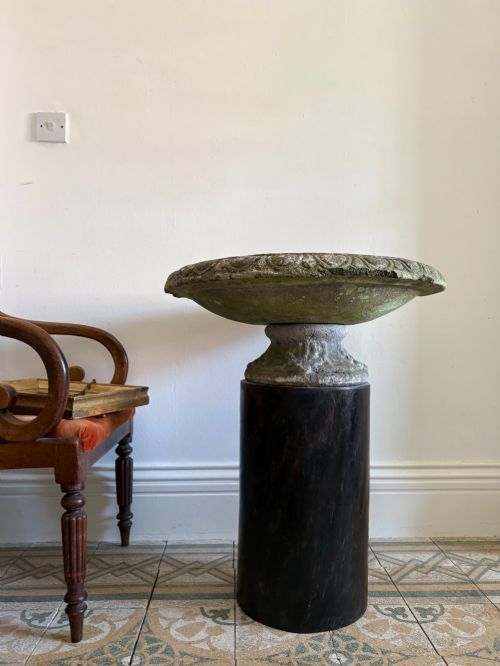
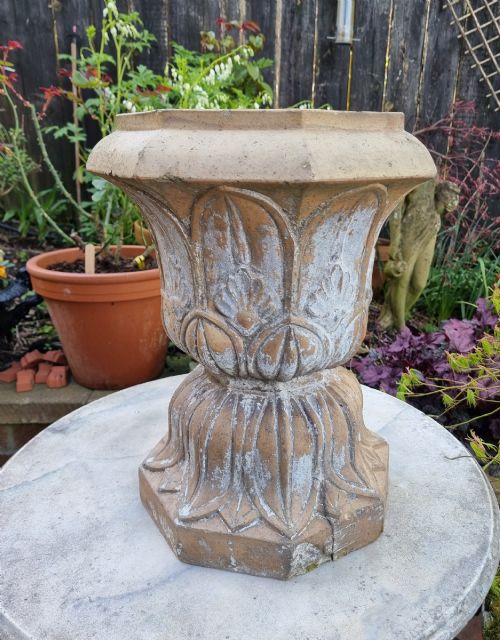
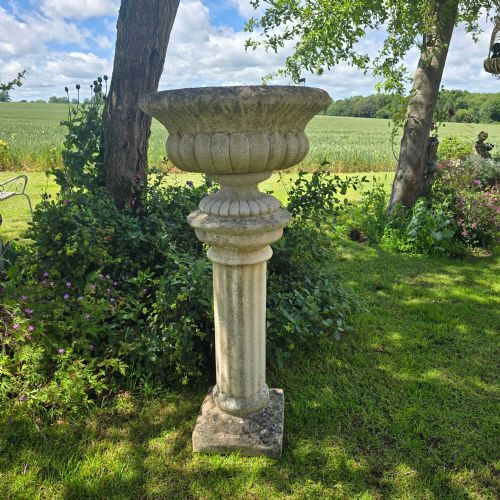
Stone and earthenware variants utilise materials like reconstituted stone, composite stone, terracotta, and salt-glazed stoneware. These substances were shaped or cast to achieve decorative motifs such as acanthus leaves and Gothic details.
Listings span periods from Regency and Victorian eras through the 1950s, utilising cast iron, terracotta, and reconstituted stone.
What Varies in Quality
The distinction between ordinary and superior pieces rests on the crispness of the casting and the presence of original components like plinths, bases, or lids. Sharp detail in classical motifs such as acanthus leaves indicates better foundry work.
The natural weathering and patina accumulated over decades affect desirability, with uniform oxidation or moss growth adding character to iron and stone. Complete pairs matched on original stone or iron pedestals hold greater architectural presence than single vessels.
Falkirk Carron Foundry·Coalbrookdale·Andrew Handyside·Val d'Osne Foundry
The Outdoor Urn Planters Glossary
- Campana
- A bell-shaped garden urn typically mounted on a small stem and foot. This classical silhouette originates from ancient Roman metal and stone vessels.
- Jardiniere
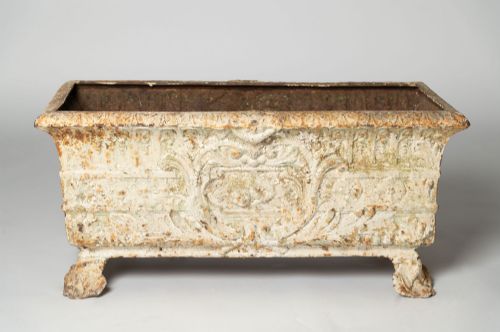
- An ornamental pot or receptacle designed for holding plants or flowers. These items often appear in ceramic, terracotta, or metal forms.
- Plinth
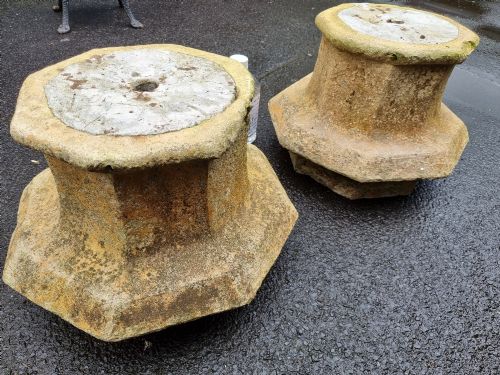
- A heavy rectangular or square block serving as a base for an urn or pedestal. They elevate garden planters to improve sightlines.
- Faux Bois
- An artistic imitation of wood in other materials like stone or concrete. This technique creates garden planters that mimic natural timber logs or branches.
- Terracotta
- Fired unglazed clay of a brownish-red colour utilised for garden pots and oil jars. Porous terracotta allows air and moisture to reach plant roots.
Outdoor Urn Planters: Frequently Asked Questions
How do I choose the right size?
Consider the scale of your garden or patio space relative to the vessel. Large iron Campana urns on plinths suit expansive lawns, while smaller table urns fit restrained terraces.
Account for the weight of the piece once filled with soil and plants. Heavy cast iron and stone planters require stable footing on solid ground.
Can cast iron urns stay outside all winter?
Cast iron handles outdoor conditions well, though severe frost can sometimes affect trapped moisture inside poorly drained vessels. Ensure drainage holes remain clear so water escapes freely.
Many pieces show decades of outdoor weathering and thrive in the elements. Regular inspection helps monitor paint wear and surface oxidation over time.
How do I date antique stone and iron urns?
Examine the casting quality, surface patination, and stylistic markers such as Victorian neoclassical or Gothic revival details. Foundry stamps provide direct attribution to nineteenth-century makers.
Wear patterns, old paint layers, and weathering characteristics offer further clues to the age of iron and reconstituted stone pieces.