


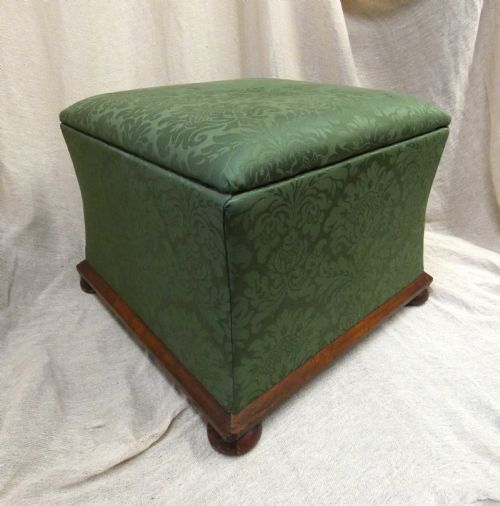


Ottoman Chest
An ottoman chest is a sturdy storage box that doubles as a seat, valued for keeping blankets and linen out of sight while offering a place to rest.
Ottoman Chest
When you search for an ottoman chest, you encounter a versatile hybrid of blanket box, trunk, and upholstered seating. These practical containers served households for centuries by storing bulky textiles while providing a functional bench or stool.
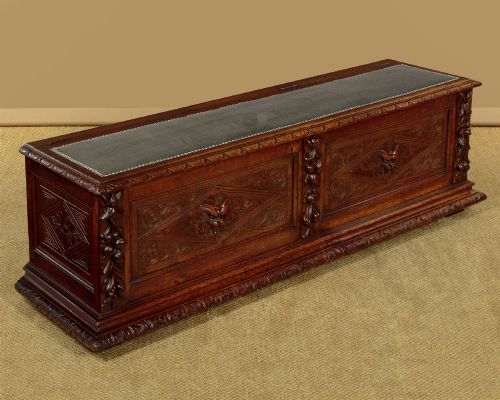
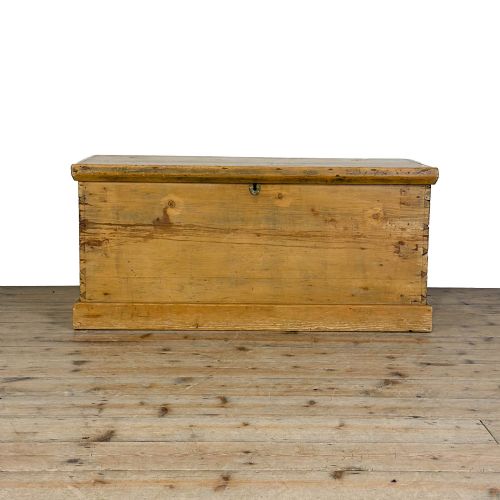
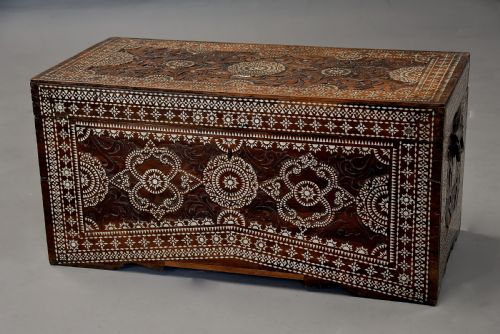
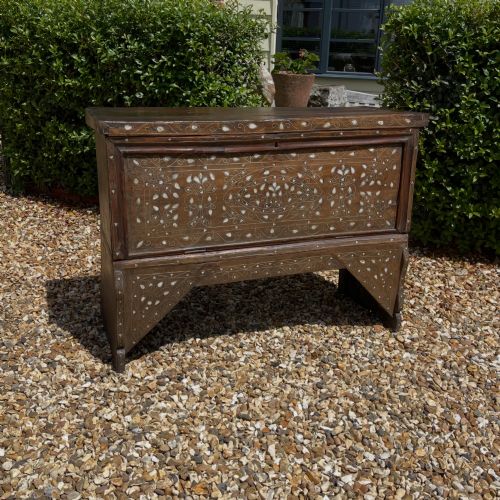
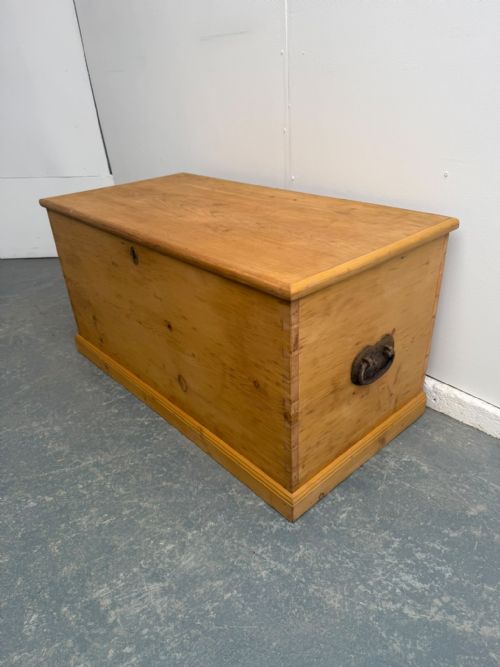
The selections span from utilitarian pine storage boxes and mule chests to finely padded Regency and Victorian mahogany seating. Regional varieties range from rustic country pine to ornate Middle Eastern inlaid hardwoods and Syrian pieces decorated with mother of pearl.
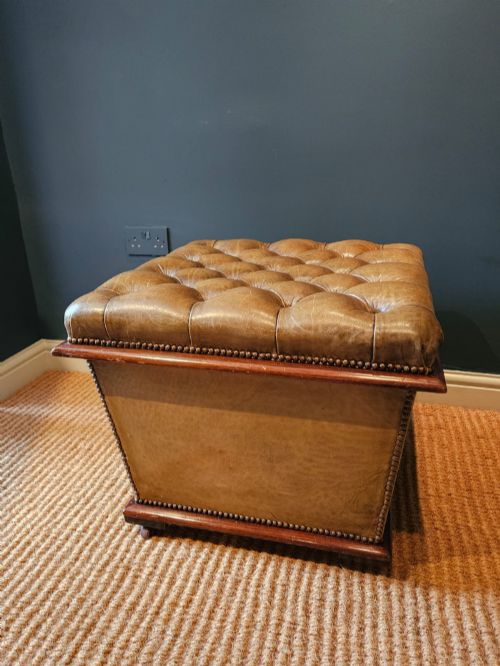
You are most likely to meet Victorian and 19th-century examples fashioned from pine, mahogany, or leather. These frequently appear as low stools, window seats, or deep blanket boxes equipped with hinged lids and sometimes side lifting handles.
How they were made
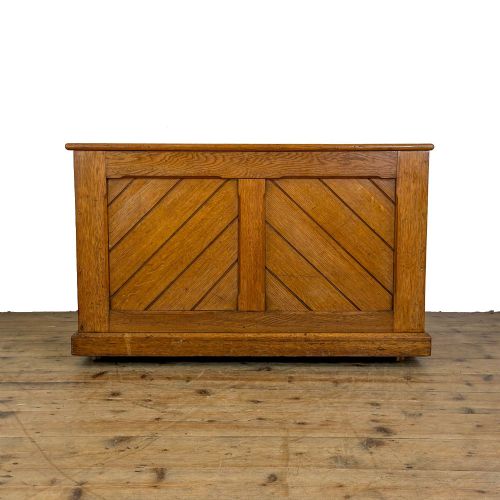
Cabinet makers built these pieces using solid timbers such as mahogany, rosewood, elm, birch, and pine, often joined with sturdy dovetails or sturdy plank construction. Working locks, iron hardware, and brass accents completed the functional structure of trunks and storage boxes.
Upholstered variants relied on deep stuffing covered in leather, fabric, needlepoint, or tapestry to create comfortable seating surfaces. Decorative highlights included carved oak details, inlaid mother of pearl, and polished wax finishes that brought out the grain of the wood.
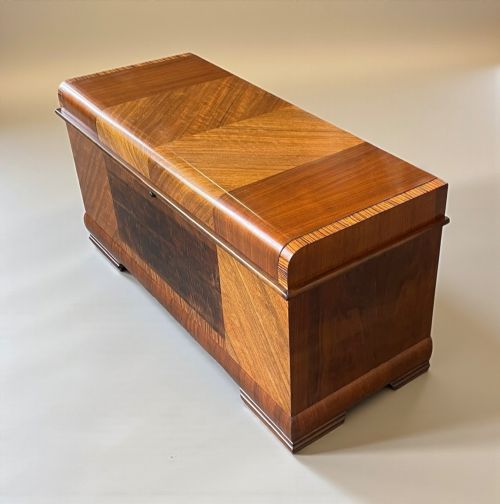
The inventory bridges utilitarian storage boxes from the 18th century to decorative Art Deco blanket chests.
What varies in quality
The standard of an ottoman chest depends heavily on the selection of timber and the integrity of its joinery. Heavier hardwoods like mahogany and rosewood, or finely figured elm and cherrywood, elevate a piece above standard utility pine.
Design sophistication also divides the range, moving from plain six-plank storage boxes to elegant Regency pieces with lions paw feet and concave upholstered forms. Intricate details such as inlaid mother of pearl or complex carved woodwork separate utilitarian containers from finer parlour seating.
Hallett & Sons
The Ottoman Chest Glossary
- Mule chest
- A traditional storage chest featuring one or more drawers beneath the main lifting compartment. This form bridges the gap between a simple blanket box and a chest of drawers.
- Coffer
- A heavy wooden chest traditionally used for storing valuables or precious textiles. They are often constructed with robust plank walls and secure lids.
- Upholstery
- The padded and covered textile or leather component applied to seats and lids. It transforms a rigid storage box into a comfortable bench or stool.
- Campaign chest
- A portable trunk designed to be easily dismantled or transported by travellers and military officers. They frequently feature recessed brass handles and corner brackets.
- Needlepoint
- A type of stitched canvas work used historically to cover seat tops and cushions. It provides a textured, decorative surface on Victorian footstools and boxes.
Ottoman Chest: Frequently Asked Questions
What is an ottoman chest used for?
These versatile pieces serve primarily as concealed storage for blankets, linen, and household items. At the same time, their padded or flat tops provide functional seating as a bench, stool, or window seat.
Historically, they adapted to various rooms in the house, from bedrooms holding winter quilts to hallways acting as a place to sit while removing boots.
How do I date an antique trunk?
Dating relies on examining the timber species, construction methods, and hardware style. Earlier pieces from the 18th century often utilise elm or oak with hand-cut joinery, while Victorian examples frequently feature mahogany, turned feet, or upholstered padding.
Additionally, interior linings, lock mechanisms, and hinge types offer reliable clues to the manufacturing decade.
Are these chests comfortable to sit on?
Many examples feature padded upholstery covered in leather, fabric, or tapestry designed specifically for seating. The firmness depends on the original stuffing and whether the piece was built primarily as a bench or a rigid storage trunk.
Flat-topped wooden chests function well with loose cushions, whereas upholstered Victorian and Regency models provide built-in padding.
How do I care for a leather ottoman?
Leather surfaces benefit from regular dusting and occasional treatment with appropriate conditioning balms to prevent drying and cracking. Keeping the leather away from direct sunlight and excessive heat preserves the natural finish and colour.
For wooden frames and trim, a gentle application of beeswax maintains the polished surface without building up residue.