



Ornate Wood Mantel
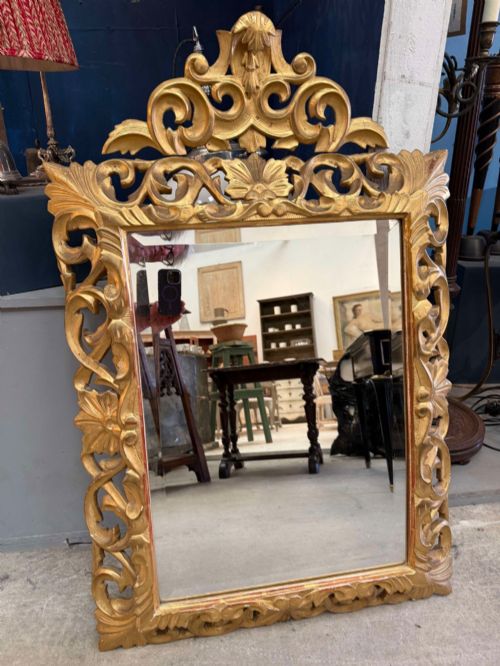
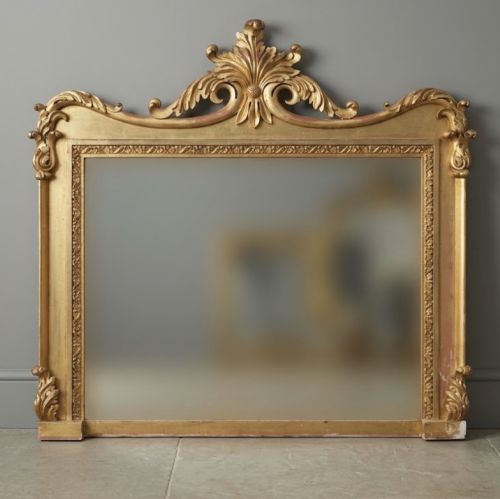
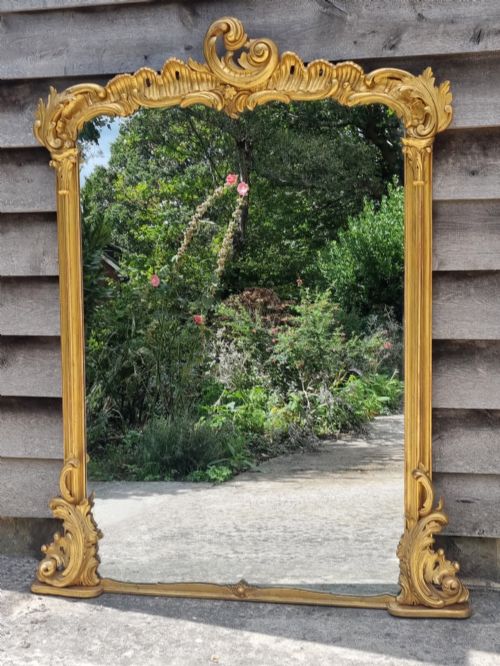
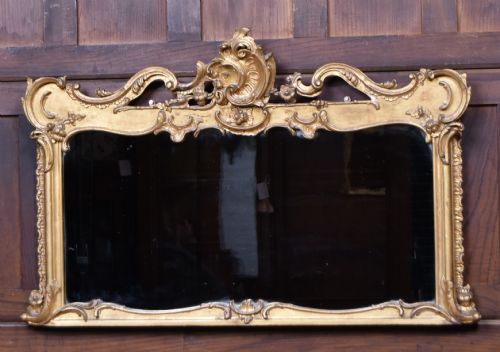
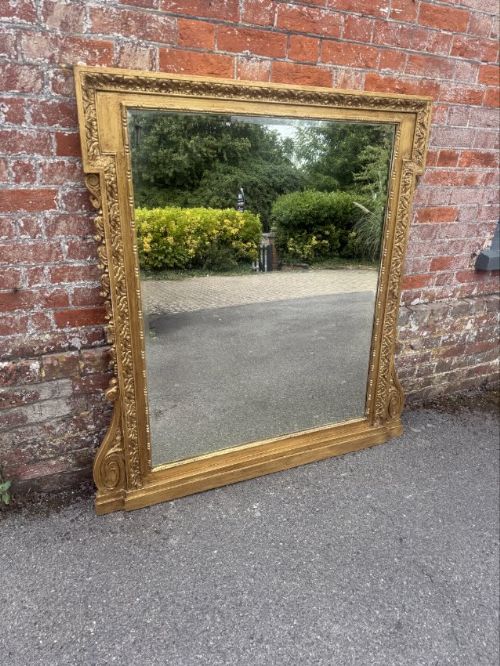
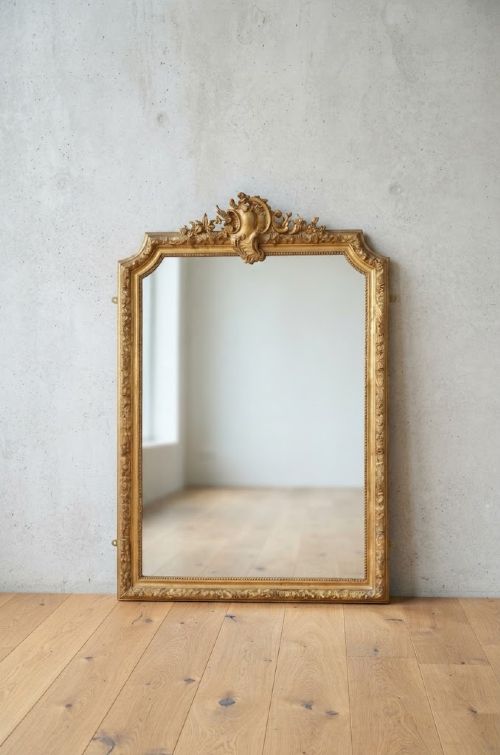
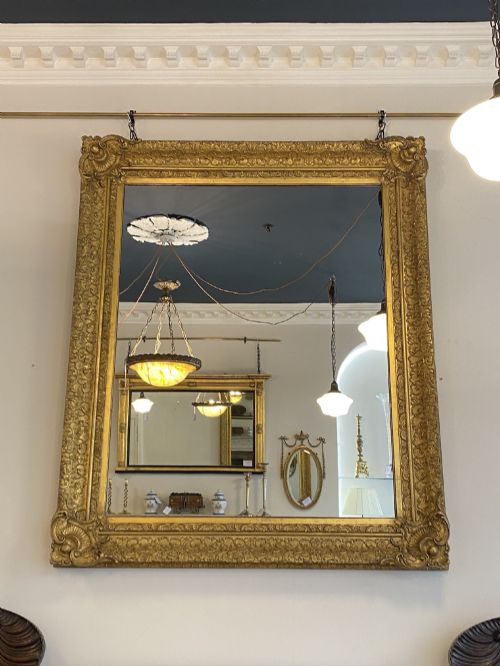
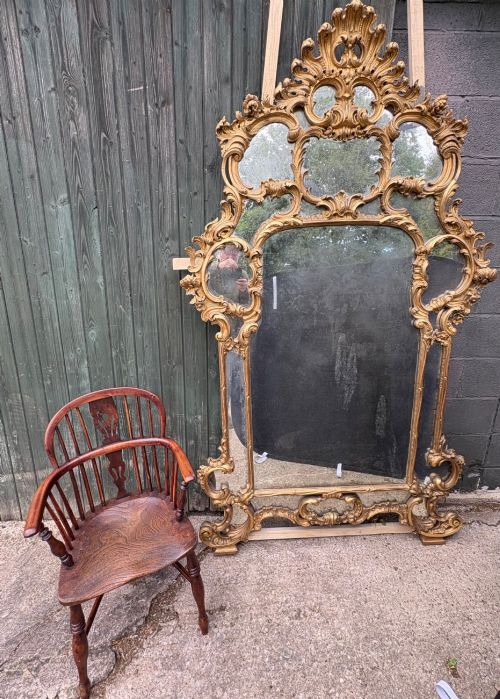
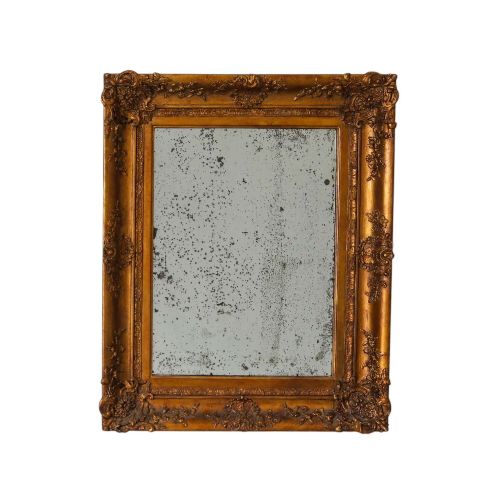
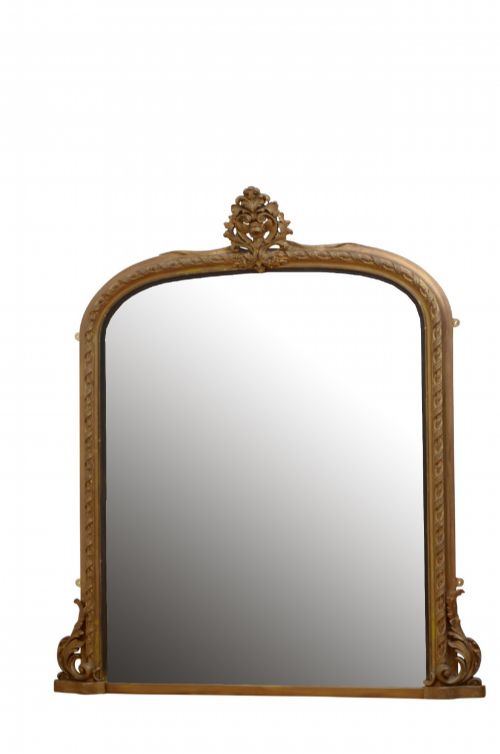
An ornate wood mantel search brings up large gilded overmantel mirrors and carved timber wall glasses designed to sit directly above a hearth.
Ornate Wood Mantel
An ornate wood mantel search centres primarily on large overmantel mirrors alongside occasional mantel clocks housed in timber cases. These pieces stem predominantly from the nineteenth century, including specific decades like the eighteen-eighties and eighteen-seventies, alongside Georgian and eighteenth-century examples.
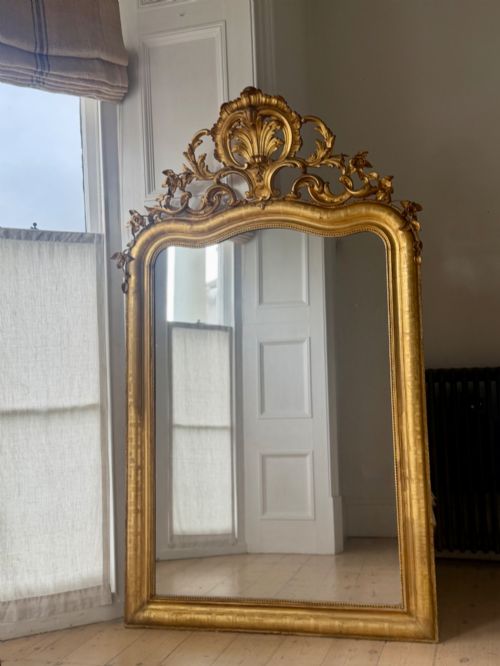
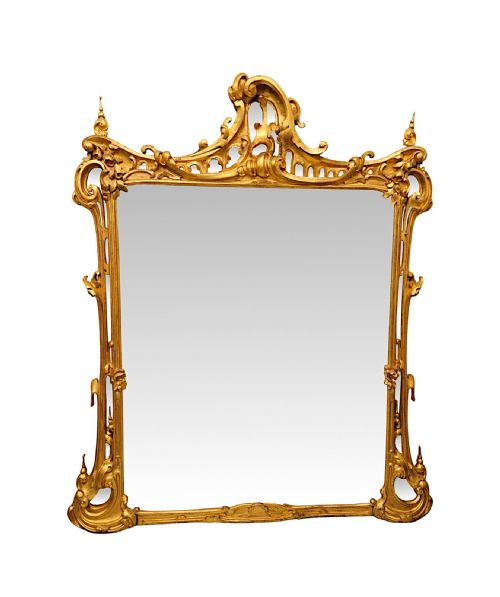
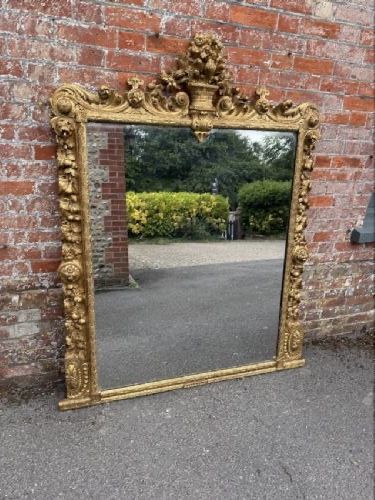
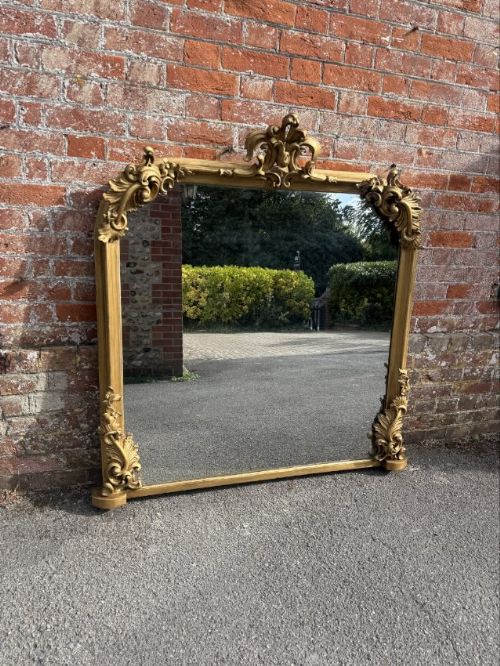
The dominant form is the substantial wall mirror or overmantel mirror designed to fill the wall space above a fireplace. Makers constructed these items in varied stylistic veins, notably French Rococo, Louis XV, and Chinese Chippendale, utilising carved wooden frames often shaped with arched or shaped tops.
Beyond mirrors, the selection includes chiming mantel clocks in ebonised and Black Forest timber housings. These decorative objects share a heritage of ornate domestic placement, anchoring the focal point of a traditional room layout.
How they were made
Craftsmen built the core structures using carved wood, oak, walnut, and mahogany, applying gesso layers to prepare timber surfaces for gilding. Gold leaf and oil gilt finishes then provide the bright reflective exterior common to these frames.
Makers integrated mercury glass and foxed mirror plates into the carved housings, sometimes pairing the timber work with brass details or painted surfaces. Structural joinery supports the heavy proportions required for wall mounting above domestic hearths.
Ornate Wood Mantel Retail Price Guide 2026
Typical asking prices for ornate wood mantel among the pieces listed under this phrase on Sellingantiques today, from the lower quarter to the upper quarter. They describe what is for sale here now, not the wider market.
Some mantel clocks hide ticking Black Forest wooden movements behind ornate carved cases that have watched centuries pass.
What varies in quality
The depth and intricacy of the hand-carved wooden ornament separate standard production from superior examples. Crisp relief work in the gesso and wood foliage indicates skilled hand labour rather than mass casting.
The preservation of the original gilt surface and the character of the glass plate influence the overall integrity of the piece. Untouched oil gilt surfaces and authentic mercury glass retain the visual depth expected of period items.
The Ornate Wood Mantel Glossary
- Overmantel mirror
- A large mirror specifically proportioned to hang on the wall directly above a mantelpiece or fireplace. These items frequently incorporate shaped or arched tops to match architectural mouldings.
- Gesso
- A plaster-like mixture applied to carved wooden frames to create a smooth surface for gilding. It allows craftsmen to model sharp decorative details before applying gold leaf.
- Mercury glass
- A type of silvered glass produced by pouring a liquid mercury amalgam between double-walled blown glass. It creates a distinctive mottled reflection seen in older mirrors.
- Rococo revival
- A nineteenth-century design movement inspired by eighteenth-century French style, characterised by asymmetrical scrolls, C-scrolls, and naturalistic plant motifs. It heavily influences many frames in this category.
- Foliate cresting
- Decorative architectural or frame ornamentation shaped like leaves and foliage. It often forms the prominent top centrepiece of a carved wooden mirror.
Ornate Wood Mantel: Frequently Asked Questions
How do I hang a heavy overmantel mirror?
These large timber and gesso frames require secure fixing directly into wall studs or masonry using heavy-duty brackets. Professional installation is standard practice due to the substantial weight of the wood and glass.
Ensure the hanging wire or integrated mirror rings match the total load capacity before mounting the piece above a working fireplace.
What is mercury glass?
Mercury glass refers to double-walled glass blown with a silvering solution trapped inside, producing a deep, reflective appearance. Over time, chemical changes create characteristic dark spots known as foxing.
This ageing process distinguishes antique mirror plates from modern replacements and adds historical character to the piece.
How do I clean a gilded wood frame?
Dust the carved wooden surfaces gently with a soft, dry brush to prevent damage to delicate gesso and gold leaf layers. Avoid liquid cleaners and modern chemicals which can strip the original oil gilt finish.
Maintaining a stable room temperature helps protect the timber substrate from warping and keeps the gesso from cracking.
Are mantel clocks functional?
Many antique mantel clocks retain their mechanical movements, including ebonised chiming systems and Black Forest mechanisms. Operational status varies between individual pieces depending on servicing history.
Professional horological maintenance ensures the internal gears run accurately without damaging the original timber housing.