
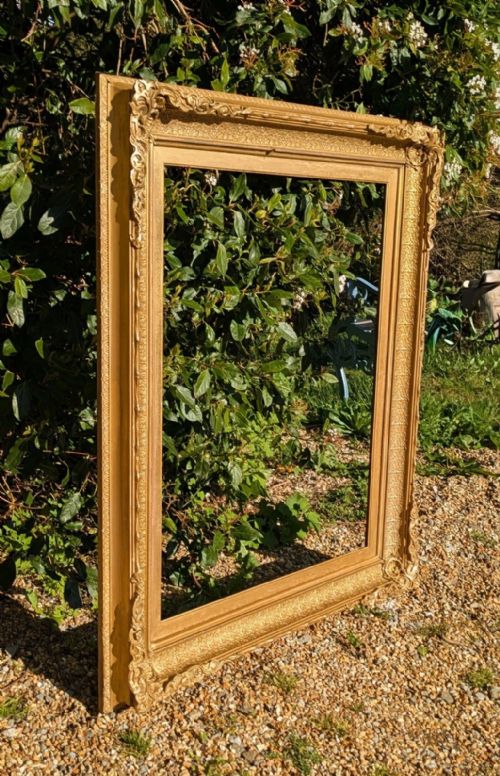

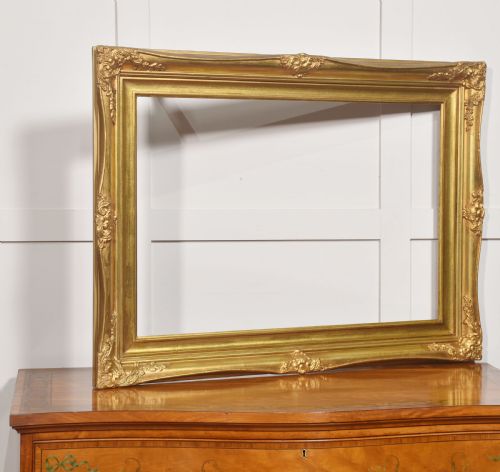


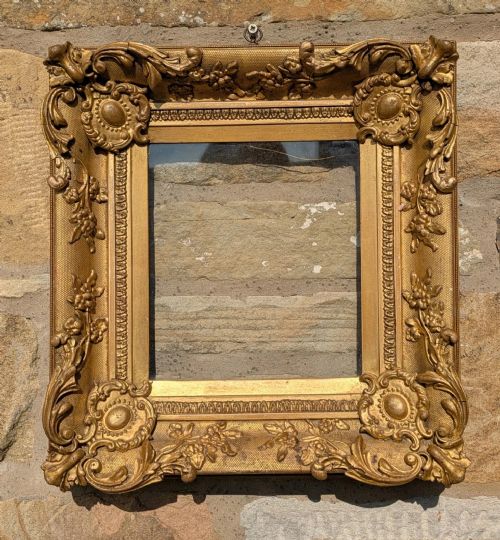


Ornate Swept Framed Picture
An ornate swept framed picture brings sculptural depth and brilliant metallic lustre to any wall.
Ornate Swept Framed Picture
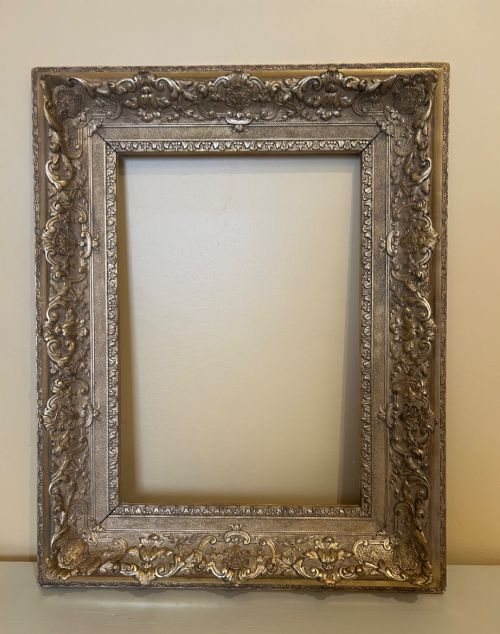
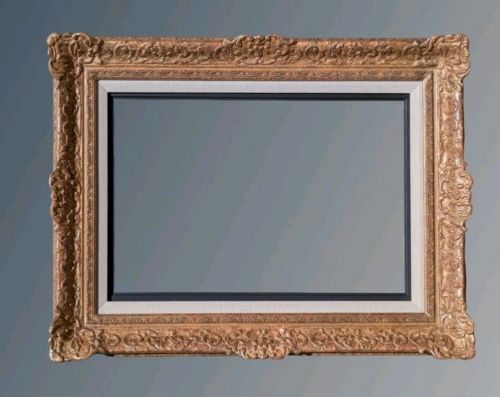
When you search for an ornate swept framed picture, you encounter heavily moulded wooden surrounds designed to house oil paintings, watercolours, and prints. These pieces predominantly date from the nineteenth century, featuring deep scrolling profiles and intricate surface decoration.
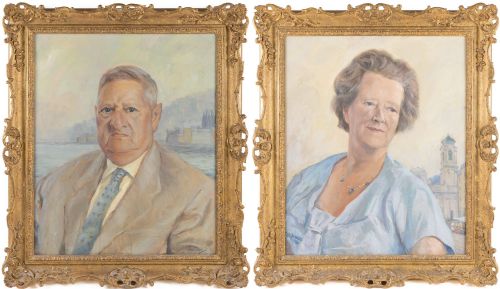
The selections on this page span several distinct aesthetic movements, including Victorian rococo revival and mid-century Italian design. Many items survive as empty picture frames ready for new artwork, whilst others contain period landscapes, portraits, and genre scenes.
You will find varied formats ranging from small intimate surrounds to huge wall-hanging examples. The defining characteristic across all of them remains the undulating, serpentine swept edge that draws the eye directly toward the central artwork.
How they were made
Makers constructed the primary structural carcass from solid wood, building up the deep relief contours using layers of gesso. This fine plaster mixture allowed artisans to carve intricate scrolls, floral motifs, and shell ornaments directly onto the wooden substrate.
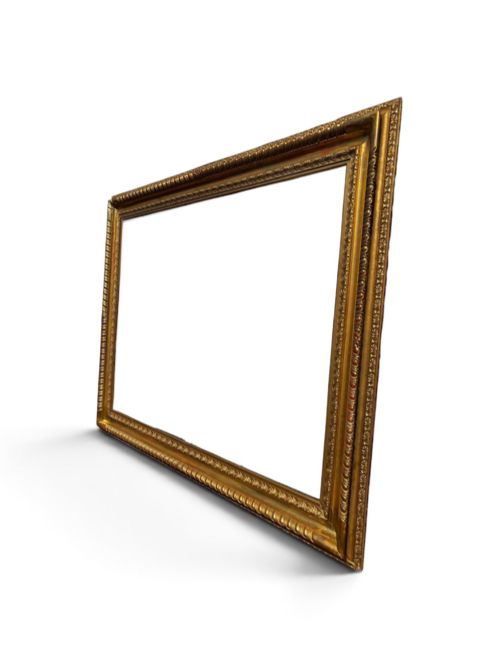
Surfaces were then finished in gold leaf or applied giltwood to achieve a brilliant metallic sheen that caught the ambient candlelight of period interiors. Artisans applied these delicate metallic foils over bole, creating a warm under-glow where the top layers eventually thinned through age.
One persistent Victorian houseguest managed to dust an entire rococo frame using only a feather duster and pure stubborn optimism.
What varies in quality
The distinction between ordinary and superior examples lies in the crispness of the moulded relief and the depth of the carved gesso decoration. Finer pieces exhibit hand-finished detailing where individual scrollwork elements retain sharp edges rather than a softened, uniform appearance.
Material application also dictates overall standard, with genuine gold leaf finishes ageing with a softer, richer lustre compared to later chemical metallic paints. Furthermore, the structural integrity of the timber corners and the preservation of the original gilt surface influence the standing of any given piece.
The Ornate Swept Framed Picture Glossary
- Gesso
- A traditional chalk and glue mixture applied to the wooden frame base to create a smooth, sculptable surface for relief decoration.
- Giltwood
- Timber that has been coated in thin sheets of gold leaf or metallic powder to simulate solid gold.
- Swept frame
- A picture surround featuring a distinct serpentine or undulating profile that curves outward from the inner edge.
- Rococo revival
- A nineteenth-century design style characterised by asymmetry, C-scrolls, and exuberant naturalistic ornamentation.
- Montparnasse frame
- A specific style of picture surround often associated with early twentieth-century Parisian artists, featuring clean yet stepped wooden profiles.
Ornate Swept Framed Picture: Frequently Asked Questions
How do I date an old frame?
Dating relies on examining the construction methods of the underlying wood and the composition of the gesso layer. Earlier nineteenth-century examples often display hand-carved wooden elements beneath the plaster relief.
Later reproductions utilise uniform pressed composition ornaments rather than individually modelled gesso work. Inspecting the joinery at the reverse also reveals whether the piece belongs to the Victorian era or mid-century periods.
Can I put a modern canvas inside?
These surrounds accommodate modern canvases provided the depth and internal rebate match the thickness of your stretcher bars. Many historical surrounds were built specifically for standard nineteenth-century painting dimensions.
It is essential to measure both the sight size and the rabbet depth carefully before attempting to fit contemporary artwork. Professional framers can adjust internal spacers safely without damaging antique gesso.
What is the swept profile?
The swept profile refers to the distinctive concave and convex curvature that swoops outward from the picture window toward the outer edge. This architectural shaping was designed to push visual perspective inward.
In the context of Victorian and rococo revival pieces, this sweeping movement creates dramatic shadow lines across the wall. It remains the key physical identifier for this specific category of decorative woodwork.