

Ornate Rococo Glass
Ornate rococo glass brings together swirling asymmetrical forms, heavy gilding and reflective mirror plates, shaping grand interiors with theatrical light.
Ornate Rococo Glass
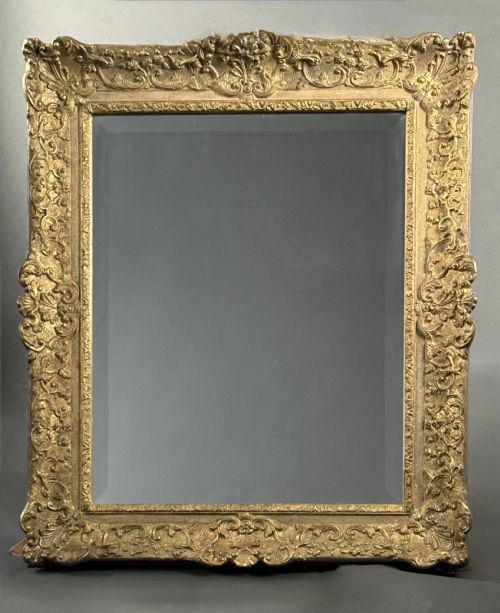
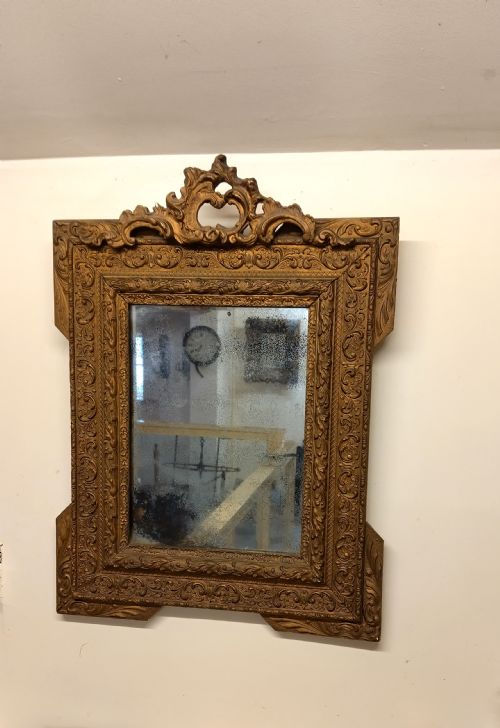
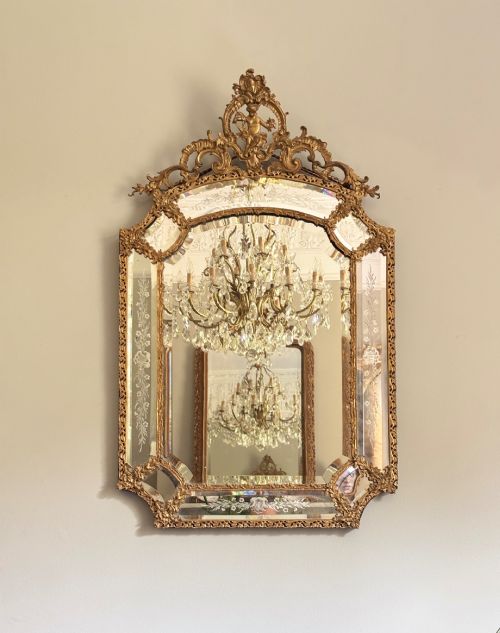
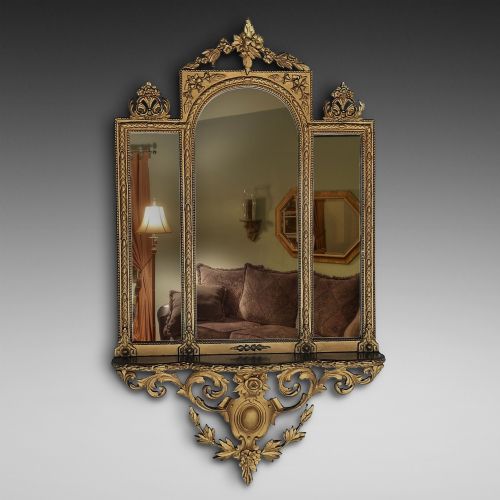
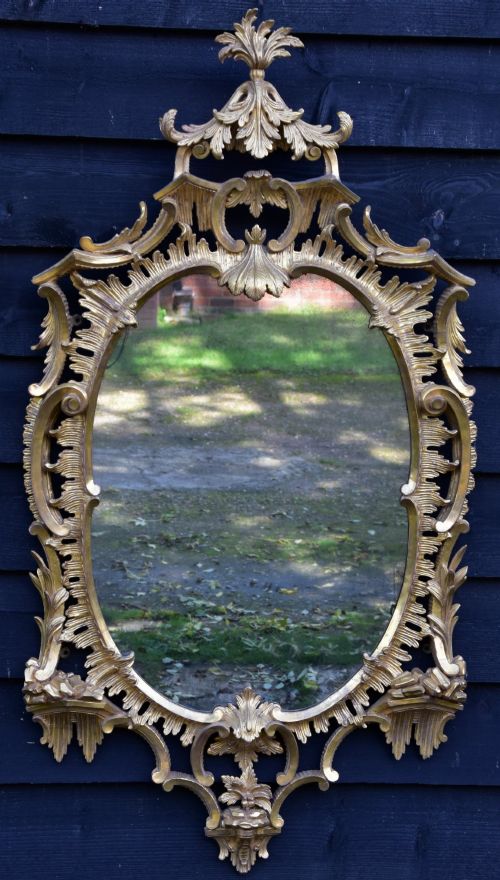
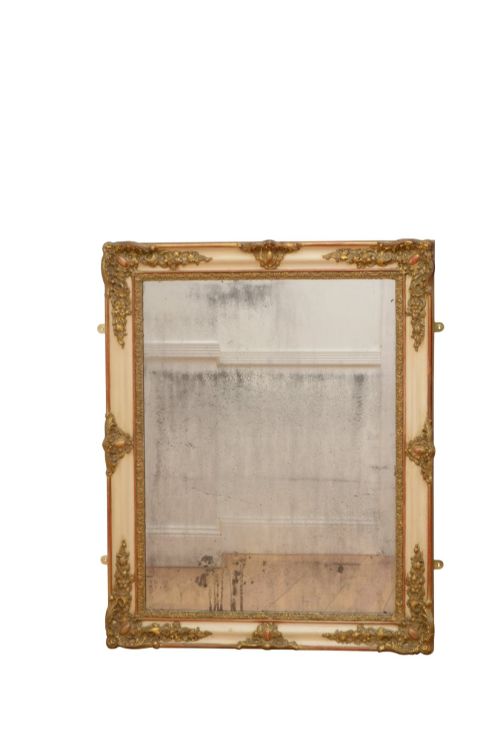
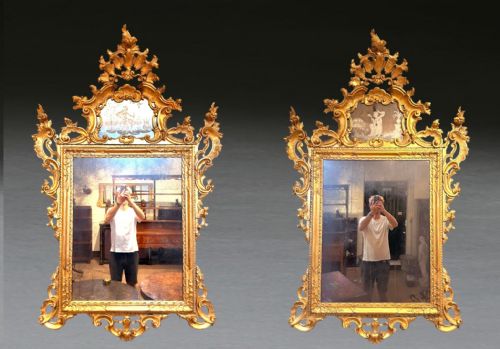
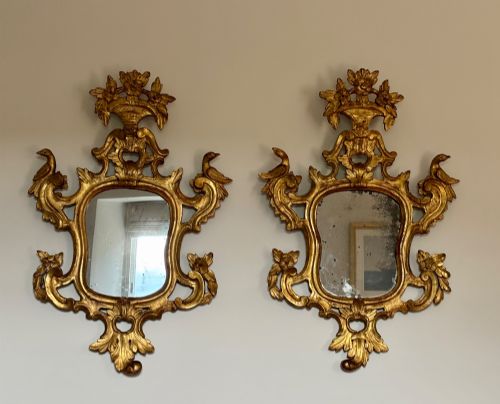
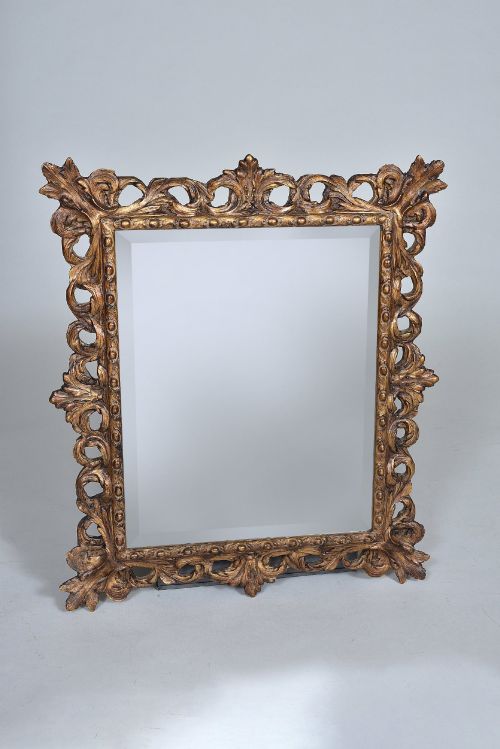
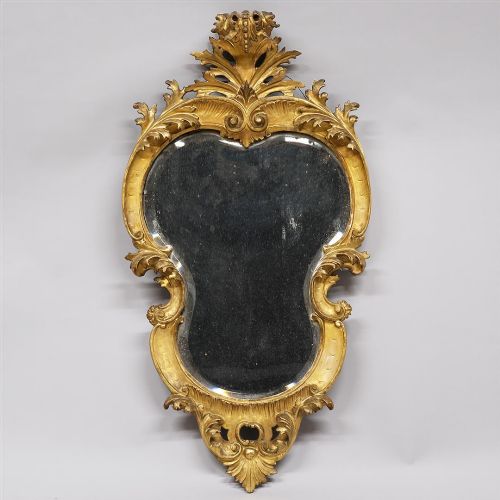
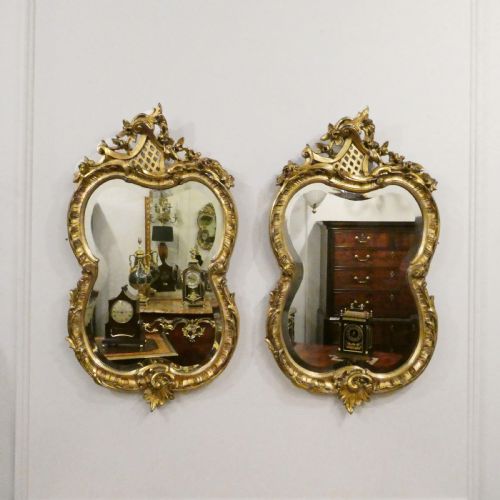
When searching for ornate rococo glass, buyers encounter a dominance of wall mirrors, overmantel mirrors and pier mirrors framed in elaborate carved giltwood and gesso. These pieces span from the 18th century through the Victorian era and into the early 20th century, drawing on French, Italian and Georgian design traditions.
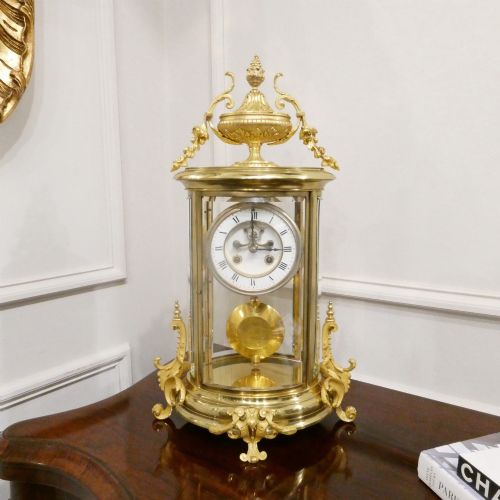
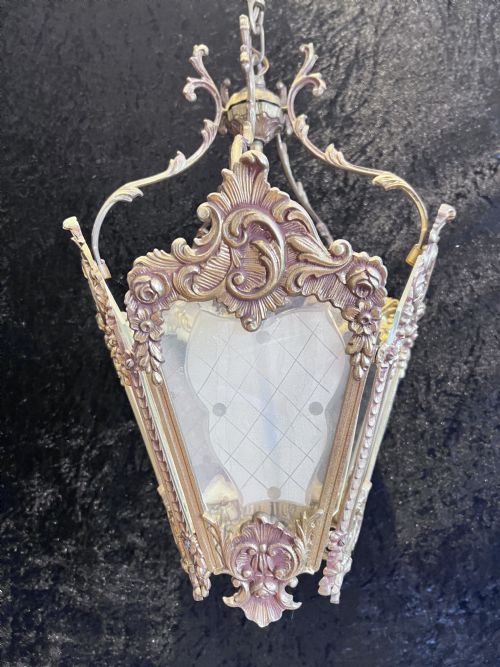
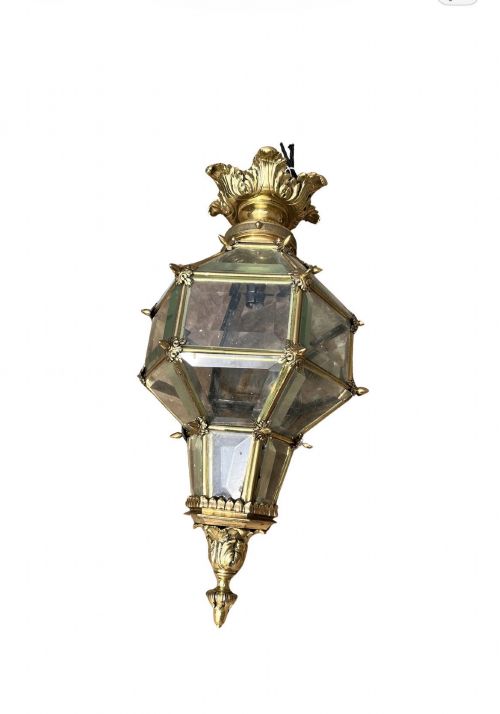
The most frequent forms on this page pair carved wooden or gesso frames with original mirror glass, often featuring bevelled edges or engraved plates. Alongside mirrors, the selection includes gilt bronze and brass mantel clocks, ceiling lanterns, display cases and occasional furniture pieces that incorporate glass panels or mirror plates.
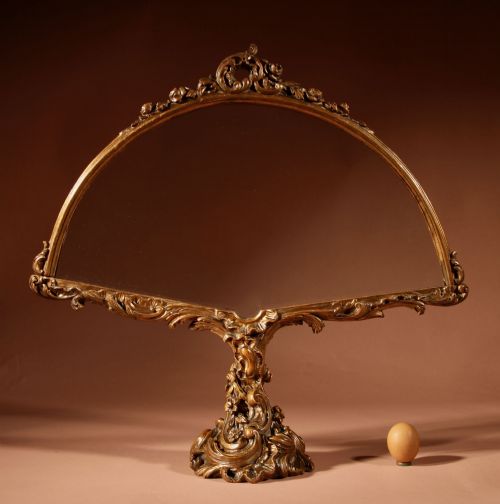
Origins stretch from Venetian workshops to French revival ateliers, capturing the flamboyant curves of the Louis XV style and Italian baroque influences. Pieces range from grand room-scale overmantels to smaller table mirrors and display stands intended for intimate boudoirs and salons.
Materials and construction
Makers built the foundational frames of these items from carved wood, oak, or moulded gesso applied over a wooden core. Artisans then applied gold leaf, silver gilt or liquid gilding to the surfaces to create a brilliant metallic sheen that catches interior light.
Mirror plates and glass components were hand-cut and silvered, frequently resulting in minor foxing or oxidation over decades of use. Gilt bronze, brass and ormolu mounts were cast and chased to form decorative crests, candle arms and structural framing around the glass.
Some display stands are shaped like fans, proving that Victorians found theatricality entirely appropriate for everyday objects.
Distinguishing quality levels
The distinction between ordinary production and superior work rests on the depth and crispness of the carving in the wood or gesso. Fine examples display deeply undercut scrolls and botanical motifs executed by hand, whereas simpler items rely on shallow, moulded plaster relief.
The integrity of the glass and gilding dictates the overall standard of a piece, with original mercury-silvered or early bevelled mirror plates holding greater authenticity. Heavier timber frames and robust structural joinery separate substantial architectural mirrors from lighter, decorative wall pieces.
Samuel Marti·François Linke·Harrods
The Ornate Rococo Glass Glossary
- Giltwood
- Wood that has been coated with gold leaf or a gold-colored finish. This material forms the primary structure for many traditional frames.
- Gesso
- A plaster mixture applied to wood frames to provide a smooth surface for carving and gilding. It allows for intricate relief ornamentation.
- Cartouche
- An ornamental frame resembling a rolled-up piece of paper or parchment, frequently seen on 18th-century mirror designs. It provides a central focus for asymmetric scrollwork.
- Pier Mirror
- A tall, narrow mirror designed to hang on the wall between windows or above a pier table. These pieces maximise light distribution in period rooms.
- Overmantel Mirror
- A wide mirror specifically scaled to hang above a fireplace mantel. They often feature extended horizontal proportions to match hearth dimensions.
Ornate Rococo Glass: Frequently Asked Questions
How do I date an antique mirror?
Dating relies on examining the construction of the wooden frame, the thickness of the backing boards, and the characteristics of the glass plate itself. Hand-bevelled edges and subtle distortions in the glass often point to earlier manufacturing methods.
Secondary clues include the type of fixings, screws, and the composition of the gesso beneath the gilding. Comparing stylistic details against known 18th-century or 19th-century revival periods helps narrow down the decade of production.
Can these mirrors be hung safely?
Due to the substantial weight of carved wood, gesso, and thick glass plates, secure wall anchoring is essential. Professional mirror hangers typically use heavy-duty battens or brackets screwed directly into wall studs.
Wire hanging is generally discouraged for large overmantel or pier mirrors. Instead, utilise D-rings screwed firmly into the structural frame to distribute the weight evenly.
What is rococo revival style?
Rococo revival is a 19th-century design movement that reinterpreted the flamboyant, asymmetric curves of the 18th-century French Louis XV period. Makers embraced naturalistic motifs like C-scrolls, foliage, and shellwork.
Victorian and Edwardian craftsmen utilised these historic elements to create ornate furnishings for modern homes. This revival combined traditional carving techniques with industrial-era production methods.
How do I clean antique glass?
Cleaning requires a soft microfiber cloth and a mild, ammonia-free glass cleaner sprayed onto the cloth rather than directly onto the mirror. This prevents moisture from seeping behind the glass plate and damaging the silvering.
Harsh chemicals must be avoided to protect the delicate giltwood or gesso surrounding the frame. Gentle dusting with a dry brush helps keep intricate carvings free of buildup.