



Ornate Metal Table Light
An ornate metal table light brings sculptural presence and warm illumination to a room, combining heavy cast metals with intricate historical styling.
Ornate Metal Table Light
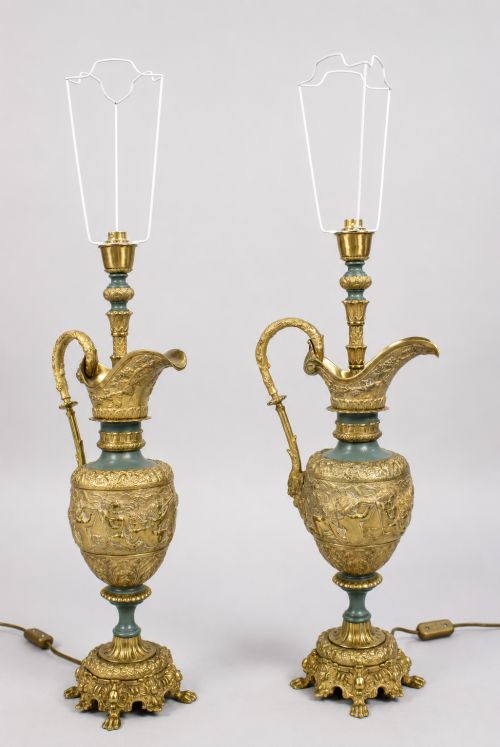
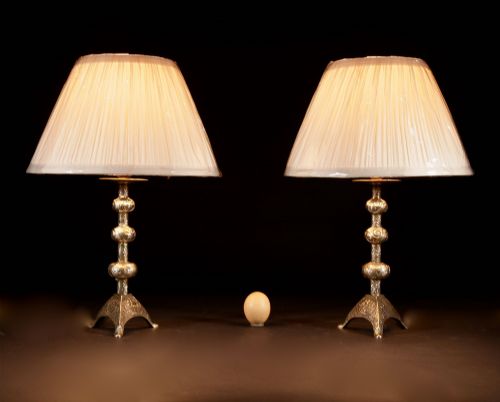
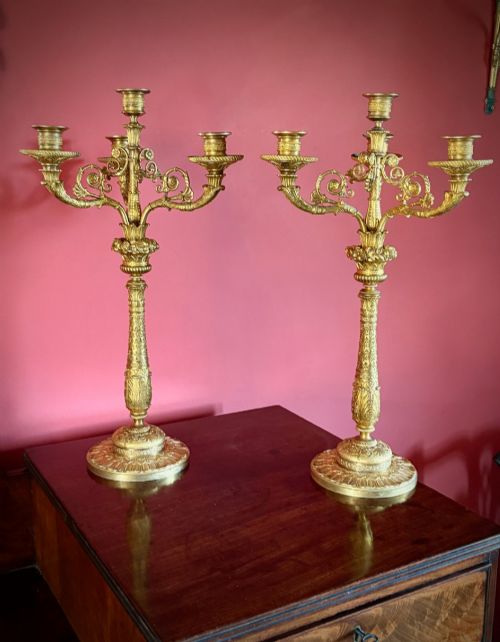
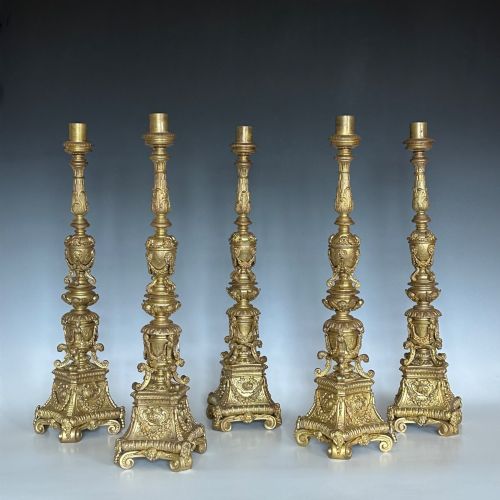
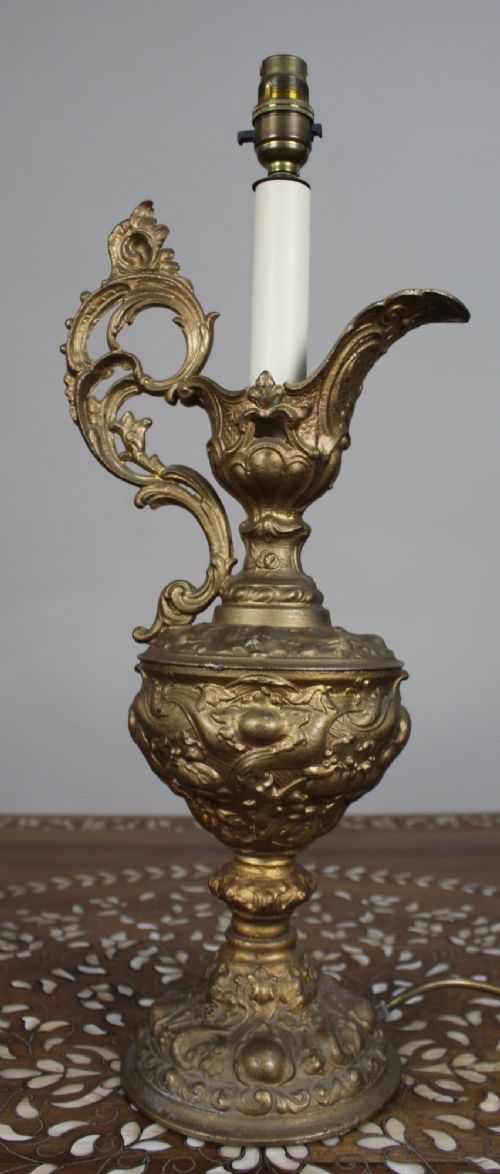
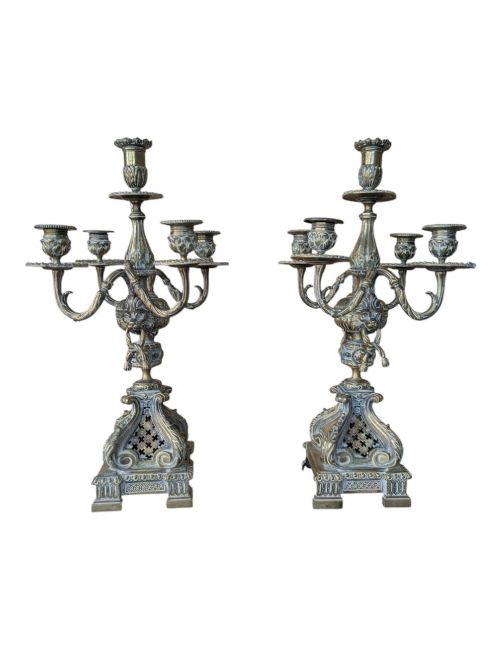
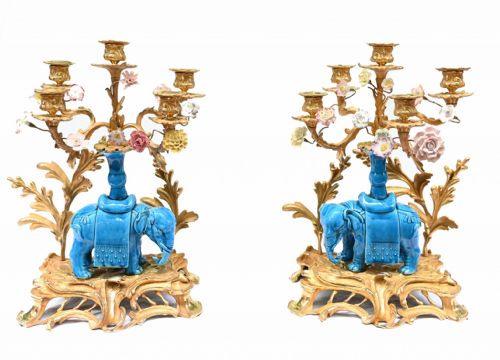
An ornate metal table light encompasses functional lighting and converted candelabra dating from the nineteenth and early twentieth centuries. Buyers searching for an ornate metal table light will frequently encounter pairs of gilt metal or ormolu pieces, often styled after French Neoclassical or Rococo Revival designs.
The selection ranges from converted oil lamps and ewer forms to heavy bronze bases mounted on marble or onyx plinths. Many examples originate from French workshops or English makers, reflecting the grand interior aesthetics of the Victorian and Edwardian eras.
Assessing Craftsmanship
Quality in these lighting pieces rests upon the crispness of the metal casting and the depth of the chasing work. Superior examples exhibit sharply defined ornamentation where every leaf, scroll, and figural element remains distinct and hand-finished.
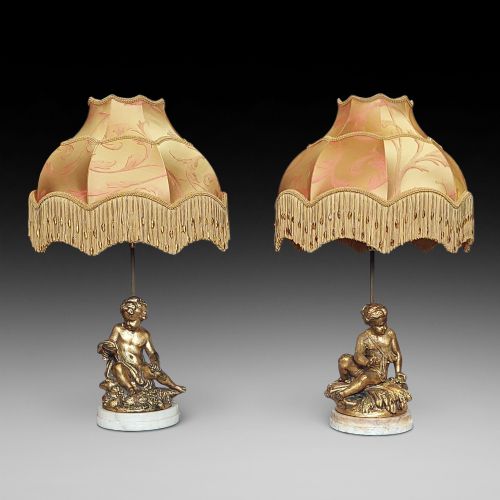
The choice of supporting elements also elevates a piece, such as solid marble or onyx plinths rather than lighter substitutes. Heavier metal gauge and substantial construction distinguish the finest specimens from simpler production pieces.
Elephants and cherubs occasionally support the lighting columns, proving that nineteenth-century domestic illumination took itself delightfully less than seriously.
Wild and Wessel·Blagden Hodgson And Co
The Ornate Metal Table Light Glossary
- Ormolu
- Gilded bronze produced by applying a mercury-gilt amalgam to cast bronze, common in French decorative arts. This technique creates a durable, golden surface finish.
- Candelabra
- A branched candlestick designed to hold multiple tapers. Many antique examples are later converted to electricity for modern use.
- Spelter
- A zinc alloy frequently used as a cheaper alternative to bronze for cast figures and lamp bases. It takes plating and patination well.
- Ewer
- A large jug with a wide spout, often adapted in the nineteenth century to form the central body of a table lamp. These shapes draw directly from classical antiquity.
Ornate Metal Table Light: Frequently Asked Questions
How do I convert an old oil lamp?
Converting an antique oil lamp typically involves running modern electrical wiring through the existing burner assembly without altering the exterior metalwork. A professional rewiring ensures the piece meets current safety standards while preserving its historic structure.
Many pieces already feature conversions carried out decades ago, allowing them to function safely as standard table lamps while retaining their original aesthetic appeal.
Are these lamps heavy?
Solid bronze, brass, and marble components make these table lights quite substantial in weight. Their heavy bases provide stability, particularly when supporting multiple candle arms or large shades.
Placement requires a sturdy piece of furniture capable of supporting considerable downward pressure from dense cast metal and stone.
How do I clean gilt metal?
Dusting gently with a soft, dry cloth is the safest method for maintaining gilt metal surfaces. Moisture and abrasive cleaners can strip the delicate gold finish away entirely.
Professional restoration is recommended for pieces showing significant tarnishing or loss of their original gilt layer.
What is the difference between ormolu and gilt bronze?
Ormolu is simply the traditional French term for gilt bronze, specifically denoting objects gilded with a mercury amalgam process. Both terms describe a bronze substrate covered in a thin layer of gold.
Visual inspection reveals a warm, deep golden tone characteristic of historic fire-gilding methods.