


Ornate Mantle Mirror
An ornate mantle mirror brings architectural scale and shimmering reflection to a room, anchoring a chimney breast with centuries of craftsmanship.
Ornate Mantle Mirror
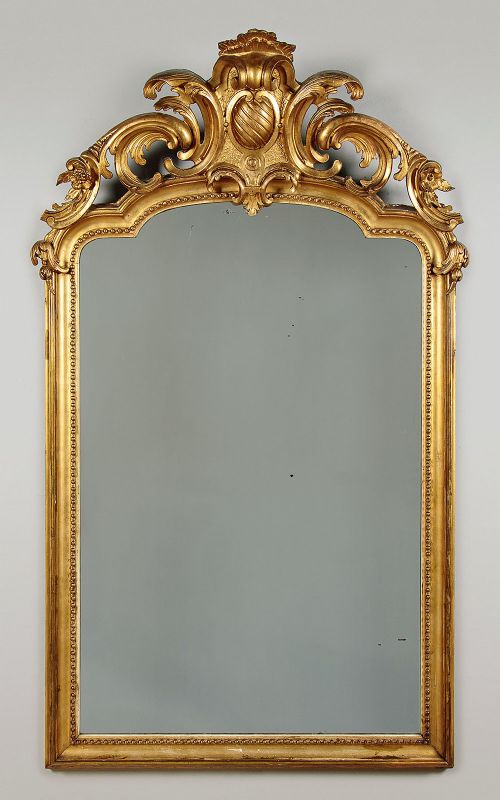
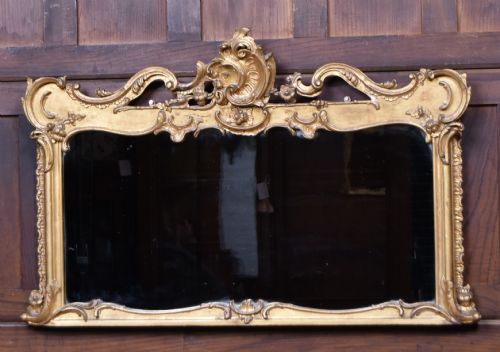
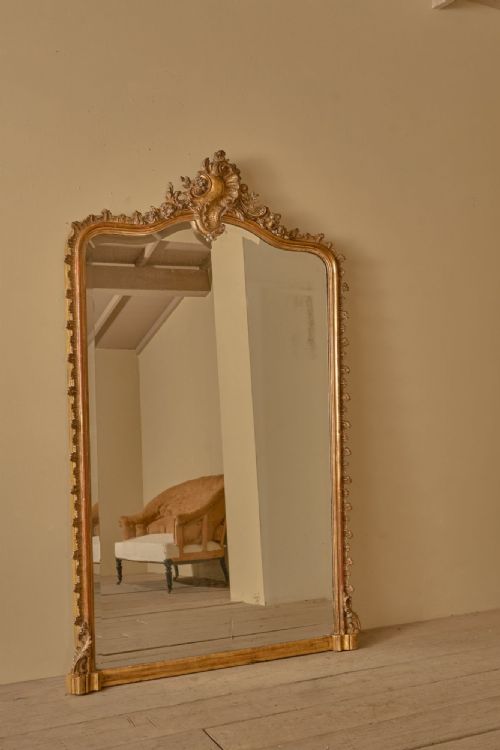
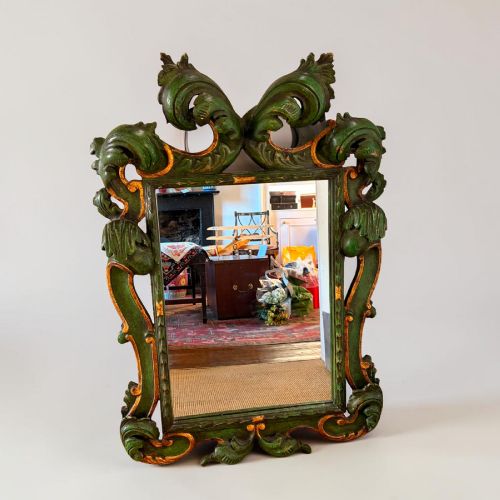
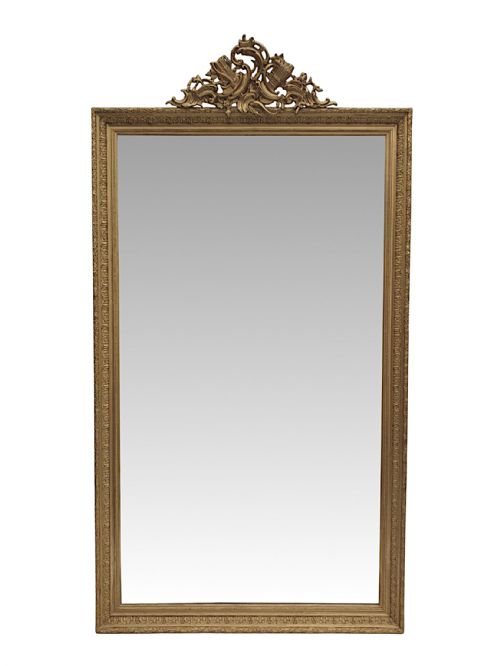
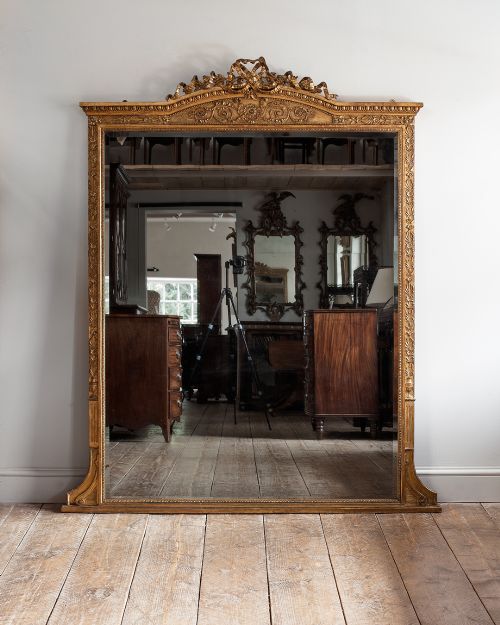
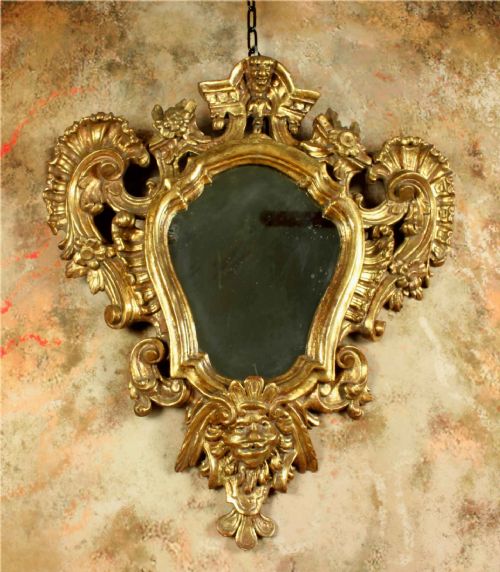
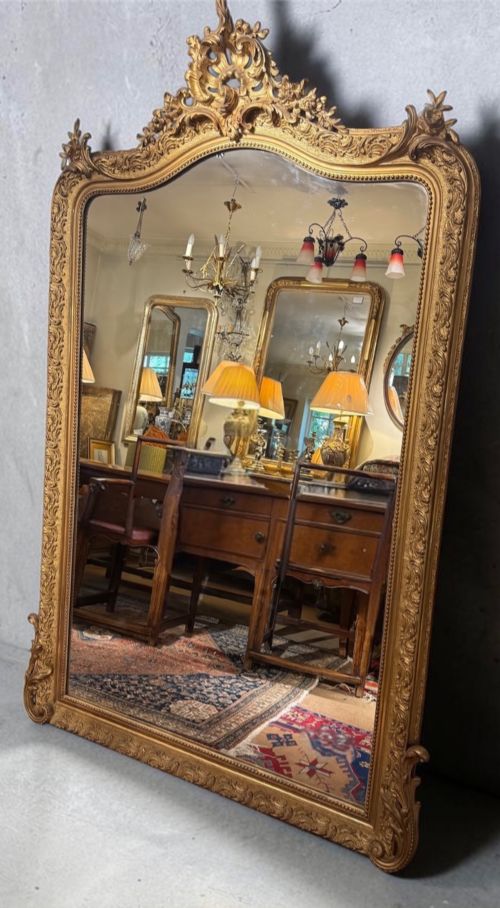
When searching for an ornate mantle mirror, buyers encounter grand pieces designed to sit above a fireplace, frequently spanning large proportions to reflect light across an interior. These items emerge predominantly from the nineteenth century, drawing heavily on earlier design vocabularies like the Rococo and Regency styles.
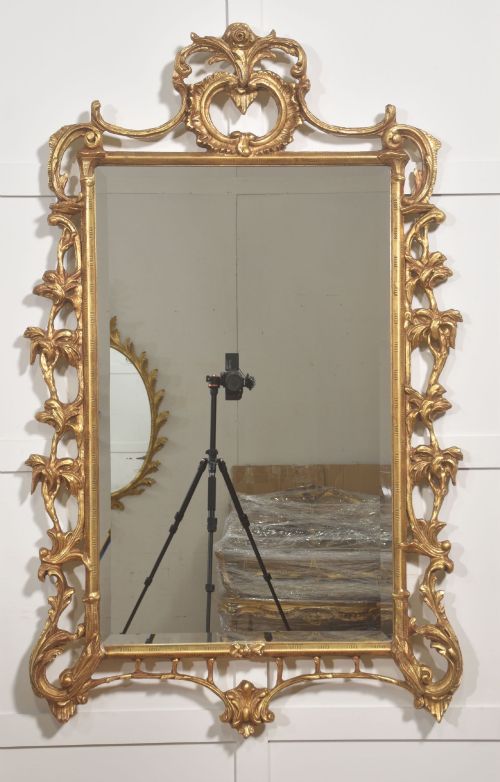
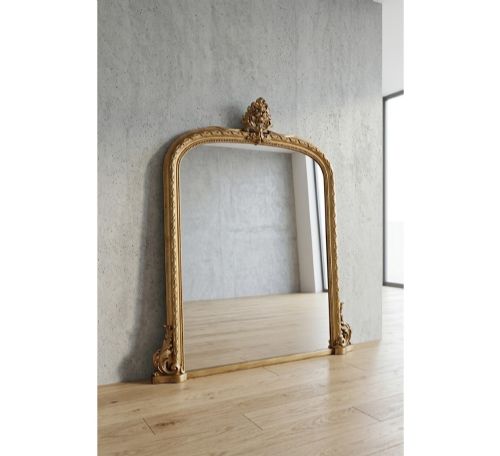
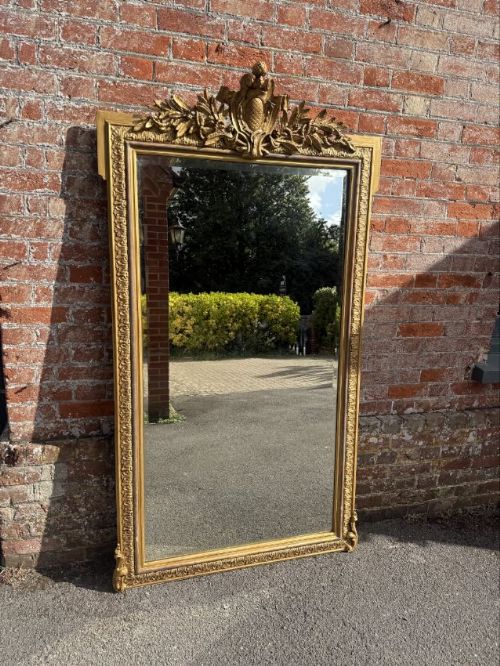
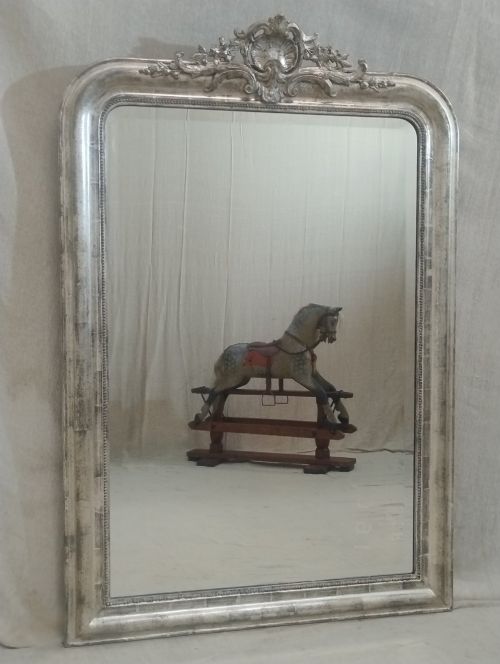
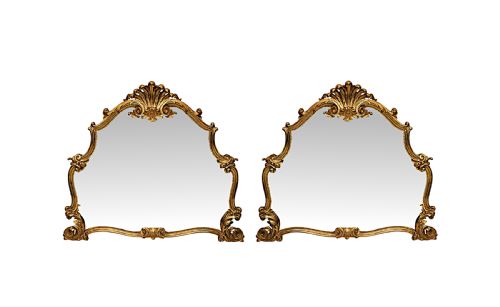
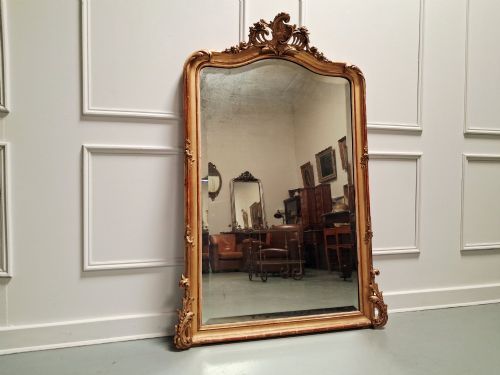
The prevailing format on this page is the overmantel mirror, often characterised by arched, shaped, or rectangular wooden frames finished in gilded surfaces. Such pieces bridge functional wall decor and substantial decorative statements originating from English, French, and Italian workshops.
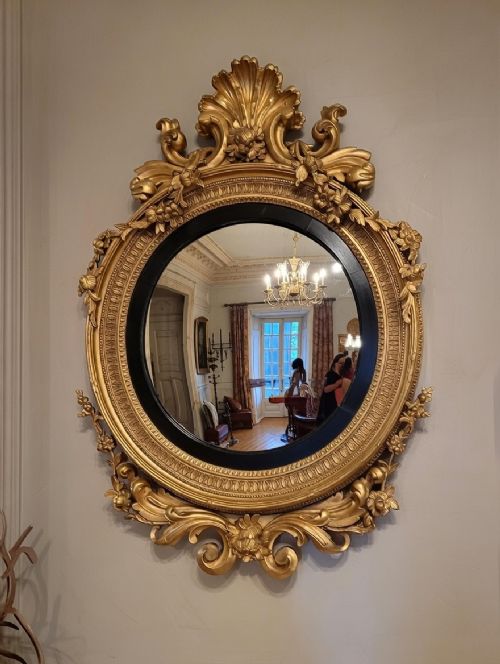
Alongside nineteenth-century examples, surviving pieces span the eighteenth and early twentieth centuries, encompassing wall mirrors, pier mirrors, and leaner variants. The typical design relies on elaborate crestings, scrollwork, and foliate motifs intended to dominate the wall space above a hearth.
Materials and construction
Traditional makers built the structural frames from solid carved wood, such as oak or pine, providing a stable foundation for heavy glass plates. Craftsmen then applied layers of gesso - a mixture of chalk and binder - directly onto the timber base to build up intricate relief ornaments and scrollwork.
The decorative surfaces received gold or silver leaf, or gold paint, applied over the prepared gesso and carved details to create a luminous metallic sheen. Composition material, often moulded separately and applied to the wooden frame, helped expedite the creation of repetitive floral and classical motifs.
Ornate Mantle Mirror Retail Price Guide 2026
Typical asking prices for ornate mantle mirror among the pieces listed under this phrase on Sellingantiques today, from the lower quarter to the upper quarter. They describe what is for sale here now, not the wider market.
Evaluating craftsmanship
The distinction between standard examples and the finest pieces lies in the depth and sharpness of the hand-carved wood elements versus moulded composition. Superior items display crisp undercut foliage, balanced proportions, and integrated joinery that remains stable under the substantial weight of the frame.
The quality of the reflective plate and the integrity of the original gilding further separate the tiers, with skilled application yielding a warmer, more nuanced metallic depth. Original backing boards, untouched surface patination, and the retention of delicate crests elevate an antique piece above heavily restored or later assembled alternatives.
The Ornate Mantle Mirror Glossary
- Gesso
- A prepared mixture of chalk, gypsum, and size used as a base for moulding intricate relief decoration on wooden frames. Artisans applied multiple coats before gilding to ensure a smooth, receptive surface.
- Overmantel mirror
- A large looking glass specifically proportioned to hang on the wall directly above a fireplace mantle. These frames often incorporate arched tops to echo architectural chimney openings.
- Giltwood
- Timber that has been coated with thin leaves of gold metal or gold leaf. This technique protects the underlying wood while imparting a rich, continuous metallic brilliance.
- Pier mirror
- A tall, narrow looking glass designed to hang on the wall space between two windows. They share similar decorative vocabularies with larger mantle mirrors.
- Composition
- A mouldable mixture of whiting, resin, linseed oil, and glue pressed into ornate decorative ornaments. Makers used it alongside hand-carved wood to speed up production of complex floral motifs.
Ornate Mantle Mirror: Frequently Asked Questions
How do I hang a heavy mantle mirror safely?
These large frames carry significant weight due to thick timber and glass plates, requiring secure fastening directly into wall studs or masonry. Professional mirror hangers typically use heavy-duty wall brackets or split battens distributed across the upper frame.
Ensuring the weight rests partially on the mantle shelf itself can also provide additional structural support for exceptionally tall pieces.
Can these mirrors sit directly on a fireplace mantle?
Many overmantel mirrors are designed to rest their weight directly upon the shelf of the fireplace while being anchored to the wall for safety. This placement was standard in period interiors, allowing the bottom frame to integrate with the wooden or stone mantle structure.
Check the lower edge of the frame for flat surfaces or original feet intended for this exact purpose.
What is the difference between an overmantel and a wall mirror?
An overmantel mirror is specifically proportioned in a wide or horizontal format to span the width of a chimney breast. Standard wall mirrors are usually more vertical or square and lack the specific architectural proportions required for a fireplace setting.
Overmantel variants also frequently feature heavier crestings designed to draw the eye upward in a formal room.