


Ornate Gold Overmantel
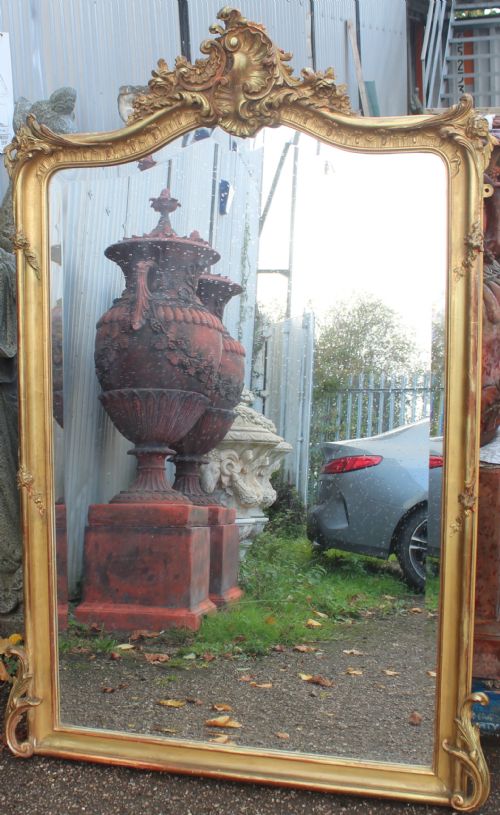
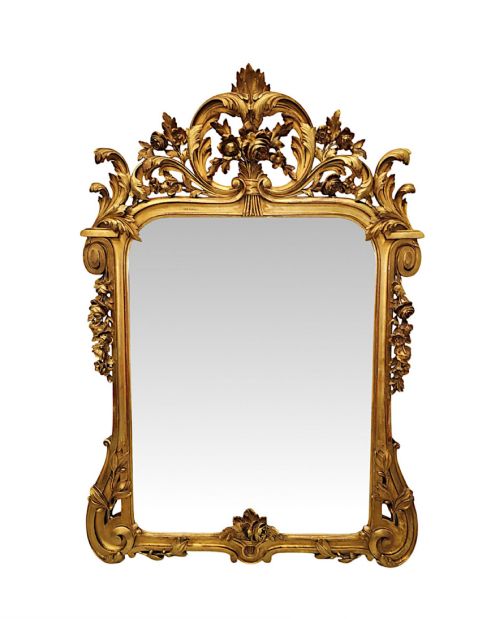
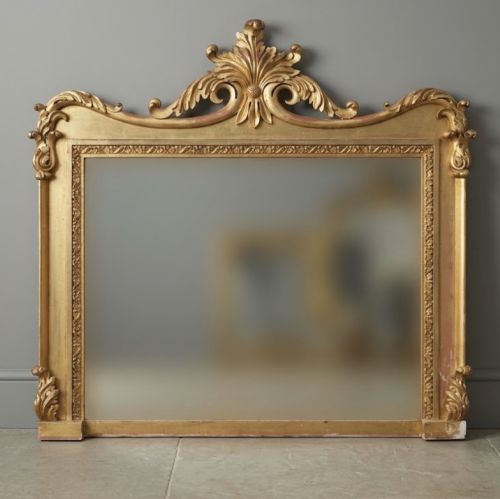
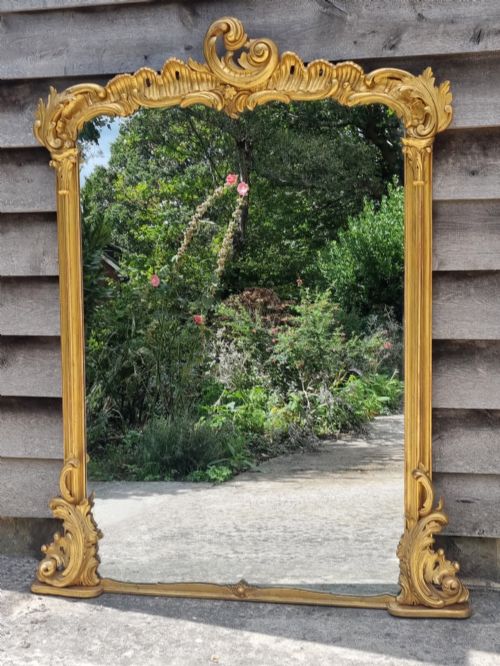
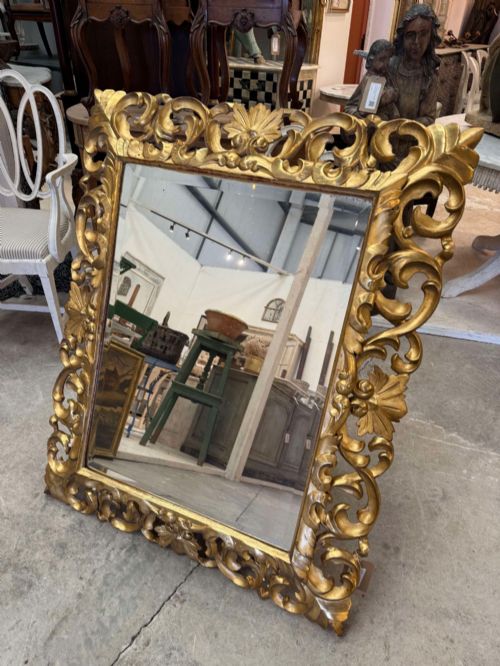
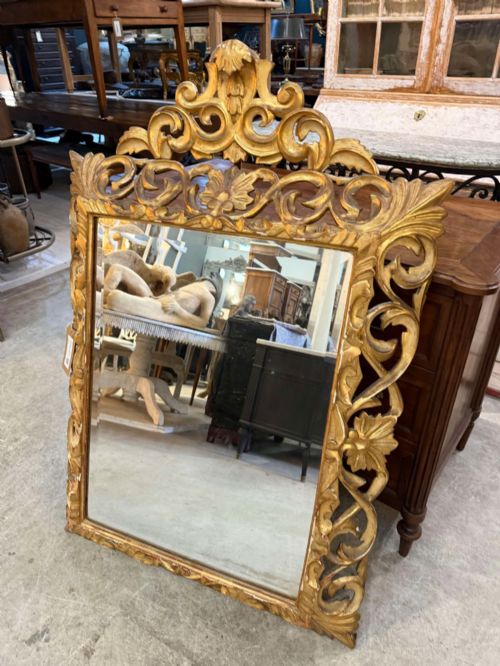
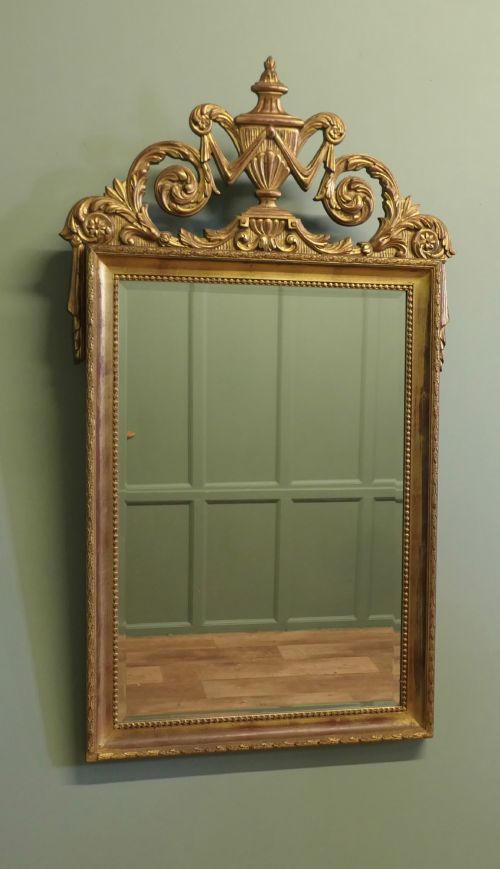
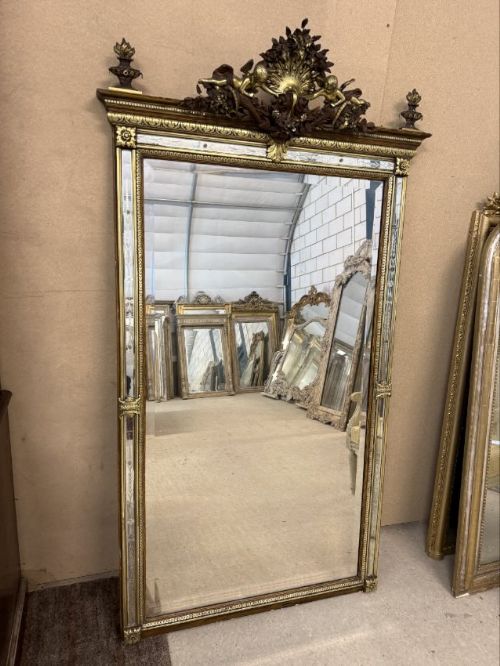
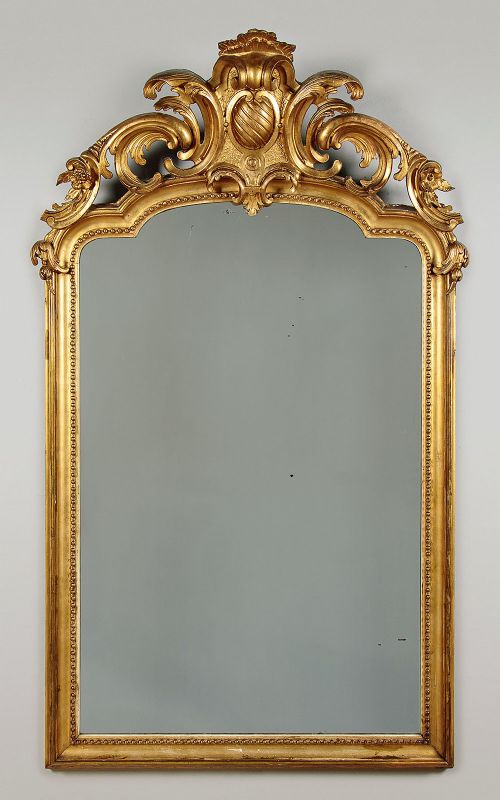
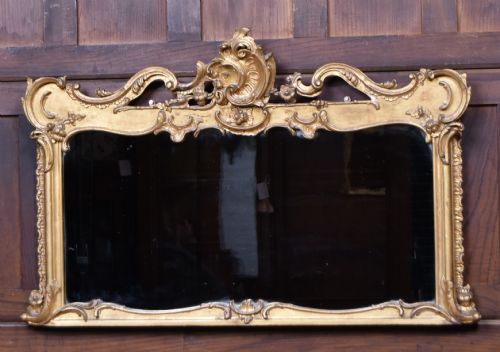
An ornate gold overmantel brings grand scale and reflective light to a room, hung traditionally above a fireplace or mounted low as a floor-standing leaner.
Ornate Gold Overmantel
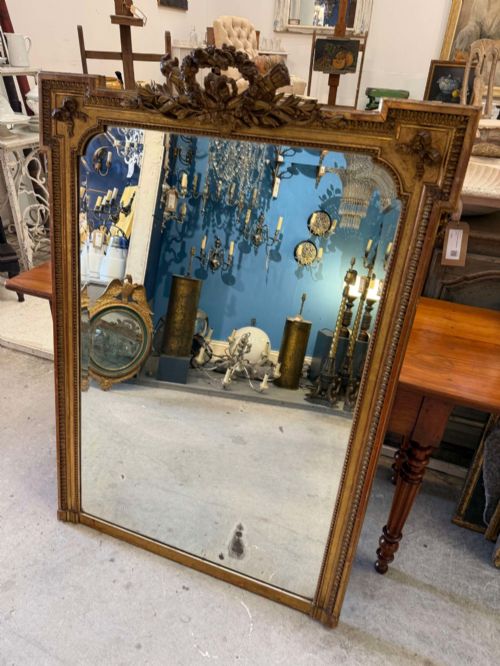
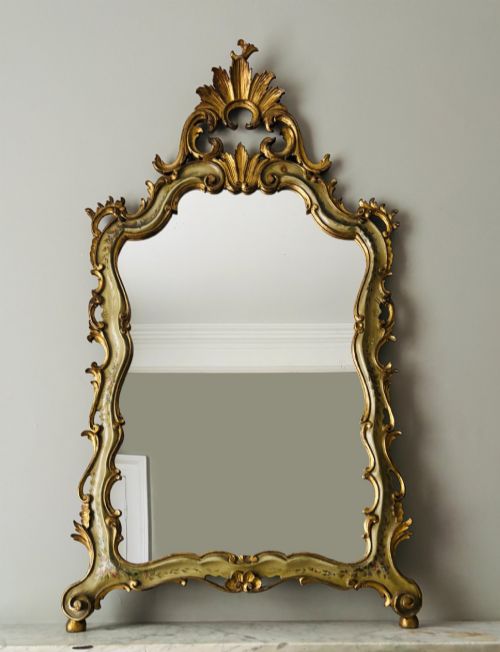
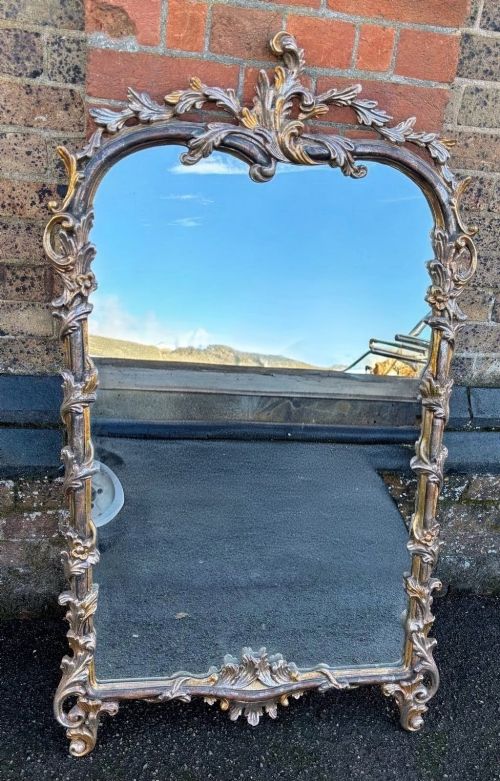
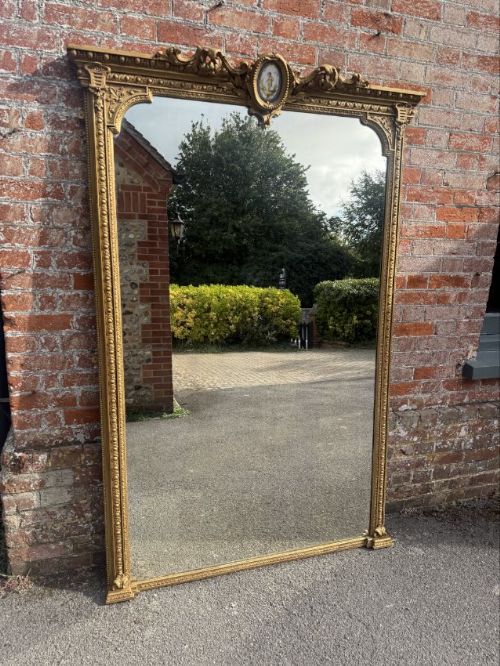
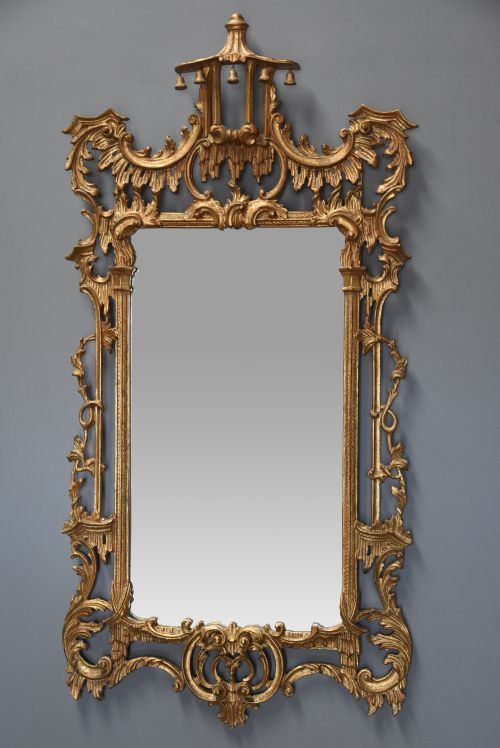
An ornate gold overmantel is typically a large, substantial mirror designed to sit directly above a mantelpiece or serve as a dramatic wall focal point. The examples found here span the eighteenth, nineteenth, and early twentieth centuries, with a strong representation of nineteenth-century English and French craftsmanship. Formats range from simple arched tops to elaborate creations boasting crested frames and shaped glass.
The aesthetic leans heavily towards revivalism, incorporating French Rococo, Louis XV, and Chinese Chippendale motifs within the overarching Victorian taste. Buyers encounter substantial giltwood and gesso frames, often featuring heavy carved ornamentation, elaborate crests, and occasionally mercury or foxed glass plates. These pieces command attention through sheer scale and decorative ambition.
Materials and construction
Makers built these frames using carved wood, composition material, and gesso applied over a timber base to create deep, intricate relief ornament. The decorative surfaces were then finished with gold leaf or gilding, catching the light across complex scrolls, acanthus leaves, and floral crests. Wood framing provided the structural rigidity necessary to support heavy glass plates over expansive dimensions.
Mirror plates themselves include early mercury glass and etched glass, sometimes showing foxing or age spots developed over decades. Pier glass mirrors and overmantel frames utilise substantial glass panels held securely within rebated wooden rabbets, occasionally accompanied by bevelled edges.
Ornate Gold Overmantel Retail Price Guide 2026
Typical asking prices for ornate gold overmantel among the pieces listed under this phrase on Sellingantiques today, from the lower quarter to the upper quarter. They describe what is for sale here now, not the wider market.
Listings feature eighteenth, nineteenth, and early twentieth-century periods, dominated by giltwood, gesso, and carved wood materials.
Judging the craftsmanship
The distinction between standard production and top-tier execution rests in the crispness and depth of the carved gesso and wood ornamentation. Superior frames display hand-carved detailing where scrolls, crests, and foliage retain sharp contours rather than soft, moulded edges. The application of gold leaf or gilding also dictates quality, with finer examples showing nuanced burnishing and multi-layered preparation.
Structural integrity of the timber frame and the originality of the mirror plate elevate a piece significantly. Retaining the original mercury glass plate or heavy carved crest without major timber replacement marks the difference between an intact survivor and a heavily restored item.
The Ornate Gold Overmantel Glossary
- Gesso
- A plaster-like mixture applied to wooden frames as a base for gilding or painting. It is built up in layers and carved or moulded to form intricate decorative relief patterns.
- Giltwood
- Timber that has been coated with gold leaf or gold powder. This material defines the lustrous, reflective finish seen on traditional decorative mirrors.
- Overmantel
- A large mirror specifically proportioned to hang on the wall directly above a fireplace mantel. These pieces often feature horizontal or arched formats designed to bridge the visual gap between hearth and ceiling.
- Mercury glass
- A type of double-walled silvered glass produced in the nineteenth century. It often develops characteristic foxing spots and a deep, mottled reflection over time.
- Rococo Revival
- A nineteenth-century design movement drawing inspiration from the asymmetrical curves, C-scrolls, and naturalistic motifs of the eighteenth-century French Rococo style.
Ornate Gold Overmantel: Frequently Asked Questions
Where should an overmantel mirror hang?
These mirrors traditionally sit directly above a fireplace mantel, anchored securely to the wall to support their substantial weight and grand scale.
Alternatively, many large examples function effectively as leaner mirrors, positioned directly on the floor against a wall to anchor a room's proportions.
How do I identify a French Louis XV style mirror?
French Louis XV style frames rely on asymmetrical curves, shell motifs, and flowing scrollwork characteristic of mid-eighteenth-century design. Elaborate crests and organic leaf carvings distinguish them from stricter geometric framing.
Makers working in nineteenth-century revival periods copied these flowing outlines closely, utilising carved wood and gesso to replicate the French chateau aesthetic.
What is foxed glass?
Foxed glass refers to mirror plates that have developed mottled spots, darkening, or cloudy oxidation behind the glass surface over decades of exposure to air and moisture.
This natural ageing process is prized by collectors for the soft, historic character it imparts to the reflection.
Are these mirrors heavy to hang?
Yes, timber frames combined with heavy glass plates and thick gesso ornamentation create considerable weight that requires professional wall mounting into structural studs or masonry.
Overmantels were engineered to bear this mass, but safe installation demands robust fixings suited to the specific wall construction.