


Ornate Gilded Hanging Mirror
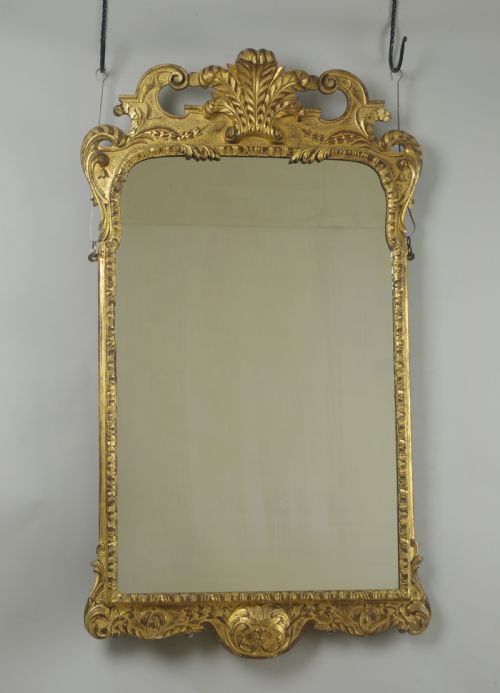
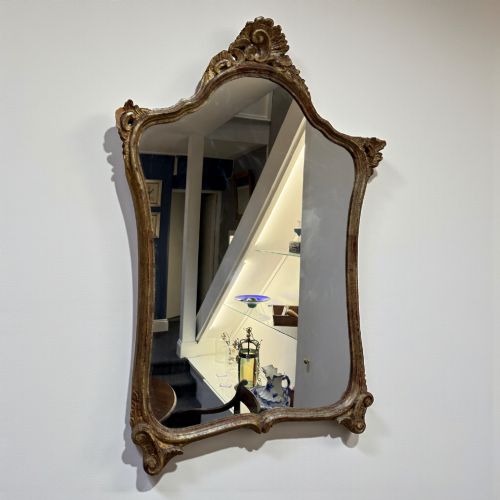
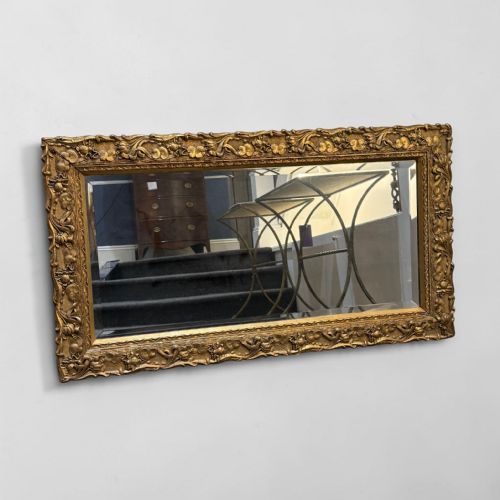
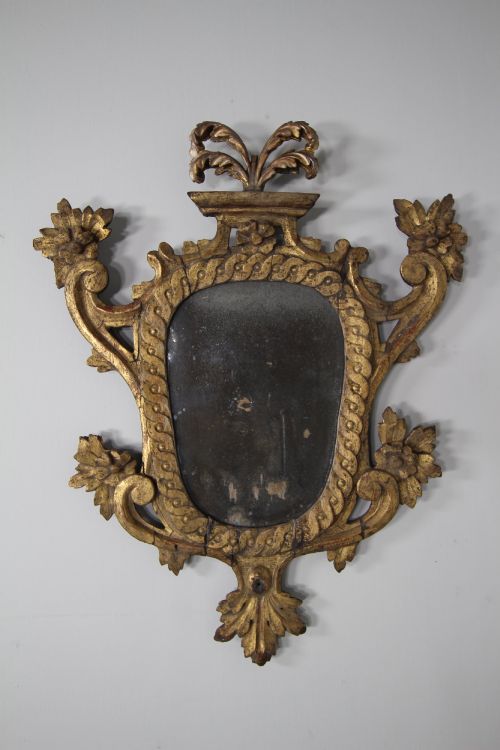
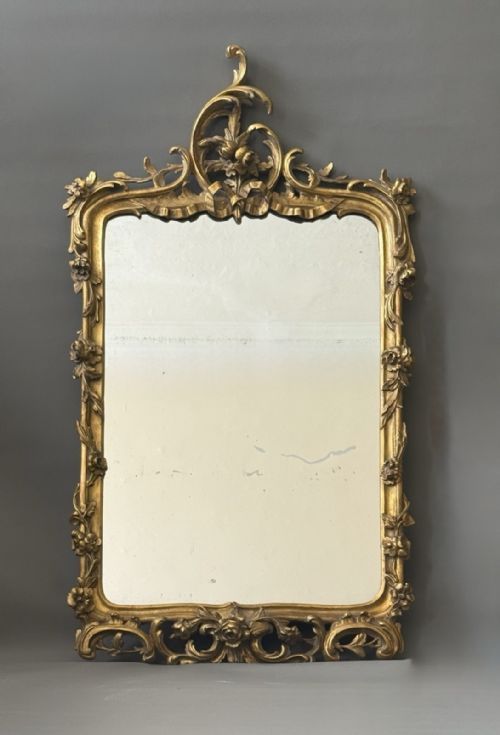
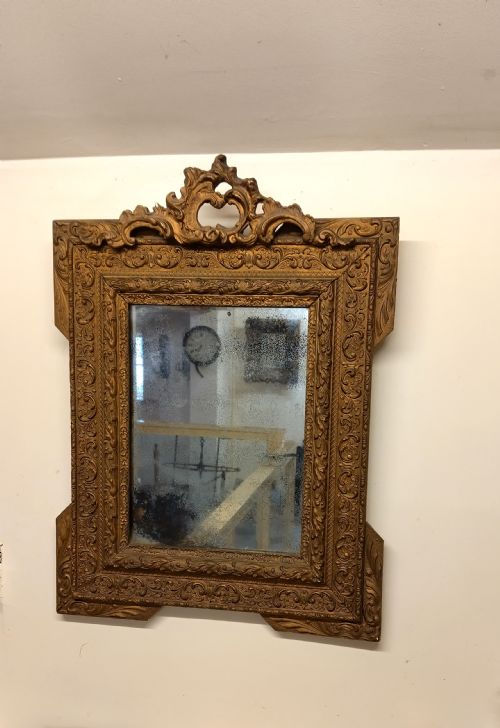
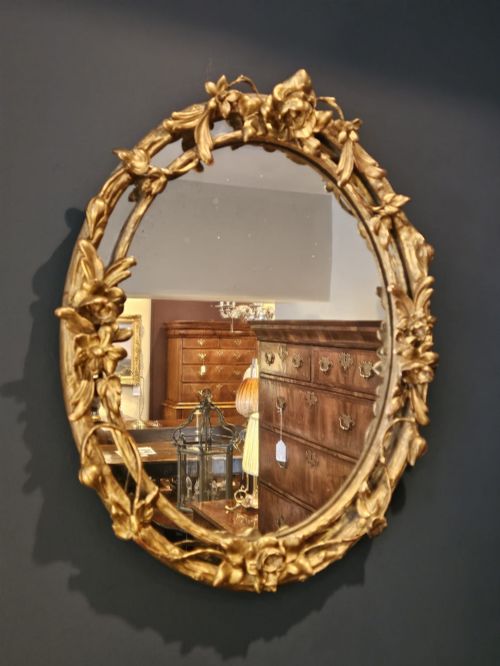
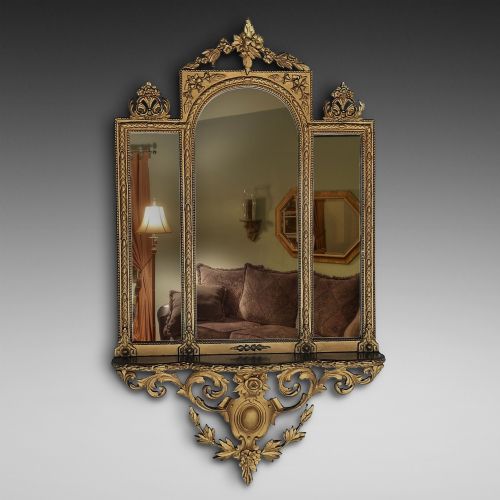
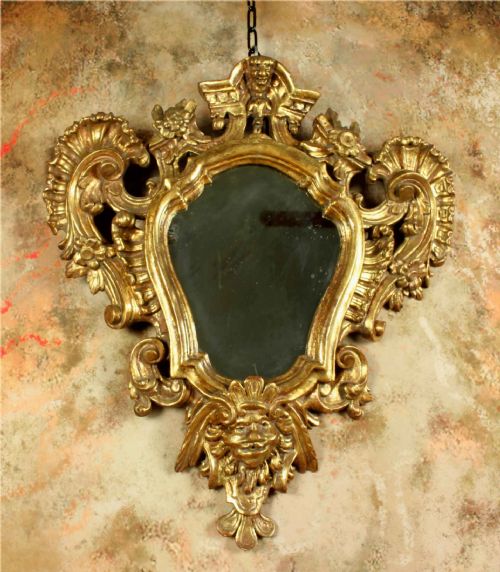
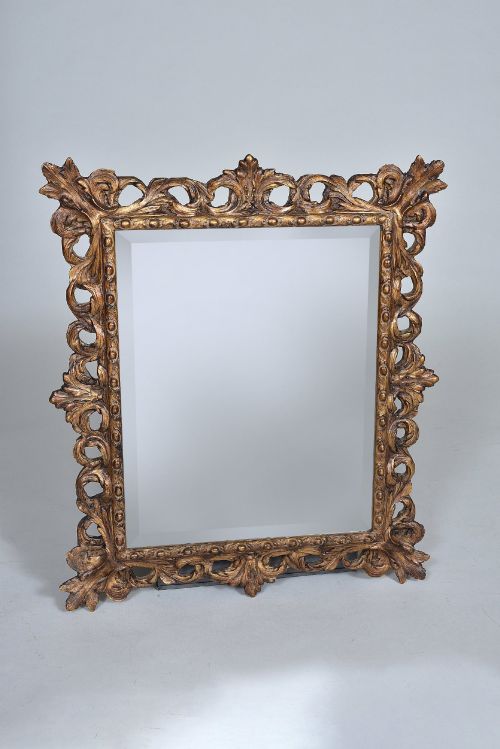
An ornate gilded hanging mirror brings warmth and reflective depth to a room, drawing the eye with lavish carved frames and brilliant metallic surfaces.
Ornate Gilded Hanging Mirror
When searching for an ornate gilded hanging mirror, collectors encounter an array of wall-mounted looking glasses spanning the eighteenth, nineteenth, and early twentieth centuries. These pieces function primarily as decorative wall ornaments and practical glass panels designed to catch and amplify natural light within domestic spaces.
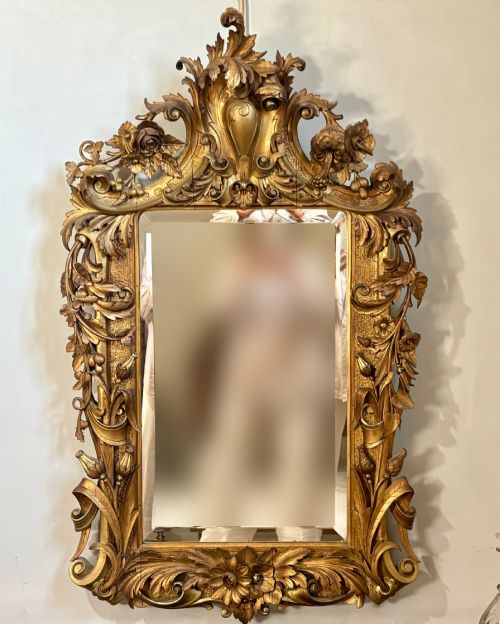
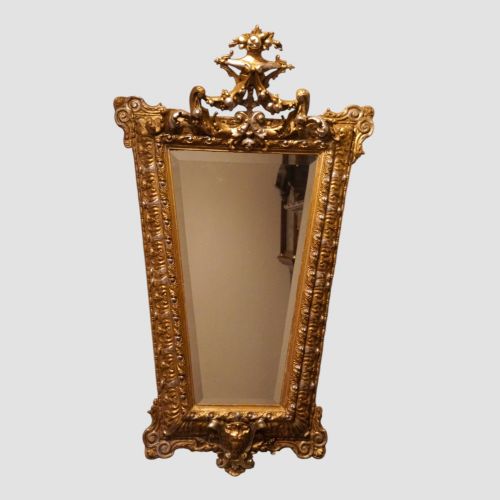
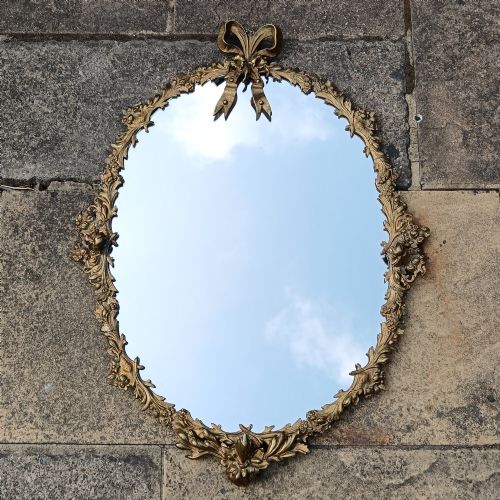
The selections found here lean heavily towards nineteenth-century examples alongside eighteenth-century originals and later revivals. Common forms include grand rectangular wall plates, oval shapes, and trapezoidal frames built for principal reception rooms and boudoirs.
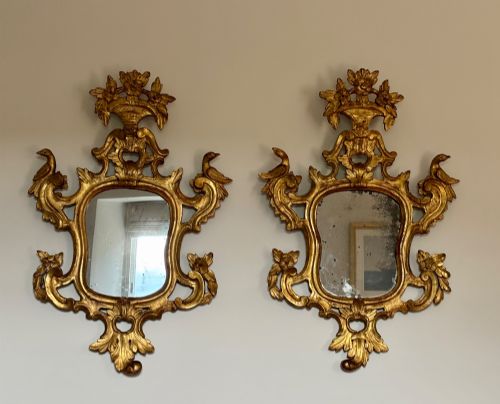
Stylistic origins cluster around French and Italian workshops, with Rococo Revival and Louis XVI designs dominating the selection. These historical pieces provide distinct periods of craftsmanship ranging from the elaborate asymmetry of mid-nineteenth-century Victorian interpretations to earlier Baroque flourishes.
How they were made
Makers built the foundational framework of an ornate gilded hanging mirror using timber such as pine or hardwood, applying layers of gesso to smooth the surface before carving intricate decorative motifs. Artisans then laid gold leaf or silver-gilt onto the prepared base, occasionally utilising composition material moulded into complex relief patterns for faster production on nineteenth-century frames.
The reflective components consist of antique glass plates, sometimes featuring hand-engraved details or showing the natural foxing and oxidation accumulated over centuries. Frames frequently combine carved wooden elements with applied plaster ornament, secured at the corners and finished with burnished metallic leaf.
Listings span from the 17th Century through to the 1920s, featuring materials such as giltwood, gesso, and original mirror glass.
What varies in quality
The distinction between tiers of an ornate gilded hanging mirror lies in the depth and sharpness of the hand-carved wooden details versus moulded composition. Superior examples display crisp undercut carving in the solid wood framework, whereas lesser pieces rely heavily on thick plaster casts that can obscure fine definition.
Quality also rests in the preservation of the original gilt surface and the character of the mirror plate. Retaining genuine gold leaf with minimal restoration, alongside an original mercury or early silvered glass plate carrying authentic age spots, elevates a piece above those with modern replacement glass and recoated paint.
The Ornate Gilded Hanging Mirror Glossary
- Gesso
- A plaster mixture applied to wooden frame foundations as a smooth base for gilding. It allows carvers to achieve sharp relief details before applying gold leaf.
- Giltwood
- Timber that has been coated with gold leaf or metallic powder. This material gives antique frames their characteristic warm, reflective metallic sheen.
- Rococo Revival
- A nineteenth-century design movement mimicking the ornate, asymmetrical scrolls and naturalistic motifs of the eighteenth century. It heavily influences many ornate gilded hanging mirror frames.
- Plate
- The flat sheet of glass used for reflection in mirrors. Antique plates often display hand beveling and minor surface irregularities from early manufacturing methods.
- Composition
- A moulded mixture of whiting, resin, and oil pressed into decorative ornaments. It was commonly applied to wooden mirror frames to simulate hand carving.
Ornate Gilded Hanging Mirror: Frequently Asked Questions
Where should I hang an antique wall mirror?
These mirrors suit principal living spaces, hallways, or above mantelpieces where they reflect light and anchor room layouts.
Ensure the wall structure securely supports the weight of heavy wooden and gesso frames using appropriate fixings.
How do I clean an antique gilt frame?
Dust the carved surfaces gently with a soft, dry brush to prevent damage to fragile gold leaf layers.
Avoid using liquid cleaners, water, or chemical sprays near the gilded areas, as moisture lifts old gesso and leaf.
Are these mirror plates original?
Many pieces retain their original antique glass, identifiable by slight warping, bubbles, or soft oxidation known as foxing.
Some mirrors feature replacement plates fitted during past centuries to maintain clear reflections.
How do I identify a Rococo Revival mirror?
Look for characteristic asymmetrical C-scrolls, floral garlands, and naturalistic shell motifs carved into the frame corners.
These nineteenth-century pieces recreate the theatrical flair of earlier French eighteenth-century designs.