

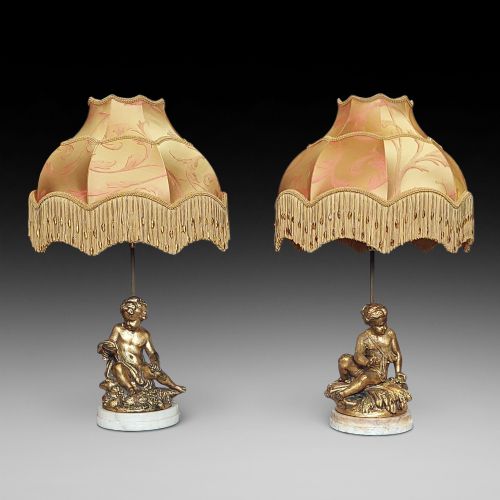


Ornate French Table Lights
Ornate French table lights bring nineteenth-century candle and oil forms into modern interiors through heavy metal casting and sculptural detail.
Ornate French Table Lights
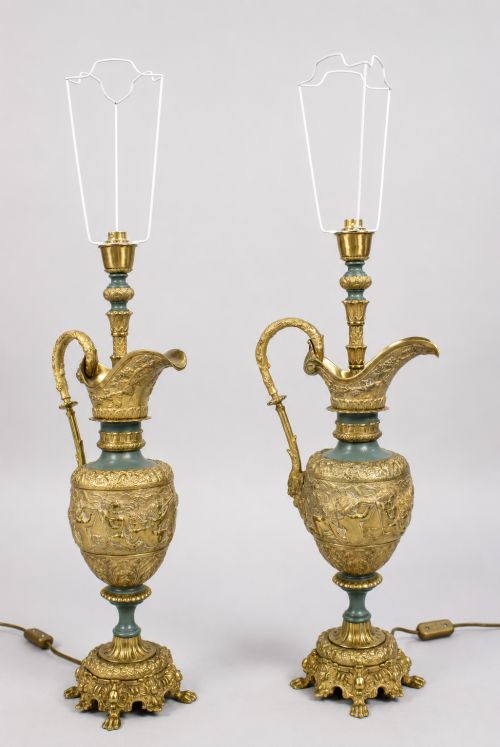
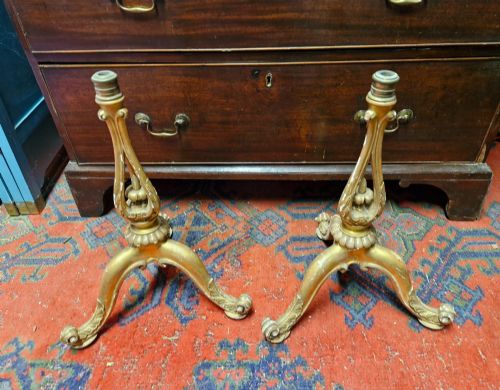
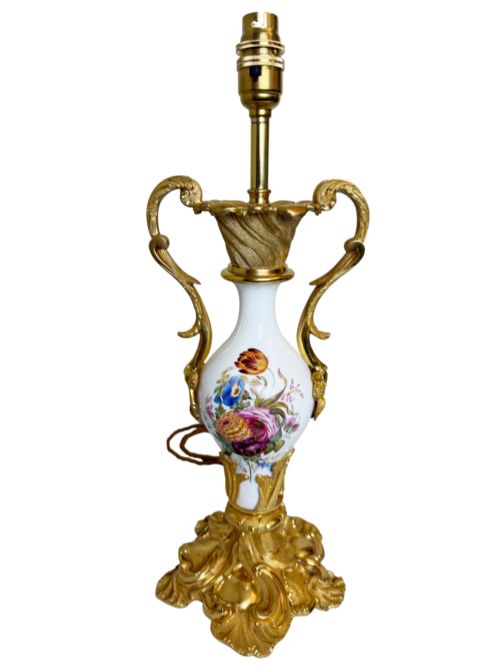
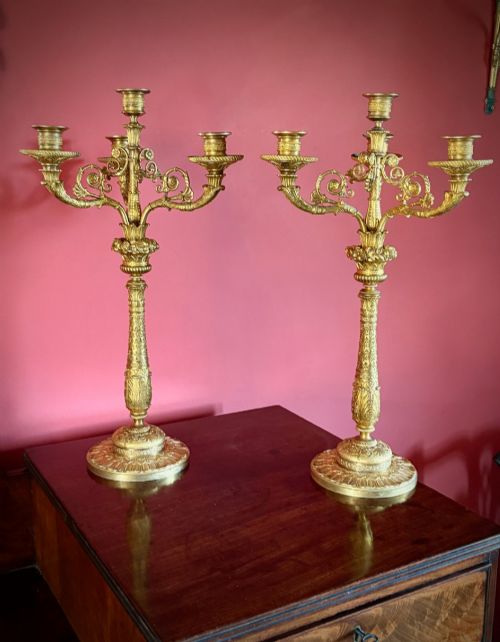
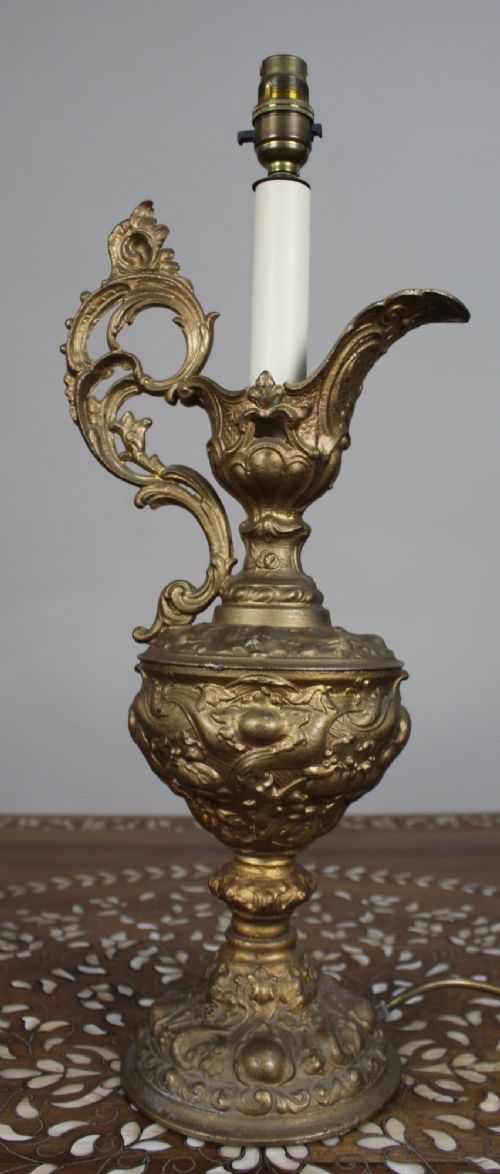
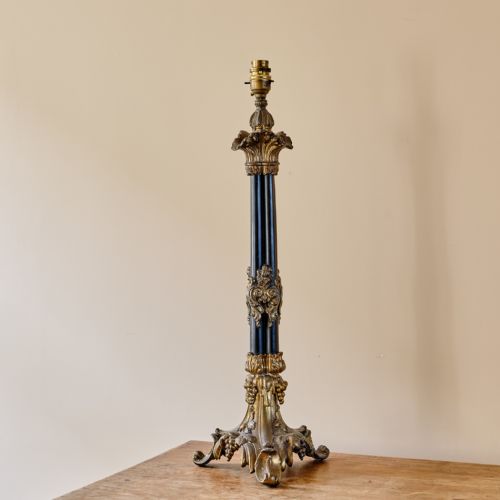
Ornate French table lights comprise heavy metal lamp bases, candelabra, and converted oil or candle fittings from the nineteenth and early twentieth centuries. Pieces carrying this description frequently combine cast brass, ormolu, or gilt bronze with classical motifs and elaborate scrolling armatures.
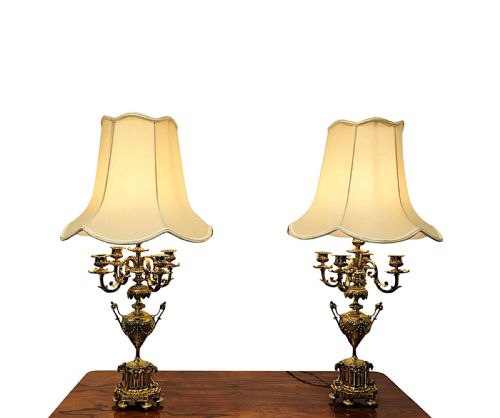
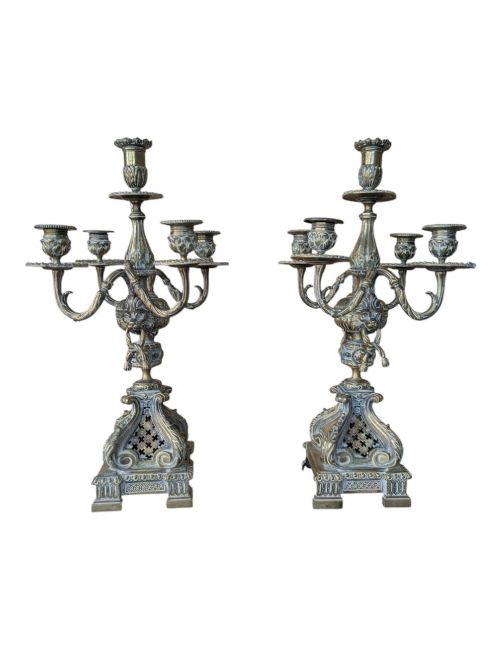
Buyers encounter matched pairs and single standards built in revival styles ranging from Rococo and Louis XVI to Neoclassical and French Chateau. Many survivors began as multi-arm candelabra or oil reservoirs before receiving electrical wiring in later decades.
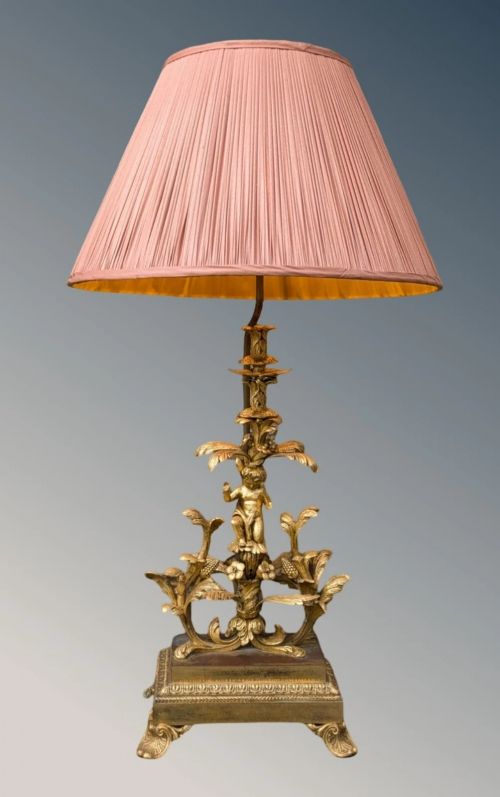
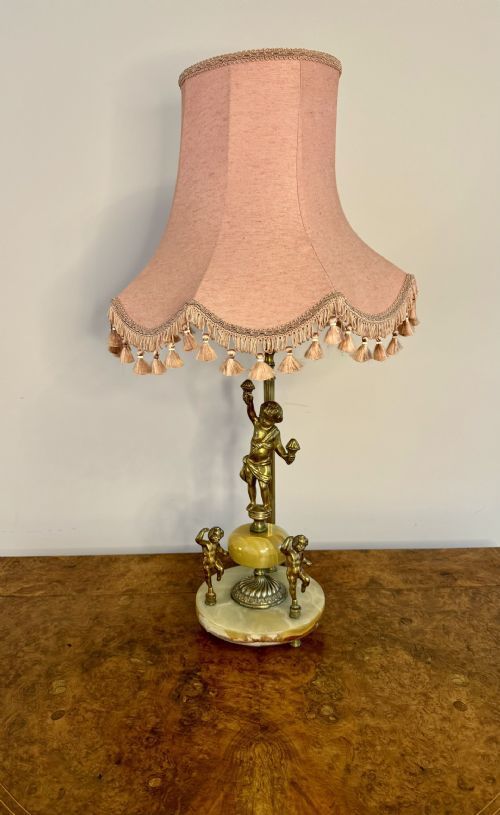
The objects span standard table heights alongside larger floor-standing standard lamps and multi-branch girandoles. Their presence relies on heavy sculptural elements, including figures, cherubs, and classical urn or ewer bodies.
Materials and construction methods
Foundry work forms the core of these pieces, utilising bronze, brass, and gilt metal cast in detailed multipart moulds. Surface enrichment relies heavily on ormolu gilding techniques, alongside hand-chasing to sharpen the surface relief of foliage and scrollwork.
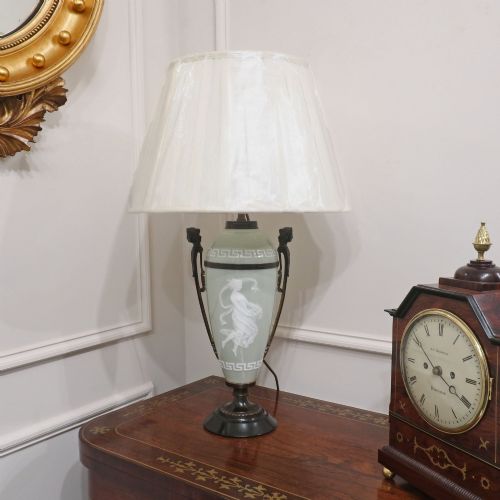
Solid mounts incorporate contrasting natural materials such as white marble, onyx, and alabaster to anchor the heavy metal structures. Glass components appear as opaline shades, crystal drops, and pate sur pate porcelain bodies integrated into the lamp columns.
Several heavy cast models feature small bronze cherubs stubbornly hauling up decorative candelabra arms as if lighting a Victorian parlor.
Judging the quality of manufacture
Quality reveals itself in the crispness of the metal chasing and the weight of the underlying bronze or brass casting. Superior examples retain deep, even ormolu gilding and hand-finished details that remain sharp across every scroll and figure.
The integration of secondary materials dictates overall refinement, separating heavy marble or onyx plinths with tight joints from looser, simpler assemblies. Heavier gauge metalwork and secure mechanical joints between branches distinguish the finer workshops from standard production.
Auguste Cain
The Ornate French Table Lights Glossary
- Ormolu
- A surface finish applying finely ground high-carat gold to a bronze base metal. This technique creates a rich, warm golden lustre characteristic of luxury nineteenth-century metalwork.
- Candelabra
- A branched candlestick designed to hold multiple taper candles simultaneously. Many antique examples later receive electrical conversions while retaining their original multi-arm branch structure.
- Ewer
- A large jug with a wide spout and looped handle historically used for water or wine. In lighting design, this classical vase shape often forms the central ceramic or metal body of a table lamp.
- Champleve
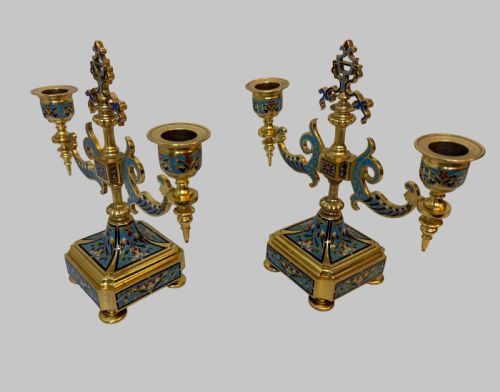
- An enamelling technique where troughs are dug into a metal surface and filled with vitreous paste before firing. This method produces colourful decorative patterns across brass and bronze lamp mounts.
- Girandole
- An ornamental branched wall sconce or table candelabrum featuring reflective glass elements. These pieces direct and multiply ambient light through suspended crystal drops and cut glass components.
Ornate French Table Lights: Frequently Asked Questions
How do I wire an old lamp?
Rewiring antique lighting requires passing modern insulated cable through the original hollow channels of the metal or ceramic core. A qualified electrician should install contemporary lamp holders and safety earthing to protect the historic frame.
Original switches and plugs are normally replaced to meet current safety standards while preserving the exterior decorative body untouched.
Can I remove candle conversions?
Converting an antique candelabrum back to accept candles is possible if the original bobeches and drip pans remain unaltered. Most pieces listed retain their socket assemblies or hollow cups ready to hold tapers once the electrical flex is removed.
Reversing the process requires simple hand tools to unscrew modern brass fittings from the central candle nozzles.
What period do these lamps belong to?
These pieces date predominantly from the nineteenth and early twentieth centuries, spanning Victorian production through the Edwardian era. Design revivals borrow heavily from earlier Louis XV, Louis XVI, and Neoclassical periods.
Stylistic cues and casting methods help narrow the manufacturing window when direct maker marks are absent from the bronze base.
How do I clean gilt bronze?
Dust gilt bronze and ormolu surfaces gently with a soft dry brush to prevent dirt accumulation within the chased recesses. Avoid harsh chemical cleaners or abrasive polishes that strip the thin gold layer from the underlying metal.
Light application of microcrystalline wax can protect exposed metal surfaces from atmospheric moisture and tarnishing.