

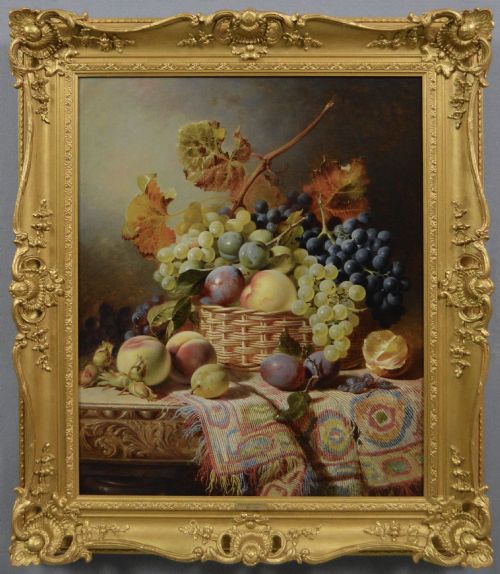
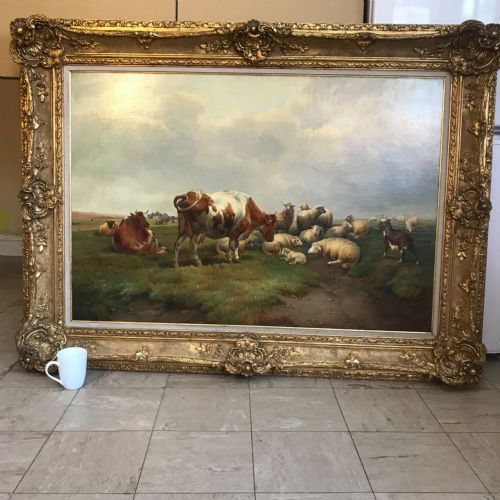
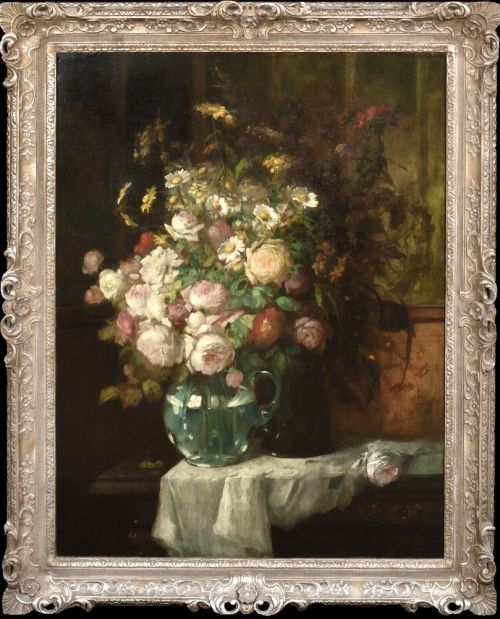
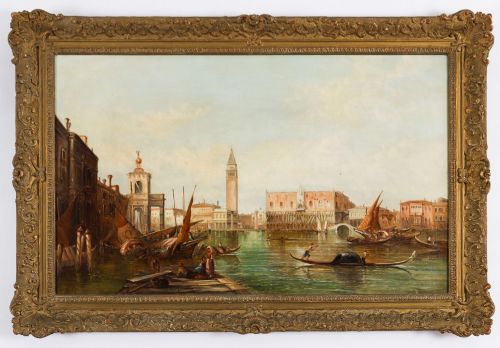
Ornate Frame Oil Painting
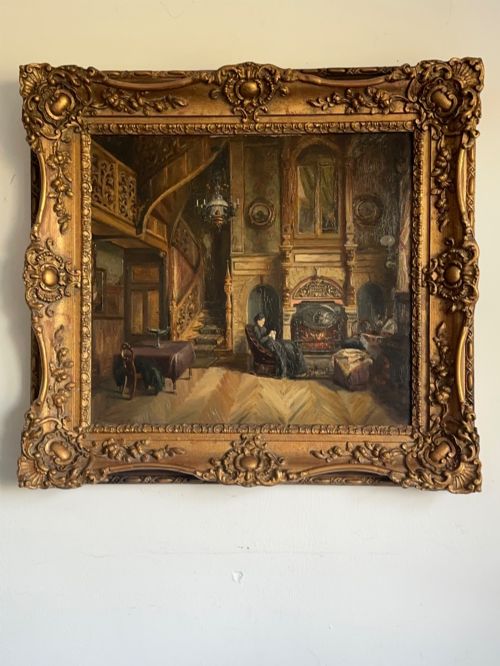
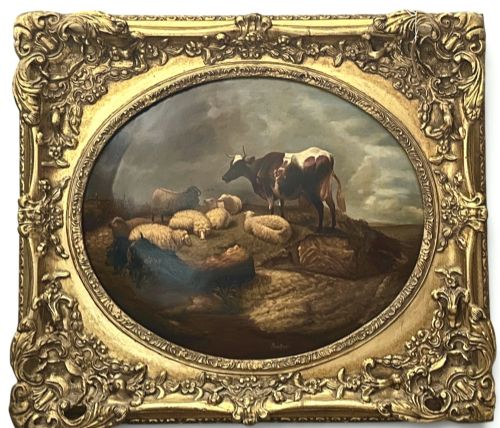
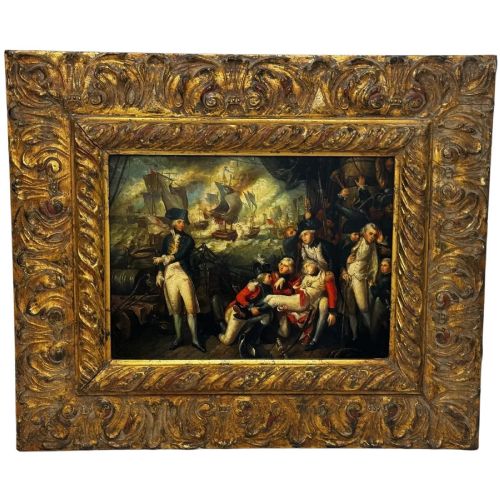
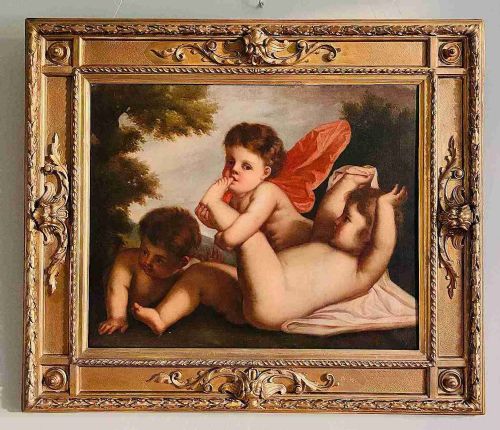
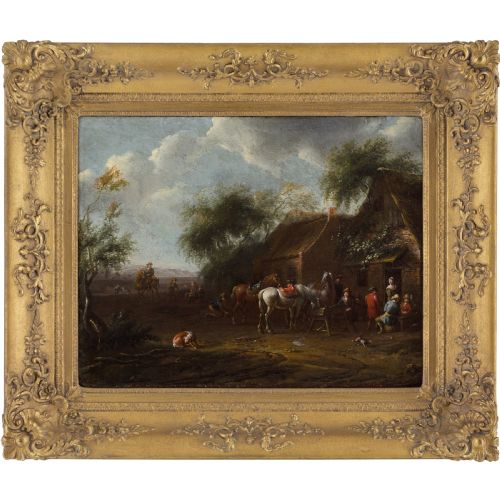
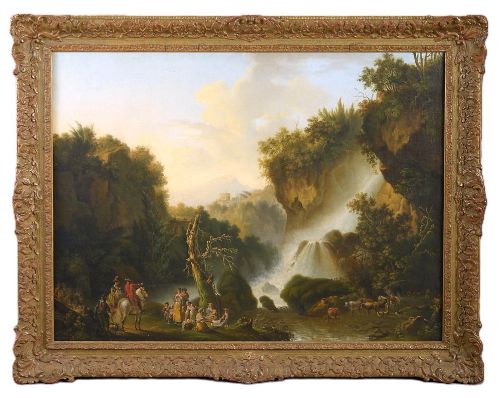
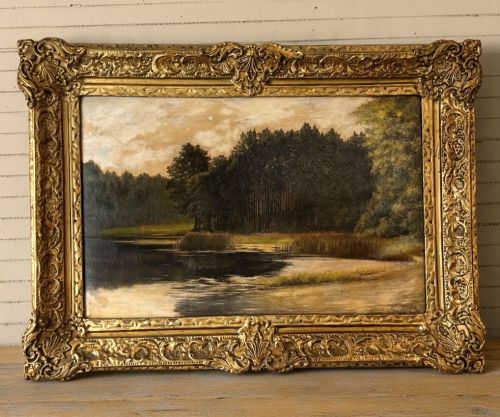
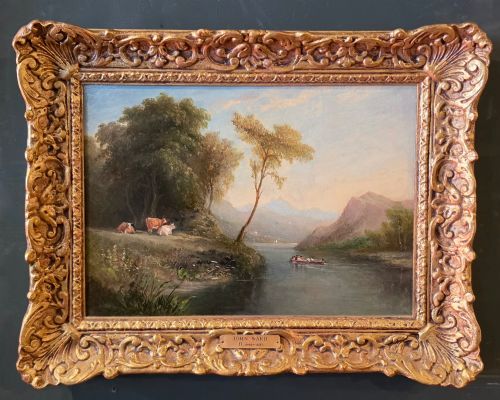
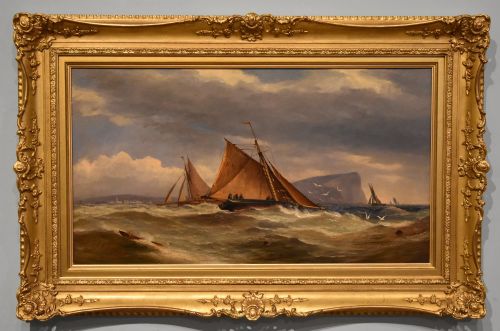
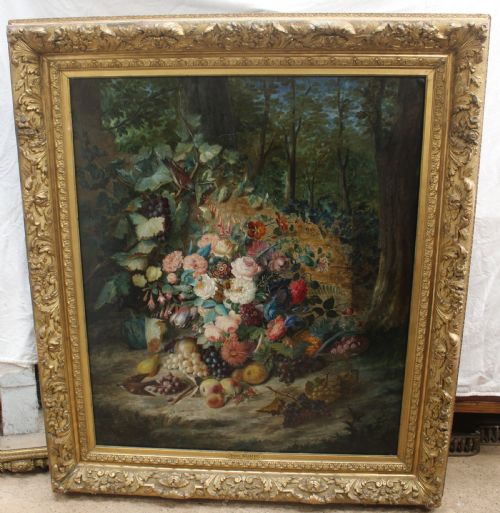
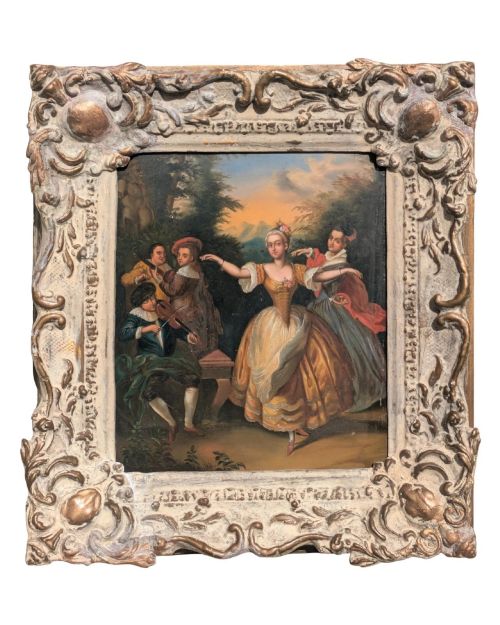
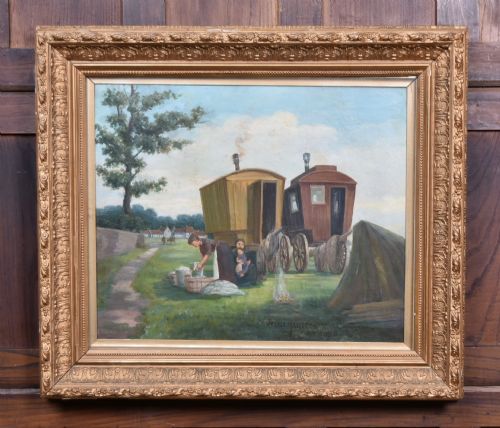
An ornate frame oil painting brings together rich painted canvas or panel and heavily moulded timber housing.
Ornate Frame Oil Painting
An ornate frame oil painting combines a painted canvas or panel work with a highly decorative surround, spanning periods from the nineteenth century through the mid twentieth century. Buyers seeking this phrase encounter subjects ranging from pastoral landscapes and floral still lifes to intimate portraits and architectural views.
The selections on this page demonstrate diverse regional origins, including British, Dutch, Irish, and Italian works. These pieces appear in varied formats such as large gallery canvases, smaller panels, and miniature compositions housed in matching gilt surrounds.
How they were made
Artists painted primarily using oil on canvas, board, or wood panel, applying layers of oil paint to build depth, colour, and texture. The physical supports often show traditional stretchers or panel backings appropriate to their respective periods.
The accompanying surrounds utilise carved wood, gesso, and gold leaf or gilt finishes. Craftsmen shaped deep mouldings, fluted hollows, and swept profiles to house and complement the painted imagery.
Ornate Frame Oil Painting Retail Price Guide 2026
Typical asking prices for ornate frame oil painting among the pieces listed under this phrase on Sellingantiques today, from the lower quarter to the upper quarter. They describe what is for sale here now, not the wider market.
Several paintings depict cats, kittens, and sheep posing patiently as though fully aware of their artistic immortality.
What varies in quality
The distinction between tiers rests upon the execution of the painting and the depth of workmanship in the frame. Superior examples display confident brushwork, precise anatomical or architectural drawing, and harmonious composition.
Frame quality depends on the crispness of the gesso mouldings, the integrity of the wooden substrate, and the application of the gold leaf. Higher quality pieces maintain a cohesive relationship between the artwork and its heavy decorative housing.
Thomas Sidney Cooper·Konstantin Stoitzner·Alfred Pollentine·Stanley Leader·Pieter Cornelis Steenhouwer·Sir Thomas Lawrence·Francesco Guardi·Nicolaas Martinus Wijdoogen·Eugène Verboeckhoven·William Howard Hardy·Oliver Clare·Gabriel Mathieu·Gian Paolo Pace·Howard Helmick·John Horace Hooper·James Hamilton·John Hodgson Lobley·Edgar Hunt·Charles Hunt·William Albert Clarke
The Ornate Frame Oil Painting Glossary
- Oil on Canvas
- Pigments suspended in a drying oil medium applied to a woven fabric support stretched over a wooden frame. This technique allows for rich blending and textured impasto application.
- Giltwood
- Timber that has been coated with a thin layer of gold leaf or gilt material. It provides a reflective, luminous finish characteristic of period picture frames.
- Gesso
- A paint mixture consisting of a binder mixed with chalk, gypsum, or pigment used to prepare wood or canvas surfaces. It is built up and carved on frames to create relief ornamentation.
- Panel Painting
- An artwork executed on a flat piece of wood rather than flexible canvas. These substrates offer a rigid foundation often found in smaller or earlier works.
- Capriccio
- An architectural fantasy placing together buildings, ruins, and other architectural elements in a fictional poetic composition. Painters utilise this genre to display imaginative topographical arrangements.
Ornate Frame Oil Painting: Frequently Asked Questions
How do I date an ornate frame oil painting?
Dating relies upon examining the construction of the wooden stretcher or panel, the style of the canvas weave, and the formulation of the gesso beneath the gilding. Secondary clues include artist signatures, historical exhibition labels, and the stylistic conventions of the painted subject matter.
Changes in framing fashions also provide reliable chronological markers. Deeper swept mouldings and specific composition patterns often align with distinct periods like the Victorian era or mid-twentieth-century revivals.
Are the frames original to the paintings?
Determining whether a frame is original involves inspecting the fit of the canvas within the rebate and checking for historical nail holes or pressure marks. Many pieces retain their period-appropriate surrounds, while others have been paired with complementary antique frames over time.
Matching gilt wear and patination between the artwork and the housing often indicate a long-standing pairing. Expert examination of the corner joints and backing materials helps clarify the history of the combination.
How should I clean a giltwood frame?
Giltwood frames require delicate maintenance because moisture and harsh cleaning agents can strip the gold leaf and degrade the underlying gesso. Dusting gently with a soft, dry brush or a clean microfibre cloth remains the safest method for regular upkeep.
Professional conservators should handle any accumulation of grime or damage to the gesso relief. Avoiding liquid cleaners ensures the fragile metallic leaf and delicate ornamentation remain undisturbed.
Where should I hang a heavy oil painting?
Heavy oil paintings in substantial wooden frames require secure wall fixings anchored directly into wall studs or solid masonry. Using appropriate picture wire and robust wall hooks ensures the substantial weight of the timber and canvas is safely supported.
Placement should avoid areas exposed to direct sunlight, high humidity, or sudden temperature fluctuations. Stable indoor environments protect both the oil paint film and the wooden substrate from warping or cracking.